
Used Trucks For Sale in Louisiana
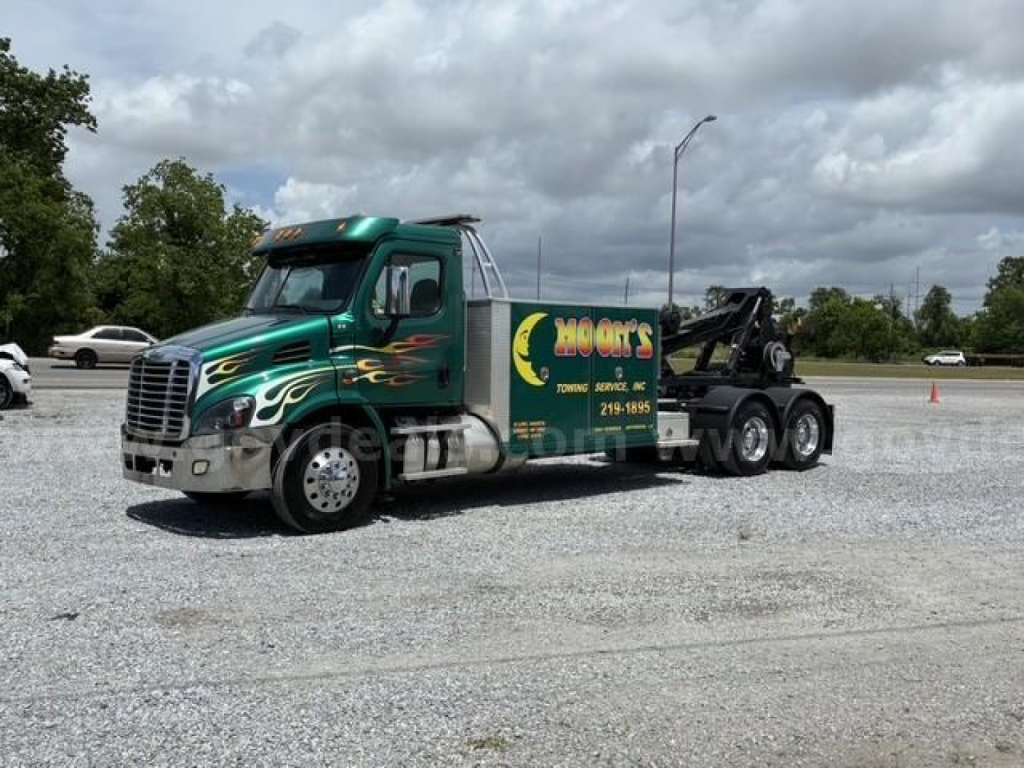
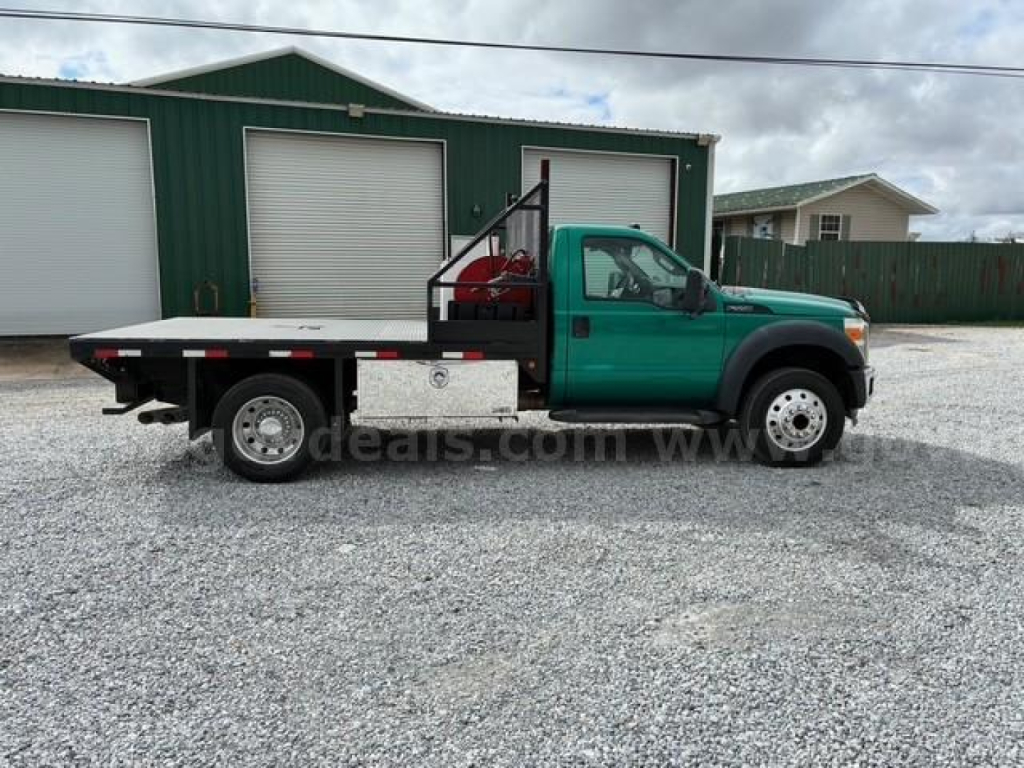
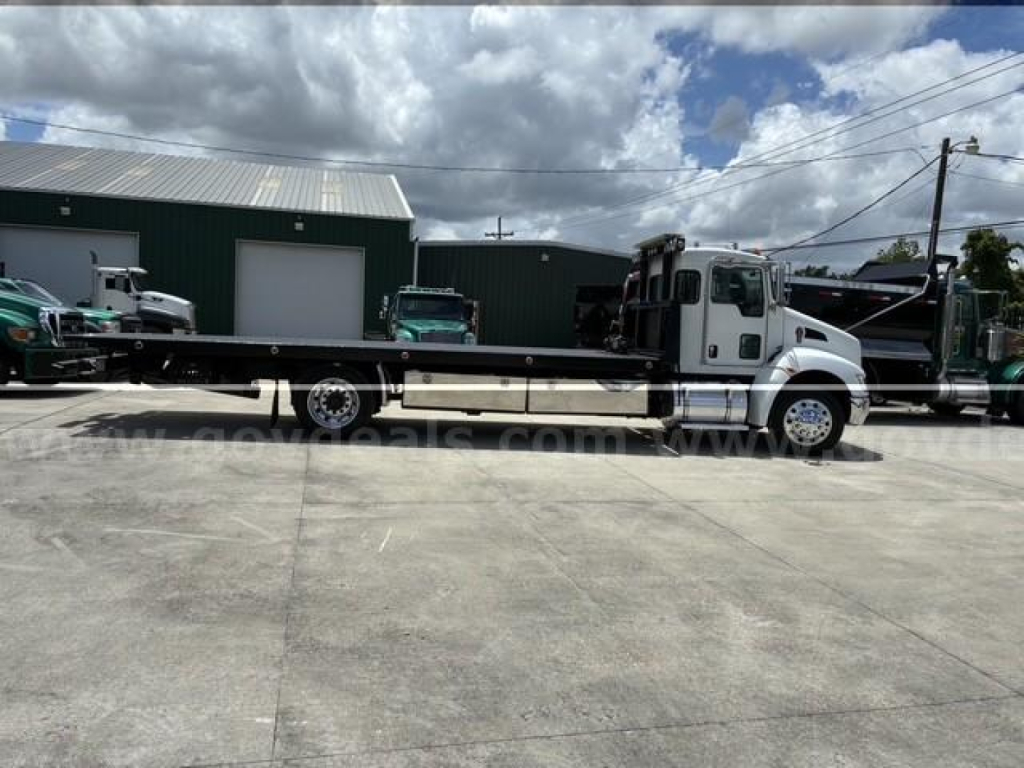
Browse used trucks for sale in Louisiana, including day cabs, dump trucks, reefers, and cab & chassis units for regional, vocational, and local work.
Learn more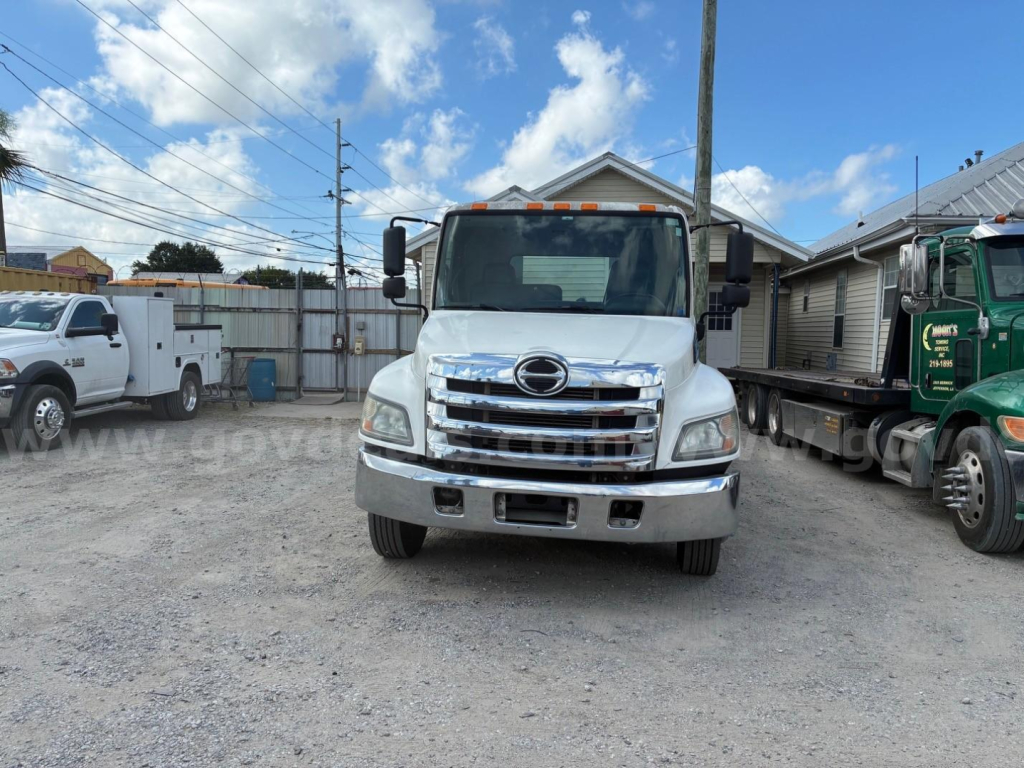

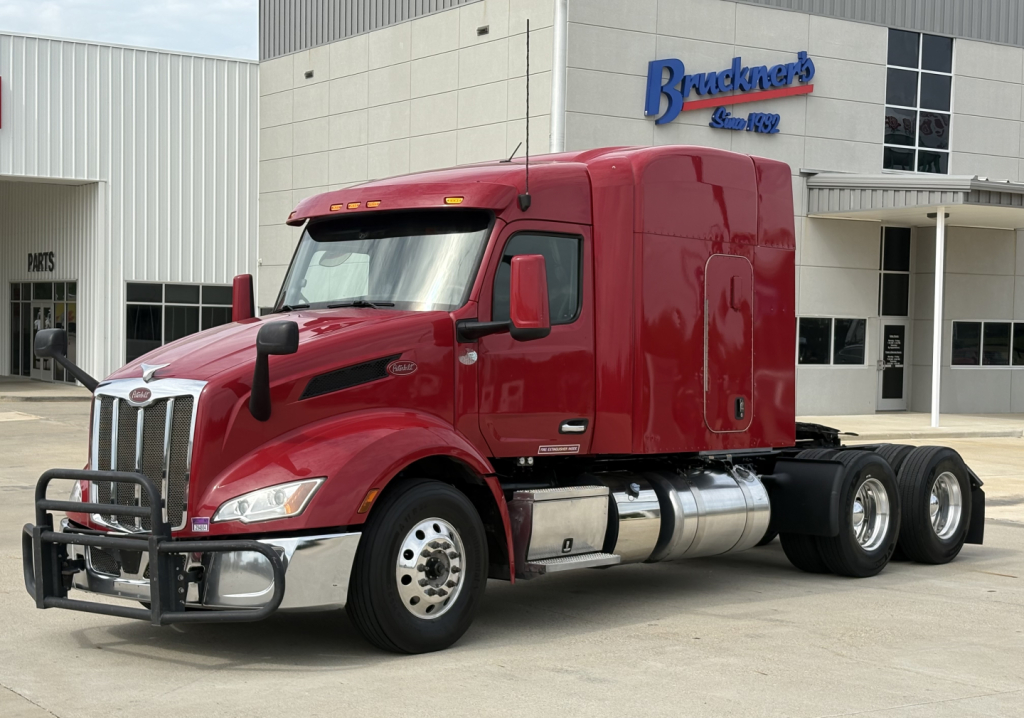
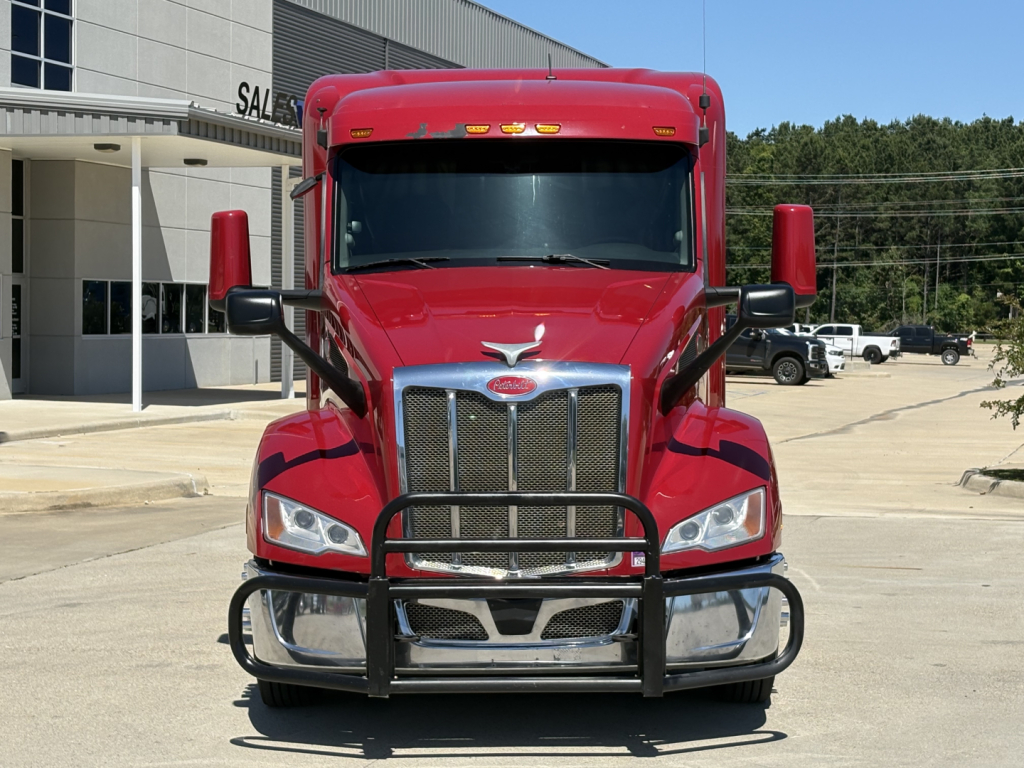
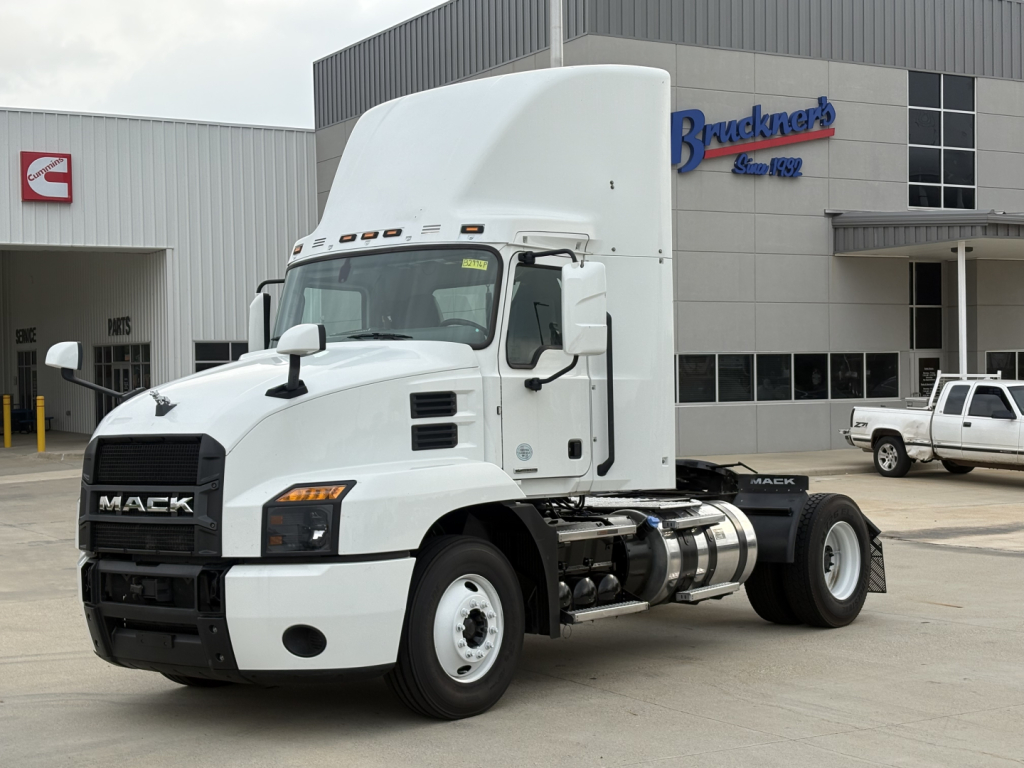
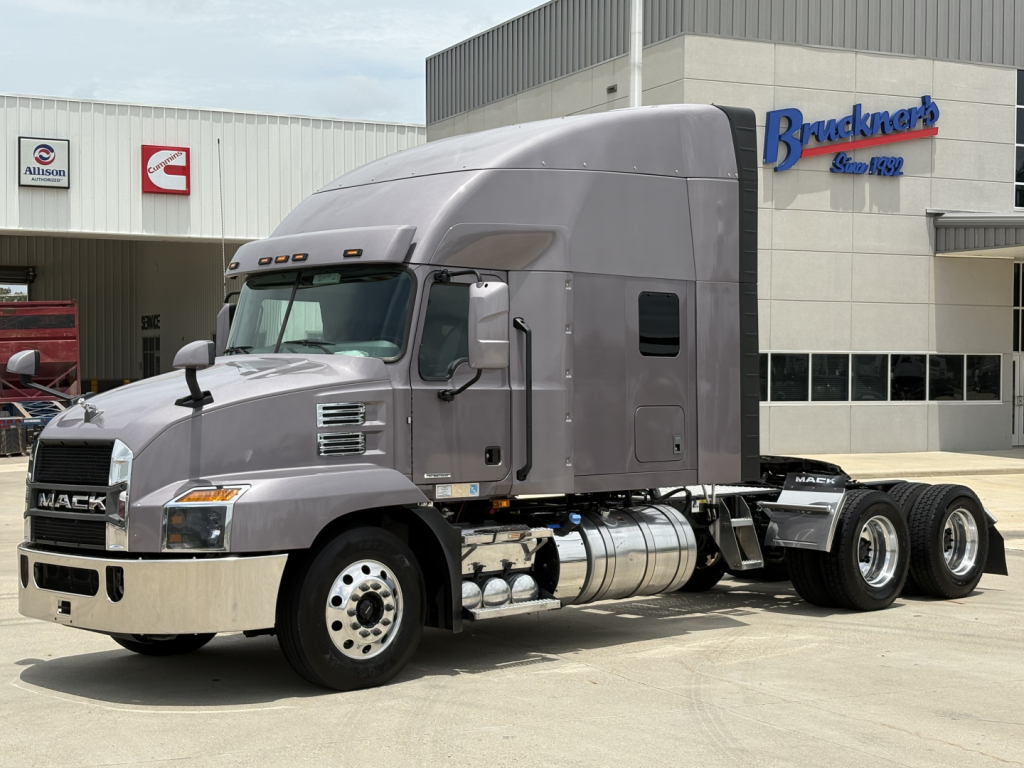
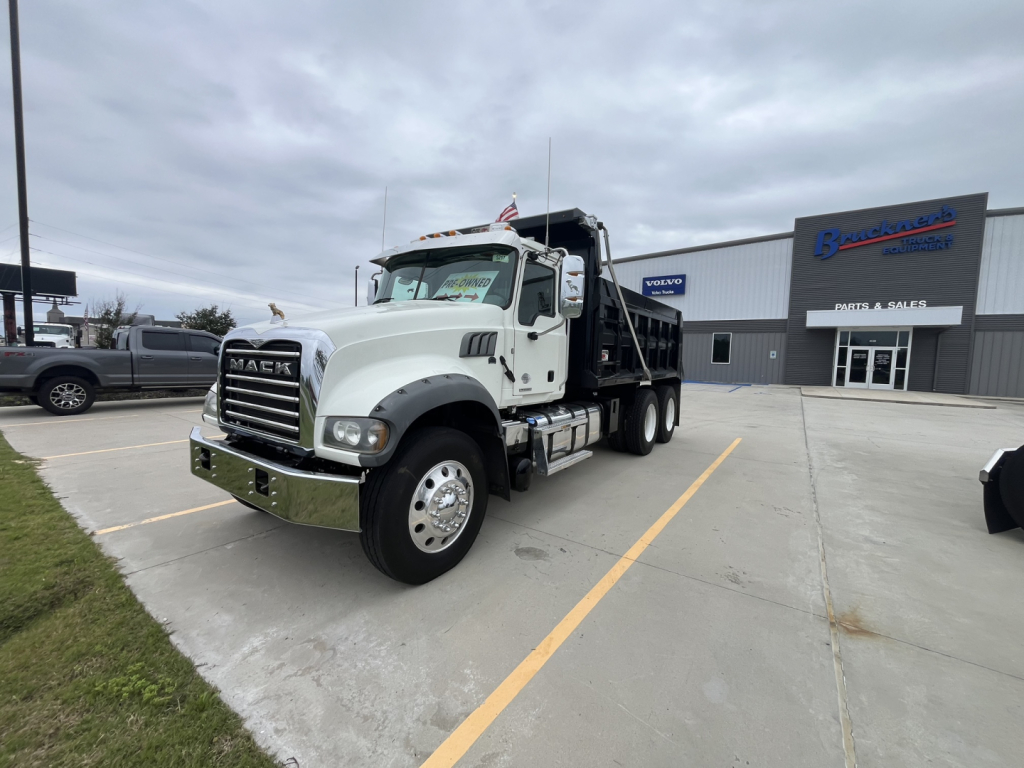
Showing 1 to 12 of 17 results
Have used truck to sell? List it here to reach thousands of buyers.
About Used Trucks in Louisiana
In the used Louisiana truck market, corrosion, heat, humidity, and flood exposure deserve close attention. A clean engine bay and decent paint do not tell the whole story. Inspect frame rails, crossmembers, wiring, air tanks, suspension mounts, brake components, and cab floors for rust, repairs, or water intrusion. On dump trucks, look closely at hoists, hinge points, body floors, tarp systems, and PTO operation. On refrigerated trucks, verify reefer hours, box condition, door seals, floor wear, and insulation integrity. For cab and chassis trucks, confirm the frame has not been altered in a way that limits the body installation you need, and make sure the axle ratings, wheelbase, and back-of-cab to axle measurement fit the intended body.
Powertrain choices vary widely in this category, but the same buying logic applies across brands. Check engine make, horsepower, torque rating, transmission type, rear axle ratio, suspension, and GVWR against real operating conditions instead of brochure assumptions. Automated manuals are common in newer regional tractors because they reduce driver fatigue and can help fuel economy, while automatic transmissions remain popular in vocational and stop-and-go work. For heavier applications, buyers should pay attention to front axle capacity, locking differentials, frame strength, and whether the truck is spec'd for PTO-driven equipment. Mileage matters, but maintenance history, idle hours, vocational wear, and signs of proper fleet service often tell you more than the odometer alone.
Louisiana buyers also need to think about licensing, bridge law, and body-specific compliance before purchase. A truck may be mechanically sound and still be a poor fit if the axle spread, body length, or weight ratings do not match the work. CDL requirements, local route restrictions, and the service network for the engine and transmission brand should all factor into the decision. The strongest used truck value usually comes from a unit with a clear application match, documented service, and specs that support parts availability and dependable uptime rather than the lowest purchase price on the page.
Frequently Asked Questions
What types of used trucks are commonly available in Louisiana?
Used trucks in Louisiana commonly include conventional day cabs, dump trucks, refrigerated straight trucks, cab and chassis units, and other vocational or regional haul configurations. The mix reflects the state's freight profile, which includes construction, municipal work, food distribution, port traffic, oilfield support, and local delivery. Buyers will often see both highway-oriented tractors and body-equipped trucks, so the right choice depends on axle count, weight rating, and how the truck will be used day to day.
What should I inspect first on a used truck in Louisiana?
Start with frame condition, signs of rust or flood exposure, and evidence of major repairs. Louisiana's humidity and storm exposure make underbody inspection especially important, including crossmembers, suspension mounts, brake hardware, wiring, and cab floors. After that, review engine and transmission operation, look for fluid leaks, verify PTO or body equipment if applicable, and compare the truck's current configuration to the work it needs to perform. Service records and ECM data can be just as important as visual condition.
Is a single-axle or tandem-axle truck better for my operation?
A single-axle truck is often better for regional delivery, local hauling, lighter payloads, and operations where maneuverability and fuel economy matter. A tandem-axle truck is generally the better choice for heavier payloads, dump applications, rougher jobsite conditions, and routes where axle weight distribution is critical. The decision should be based on legal payload, trailer or body setup, route conditions, and total operating cost rather than purchase price alone.
How do I choose the right used cab and chassis truck?
The right cab and chassis truck starts with the body you plan to install. Buyers should confirm wheelbase, back-of-cab to axle measurement, frame height, axle ratings, PTO compatibility, and GVWR before committing. A truck can appear to be a good platform and still be wrong for the body if the dimensions or weight capacities do not line up. It is also important to check whether the frame has been drilled, stretched, cut, or otherwise modified in a way that affects the upfit.
Are higher-mileage used trucks still worth considering?
Yes, if the truck has been maintained correctly and the specs match the intended use. A higher-mileage fleet truck with documented service intervals, consistent repairs, and clean operating data can be a better buy than a lower-mileage truck with poor maintenance or severe vocational wear. Buyers should look at engine hours, idle time, transmission performance, suspension condition, tire wear patterns, and maintenance history to judge remaining life. Mileage is only one part of the evaluation.