
Used Conventional Sleeper Trucks For Sale in Louisiana
Shop used conventional sleeper trucks in Louisiana. Compare aero highway tractors with raised-roof sleepers, efficient powertrains, and OTR specs.
Learn more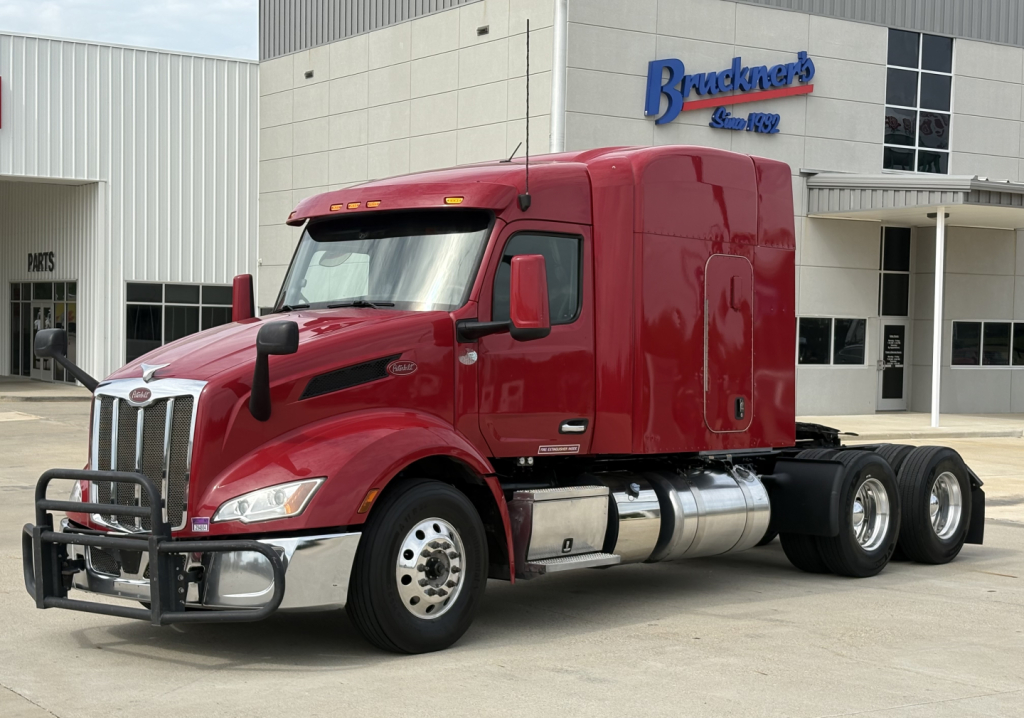
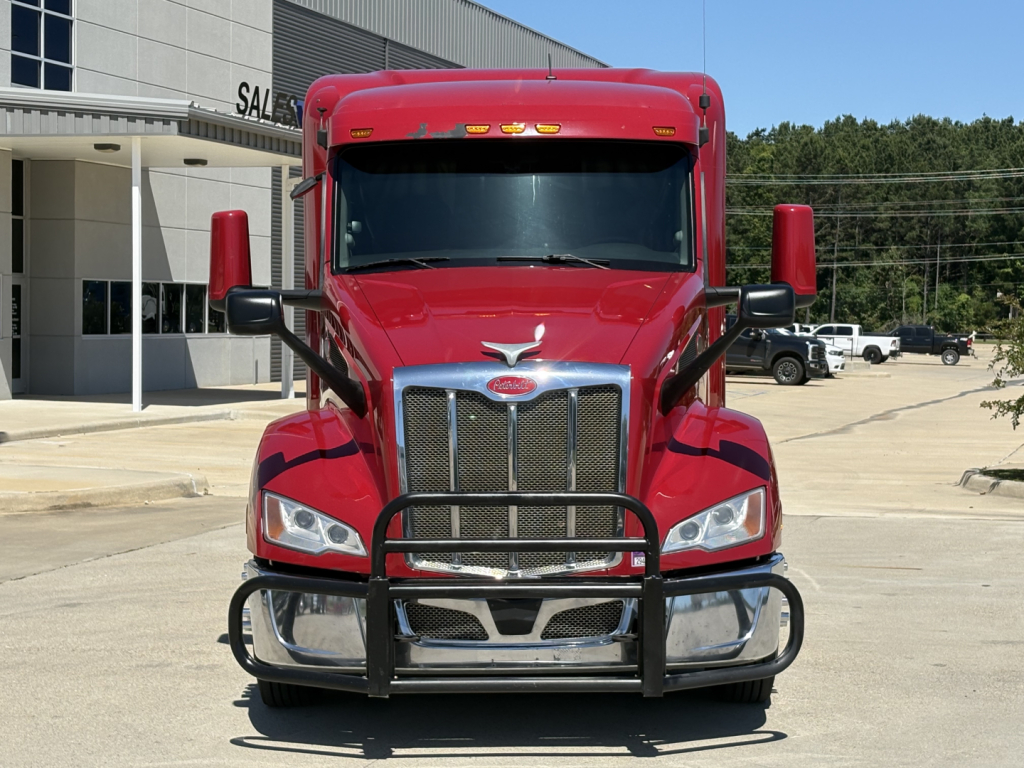
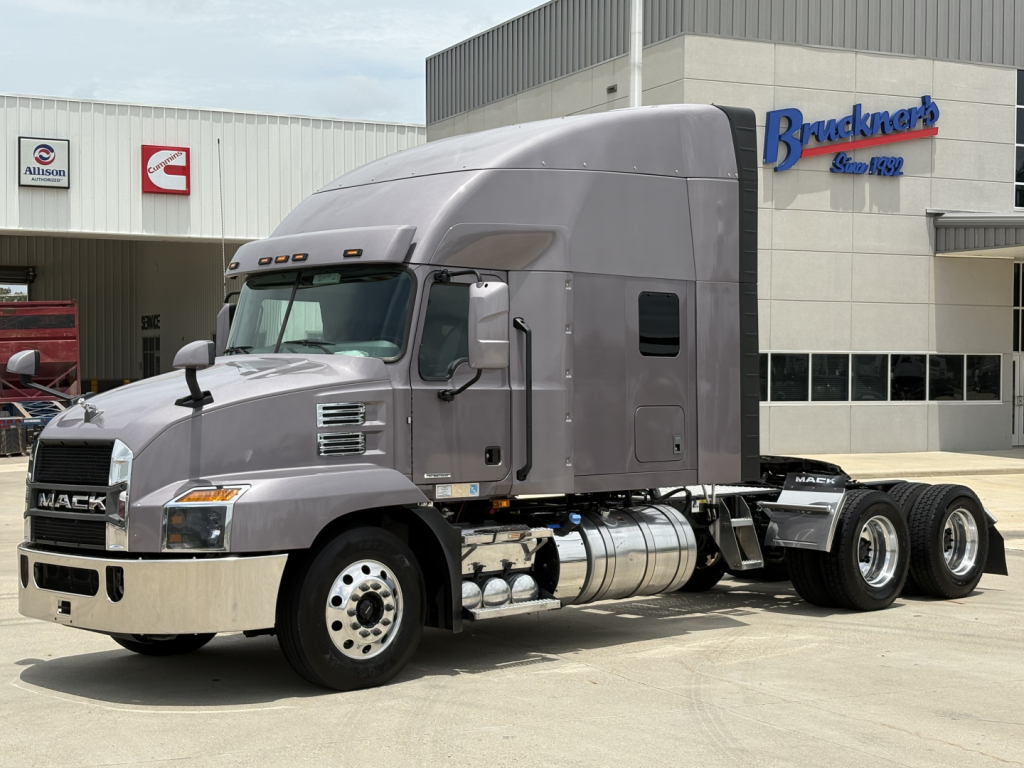
Have used conventional sleeper truck to sell? List it here to reach thousands of buyers.
About Used Conventional Sleeper Trucks in Louisiana
The most common engine range in this class is roughly 400 to 505 horsepower, with torque and gearing doing as much work as raw horsepower on highway freight. Cummins X15, Detroit DD15, and Mack MP8 engines are common choices, usually paired with Eaton Endurant, Eaton Fuller automated, Detroit DT12, or mDRIVE transmissions. For Louisiana buyers, axle ratio matters because much of the work is flat to rolling terrain with sustained interstate speeds. Ratios like 2.64, 2.85, or 3.08 are popular for reducing cruise RPM and improving fuel mileage, but the right ratio depends on gross weight, trailer type, and how often the truck sees heavier pulls or urban stop-and-go work around ports, plants, and distribution hubs.
Sleeper configuration deserves as much attention as the engine badge. Mid-roof and raised-roof sleepers change headroom, storage, and total weight, and they can affect resale depending on your customer base and routes. Wheelbase is another practical buying point. A 228 to 244-inch wheelbase is common on conventional sleepers set up for standard 53-foot trailers, but the best choice depends on trailer gap, ride quality, bridge law considerations, and maneuverability in tight yards. Buyers should also look closely at suspension type, APU or battery HVAC setup, inverter capacity, bunk heater, refrigerator, adaptive cruise, collision mitigation systems, and side object detection, since these features directly affect driver retention and idle reduction.
On a used conventional sleeper truck, miles tell only part of the story. Service history, emissions system maintenance, transmission calibration updates, tire wear pattern, aftertreatment health, and signs of excessive idle time matter more than a single odometer number. A strong used sleeper should be evaluated for DPF and SCR service records, overhead and oil sampling history, kingpin and front end wear, bunk HVAC operation, and any fault code history tied to radar, camera, or safety system components. For buyers comparing listings in Louisiana, the right truck is usually the one that matches lane length, trailer weight, maintenance strategy, and driver expectations without adding unnecessary complexity.
Frequently Asked Questions
What is a conventional sleeper truck used for?
A conventional sleeper truck is built for over-the-road freight that requires both highway efficiency and onboard living space for the driver. It is the standard choice for long-haul van, reefer, and many regional operations because it combines an aerodynamic hooded tractor design with a sleeper compartment behind the cab. In Louisiana, these trucks are commonly used on interstate runs, Gulf Coast freight, dedicated contract lanes, and port-related freight that still spends significant time on the highway.
What engine and transmission specs are most common in used conventional sleeper trucks?
Most used conventional sleeper trucks on the market are equipped with engines in the 400 to 505 horsepower range and automated manual transmissions. Common engine platforms include the Cummins X15, Detroit DD15, and Mack MP8, while common transmissions include the Eaton Endurant, Eaton Fuller automated models, Detroit DT12, and Mack mDRIVE. This combination is popular because it supports fuel-efficient cruising, reduces driver fatigue, and remains familiar to most fleets and independent operators.
How important is axle ratio on a used sleeper tractor?
Axle ratio is a major buying decision because it affects cruise RPM, fuel economy, launch performance, and how the truck handles different freight weights. Ratios such as 2.85 or 3.08 are common on aerodynamic highway tractors because they keep engine speed lower at interstate speeds. A lower numerical ratio usually helps fuel mileage on lighter or average highway loads, while a higher numerical ratio can be better for heavier freight, hillier routes, or more stop-and-go work. The best ratio depends on your average gross combination weight and operating pattern.
What should I inspect first on a used conventional sleeper truck?
Start with maintenance records, engine hours, and emissions system history before focusing on cosmetic details. A buyer should verify oil change intervals, overhead adjustments, DPF cleanings, SCR and DEF system repairs, transmission service, and any fault code history. It is also smart to inspect tire wear, suspension condition, kingpins, brakes, bunk HVAC, APU operation, and the function of driver-assist systems like adaptive cruise and collision mitigation. A clean interior matters, but documented service history usually tells you more about long-term value.
What sleeper size is best for long-haul work?
For true long-haul service, a 70 to 72-inch sleeper is one of the most common and practical configurations because it gives the driver more room to stand, store gear, and spend multiple nights on the road. Mid-roof sleepers can work well when weight, aerodynamics, or route restrictions are priorities, while raised-roof or condo-style sleepers offer more interior space and comfort. The best sleeper size depends on trip length, driver preference, idle reduction strategy, and how important interior amenities are to your operation.