
Used Dump Trucks For Sale in Louisiana
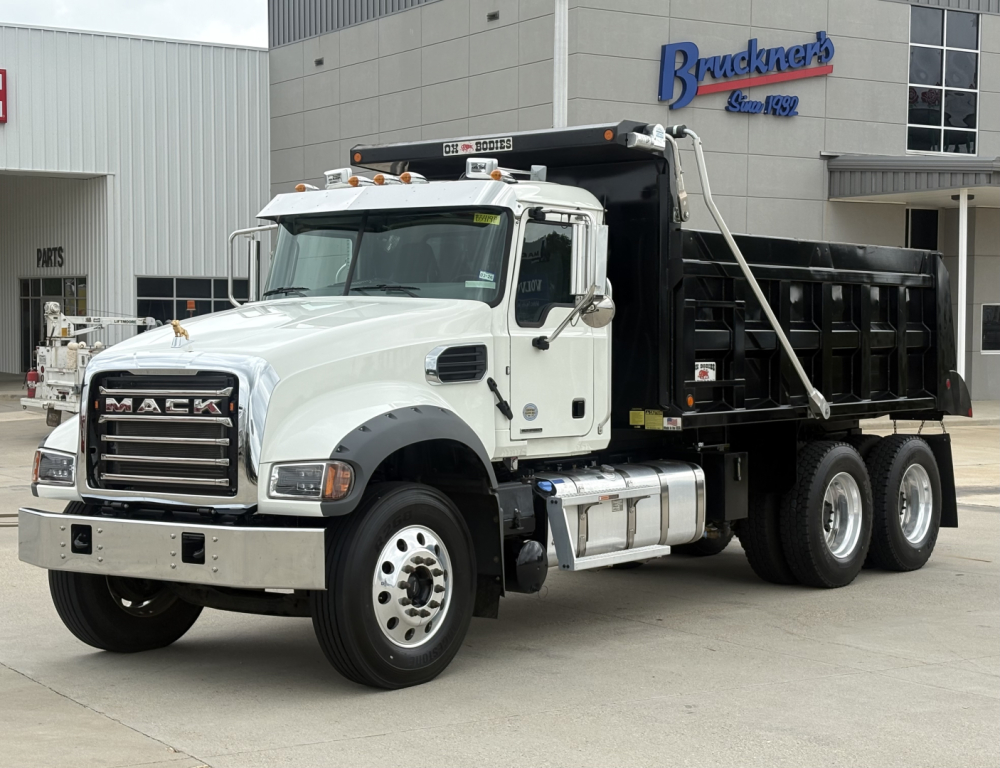
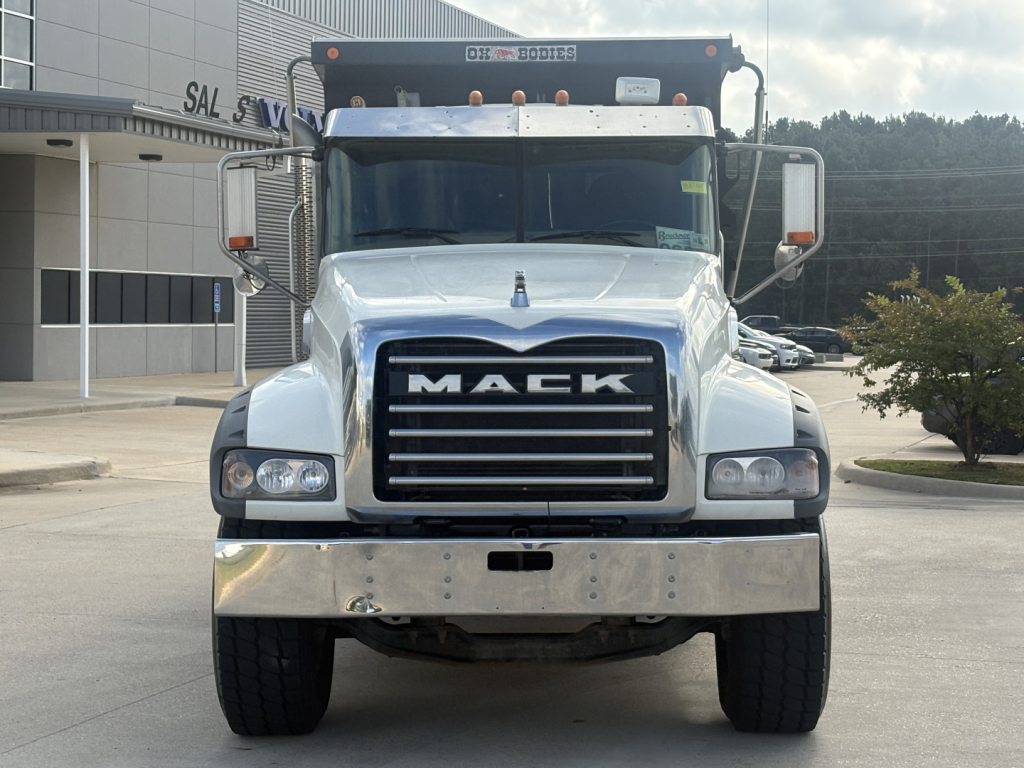
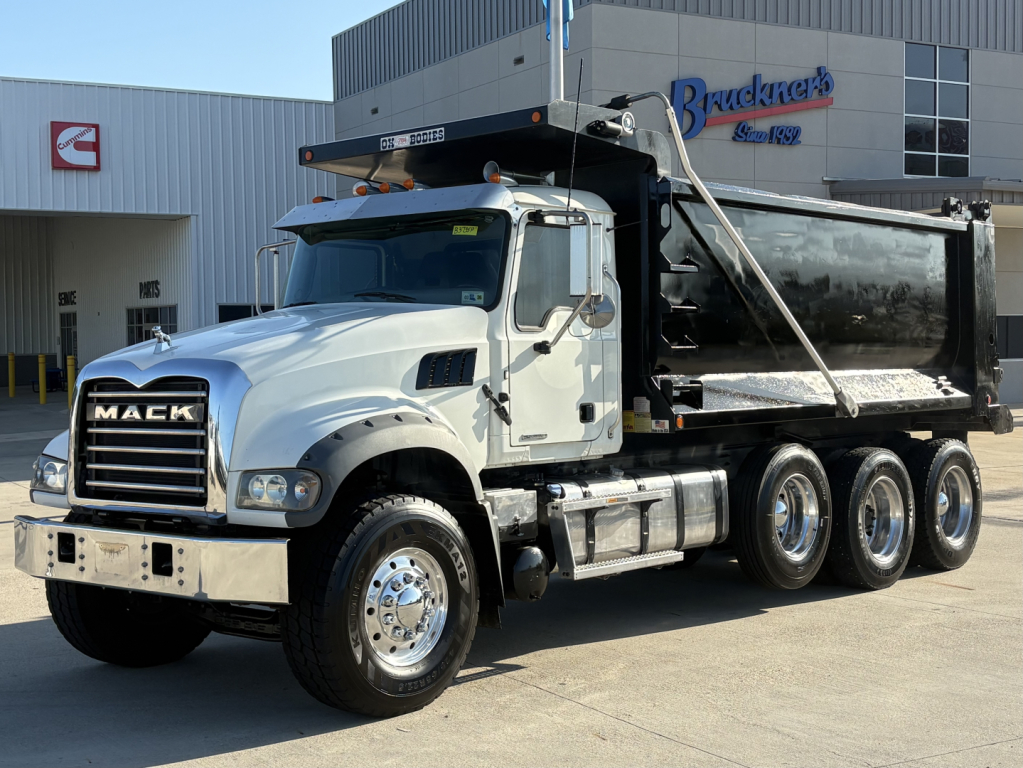
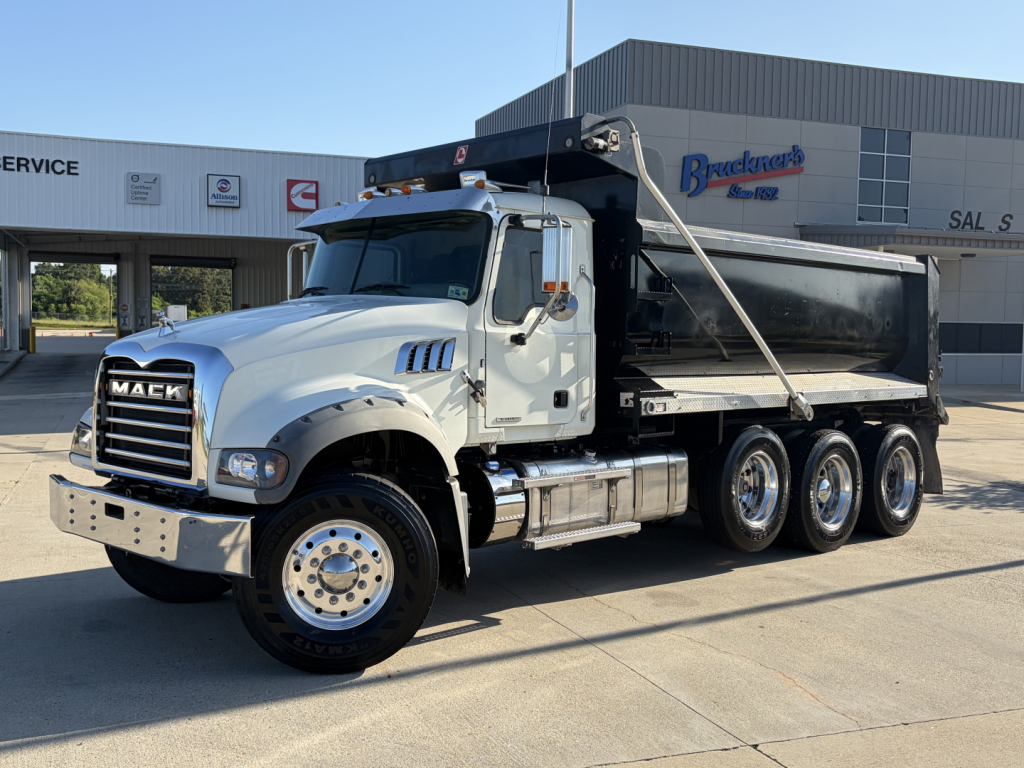
Browse used dump trucks in Louisiana, including tandem axle and vocational models built for dirt, aggregate, asphalt, and site work.
Selling a used dump truck? List your used dump truck for sale and reach thousands of commercial buyers.
Used Dump Trucks in Louisiana
In Louisiana, corrosion, moisture exposure, and soft jobsite conditions matter more than buyers in drier regions sometimes expect. A used dump truck should be checked closely for floor and sidewall wear in the bed, hoist and hinge-pin condition, crossmember rust, tarp system operation, and any cracking around body mounts. Suspension choice also matters. Camelback and other vocational spring suspensions remain popular for durability and load stability, while some air-ride setups can improve ride quality depending on the application. Axle ratings, wheelbase, and rear ratio all affect how the truck performs when loaded, especially if it splits time between local jobsites and highway runs.
Body spec is just as important as engine spec. A shorter 14-foot body can improve maneuverability on tight sites, while a 15-yard configuration may better suit higher-volume haul work if legal weights and material density line up. Buyers hauling rock or demo debris should pay attention to body steel thickness, scuff resistance, tailgate design, and the overall straightness of the bed. For asphalt work, tarp condition, body seal, and smooth hoist operation become more important. If the truck has an automated transmission such as a Mack mDRIVE, confirm shift quality under load and review service records. On manual units, clutch condition and PTO engagement deserve close attention.
A strong used dump truck is usually defined by maintenance and vocational spec, not just age. Look for evidence of regular fluid services, brake and suspension upkeep, liner or body repairs, and any recent work to the hoist, pins, bushings, or hydraulics. Engine horsepower in this class often lands in the 350 to 450 HP range, which is enough for most construction and material hauling applications when paired correctly with axle ratios and transmission gearing. The best choice is the truck that fits your payload, route, and dump cycle without being overbuilt or undersized for the work.
Frequently Asked Questions about Used Dump Trucks in Louisiana
What should I look at first on a used dump truck?
Start with the bed, hoist, frame, and rear suspension before focusing on cosmetics. Dump trucks live hard lives, so body floor wear, sidewall damage, hinge-pin play, hydraulic leaks, crossmember condition, and frame stress matter more than paint. After that, review axle ratings, transmission type, PTO operation, and engine service history to make sure the truck matches the material and route you plan to run.
What size dump body is common on a tandem axle dump truck?
A tandem axle dump truck commonly carries a 13 to 15 yard body, although exact capacity depends on the body design and material being hauled. Lighter materials may let you use more cubic volume, while rock, wet sand, or asphalt can put you at legal weight before the body is full. Capacity on paper is only part of the equation, so buyers should compare body size with axle ratings, local bridge laws, and the density of their typical loads.
Is an automatic or automated-manual transmission a good choice in a dump truck?
Yes, for many fleets and owner-operators, an automatic or automated-manual transmission is a practical choice in a used dump truck. These setups can reduce driver fatigue in traffic, improve consistency from driver to driver, and make frequent stop-and-go work easier. The tradeoff is that buyers need to verify smooth shifting, PTO integration, and service history, because vocational use can be hard on any transmission if the truck has been overloaded or poorly maintained.
How important is suspension type on a used dump truck?
Suspension type has a direct effect on durability, load stability, and ride quality. Heavy-duty spring suspensions such as Camelback are widely used in dump applications because they hold up well in rough off-road conditions and under repeated loading cycles. Air-ride can offer a smoother ride in some operations, but the best choice depends on the terrain, the material hauled, and how much of the truck's time is spent on pavement versus jobsites.
Are Louisiana conditions hard on used dump trucks?
Yes. Louisiana heat, humidity, rainfall, and muddy jobsites can accelerate rust, corrosion, wiring issues, and wear on suspension and hydraulic components. Buyers should inspect the underside carefully, look for body rust around seams and mounts, and confirm that the hoist, tarp, lighting, and PTO systems work correctly. A truck with strong maintenance records and a clean vocational inspection can be a better value than a newer truck with a rough work history.