
Used 2026 Trucks For Sale in Illinois
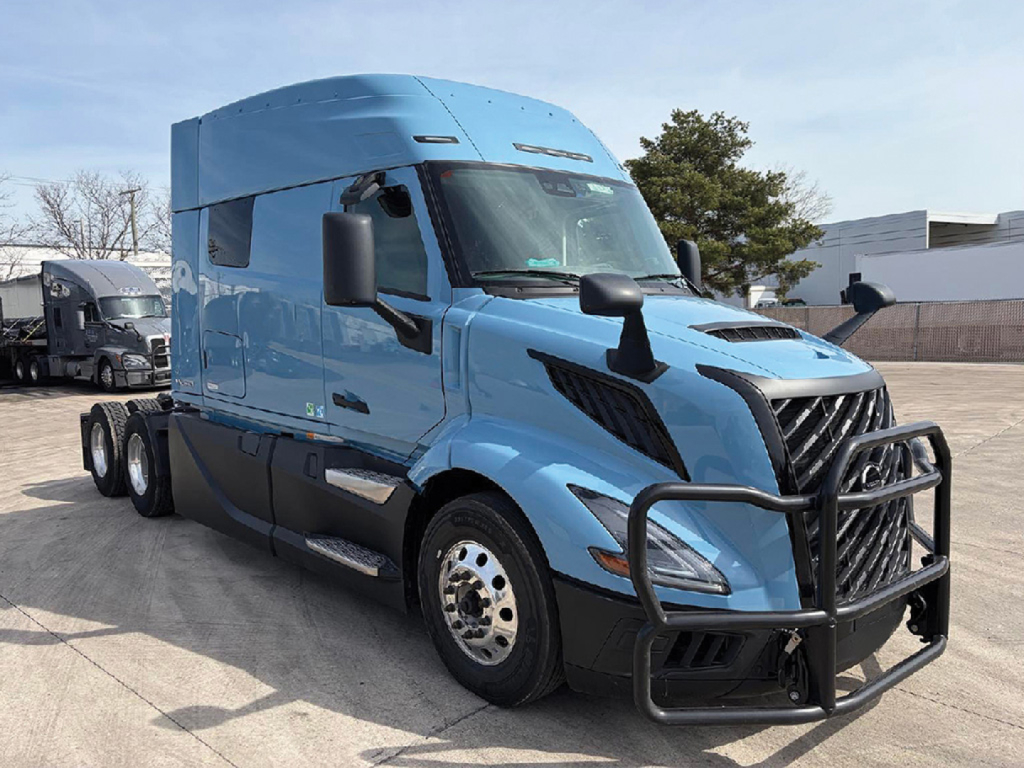
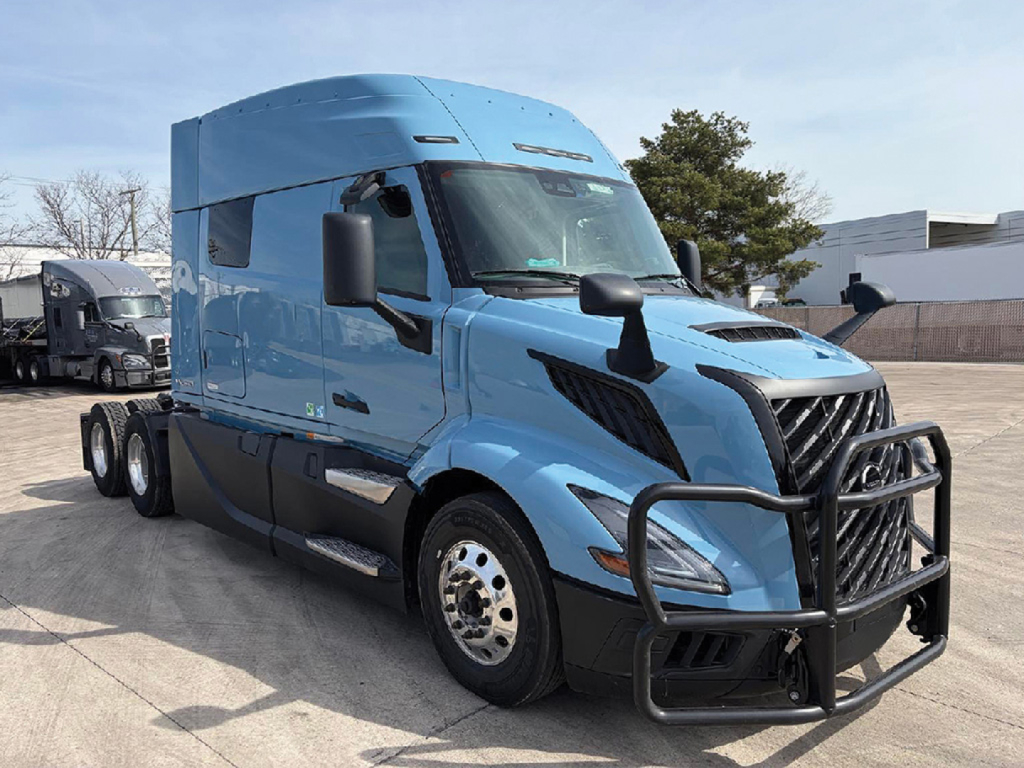
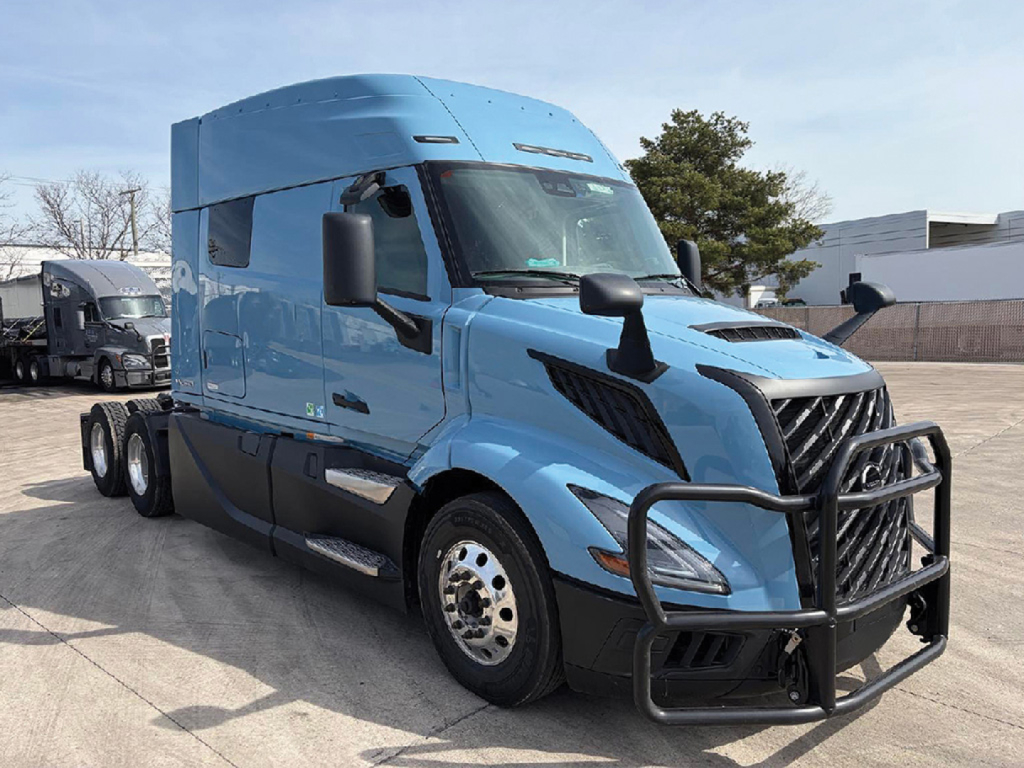
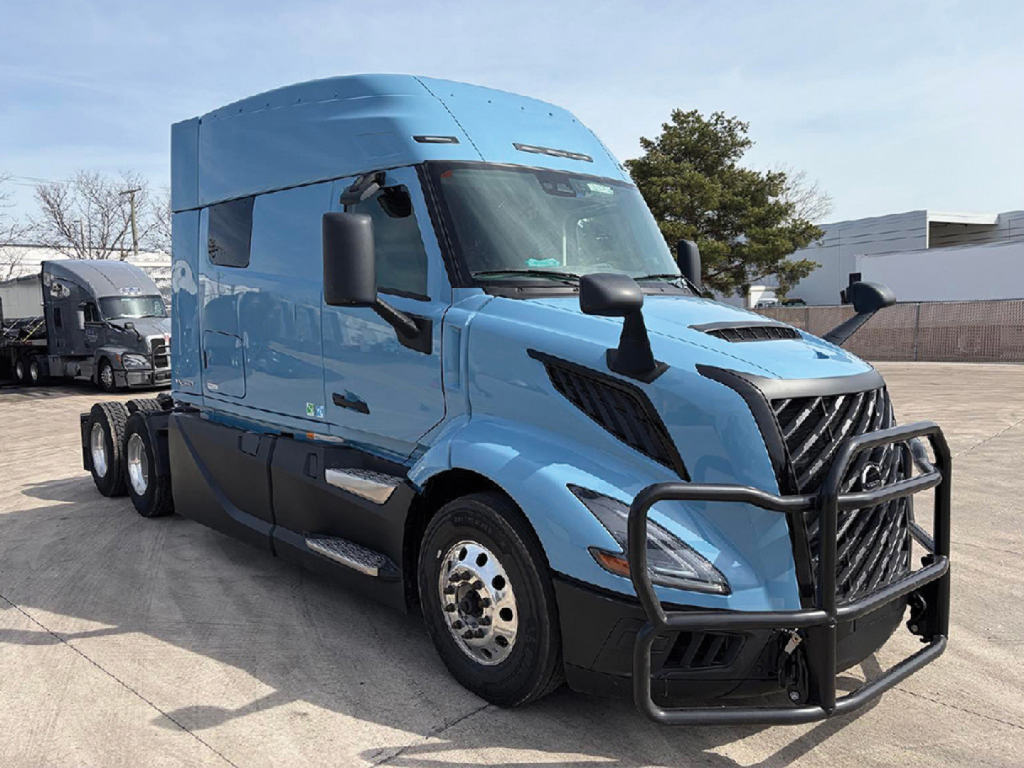
Have used 2026 truck to sell? List it here to reach thousands of buyers.
Used 2026 Trucks in Illinois
Powertrain selection matters more than badge loyalty on late-model used trucks. Common engines in this class include 13-liter and 15-liter platforms from Volvo, Cummins, Detroit, and PACCAR, typically paired with automated manual transmissions such as the Volvo I-Shift, Detroit DT12, or PACCAR TX-12. Horsepower in the 425 to 505 range is common for general freight, while rear axle ratios like 2.47, 2.64, or 3.25 help determine cruise RPM, startability, and fuel economy. Buyers should look at GCWR needs, wheelbase, fifth wheel type, front axle rating, and suspension setup before narrowing by make or model. For Illinois operators, disc brakes, collision mitigation, adaptive cruise, and lane departure systems are increasingly relevant because they affect both safety performance and insurance considerations.
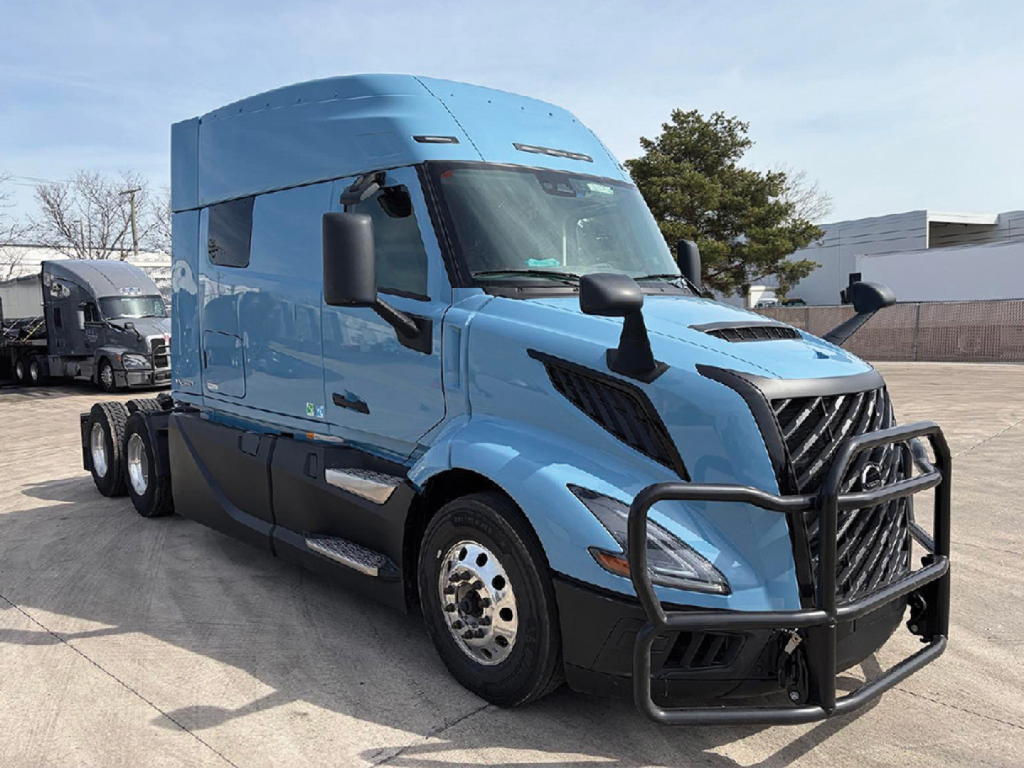
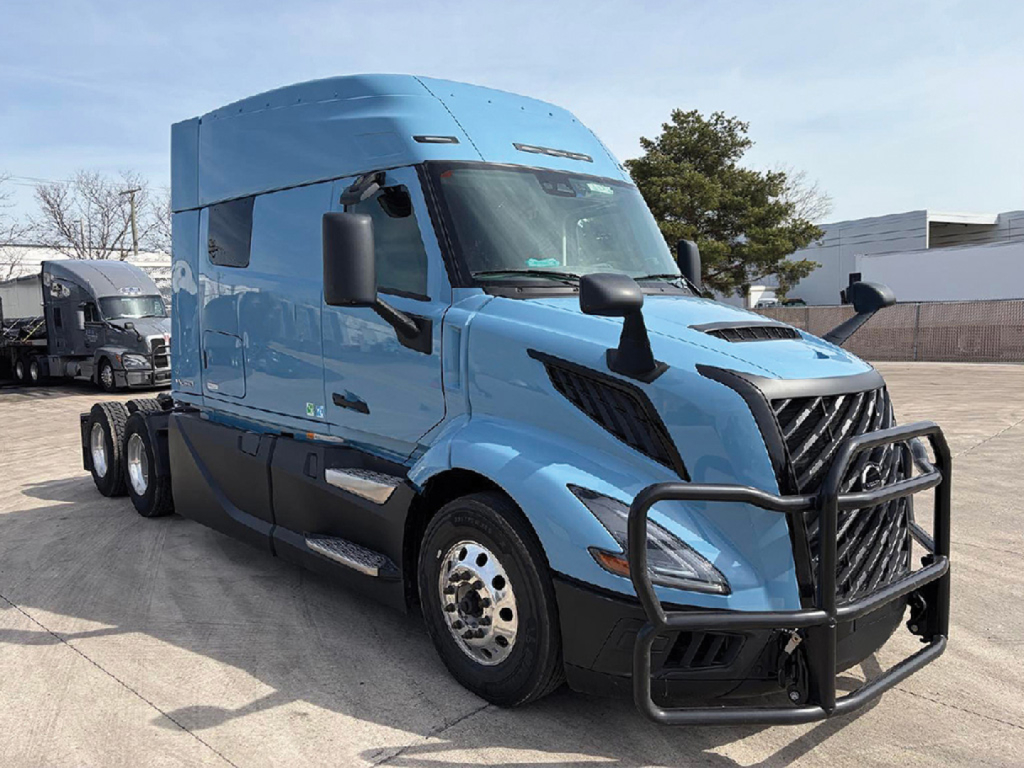
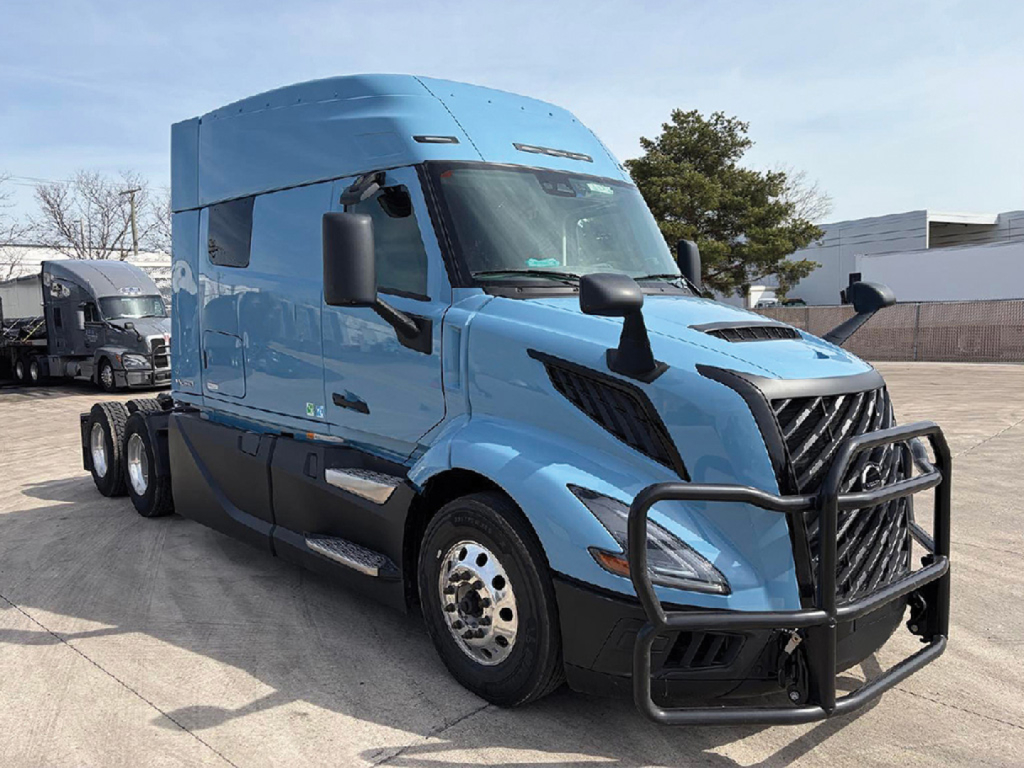
Cab and chassis details tell you how well a truck fits the intended lane. Sleeper tractors often bring upper bunks, bunk heaters, larger fuel capacity, side fairings, and longer wheelbases in the 220-inch-plus range. Day cabs usually trade that sleeper space for tighter turning, lower curb weight, and easier dock and yard access. Air ride suspension, aluminum wheels, power windows, telescoping steering, and adjustable or air-slide fifth wheels are common late-model specs, but buyers should still verify tire configuration, brake type, PTO readiness, and whether the truck is set up for van, reefer, flatbed, tanker, or heavy-haul work. A truck spec that works well for dry van linehaul may not be ideal for stop-and-go regional service or specialized freight.
For a used 2026 truck, condition review should focus on maintenance history, engine hours, idle time, aftertreatment service records, software updates, and signs of previous collision repair. Mileage alone does not tell the full story on a modern fleet truck. A well-documented unit with consistent PM intervals, recent DPF service, and clean fault history can be a better buy than a lower-mileage truck with limited records. Illinois buyers should also consider rust exposure from winter road treatment, current registration and emissions requirements, and how easily the truck can be integrated into an existing fleet spec for parts, training, and maintenance efficiency.
Frequently Asked Questions about Used 2026 Trucks in Illinois
What is the difference between a sleeper truck and a day cab truck?
A sleeper truck has an integrated compartment behind the cab for overnight use, making it the standard choice for long-haul and multi-day runs. A day cab has no sleeper and is typically lighter, shorter, and easier to maneuver in urban or regional service. The right choice depends on trip length, driver scheduling, payload targets, and how much emphasis you place on turning radius versus driver accommodations.
What engine and transmission specs are common on late-model used trucks?
Late-model used highway trucks commonly use 13-liter or 15-liter diesel engines rated around 425 to 505 horsepower, paired with automated manual transmissions. Popular combinations include Volvo D13 with I-Shift, Cummins X15 with Endurant or other AMTs, and Detroit DD13 or DD15 with DT12. Rear axle ratios, axle capacity, and transmission gearing are just as important as horsepower because they affect fuel economy, launch performance, and suitability for your freight.
What should I inspect first on a used 2026 truck?
Start with service documentation, engine hours, idle hours, emissions system history, and any open fault codes. Then review brake condition, tire wear patterns, suspension components, driveline, kingpins, fifth wheel wear, and evidence of frame or cab repair. On a late-model truck, electronic diagnostics and aftertreatment records are essential because hidden downtime costs often come from sensors, DPF and SCR components, or incomplete software updates rather than major mechanical failure.
Are used 2026 trucks in Illinois a good fit for regional freight operations?
Yes, many are well suited for regional work, especially aerodynamic day cabs and smaller sleepers spec'd with fuel-efficient rear axle ratios and automated transmissions. Illinois regional operations often involve a mix of highway cruising, terminal traffic, and weather exposure, so buyers should balance fuel economy with durability, braking performance, and traction setup. Wheelbase, gearing, and cab configuration should match the lane before focusing on cosmetic options.
Why do axle ratio and wheelbase matter when buying a used truck?
Axle ratio affects cruising RPM, gradeability, and startability under load, while wheelbase affects ride quality, trailer gap, weight distribution, and maneuverability. A tall highway gear like 2.47 can support fuel-efficient linehaul, but it may be less desirable for heavier starts or specialized applications. A longer wheelbase often improves highway ride and fuel tank capacity, while a shorter wheelbase is easier to handle in tight yards, city routes, and frequent docking situations.