
Used 2026 Volvo Trucks For Sale in Illinois
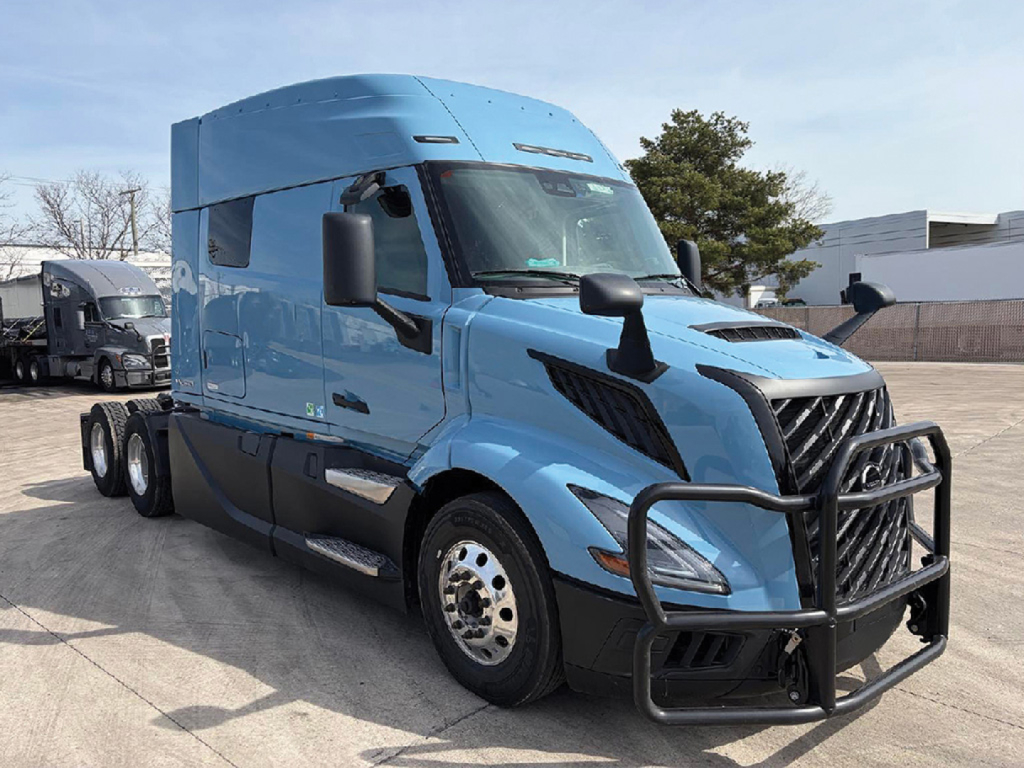
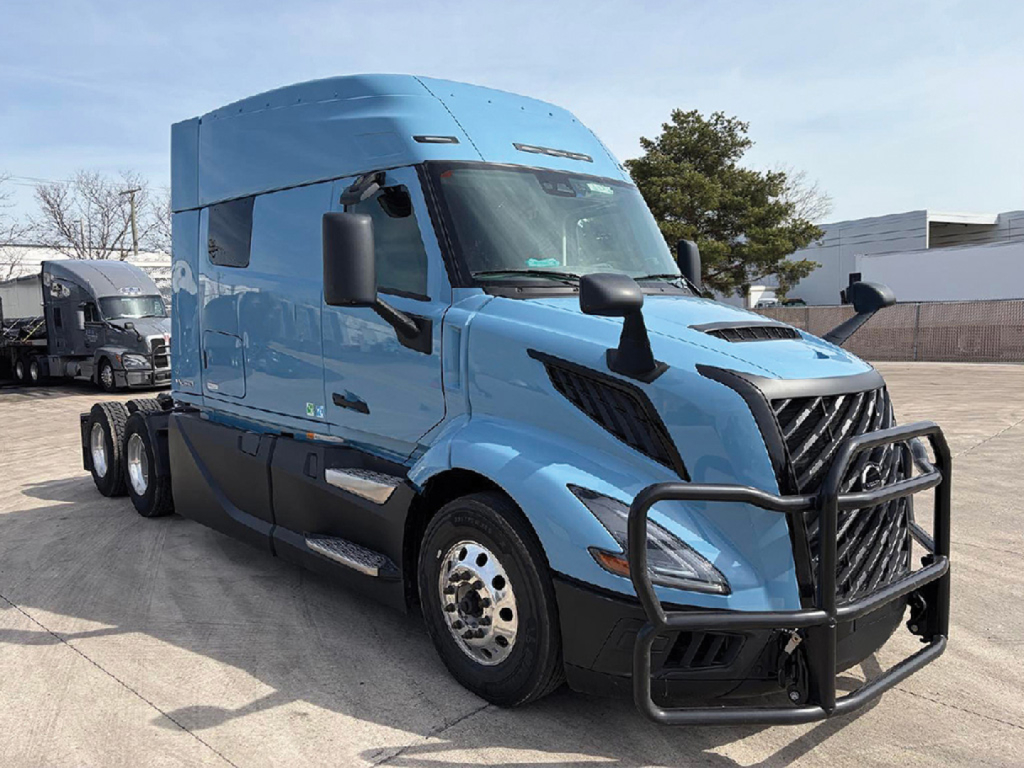
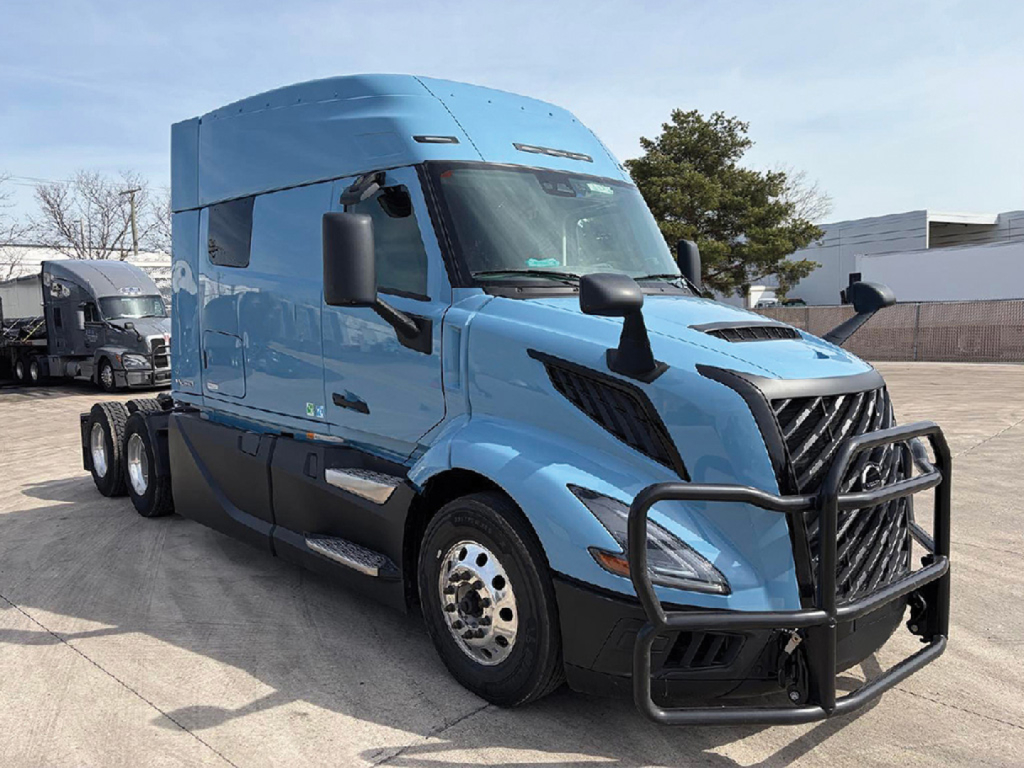
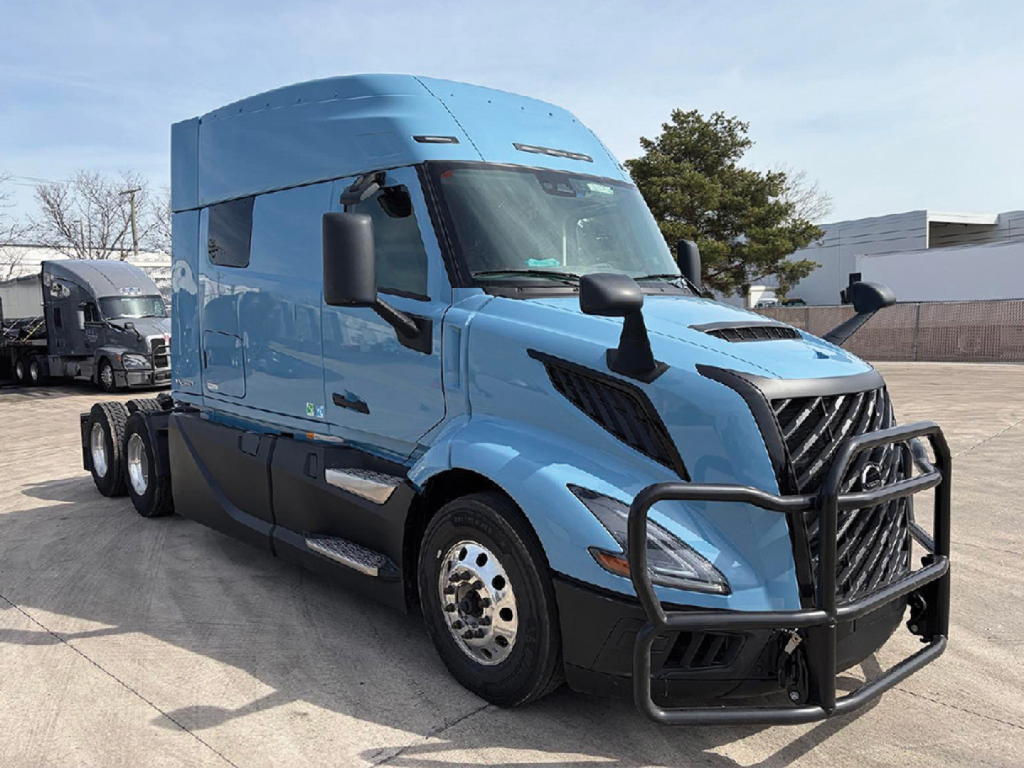
Have used 2026 volvo truck to sell? List it here to reach thousands of buyers.
Used 2026 Volvo Trucks in Illinois
Engine and drivetrain specs matter more than the badge on the hood. Many Volvo trucks are spec'd with the D11 or D13 diesel, commonly in the 405 to 455 horsepower range, paired with the Volvo I-Shift or overdrive variants such as the ATO2612F. That combination is popular because it balances fuel economy, drivability, and driver acceptance. Rear axle ratings around 40,000 pounds with 2.47 or 2.64 ratios are common in fleet specs and can tell you a lot about the truck’s intended duty cycle. Lower numerical ratios generally favor highway fuel economy, while the full spec should still be checked against tire size, transmission gearing, and average gross weight. Buyers in Illinois often pay close attention to disc brakes, engine brake performance, and collision mitigation features because these trucks may see a mix of interstate, suburban, and stop-and-go regional service.
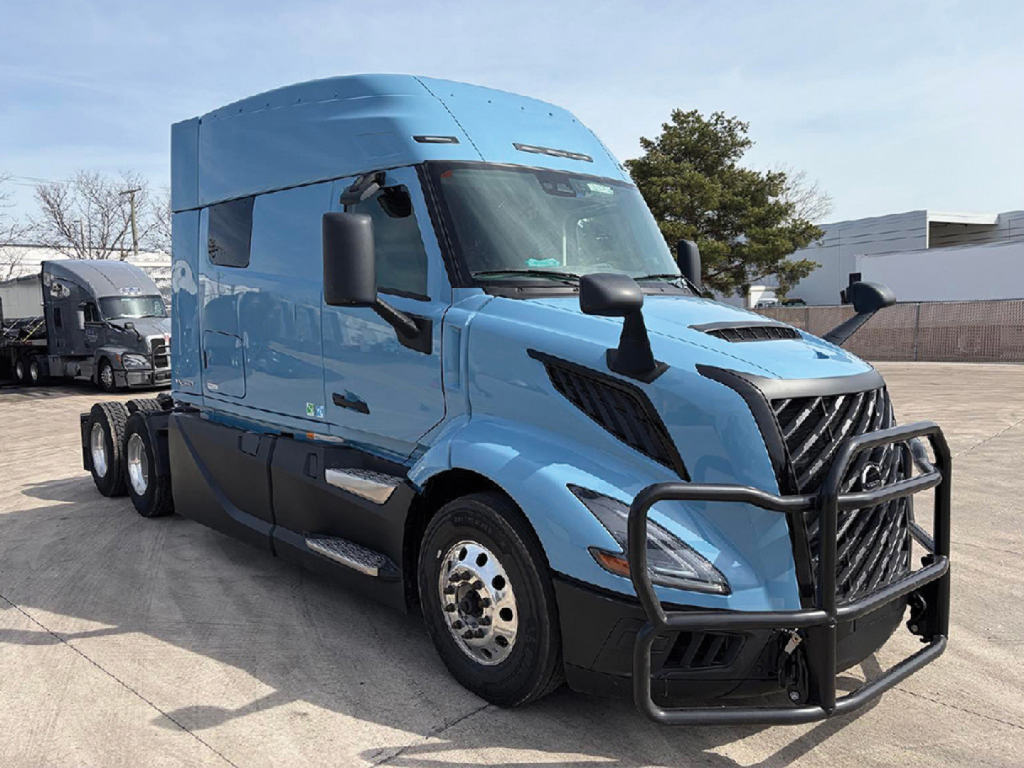
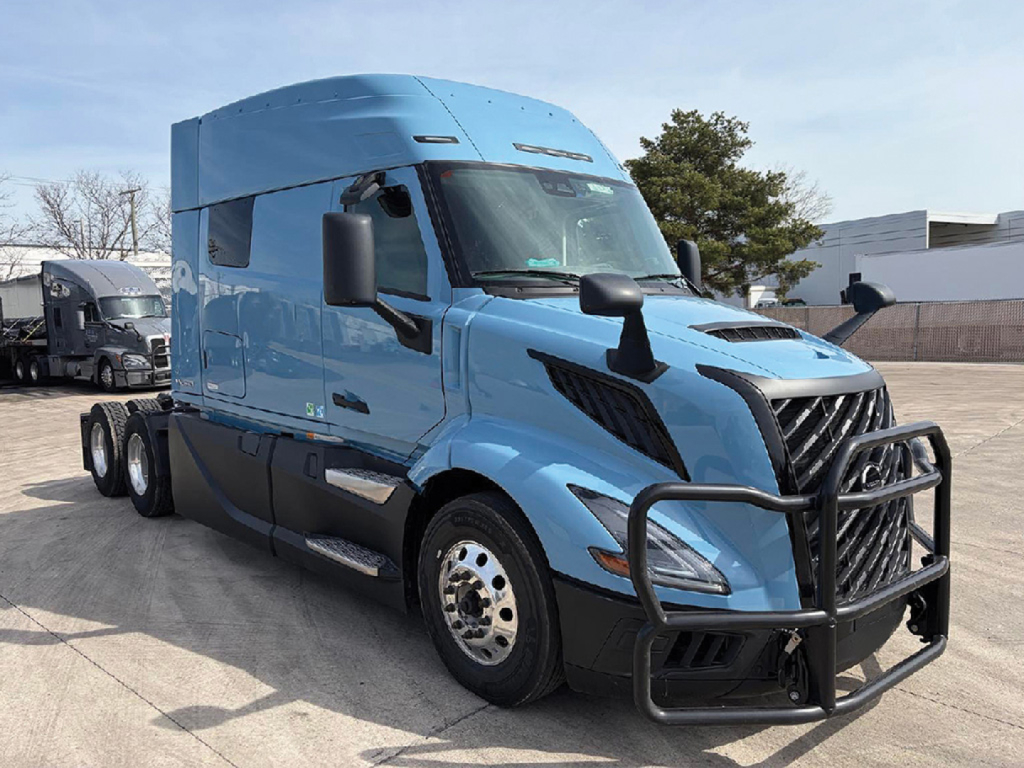
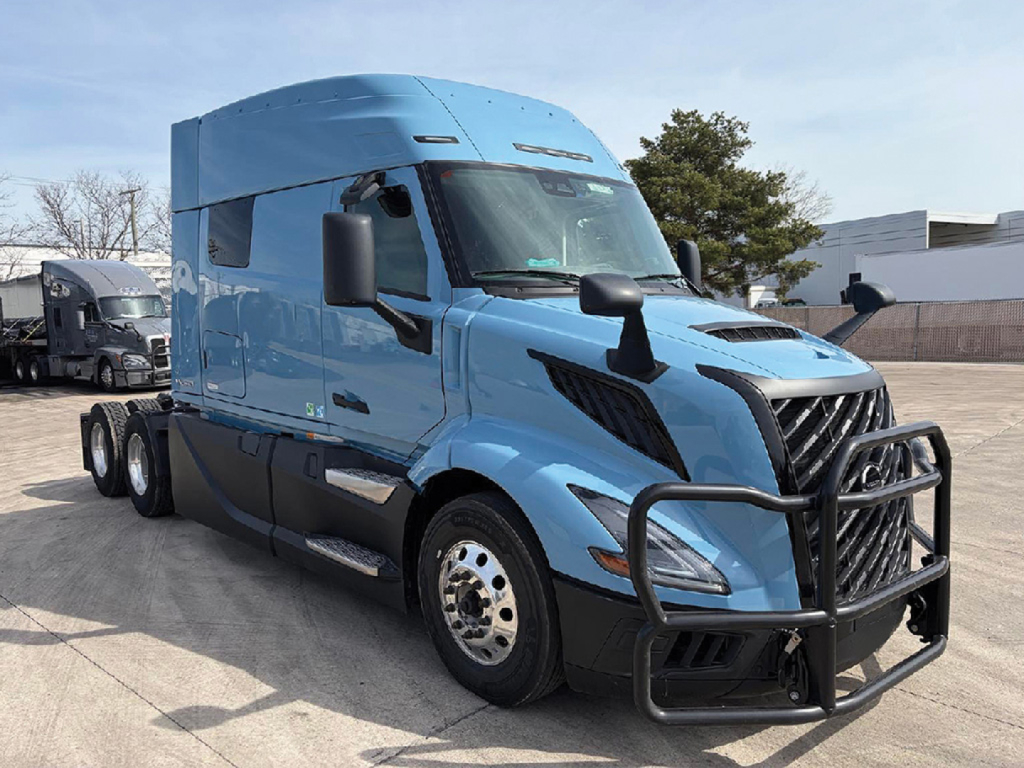
Cab and chassis details separate a good fit from an expensive mismatch. A VNR day cab with a wheelbase in the mid-170s to mid-180s is often easier to place in distribution, tanker, intermodal, or dedicated van operations where maneuverability matters. A VNL sleeper with a longer wheelbase and integrated side fairings is better suited to longer hauls where ride quality, bunk space, and fuel range carry more value. It is also worth checking if the truck has low-profile tires or super singles, aluminum wheels, full fairing packages, and air ride suspension, since those choices affect maintenance cost, tare weight, and lane application. Inside the cab, tilt-telescoping steering, power windows, cruise control, and updated driver-assist systems are more than convenience items. They can influence retention and reduce fatigue over a long ownership cycle.
For a used 2026 Volvo truck, condition review should focus on service history, fault codes, aftertreatment health, transmission calibration, and signs of lane-specific wear. Fifth wheel wear patterns, suspension condition, brake life remaining, and emissions-system maintenance are especially important on trucks that spent time in regional stop-and-go service. If the truck is intended for Illinois freight corridors, also confirm axle placement, wheelbase, and fairing configuration match bridge law, trailer swing clearance, and yard access requirements. A well-matched Volvo day cab or sleeper can be a strong platform for dry van, reefer, intermodal, or dedicated freight, but the best value comes from matching the spec to the work instead of buying on model year alone.
Frequently Asked Questions about Used 2026 Volvo Trucks in Illinois
What is the difference between a Volvo VNL and a Volvo VNR?
The Volvo VNL is generally the long-haul and over-the-road conventional, with sleeper options, larger cab layouts, and aerodynamic packages aimed at highway efficiency. The Volvo VNR is typically the regional-haul and urban-friendly platform, often with shorter wheelbases and tighter maneuverability for distribution, LTL, tanker, and dedicated route work. Both can be spec'd for highway use, so wheelbase, cab type, axle ratio, and fuel capacity usually tell the real story.
Is the Volvo I-Shift transmission a good choice in a used Volvo truck?
The Volvo I-Shift is widely regarded as a strong choice in used Class 8 Volvo trucks because it is common in fleet service, easy for most drivers to adapt to, and usually spec'd for fuel economy. The main concern is not whether it is automated, but whether it has been maintained and calibrated correctly. Buyers should review clutch and transmission service records, check for active codes, and confirm the gearing matches the truck’s intended lane and gross weight.
Which Volvo engine is more common for regional and highway applications, the D11 or D13?
The D11 and D13 are both common, but they serve slightly different priorities. The D11 is often chosen when weight savings and fuel efficiency are important, especially in regional applications. The D13 is the more common heavy-duty highway engine and is usually preferred when the truck will spend more time at higher gross weights or in broader linehaul service. Horsepower rating, torque, rear axle ratio, and transmission setup matter as much as engine family.
What should I inspect first on a used 2026 Volvo truck?
Start with maintenance history, diagnostic scan results, and aftertreatment condition. Then move to brake wear, tire condition, suspension components, fifth wheel condition, and any signs of frame or fairing damage. On a late-model truck, electronic safety systems, engine brake performance, and transmission behavior are also important because repairs in those areas can be costly if problems were deferred.
Are Volvo day cabs in Illinois a good fit for local and regional freight?
Yes, especially the VNR and shorter-wheelbase VNL day cab configurations. They are commonly used for regional van freight, container work, tanker applications, and terminal-to-terminal lanes where maneuverability and driver comfort both matter. Illinois operations often benefit from aerodynamic fairings, disc brakes, collision mitigation, and efficient axle ratios because routes can shift between interstate highway runs and dense suburban traffic in the same day.