
Used 2024 Commercial Trucks For Sale in Oklahoma
Browse used 2024 trucks for sale in Oklahoma, including day cabs, vocational trucks, and heavy-duty models with modern specs and emissions systems.

Selling a used 2024 commercial truck? List your used 2024 commercial truck for sale and reach thousands of commercial buyers.
Used 2024 Commercial Trucks in Oklahoma
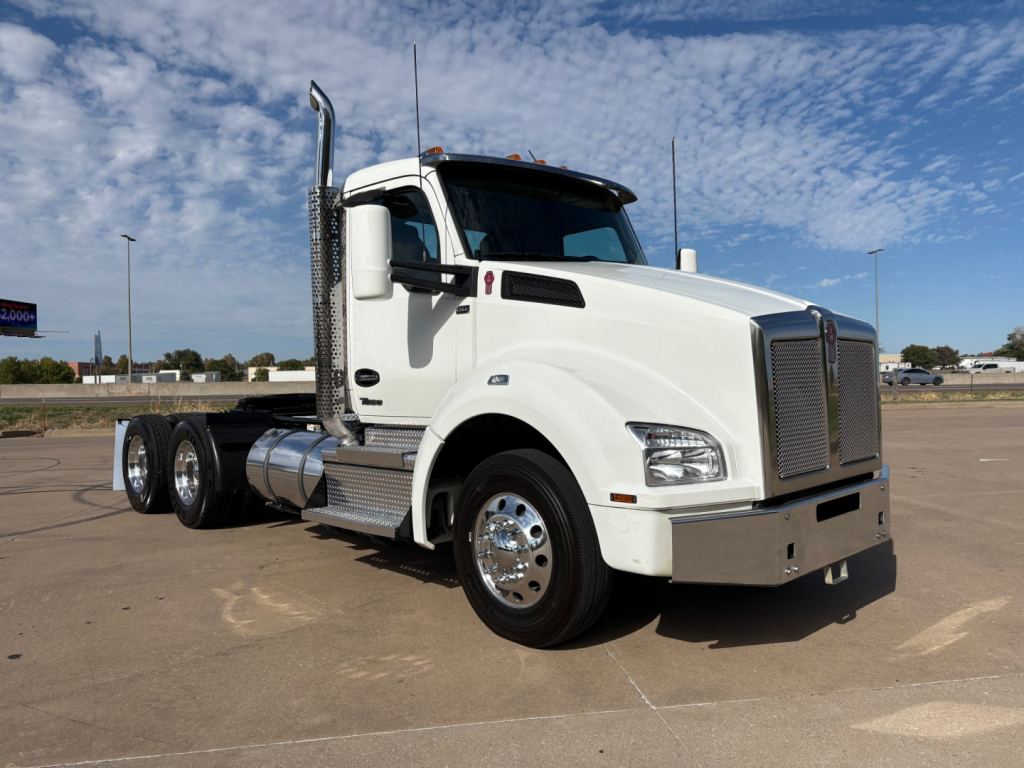
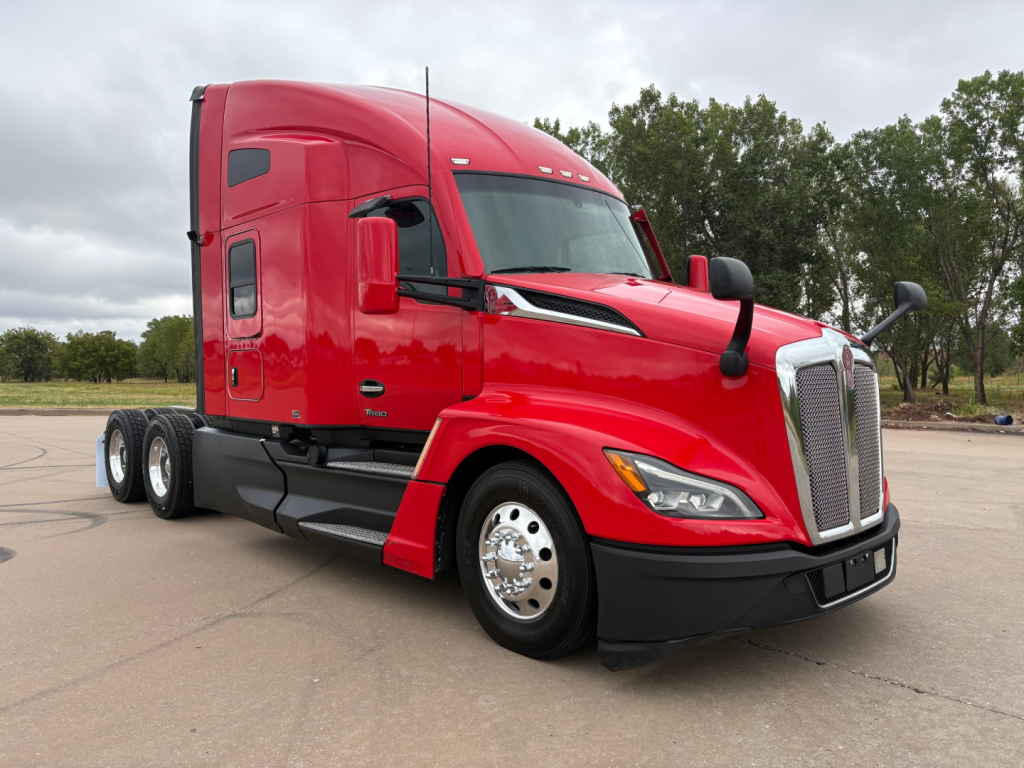
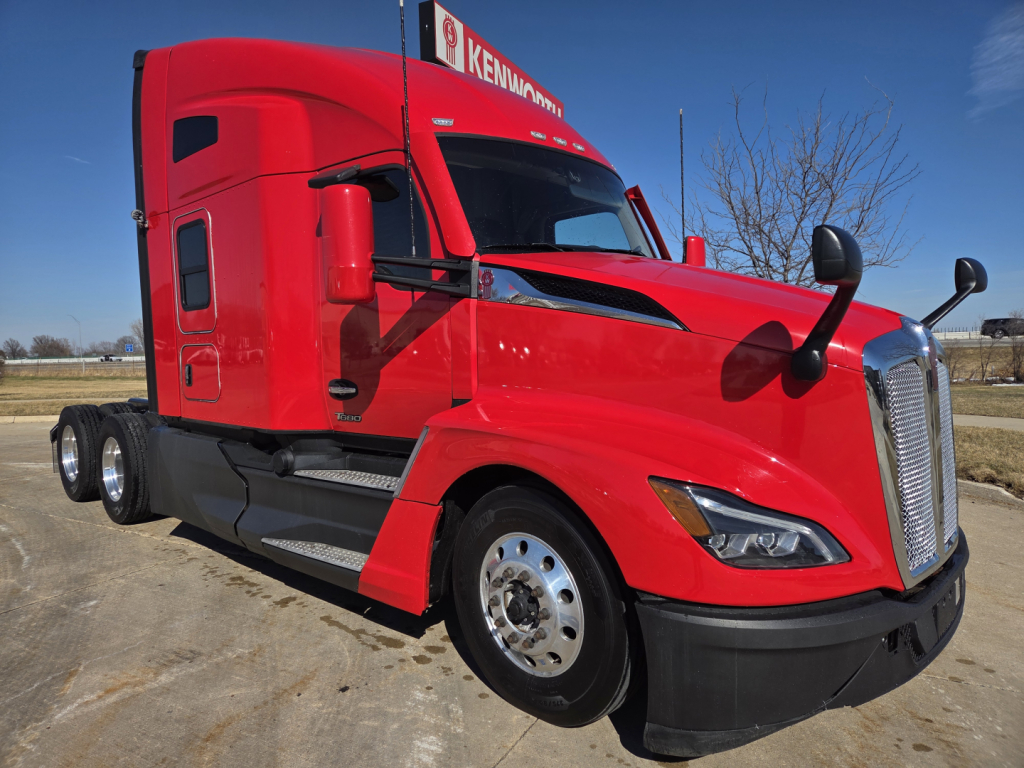
For over-the-road and regional tractor buyers, focus on engine rating, transmission type, rear axle ratio, wheelbase, and suspension. Late-model 2024 trucks commonly show automated manual transmissions, disc brake availability, aerodynamic packages, and telematics integration. In Oklahoma, where routes can include interstate miles, rural roads, energy-sector work, and stop-and-go urban service, gearing and wheelbase matter. A shorter wheelbase day cab is easier to place in tight yards and job sites, while a longer wheelbase tractor may better suit wet kit installations, PTO-driven applications, or fleets with specific trailer bridge and kingpin setting requirements. Front axle ratings, rear suspension type, and tire size should always match the intended payload and terrain.
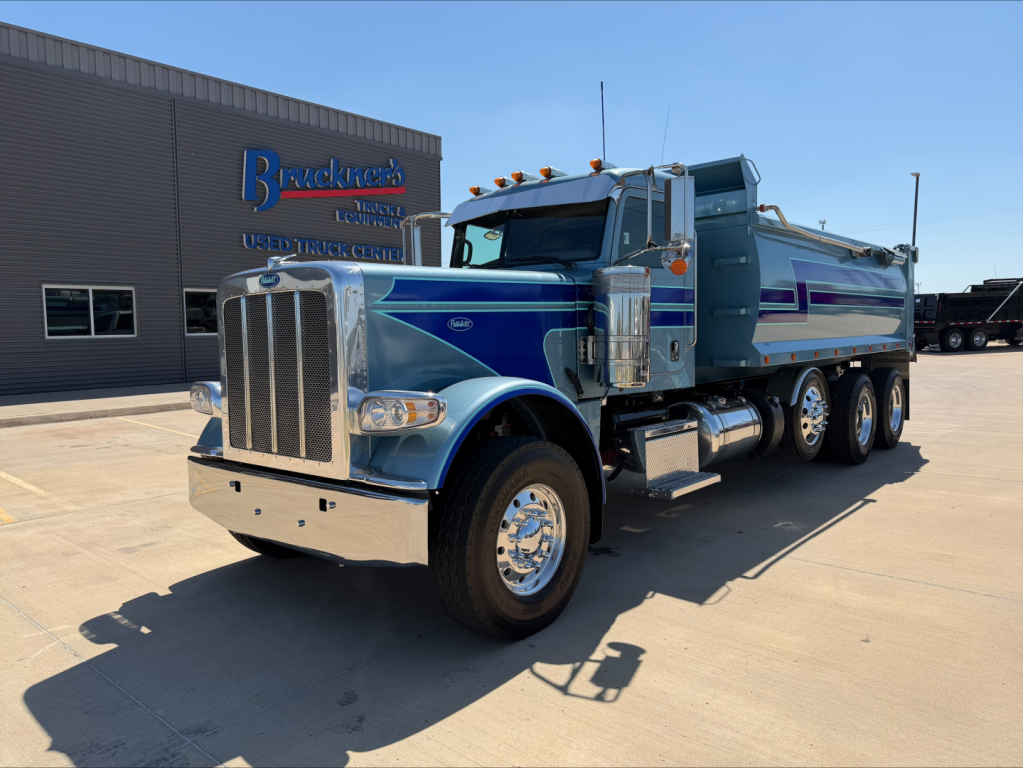
For vocational buyers, the truck chassis matters as much as the body equipment. Roll-off and other vocational 2024 trucks often carry heavier front axles, high-capacity rears, more aggressive ratios, and automatic transmissions suited to repetitive load cycles. Buyers should inspect PTO operation, frame condition, body upfit integration, and any signs of hard service around crossmembers, hoist mounts, and suspension hangers. On late-model used trucks, it is also smart to confirm aftertreatment history, idle hours, software campaign completion, and maintenance records. A clean-looking truck is helpful, but documented service history on the engine, transmission, DEF system, and brakes is what separates a strong used truck from one that only presents well.
Oklahoma buyers also tend to value practical durability over cosmetic extras. That means looking closely at axle ratings, brake spec, tire condition, wheel material, fuel capacity, and PTO or hydraulic provisions before comparing appearance packages. Popular makes in this market often include Freightliner, Mack, Kenworth, Peterbilt, International, and Volvo, with specs ranging from fuel-efficient fleet tractors to severe-duty vocational trucks. A used 2024 truck can be a strong buy when the configuration fits the work, the maintenance file supports the mileage and hours, and the chassis spec leaves enough capacity for the routes, loads, and duty cycle the truck will actually see.
Frequently Asked Questions about Used 2024 Commercial Trucks in Oklahoma
What should I check first on a used 2024 truck in Oklahoma?
Start with the truck's application-specific spec sheet and maintenance history. Confirm engine model and horsepower, transmission type, axle ratings, wheelbase, rear axle ratio, suspension, brake configuration, and any PTO or hydraulic equipment. Then review service records for oil changes, aftertreatment work, software updates, and warranty-related repairs. In Oklahoma, many trucks see a mix of highway miles, dust, heat, and vocational service, so condition underneath the cab and around the frame is just as important as the odometer reading.
Is a used 2024 truck a good choice compared with an older used truck?
A used 2024 truck can be a strong value because it offers newer emissions components, updated driver-assist technology, and current drivetrain options while avoiding the cost of a brand-new unit. Buyers may also benefit from lower total wear on the chassis, interior, and electrical systems. The key is not just age, but spec and service history. A properly maintained late-model truck with the right axle, wheelbase, and transmission setup will usually outperform an older truck that is cheaper up front but mismatched to the job.
What is the best transmission for a used 2024 truck?
That depends on the truck's duty cycle. Automated manual transmissions are common in 2024 model trucks and work well for highway, regional haul, and many fleet applications because they help with fuel economy and driver consistency. Full automatic transmissions are often preferred in vocational work such as roll-off, refuse, and construction because they handle frequent stops, PTO work, and low-speed maneuvering more smoothly. A manual still has appeal for some operators, but in late-model used inventory, automated and automatic options dominate.
How important are axle ratio and wheelbase on a used 2024 truck?
They are critical because they directly affect startability, cruising RPM, maneuverability, and how the truck performs with a specific trailer or body. A tall rear ratio may be efficient on the highway but less effective in heavy vocational use or off-pavement work. A shorter wheelbase improves turning radius, while a longer wheelbase may be needed for bridge law compliance, body installation, or wet kit clearance. These are not minor details. They determine whether the truck will actually fit the route structure and payload demands.
What makes a used 2024 vocational truck different from a highway tractor?
A vocational truck is typically built with heavier-duty chassis components and job-specific upfit compatibility. That often includes higher front axle ratings, heavier rear axles, stronger frames, PTO provisions, aggressive rear ratios, and transmission choices suited to repetitive stop-and-go service. A highway tractor is generally optimized for freight efficiency, ride quality, and road speed. Buyers comparing the two should pay close attention to frame spec, suspension, body or hoist integration, and the truck's intended operating environment rather than assuming one heavy-duty truck is interchangeable with another.