
Used 2024 Kenworth Trucks For Sale in Oklahoma
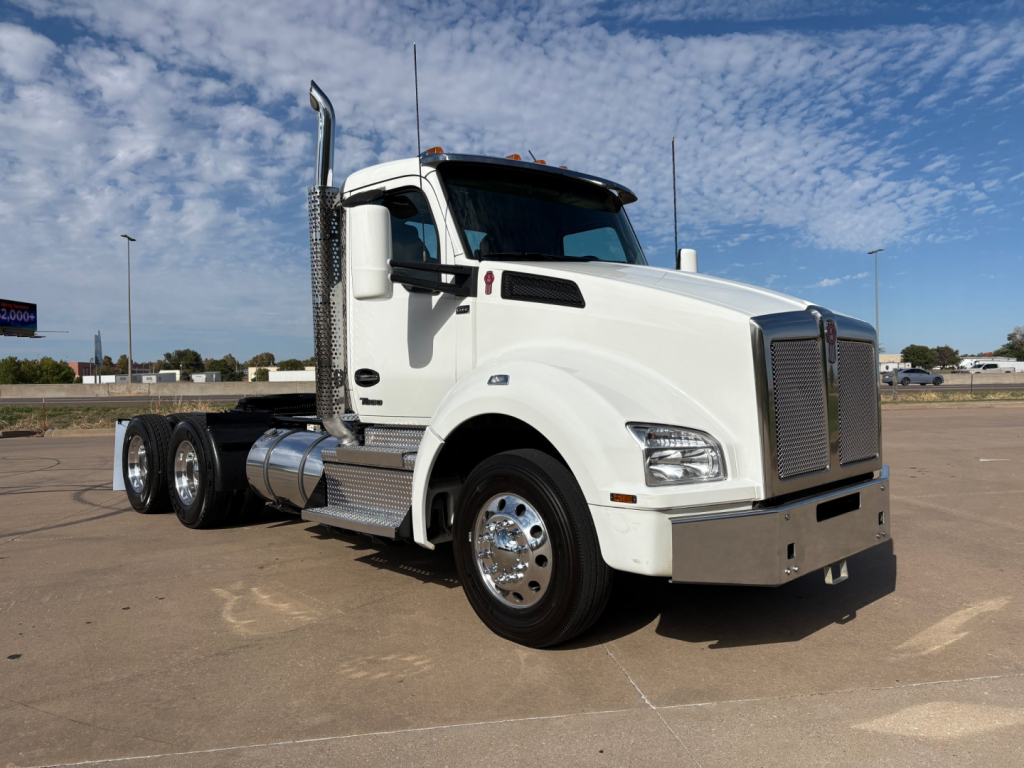
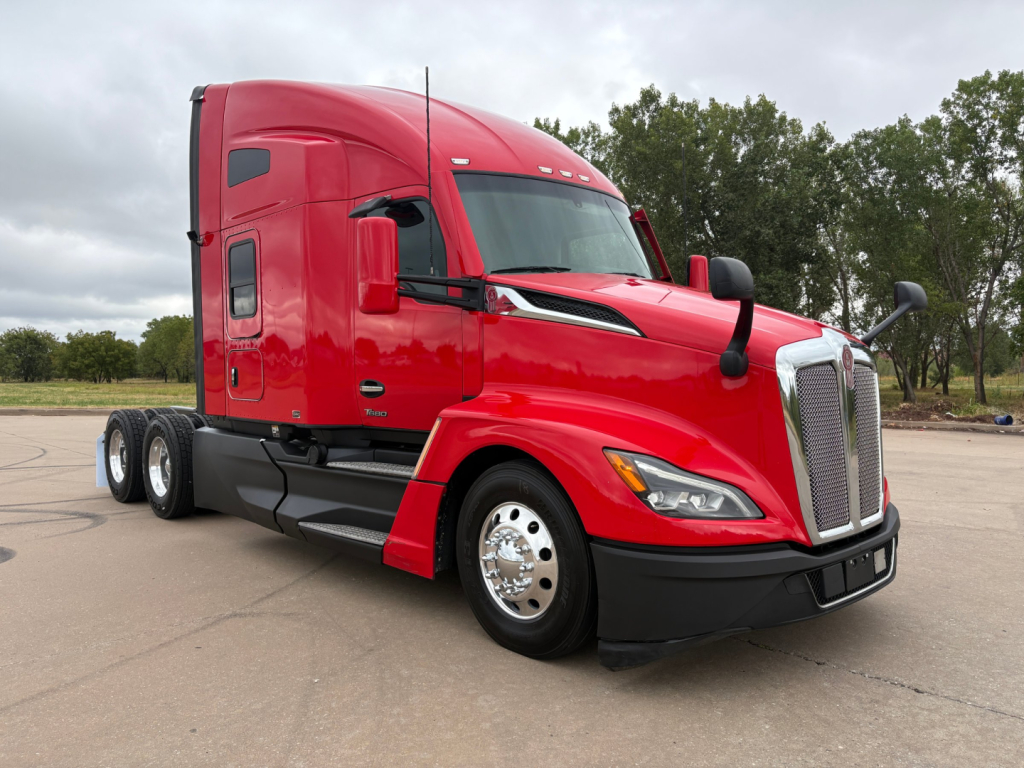
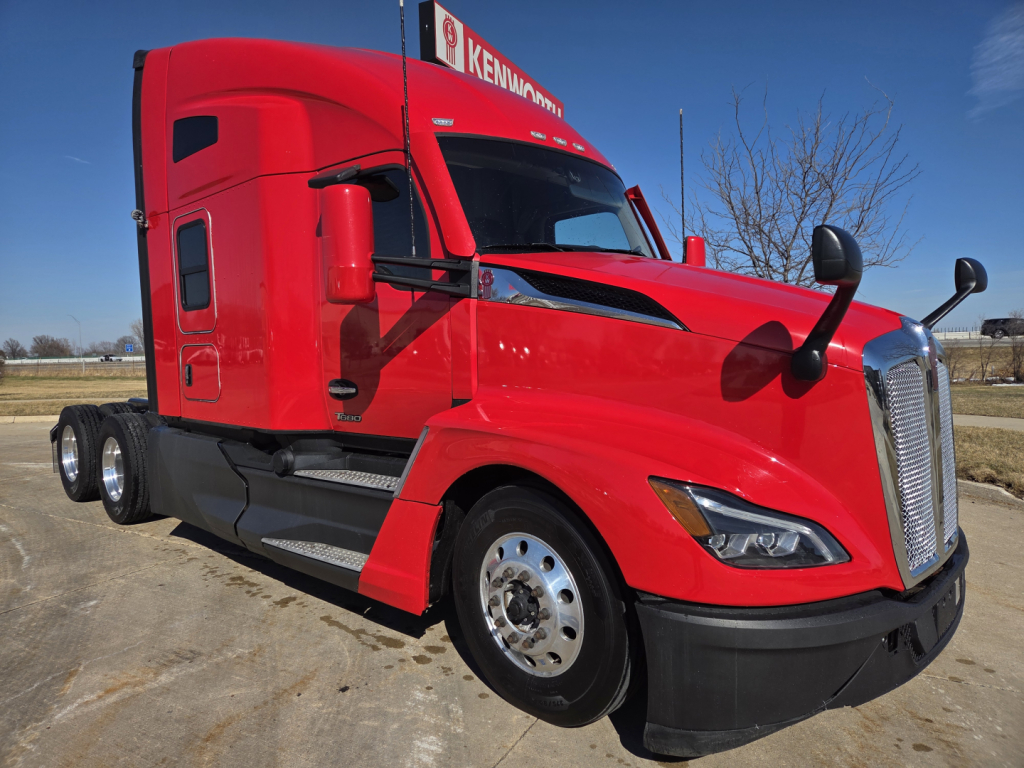
Used 2024 Kenworth trucks for sale in Oklahoma: compare T680 and T880 specs, emissions history, axle ratings, and suitability for highway or oilfield work.

Selling a used 2024 kenworth truck? List your used 2024 kenworth truck for sale and reach thousands of commercial buyers.
Used 2024 Kenworth Trucks in Oklahoma
The 2024 T680 belongs to Kenworth's newer aerodynamic generation, with digital instrumentation and bodywork designed around highway efficiency. Heavy-duty Kenworth diesels commonly use a Cummins X15 or PACCAR MX-13, paired with an automated or manual transmission according to the model and build specification. These trucks use DPF and SCR aftertreatment with DEF, making emissions-system condition a major ownership consideration. Verify the engine emissions label and factory build sheet because chassis model year alone does not identify the engine calibration, transmission gearing, or every installed component.
Match axle ratings, suspension, tires, and wheelbase to the actual load before choosing horsepower. A highway-oriented tandem tractor can be poorly suited to repeated starts on soft oilfield approaches, even with a powerful engine. For straight trucks, obtain an empty scale weight with the installed body and equipment, then calculate payload against GVWR, individual axle ratings, tire capacity, and applicable road limits.
A used 2024 truck can already have substantial engine hours and drivetrain wear, so inspect records rather than relying on its recent model year. Compare ECM mileage and hours with the odometer, service invoices, idle history, and any engine or transmission replacements. Request active and inactive fault reports, regeneration history, DPF cleaning records, and documentation for NOx sensor or DEF-system repairs. A cold start and loaded road test should check oil pressure, cooling performance, shift quality, driveline vibration, and brake operation. Inspect fifth-wheel mounting, suspension bushings, wheel seals, steering joints, and frame rails for wear or evidence of repair.
I-35, I-40, and I-44 highway work favors different gearing and cab arrangements than short-cycle agricultural or energy-sector service. Oklahoma heat and dusty access roads justify checking radiator and charge-air-cooler stacks for blockage, air-filter restriction, and fan operation under load. Inspect roofs and cab seams for hail damage and water intrusion, and trace previous operating territory before judging corrosion exposure. A truck offered in Oklahoma may have spent its working life on salted roads elsewhere.
Frequently Asked Questions about Used 2024 Kenworth Trucks in Oklahoma
Is a 2.79 rear axle ratio right for a 2024 Kenworth hauling in Oklahoma?
A 2.79 rear axle ratio can suit highway-oriented 2024 Kenworth tractors, but transmission gearing and tire size must match the job. Calculate engine rpm at cruising speed using the actual top-gear ratio and tire revolutions per mile. For loaded starts on grades or loose oilfield roads, evaluate first-gear reduction and startability as well. An overdrive transmission and a direct-drive transmission produce different results with the same axle ratio.
How much weight can a 2024 Kenworth tractor legally haul in Oklahoma?
A five-axle Kenworth tractor-trailer operating on Oklahoma Interstates normally has an 80,000-pound gross limit, subject to axle limits and the federal Bridge Formula. Standard Interstate limits include 20,000 pounds on a single axle and 34,000 pounds on a tandem. Actual legal weight can be lower because of axle spacing, equipment ratings, posted restrictions, or tire capacity. Eligible overweight movements require the appropriate permits and approved routing.
Does a used 2024 Kenworth still have factory warranty?
The original in-service date and accumulated mileage determine whether a used 2024 Kenworth has remaining factory coverage. Engine hours can also affect certain coverage terms. Have an authorized service provider verify coverage by VIN and engine serial number, including separate engine, aftertreatment, transmission, and chassis provisions. Obtain written confirmation of expiration limits, transfer requirements, deductibles, and exclusions rather than treating an advertised warranty term as proof of remaining protection.
Can I add a wet kit to a used 2024 Kenworth tractor?
Most wet-kit installations on a used 2024 Kenworth tractor require a transmission-compatible PTO, hydraulic pump, reservoir, and controls. Verify the exact transmission model, PTO opening, torque rating, and required electronic programming before ordering components. An end-dump trailer and a walking-floor trailer can require different hydraulic flow, pressure, plumbing, and cooling arrangements. Check frame space, tank clearance, fifth-wheel position, and added empty weight before approving the installation.
What should I inspect on a 2024 Kenworth with collision mitigation or lane warnings?
Sensor alignment and documented calibration are key inspection points on a used 2024 Kenworth equipped with collision mitigation or lane-departure warning. Windshield replacement, front-end repairs, or ride-height changes can trigger calibration requirements under the system manufacturer's procedures. Confirm the installed equipment, scan its control modules for faults, and have a qualified technician verify operation. A clean dashboard does not establish that the radar or camera is correctly aligned.