
Used 2022 Commercial Trucks For Sale in Pennsylvania
Browse used 2022 trucks in Pennsylvania, including day cabs, sleepers, utility trucks, and vocational models with modern specs.
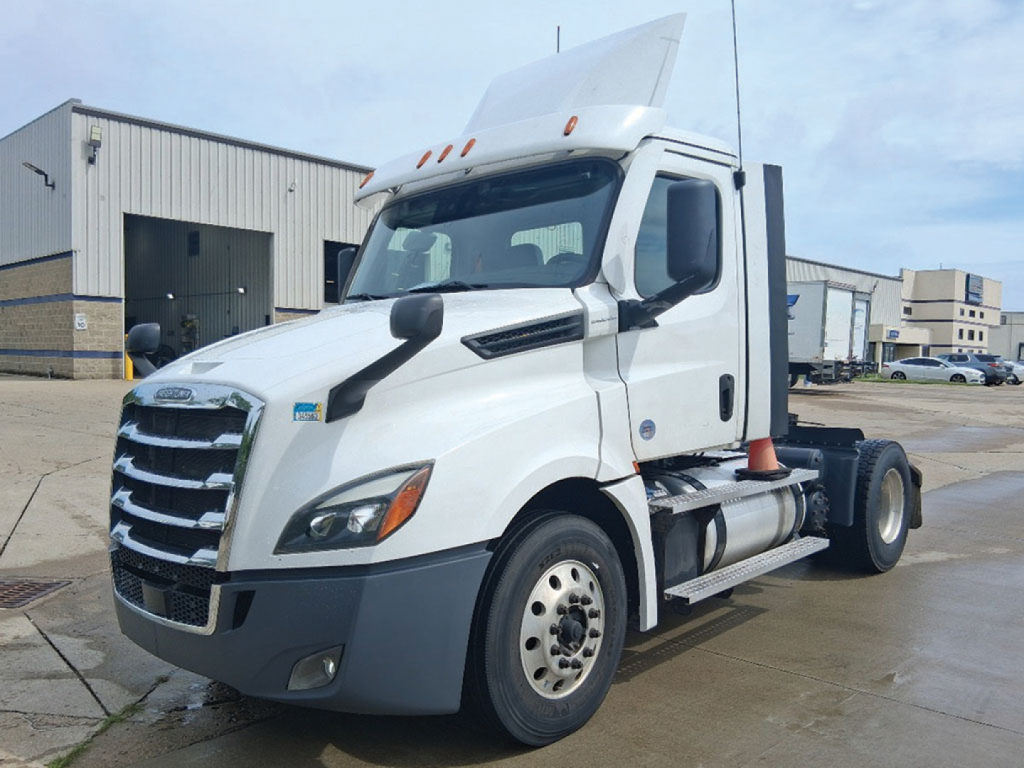
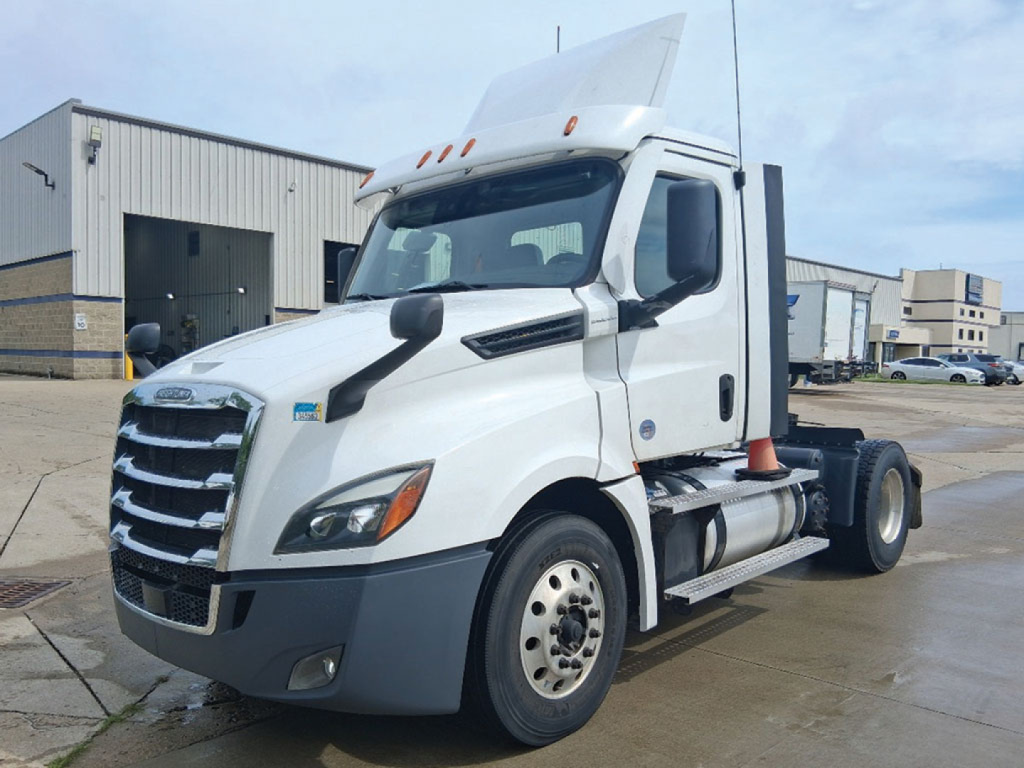
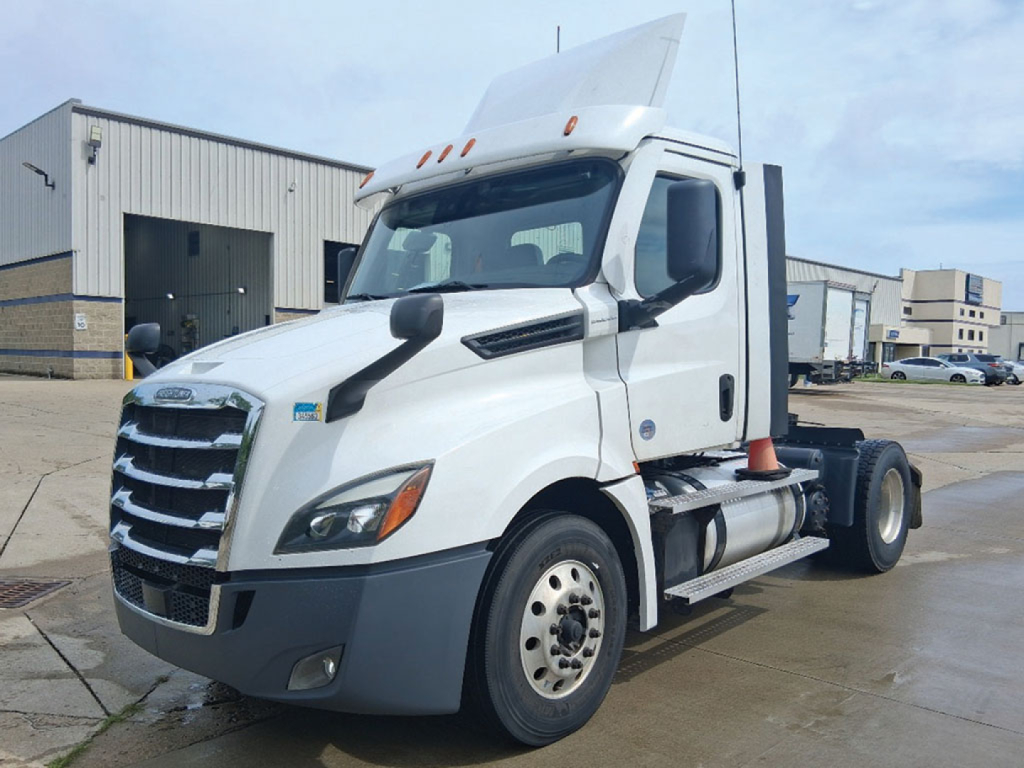
Have used 2022 commercial truck to sell? List it here to reach thousands of buyers.
Used 2022 Commercial Trucks in Pennsylvania
For highway tractors, common configurations include conventional day cabs and sleeper trucks with 12-speed automated manuals, 6x4 tandem rear axles, and engines in the 400 to 500 horsepower range from Cummins, PACCAR, Detroit, or Volvo. Rear axle ratios often trend toward fuel economy on linehaul units and lower gearing on heavier vocational or regional applications. Wheelbase, fifth wheel type, fuel capacity, suspension, and brake spec all matter because they affect bridge law compliance, turning radius, ride quality, and trailer compatibility. On sleeper models, buyers should pay attention to bunk size, APU presence, inverter setup, refrigerator prep, and fairing condition because those items directly affect driver retention and operating cost.
For medium-duty and vocational 2022 trucks, the decision usually comes down to body type and PTO readiness as much as chassis brand. Service trucks, utility bodies, dump trucks, hooklift trucks, flatbeds, box trucks, and landscape bodies can all fall into this year range, and each has a different ideal axle rating, frame section, and cab-to-axle dimension. In Pennsylvania, corrosion exposure matters, so it is smart to inspect frame rails, crossmembers, brake lines, battery boxes, body mounts, and underbody hardware for rust or repair history. On any used 2022 truck, buyers should also review aftertreatment service records, idle hours versus engine hours, tire wear patterns, alignment history, and signs of regen-related downtime.
A good 2022 truck should still offer modern productivity with manageable age and depreciation. Focus on engine and transmission pairing, axle ratings, suspension type, maintenance history, and the truck’s prior application. A linehaul sleeper spec is very different from a municipal utility truck or a local delivery chassis, even if the model year is the same. The best buy is usually the truck with the clearest service record, the right wheelbase and axle setup for the job, and a spec that fits the lane instead of forcing the operation to adapt around the truck.
Frequently Asked Questions about Used 2022 Commercial Trucks in Pennsylvania
What should I check first on a used 2022 truck?
Start with the service history, engine hours, idle hours, and fault code history. On a 2022 truck, buyers should closely review emissions-related maintenance, including DPF cleaning intervals, DEF system repairs, sensors, and any aftertreatment downtime. After that, inspect tire wear, brake condition, suspension wear points, frame condition, and signs of collision or body repair. A newer model year does not replace the need for a full mechanical inspection and ECM review.
Are 2022 trucks a good value compared with newer models?
For many fleets and owner-operators, 2022 trucks can be a strong value because they still offer modern drivetrains, current cab technology, and late-model safety features at a lower acquisition cost than new equipment. The key is confirming that the truck has been maintained correctly and that any factory warranty expiration has been offset by condition and price. A well-documented 2022 truck often makes more financial sense than stretching for a newer unit with similar capability.
What truck specs matter most for Pennsylvania operations?
Pennsylvania buyers should pay close attention to corrosion exposure, hill-climbing performance, and vocational suitability. Axle ratio, horsepower, engine brake performance, and transmission calibration matter more in mixed terrain than they do in flat interstate lanes alone. Buyers should also inspect for rust on frame components, underbody hardware, and body mounts because road treatment and winter use can accelerate corrosion even on relatively new trucks.
Is an automated manual transmission common in 2022 trucks?
Yes. By 2022, automated manual transmissions were common across highway tractors and increasingly common in regional and vocational applications. They help with driver availability, fuel economy consistency, and reduced clutch wear. Buyers should still confirm software updates, clutch life data where available, and how the transmission was spec'd with the rear axle ratio, because drivability depends on the full drivetrain combination rather than the transmission alone.
How do I choose between a 2022 sleeper truck and a 2022 day cab?
The choice depends on haul length, customer dwell time, and driver schedule. A sleeper is typically the better fit for over-the-road, irregular-route, or multi-day regional work where bunk access, storage, and idle-reduction equipment matter. A day cab usually makes more sense for local, dedicated, drayage, or terminal-based freight where shorter wheelbase, lower weight, and easier maneuverability improve productivity. The best decision comes from matching the cab configuration to the freight lane, not just the purchase price.