
Used 2021 Commercial Trucks For Sale in South Carolina
Used 2021 commercial trucks for sale in South Carolina: compare duty-cycle specs, emissions history, axle ratings, and coastal corrosion before buying.
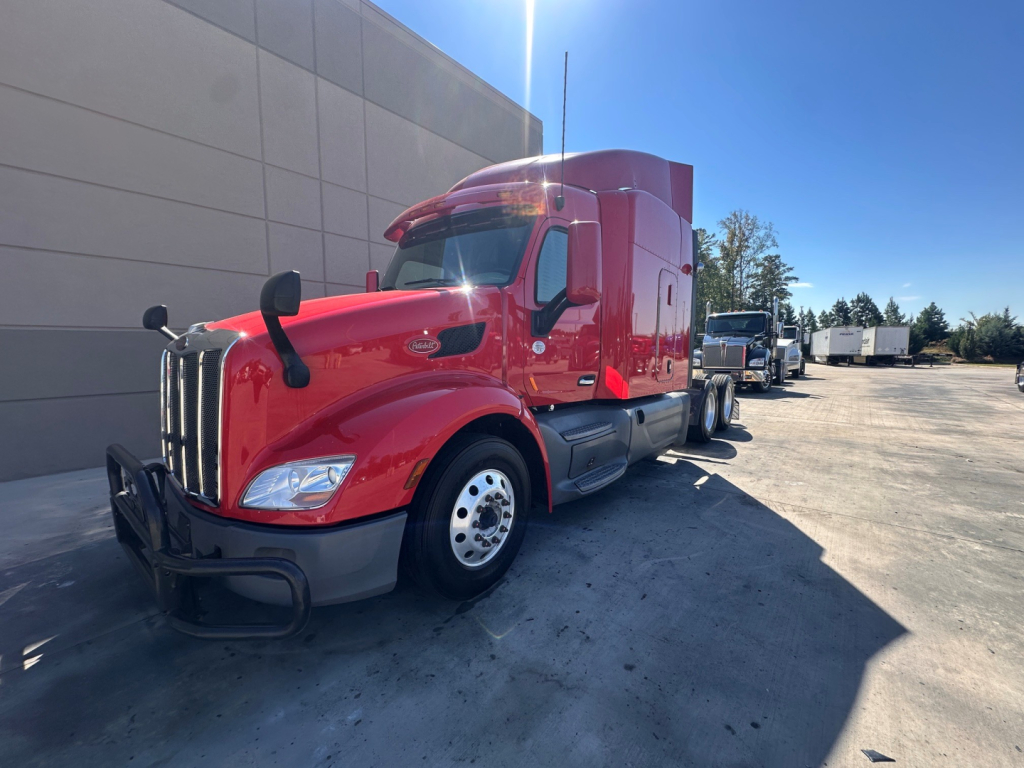
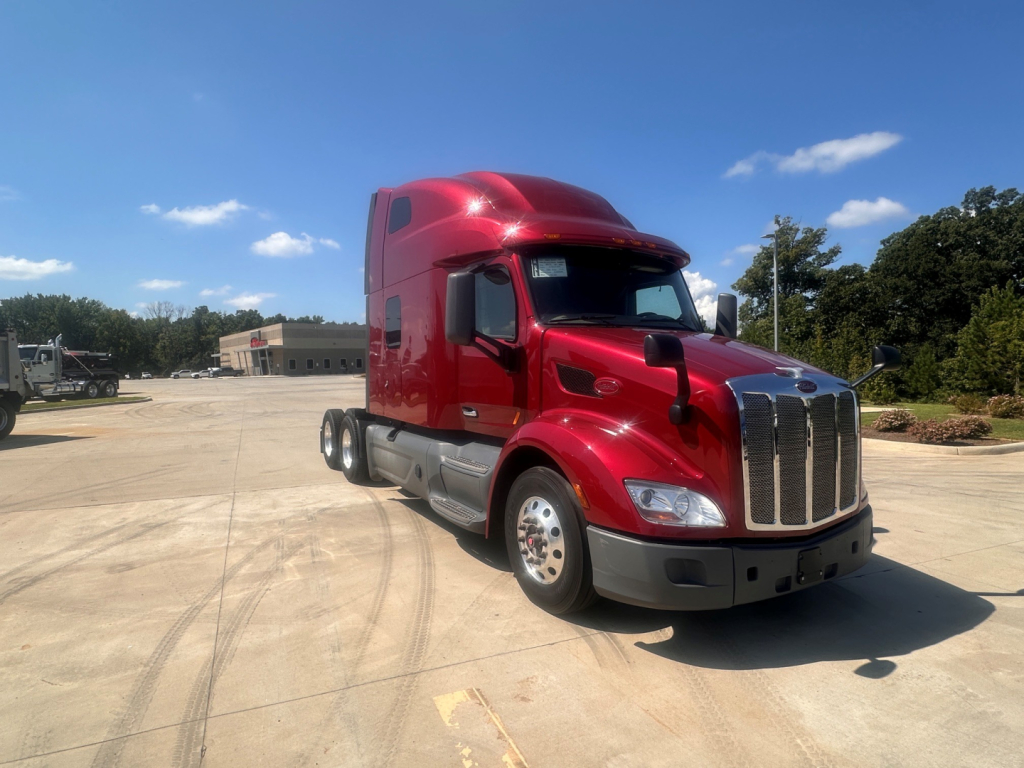
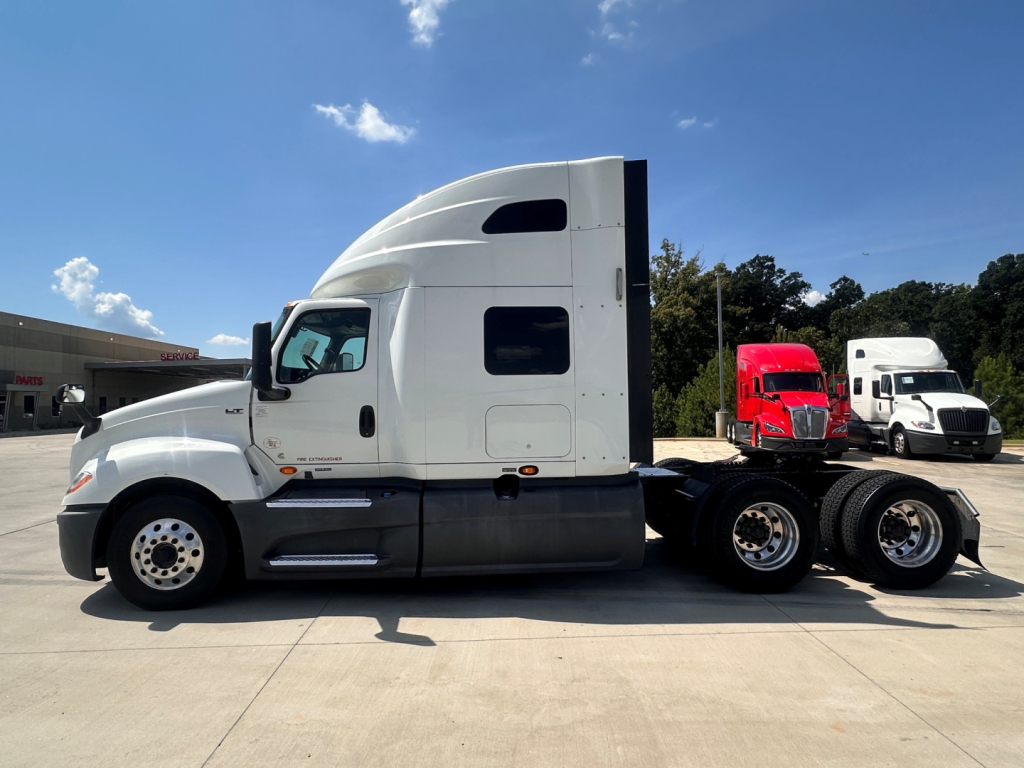

Looking for the easiest place to sell your used 2021 commercial truck? List it here to reach thousands of buyers.
Used 2021 Commercial Trucks in South Carolina
A highway tractor's engine, transmission, rear axle ratio, and tire diameter must work together at the intended cruising speed and gross combination weight. Common 2021 highway combinations include Freightliner Cascadia trucks with Detroit DD13 or DD15 engines, Peterbilt 579 tractors with PACCAR MX-13 or Cummins X15 power, and International LT tractors with the X15. Freightliner M2, International MV, and Isuzu N-Series chassis serve vocational and delivery applications with different weight ratings and body options. For straight trucks, usable payload starts with GVWR minus actual completed-truck weight, including the body, liftgate, fuel, and equipment.
The 2021 model year falls at the start of EPA Phase 2 greenhouse-gas standards for heavy-duty trucks. Most highway diesel configurations use a diesel particulate filter and SCR system with DEF; gasoline trucks do not share that aftertreatment layout. Request engine and aftertreatment diagnostic reports showing mileage, engine hours, idle time, active faults, and regeneration history where recorded. Repeated parked regenerations warrant diagnosis, not an assumption that another cleaning will solve the problem. Maintenance records should establish whether DPF servicing, DEF-system repairs, cooling-system work, and automated-transmission clutch maintenance followed the manufacturer's requirements for that duty cycle.
Coastal salt exposure and South Carolina's heat and humidity make frame condition, electrical connectors, air conditioning, and cooling capacity worthwhile inspection priorities. Examine radiator and charge-air-cooler fins, pressure-test the cooling system, and inspect battery trays, cab mounts, brake plumbing, and frame crossmembers. South Carolina registration does not establish where a used truck previously worked. Northern fleet service can leave road-salt damage beneath fresh paint, while prolonged local idling can produce substantial engine wear without high odometer mileage.
Vocational specifications deserve a separate check before purchase: wheelbase, axle ratings, suspension, PTO provisions, hydraulic capacity, and body mounting must suit the intended load and worksite. Inspect dump-body hinges and hoists, liftgate operation, and service-body attachment points where fitted. A loaded road test is more revealing than an empty parking-lot drive for shift quality, braking, steering, and cooling performance. Verify the original build sheet and recall status rather than assuming every 2021 truck carries identical equipment.
Frequently Asked Questions about Used 2021 Commercial Trucks in South Carolina
Is a 2.79 or 2.85 rear axle ratio suitable for a 2021 highway tractor?
Transmission top gear is the first specification to verify before choosing a 2.79 or 2.85 rear axle ratio in a 2021 highway tractor. Direct-drive and overdrive transmissions produce different cruise RPM with the same axle gearing. Confirm tire size, intended road speed, and the engine manufacturer's recommended operating range. For South Carolina container work or heavier vocational loads, test loaded launch performance and grade capability rather than choosing gearing solely for highway fuel economy.
What CDL do I need to drive a used 2021 commercial truck in South Carolina?
A single commercial truck with a GVWR or actual gross weight of 26,001 pounds or more generally requires a Class B CDL in South Carolina. A combination rated or weighing 26,001 pounds or more generally requires Class A when the towed vehicle exceeds 10,000 pounds. Passenger or hazardous-material operations can require a CDL below those weight thresholds. Air-brake testing and transmission restrictions also matter, so match the driver's license to the truck's equipment and intended operation.
Can a 2021 tandem-axle tractor haul 80,000 pounds in South Carolina?
A properly configured five-axle tractor-trailer can generally operate at 80,000 pounds gross on South Carolina Interstate highways, subject to axle limits and the federal bridge formula. Standard federal limits are 20,000 pounds on a single axle and 34,000 pounds on a tandem. A 2021 tractor's axle ratings alone do not establish legal loading. Trailer axle spacing, fifth-wheel position, tire ratings, posted bridges, and restrictions on the complete route must also be checked.
How can I spot flood damage in a used South Carolina commercial truck?
Silt inside cab cavities and corrosion in protected electrical connectors are stronger flood-damage warnings than exterior rust on a used South Carolina commercial truck. Inspect beneath floor coverings, behind lower dash panels, inside fuse boxes, and around seat bases for sediment, water lines, or inconsistent replacement parts. Check axle and transmission lubricants for contamination. A clean title or functioning engine does not establish that a truck avoided flooding, so combine physical inspection with ownership and insurance-history checks.
Could a used 2021 commercial truck still have factory warranty coverage?
Factory warranty coverage on a used 2021 commercial truck must be verified by VIN, original in-service date, mileage, and engine hours. Base vehicle, engine, emissions, and purchased extended coverage can have different limits and transfer requirements. Obtain written confirmation from the manufacturer or authorized service provider before relying on coverage. Also check whether previous repairs, maintenance documentation, or unauthorized engine programming affect eligibility, and distinguish a seller's service contract from a manufacturer's warranty.