
Used 2021 Conventional Sleeper Trucks For Sale in South Carolina
Used 2021 conventional sleeper trucks for sale in South Carolina: compare gearing, aftertreatment history, sleeper comfort, and coastal corrosion.
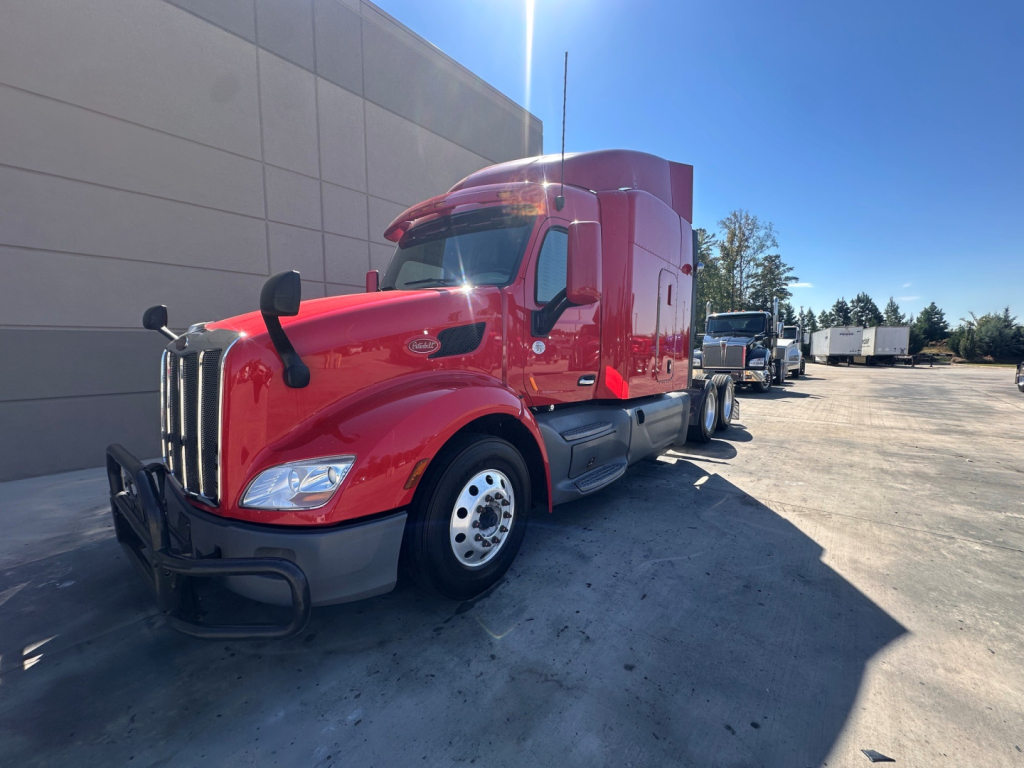
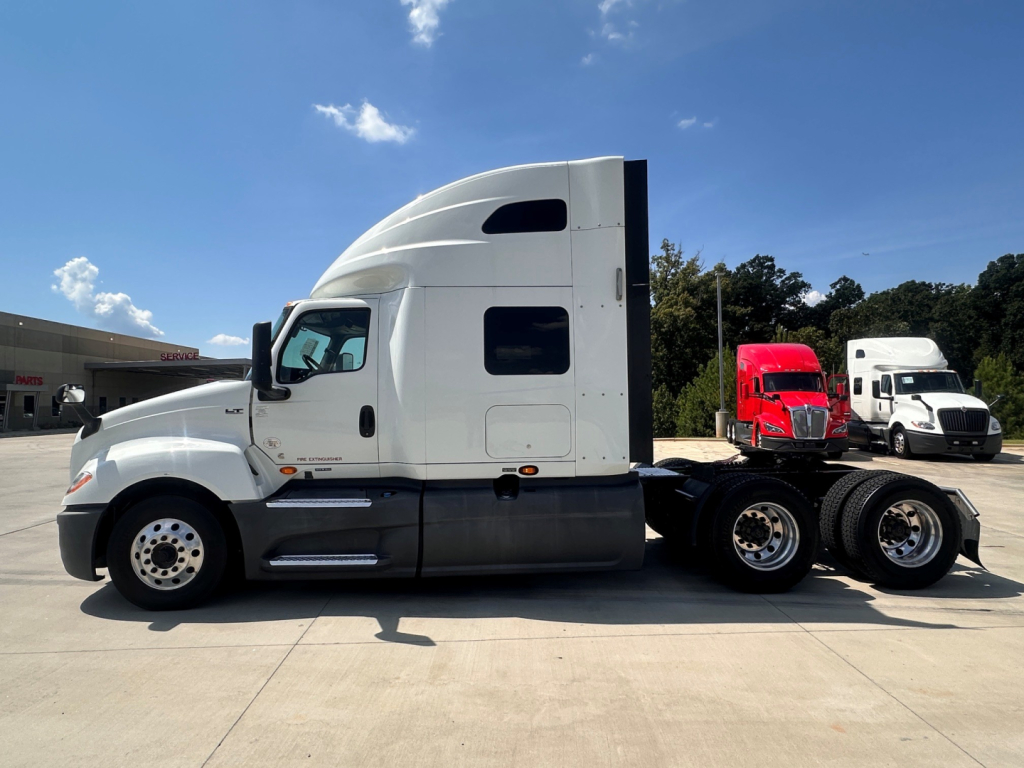
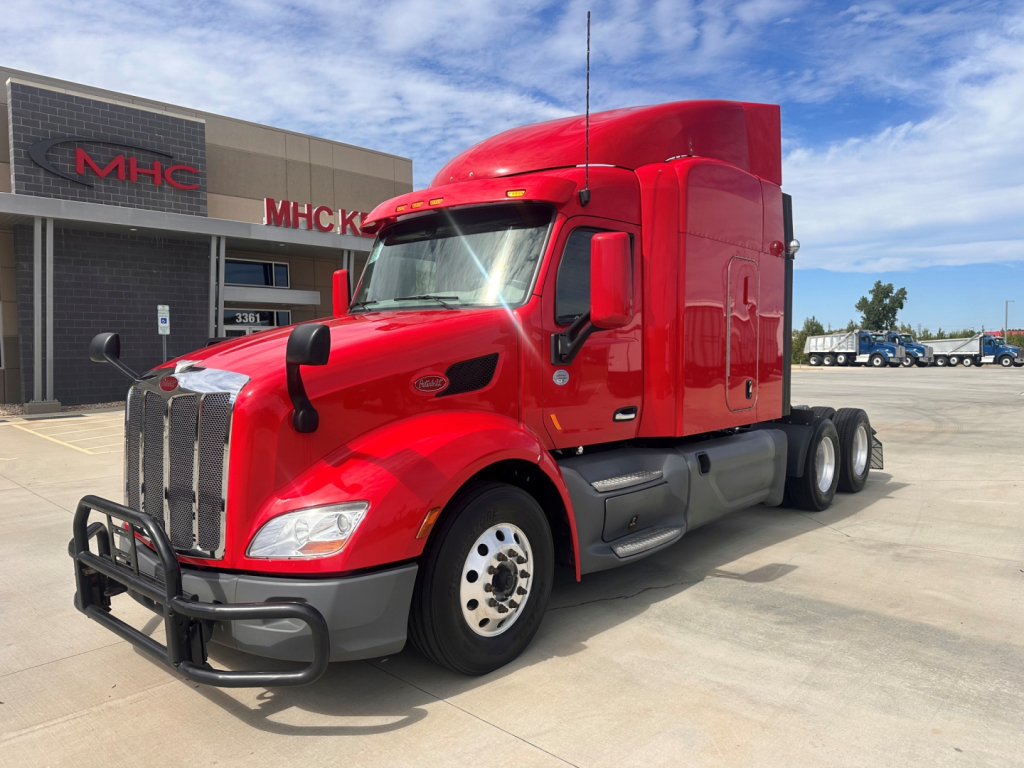
Selling a used 2021 conventional sleeper truck? List your used 2021 conventional sleeper truck for sale and reach thousands of commercial buyers.
Used 2021 Conventional Sleeper Trucks in South Carolina
Aerodynamic Peterbilt 579, International LT, and Freightliner Cascadia models prioritize highway efficiency, while Kenworth W900 configurations can emphasize heavier axle specifications. Diesel tractors from 2021 use DPF and SCR systems, making aftertreatment history a major used-truck check. Request an ECM report showing mileage, engine hours, idle time, and faults, then compare it with maintenance records and documented DPF cleaning. Inspect clutch operation, cooling-system leaks, suspension bushings, fifth-wheel wear, and brake condition. South Carolina's heat and humidity warrant close checks of cab air conditioning, sleeper seals, and auxiliary power equipment. Coastal exposure and previous salt-belt service justify inspecting frame rails, air tanks, and electrical connections for corrosion.
Frequently Asked Questions about Used 2021 Conventional Sleeper Trucks in South Carolina
Is a 2.79 rear axle ratio right for South Carolina freight?
A 2.79 rear ratio is a highway-oriented specification, not a guarantee of good loaded performance in a 2021 sleeper tractor. For South Carolina container work, repeated loaded starts matter as much as cruising speed. Verify direct-drive versus overdrive transmission gearing, tire diameter, and the engine manufacturer's approved operating range before comparing axle ratios.
What is the legal loaded weight for a sleeper tractor-trailer in South Carolina?
An 80,000-pound gross combination limit is the standard for conventional sleeper tractor-trailers on South Carolina Interstates, subject to axle and bridge limits. Federal limits normally allow 20,000 pounds on a single axle and 34,000 pounds on a tandem. Higher axle ratings do not increase legal highway weight. Check axle spacing, registered weight, tire ratings, and route-specific restrictions before assigning a load.
Can I run a deleted 2021 sleeper tractor in South Carolina?
No, deleting emissions controls on a 2021 conventional sleeper tractor violates federal anti-tampering law. South Carolina registration does not make a DPF, SCR, or EGR delete legal. Before purchase, have a qualified shop inspect the aftertreatment hardware and verify engine calibration against the approved configuration. Missing equipment or altered software can require substantial restoration work.
How can I tell if a sleeper's APU will handle South Carolina summer heat?
A hot-weather test with the main engine off is the best check of a sleeper tractor's APU and parked air conditioning. Run the system long enough to assess cooling throughout the bunk area, not just at the vents. Verify battery condition on electric systems, service records on diesel APUs, condensate drainage, and operation of controls and shore-power equipment where fitted.
Do all 2021 conventional sleeper trucks have collision mitigation?
No, collision mitigation is not universal across 2021 conventional sleeper trucks. Confirm factory equipment through the build sheet, then have a qualified technician check radar alignment, diagnostic faults, and calibration requirements after front-end repairs. Adaptive cruise control, lane-departure warning, and side-object detection are separate functions, so a single dashboard switch does not establish which safety features are installed or working.