
Used 2021 Commercial Trucks For Sale in Florida
Browse used 2021 trucks for sale in Florida, including day cabs, medium-duty and vocational models with diesel or gas power.
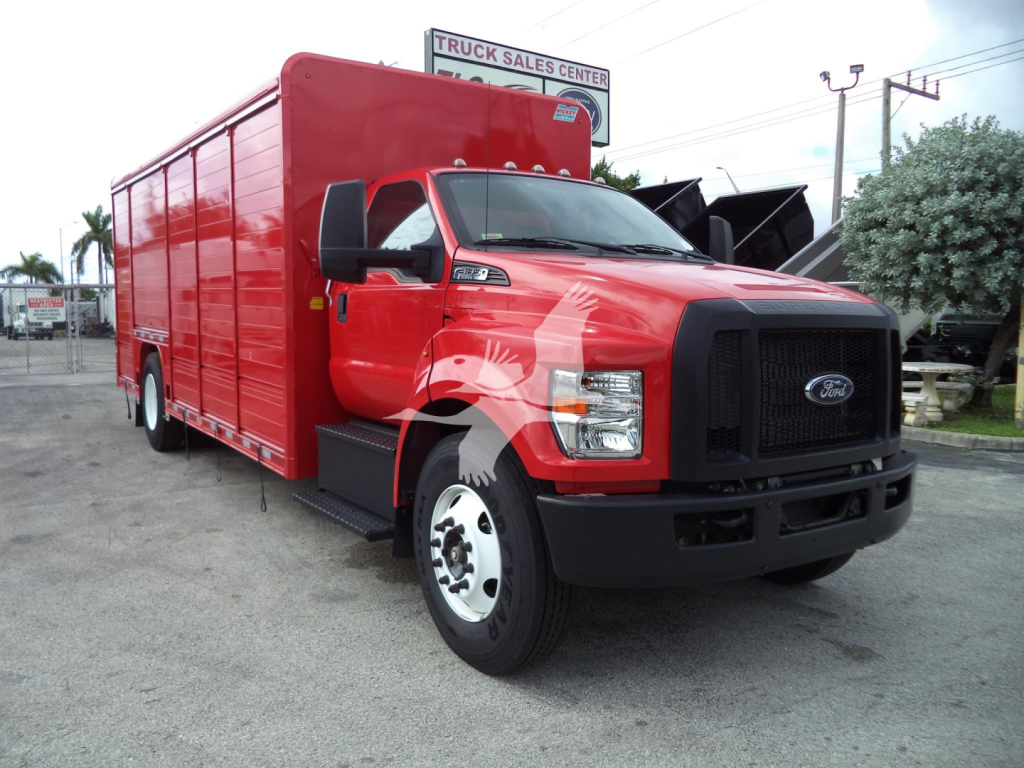
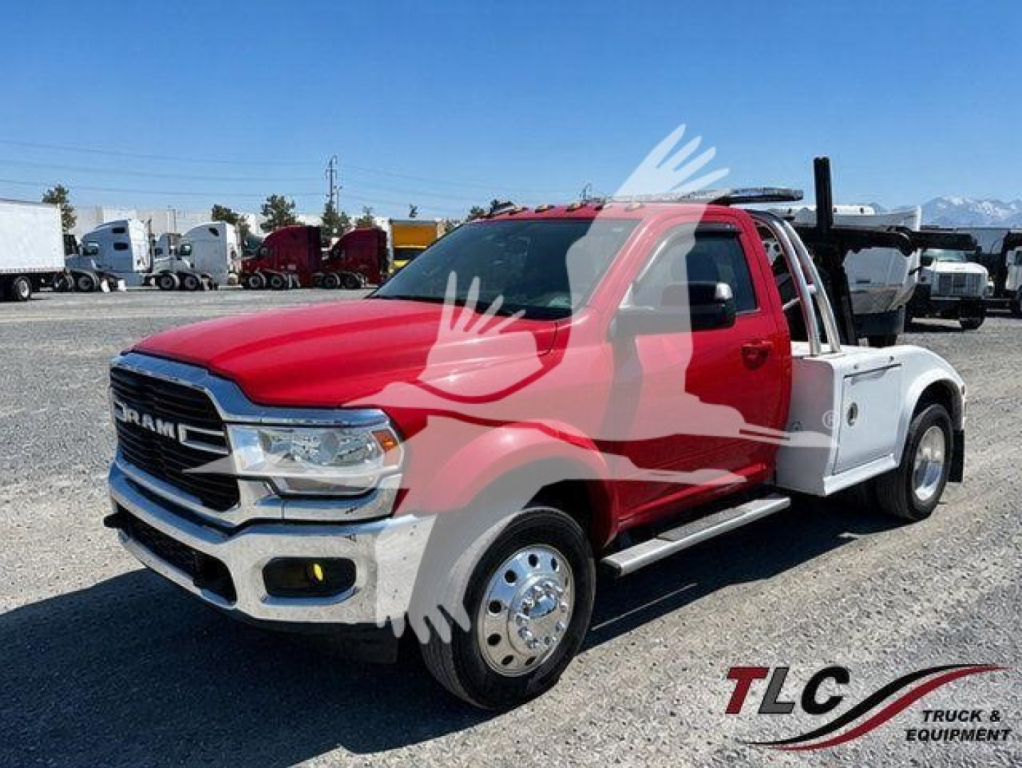
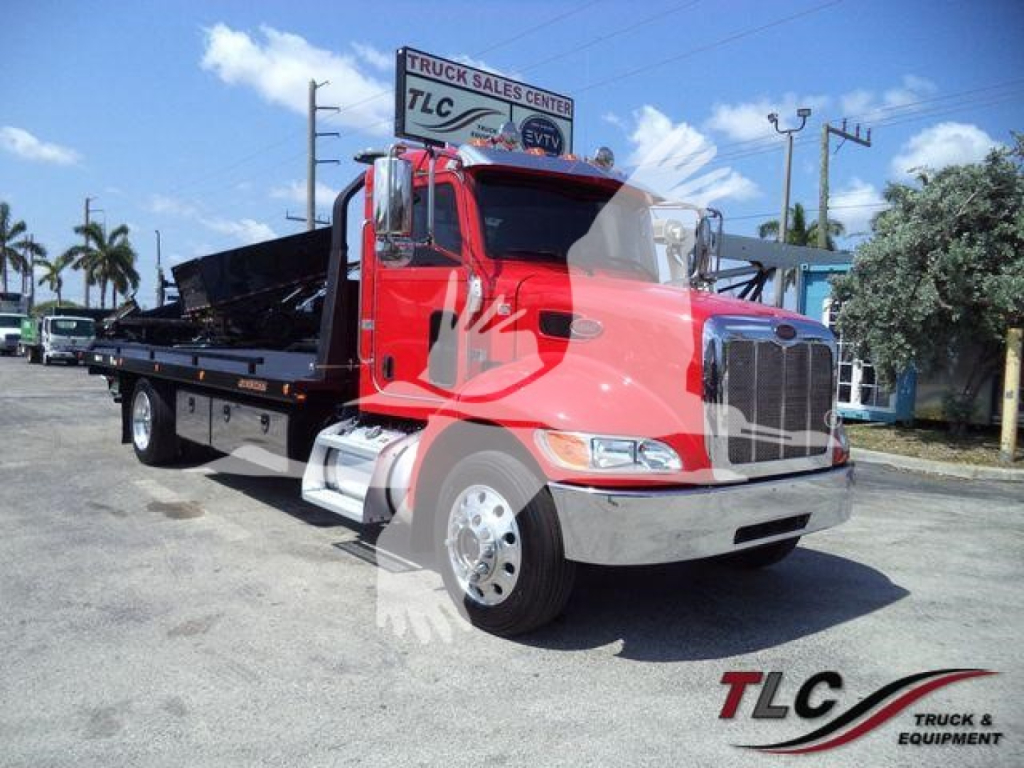
Showing 25 to 27 of 27 results
Have used 2021 commercial truck to sell? List it here to reach thousands of buyers.
Used 2021 Commercial Trucks in Florida
For over-the-road and regional work, pay close attention to engine family, horsepower, torque rating, transmission type, rear axle ratio, wheelbase, and suspension. A 2021 day cab in Florida may be spec'd with common powertrains such as a Cummins X15, Volvo D13, Detroit DD13 or DD15, paired with automated manuals like the Volvo I-Shift or Detroit DT12. Buyers moving heavier loads or running at highway speed usually want the right balance between rear axle ratio and tire size, since that combination affects cruise RPM, fuel economy, and startability. On vocational and medium-duty trucks, GVWR, front axle capacity, PTO setup, frame rating, body length, and hoist or carrier specs matter more than sleeper size or aero equipment. If the truck is already upfitted, confirm that the body, hydraulics, and electrical controls match the work you plan to do.
Florida operating conditions also shape what matters on a used truck. Corrosion is often less severe than in northern states, but coastal use can still expose frames, wiring, air systems, and aluminum components to salt and humidity. Air conditioning performance, cooling system condition, and idle strategy deserve extra attention in a warm-weather market. For trucks working ports, construction corridors, municipal routes, or short-haul freight lanes, look at brake type, tire condition, turning radius, and visibility around the cab. If the truck will spend time in urban delivery or recovery service, automatic or automated transmissions, power steering feel, and cab access can make a real difference in driver productivity.
A strong 2021 used truck should be evaluated beyond the odometer. Review engine hours, maintenance records, aftertreatment history, fault codes, clutch or transmission service, and signs of PTO or hydraulic wear on vocational units. Check for frame modifications, wheelbase changes, kingpin-to-axle compatibility on tractor applications, and any evidence of hard-use operation such as excessive fifth wheel wear, deck damage, or uneven suspension height. The best choice in this category is usually the truck whose spec matches the job with the least compromise, because the right axle capacity, cab configuration, and powertrain setup will matter more over time than brand preference alone.
Frequently Asked Questions about Used 2021 Commercial Trucks in Florida
What should I look for when buying a used 2021 truck in Florida?
Start with the truck's intended job and verify that the major specs support it. On highway trucks, focus on engine rating, transmission, axle ratio, wheelbase, suspension, and mileage versus engine hours. On vocational trucks, pay closer attention to GVWR, axle capacities, PTO equipment, body condition, hydraulic operation, and frame integrity. In Florida, cooling system condition, A/C performance, and signs of coastal corrosion are especially important.
Are 2021 trucks a good balance between price and technology?
Yes. Many 2021 trucks offer modern driver aids, automated manual transmission options, improved emissions hardware, and updated cab layouts without reaching the price point of very late-model equipment. They are new enough to support strong parts availability and service familiarity, but old enough that depreciation has already removed some of the premium buyers pay on nearly new trucks.
What is more important on a used truck, miles or engine hours?
Both matter, but they tell different parts of the story. Mileage shows road use, while engine hours help reveal idle time and duty cycle. A truck with moderate miles and very high hours may have spent significant time idling or operating PTO-driven equipment, which can increase wear on the engine and aftertreatment system. For many buyers, the relationship between miles, hours, maintenance history, and application is more useful than mileage alone.
Which types of used 2021 trucks are common in this category?
This category can include conventional day cabs, medium-duty delivery trucks, tow trucks, rollback carriers, dump trucks, landscape trucks, and other vocational chassis. Some are spec'd for regional freight with diesel engines and automated transmissions, while others are built around body equipment such as carriers, dump beds, hoists, or PTO-driven accessories. The truck class and upfit usually determine value more than model year by itself.
Should I buy a factory tractor or an already upfitted vocational truck?
That depends on how specialized the job is. A factory tractor or straight chassis gives you flexibility if you want to install your own equipment or standardize a fleet. An already upfitted vocational truck can save time and reduce installation cost if the body, hydraulics, controls, and axle ratings already match your operation. The key is to confirm that the upfit was done properly and that replacement parts and service support are readily available.