
Used 2021 Box Trucks For Sale in Florida
Browse used 2021 box trucks in Florida. Compare 16 ft to 26 ft dry freight trucks with liftgates, diesel or gas power, and non-CDL GVWR options.
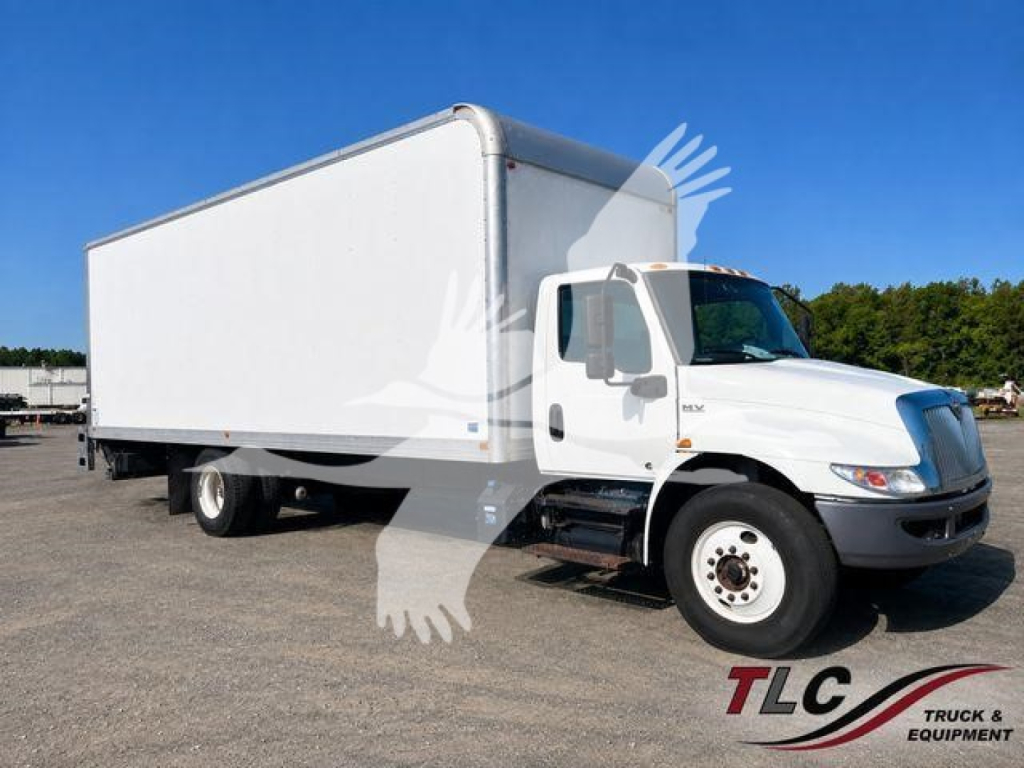
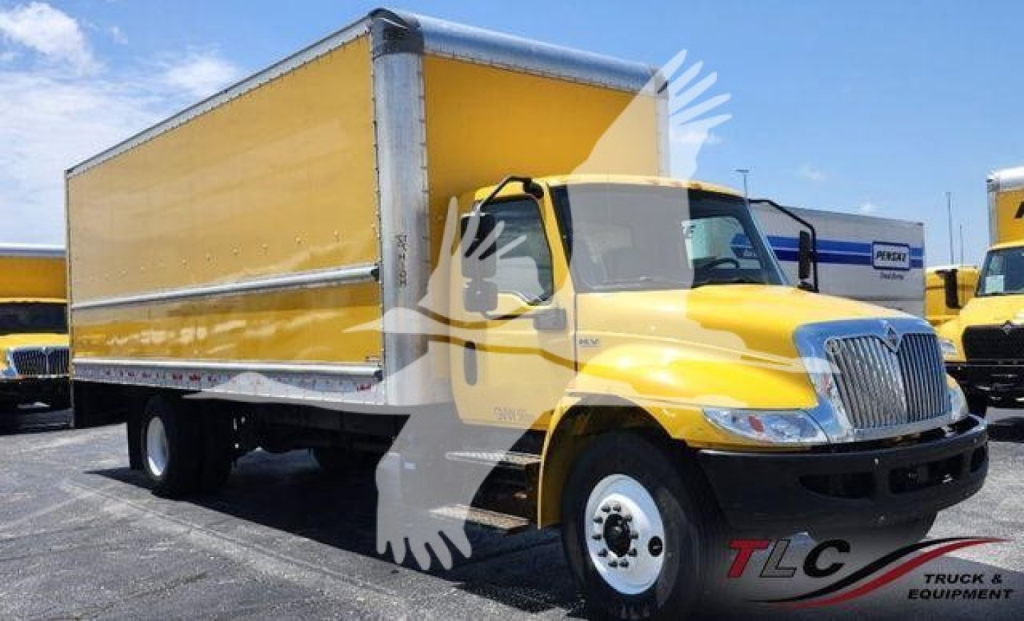
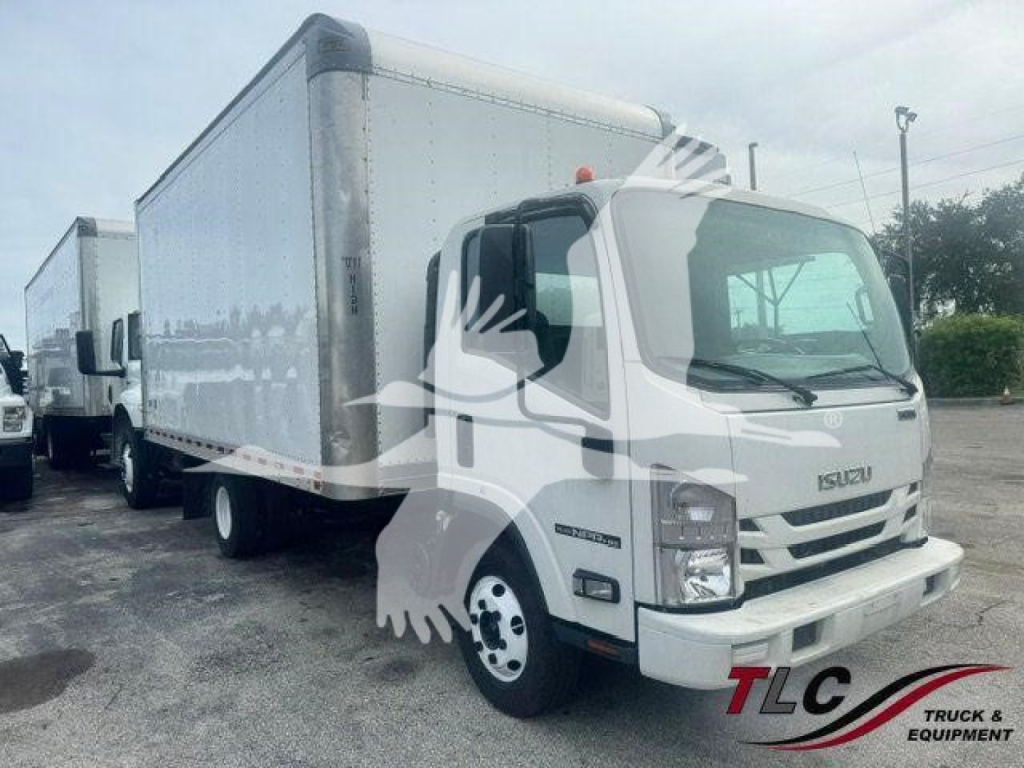
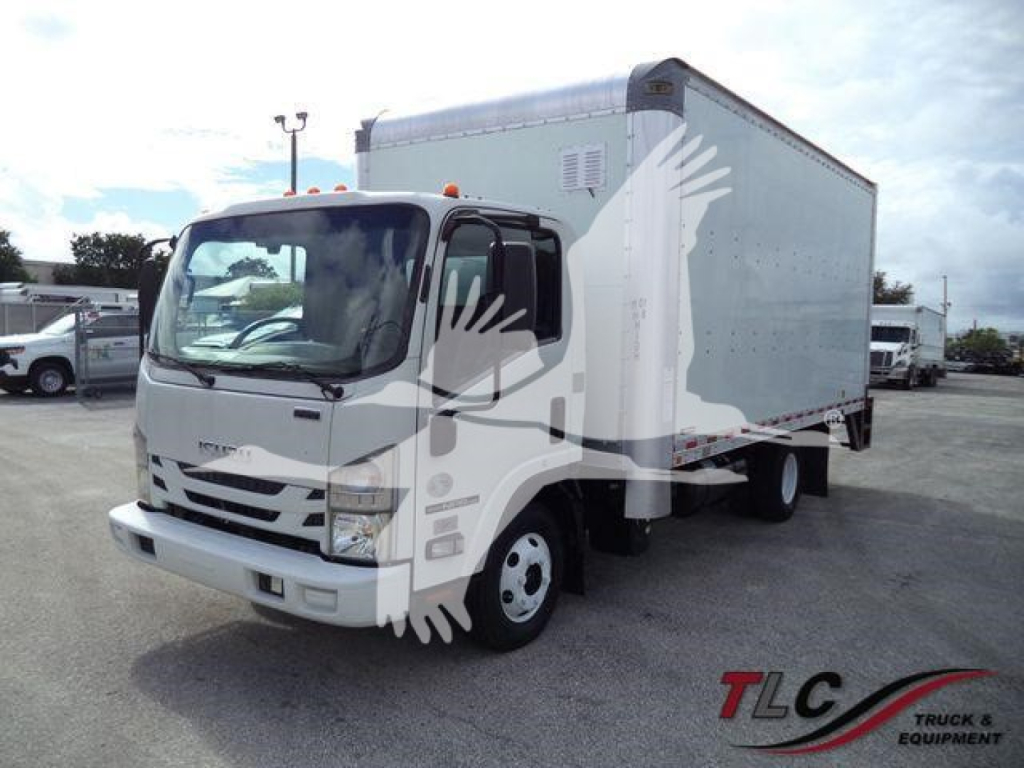
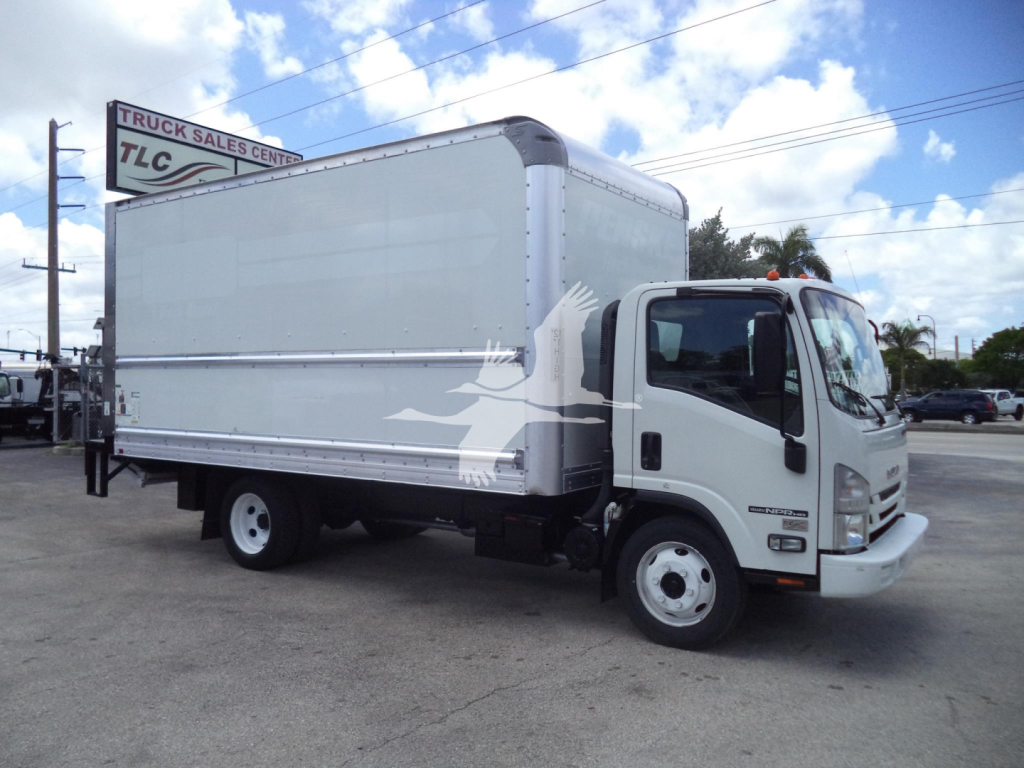
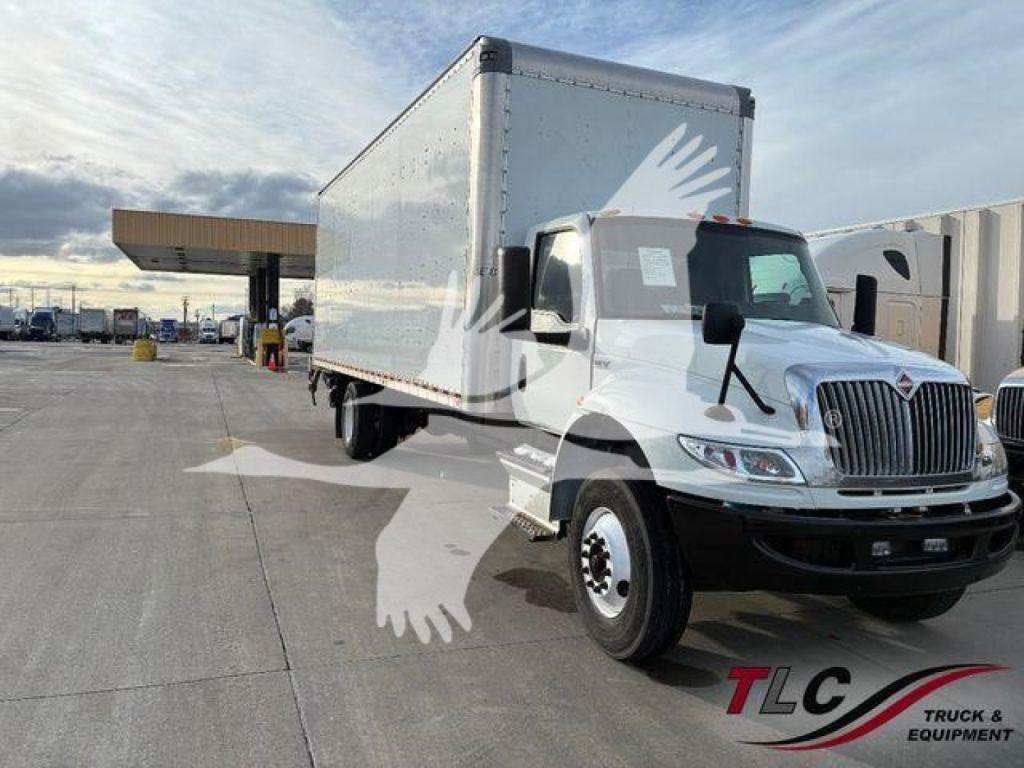
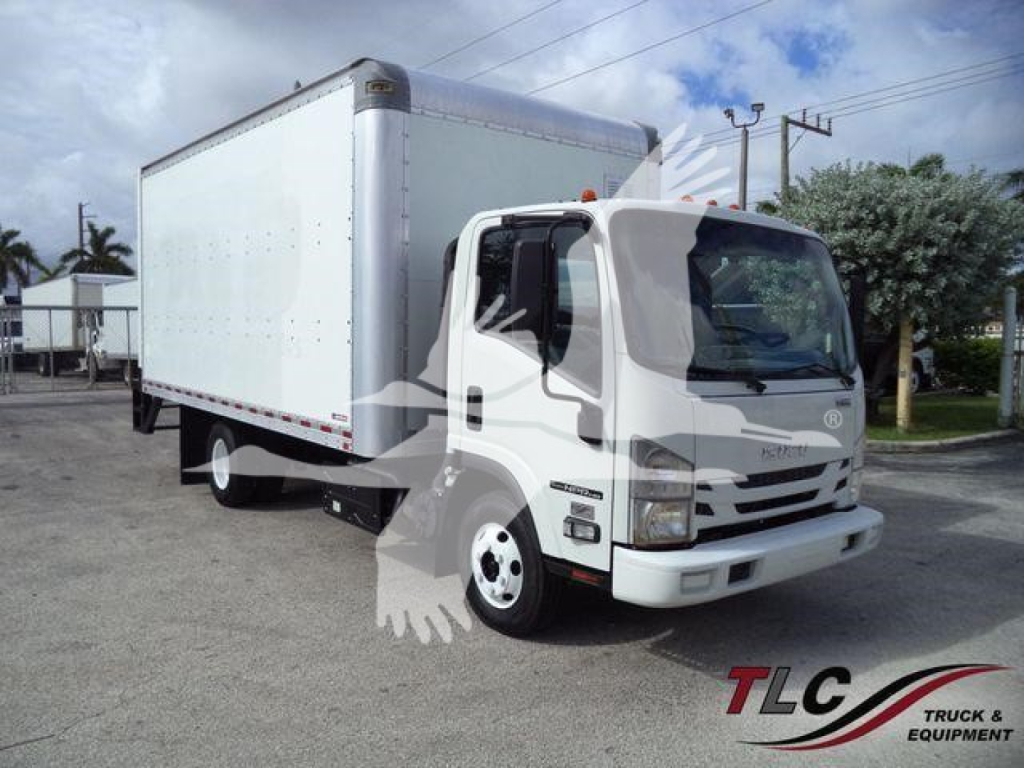
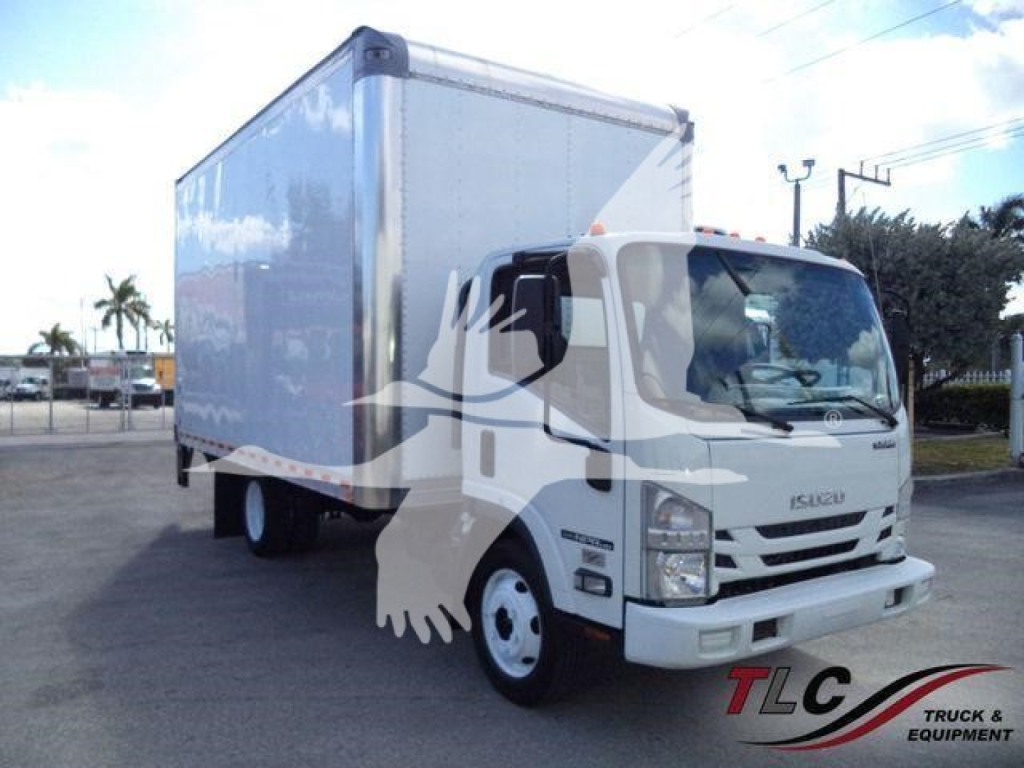
Selling a used 2021 box truck? List your used 2021 box truck for sale and reach thousands of commercial buyers.
Used 2021 Box Trucks in Florida
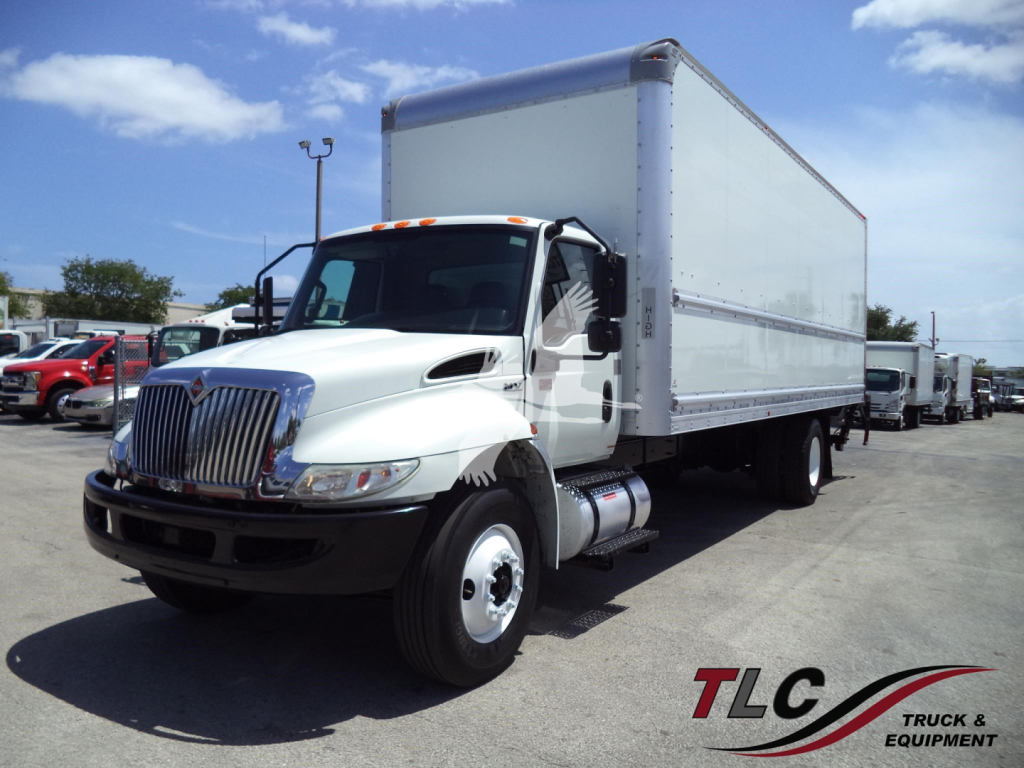
A 2021 box truck can range from a 16 ft delivery body on a 14,500 lb GVWR gas chassis up to a 26 ft dry freight body on a 25,950 lb GVWR non-CDL platform. That 25,950 lb rating is especially common because it keeps the truck under the 26,001 lb CDL threshold while still allowing a full-size cargo box, air brakes, and higher payload than lighter cabovers. Typical features in this market include roll-up rear doors, E-track cargo securement, tuck-under liftgates in the 2,500 lb to 3,500 lb range, and 102 in wide dry van bodies from builders such as Morgan or Supreme. If your operation loads by pallet, pay attention to interior height, door opening dimensions, and liftgate platform size, not just overall box length.
Powertrain choice matters more in Florida than many buyers expect. Gas-powered 2021 NPR-HD units with a 6.0L V8 can make sense for lower annual mileage, lighter payloads, and stop-and-go local use where service simplicity is a priority. Diesel trucks with engines like the Cummins ISB are better suited for heavier freight, sustained route work, and operations that need more torque with a 22.5-inch wheel package, air suspension, and medium-duty braking. On used 2021 trucks, look closely at transmission behavior, DEF and aftertreatment service history on diesels, liftgate operation, roof and corner cap sealing, floor wear, and evidence of wall damage behind the scuff area or E-track.
Florida buyers should also inspect for corrosion around the liftgate structure, door hardware, body mounts, and any areas exposed to coastal humidity or salt air. Reefer history, even on a dry box, can leave extra holes or patched wiring, so body condition matters as much as chassis condition. A clean 2021 box truck with documented maintenance, consistent tire wear, and a body spec matched to the route will usually outperform a cheaper truck with the wrong door, wrong wheelbase, or marginal payload. The best buying decision is usually the truck that fits your freight profile, loading method, and driver requirements on day one.
Frequently Asked Questions about Used 2021 Box Trucks in Florida
What size box truck is most common in the used 2021 market?
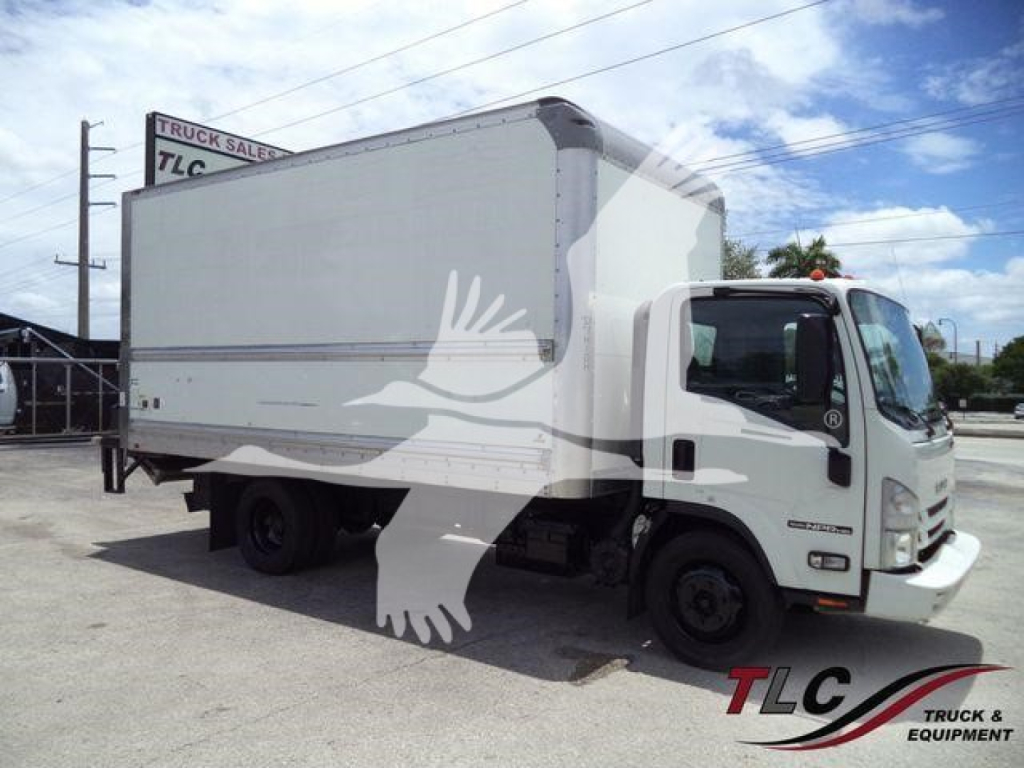
The most common used 2021 box truck sizes are 16 ft to 26 ft. A 16 ft body is typical on lighter cabover chassis used for local delivery, while 24 ft to 26 ft bodies are common on medium-duty conventional chassis used for moving, dry freight, and regional route work. The right size depends on cubic capacity, payload needs, loading dock access, and whether you need a non-CDL GVWR setup.
Is a 25,950 lb GVWR box truck considered non-CDL?
In most cases, yes. A truck rated at 25,950 lb GVWR is commonly spec'd to stay below the 26,001 lb federal CDL threshold, which makes it attractive for fleets that want a full-size 26 ft box without requiring a CDL based on weight alone. Buyers still need to verify state requirements, air brake policies, cargo type, and any additional licensing or medical card obligations that apply to their operation.
Should I choose a diesel or gas 2021 box truck?
Diesel is usually the better fit for heavier payloads, higher annual mileage, and longer delivery routes because it provides stronger low-end torque and is common in heavier chassis with air brakes and larger wheel packages. Gas models are often a smart choice for lighter-duty city work where acquisition cost, simpler emissions systems, and easier service access matter more than maximum torque. The better option depends on route length, average cargo weight, idle time, and maintenance capability.
What should I inspect first on a used 2021 box truck body?
Start with the floor, roof, front wall, roll-up door, and liftgate. Check for soft spots in the floor, water intrusion at roof seams and corner caps, misaligned rear doors, damaged crossmembers, and cracked or patched side panels. Inside the box, inspect E-track mounting points, scuff areas, and signs of forklift impact. A solid body with a dry interior and properly working liftgate is critical because box repairs can be expensive and quickly erase any savings on the purchase price.
Are cabover box trucks better for city delivery in Florida?
Cabover box trucks are often better in dense delivery areas because they have a tighter turning radius, better forward visibility, and a shorter overall length for the same cargo body size. That makes them useful for urban routes, alleys, and crowded loading areas. Conventional chassis can still be the better choice for fleets that prioritize ride quality, heavier-duty components, and driver comfort on longer runs. The route profile should decide the chassis style.