
Used 2021 Dump Trucks For Sale in Florida
Browse used 2021 dump trucks in Florida. Compare GVWR, body size, hoist type, axle setup, and specs for hauling debris, aggregate, and mulch.
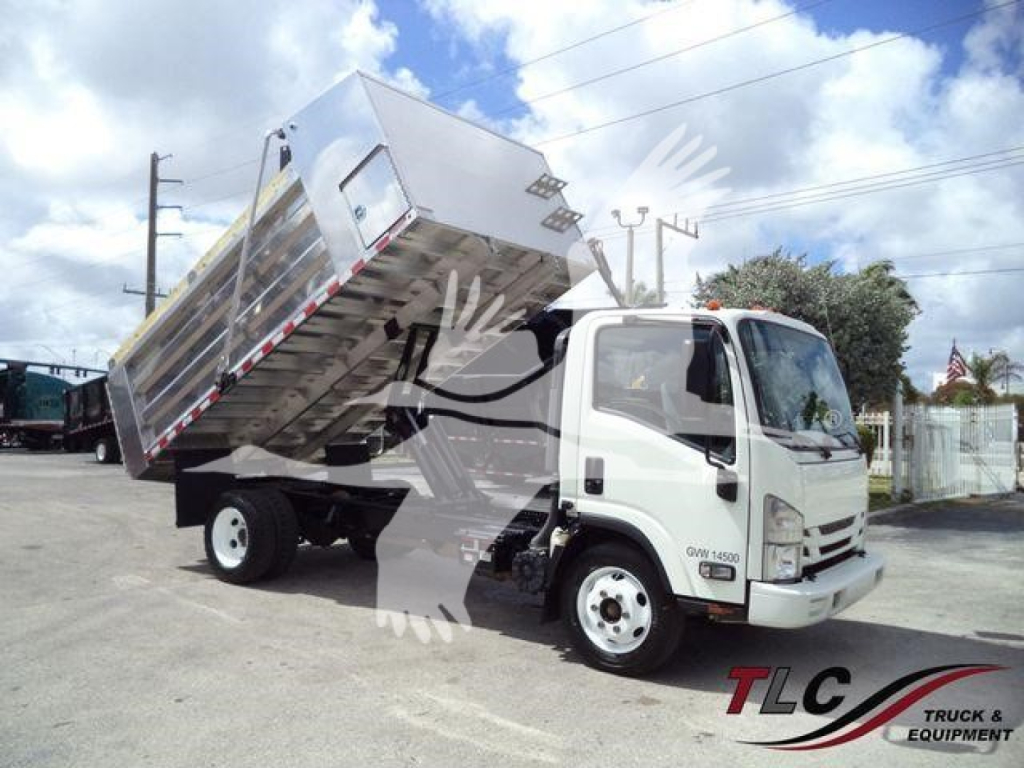
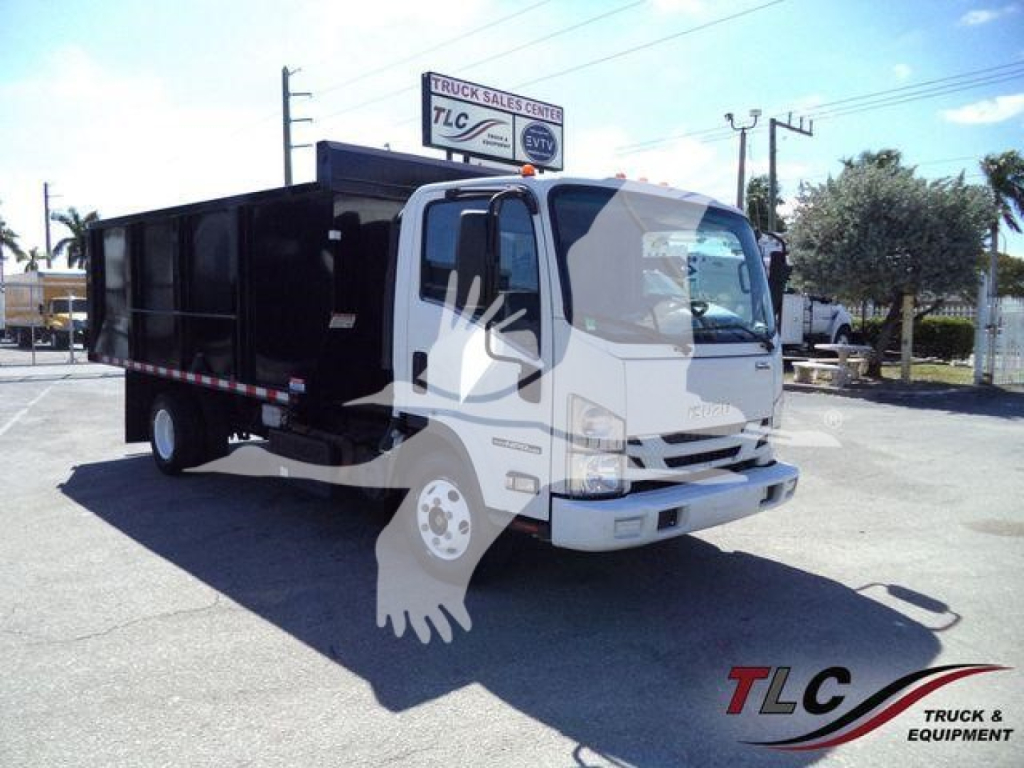
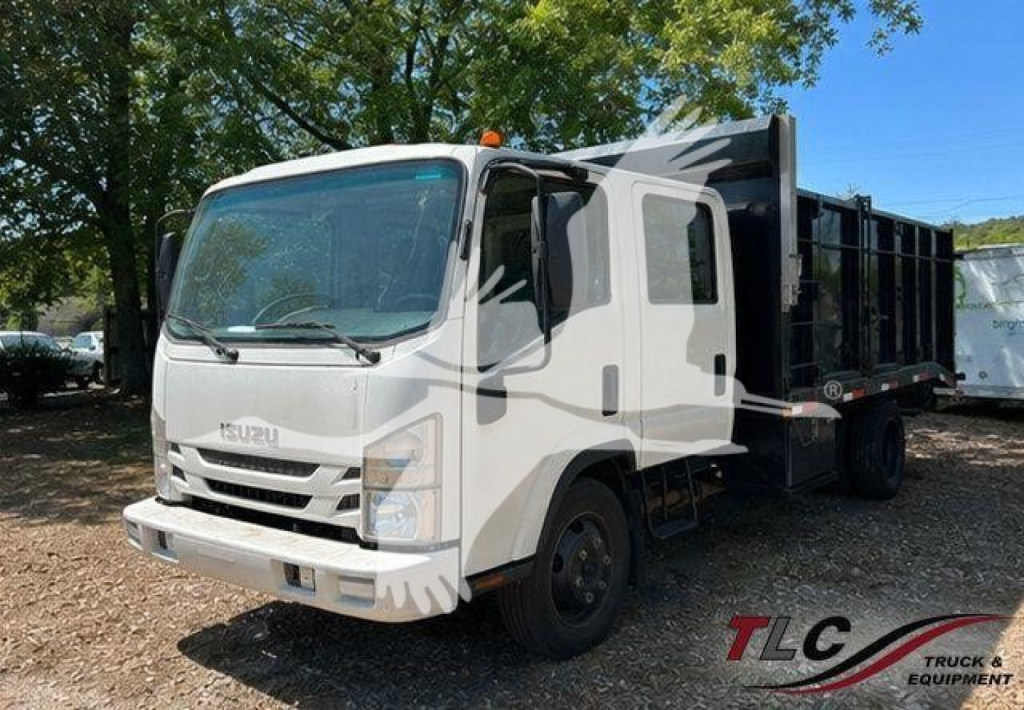
Selling a used 2021 dump truck? List your used 2021 dump truck for sale and reach thousands of commercial buyers.
Used 2021 Dump Trucks in Florida
In Florida, application drives the right chassis choice. Lighter Class 4 and 5 dump trucks such as cabover or low-GVWR units are common for landscape crews, tight residential access, and crews towing small equipment. Medium-duty Class 6 and 7 trucks around 25,950 to 26,000 GVWR are more common when the job calls for larger 15-foot to 18-foot bodies, air brakes, higher cubic yard capacity, and better durability under repeated loading cycles. Buyers should verify axle rating, wheelbase, suspension type, brake configuration, and whether the truck is a CDL or non-CDL setup. If the truck will spend time on soft ground or uneven job sites, spring ride can offer durability, while air ride may improve road manners and driver comfort for longer daily routes.
The dump body itself deserves a close look. Steel bodies are the standard choice for abrasive material and demolition work, but body construction details separate a basic upfit from one built for daily commercial use. Look for crossmember spacing, longsill design, scissor or telescopic hoist type, hinge placement, side wall bracing, and door hardware that can stand up to repeated impact. A hitch with electric brakes and a 7-way plug is valuable for crews pulling skid steers, mini excavators, or compact loaders. In Florida’s humid and coastal environments, inspect the body, frame, hoist mounts, and electrical connections for corrosion, especially on trucks working near salt air or wet organic loads. Tarp condition, seal integrity around lighting, and PTO operation should all be part of the review.
Powertrain choice on a used 2021 dump truck usually comes down to duty cycle. Diesel engines remain the better fit for heavier payloads, stop-and-go commercial hauling, and higher annual mileage. Gas-powered dump trucks can make sense for lighter local work, lower acquisition cost, and simpler maintenance in some fleets. Check transmission behavior under load, PTO engagement quality, regen history on diesel emissions systems, and service records for hydraulics, brakes, suspension, and steering components. A well-spec'd 2021 dump truck can serve landscaping, municipal work, roofing, construction cleanup, and material delivery efficiently, but the best buy is the one with the right body, hoist, axle ratings, and maintenance history for the work it will actually perform in Florida.
Frequently Asked Questions about Used 2021 Dump Trucks in Florida
What size dump truck is most common for landscaping and debris hauling in Florida?
For landscaping, tree work, and light construction debris, many buyers look at 15-foot to 18-foot dump bodies on Class 4 through Class 7 chassis. Smaller cabover trucks work well in tight neighborhoods and urban routes, while 25,950 to 26,000 GVWR units are common for higher-volume hauling without moving into a heavier vocational truck. The right size depends on payload, material type, jobsite access, and whether the truck also needs to tow equipment.
Is a diesel or gas engine better in a used 2021 dump truck?
Diesel is usually the better choice for heavier hauling, more frequent PTO use, and fleets that run high annual mileage. Gas engines can be a practical option for lighter local routes, lower upfront cost, and operators who want simpler service in some applications. The decision should be based on average payload, idle time, towing needs, route length, and maintenance history rather than fuel type alone.
What should I inspect on the dump body and hoist system before buying?
Focus on floor wear, side wall integrity, crossmembers, hinge points, cylinder condition, hydraulic leaks, PTO engagement, and rear door operation. Check that the body raises smoothly under load and that the tarp system, lighting, and wiring are functional. Rust around the hoist mounts, body seams, and frame contact points is especially important in humid Florida conditions because corrosion can shorten body life and create safety issues.
Why do so many dump trucks have a 25,950 or 26,000 GVWR rating?
Those ratings are common because they maximize capacity in the medium-duty market while helping some operators stay at or below the CDL threshold, depending on the exact truck rating and combined vehicle use. They are popular for landscape dumps, trash dumps, and contractor trucks because they balance payload, maneuverability, and operating flexibility. Buyers still need to confirm local and federal licensing, registration, and towing requirements for their specific use case.
What features matter most on a used 2021 dump truck for Florida work?
Body length, side height, hoist type, suspension, brake system, corrosion condition, and towing equipment are all high-priority items. Air conditioning performance also matters more in Florida than in many markets, especially for crews running local routes all day. If the truck will work near the coast or carry wet debris, inspect the frame, electrical system, and hydraulic components carefully for rust and moisture-related wear.