
Used 2021 Dump Trucks For Sale
Browse used 2021 dump trucks for sale with specs that matter, including GVWR, body size, axle setup, PTO hydraulics, and jobsite applications.
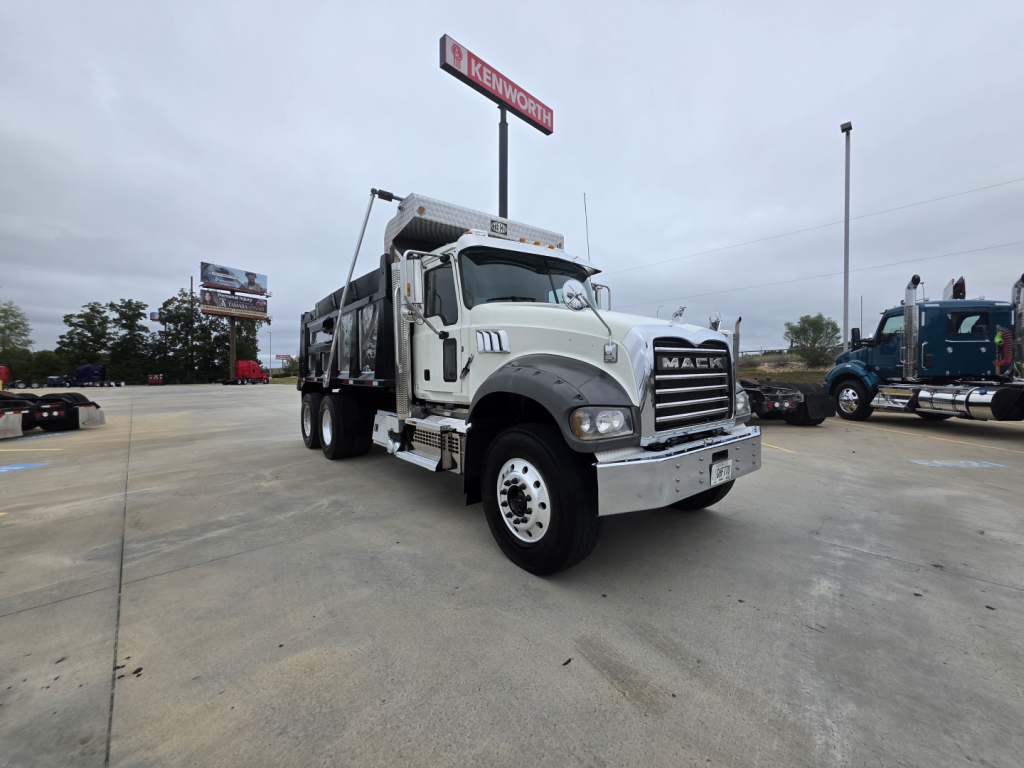
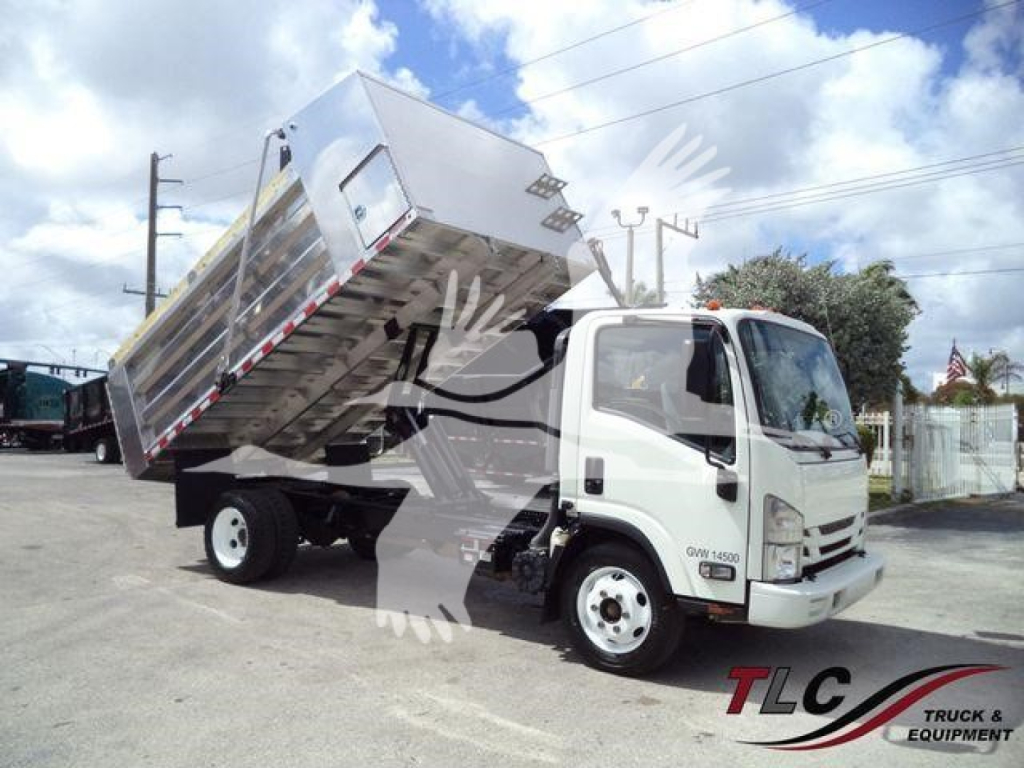
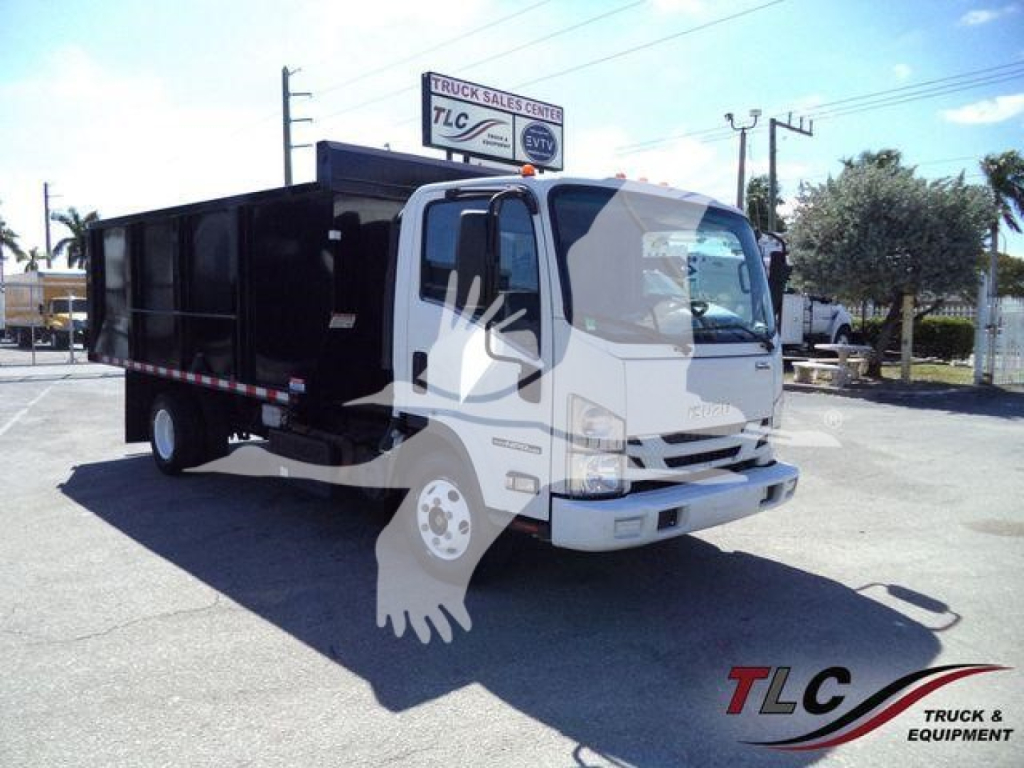
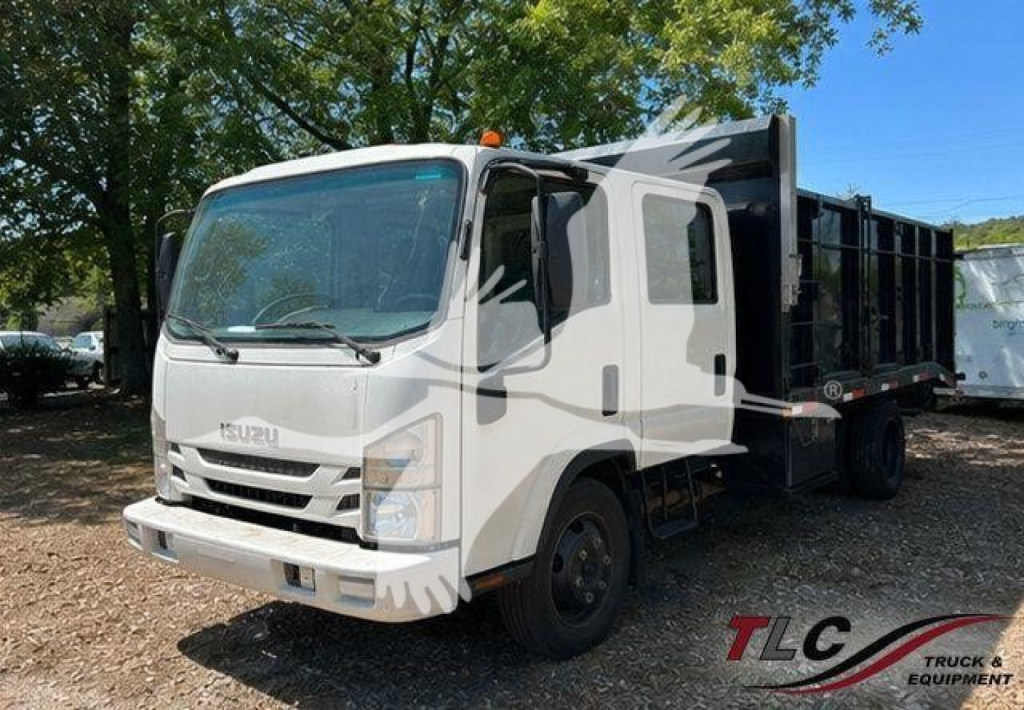
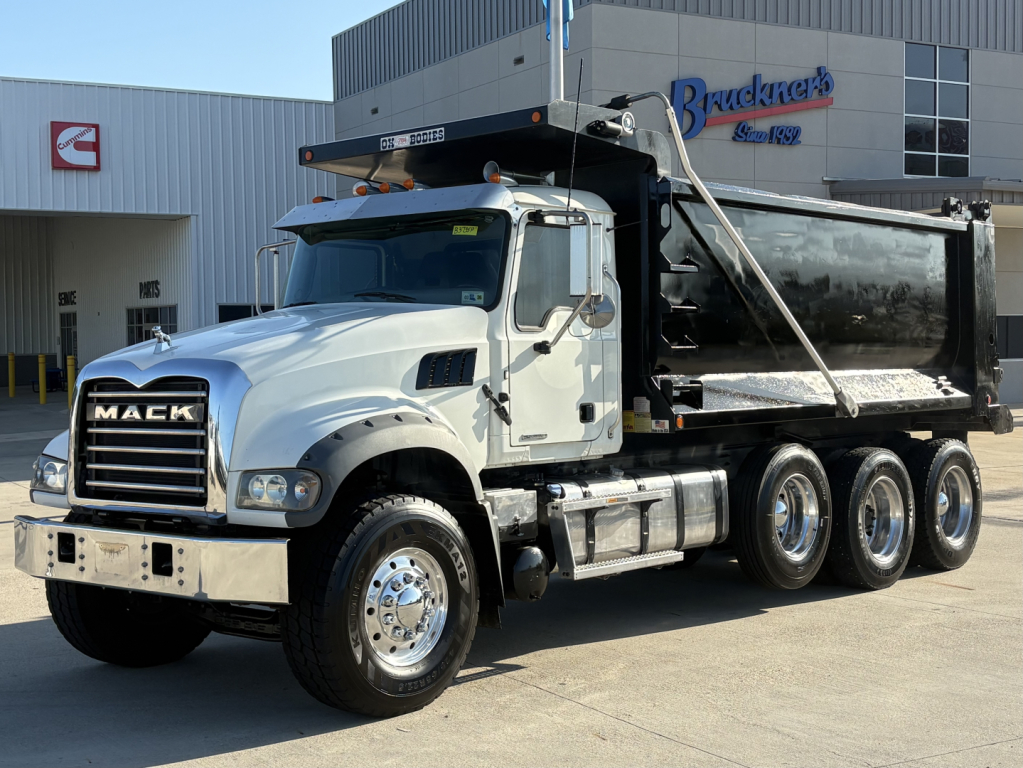
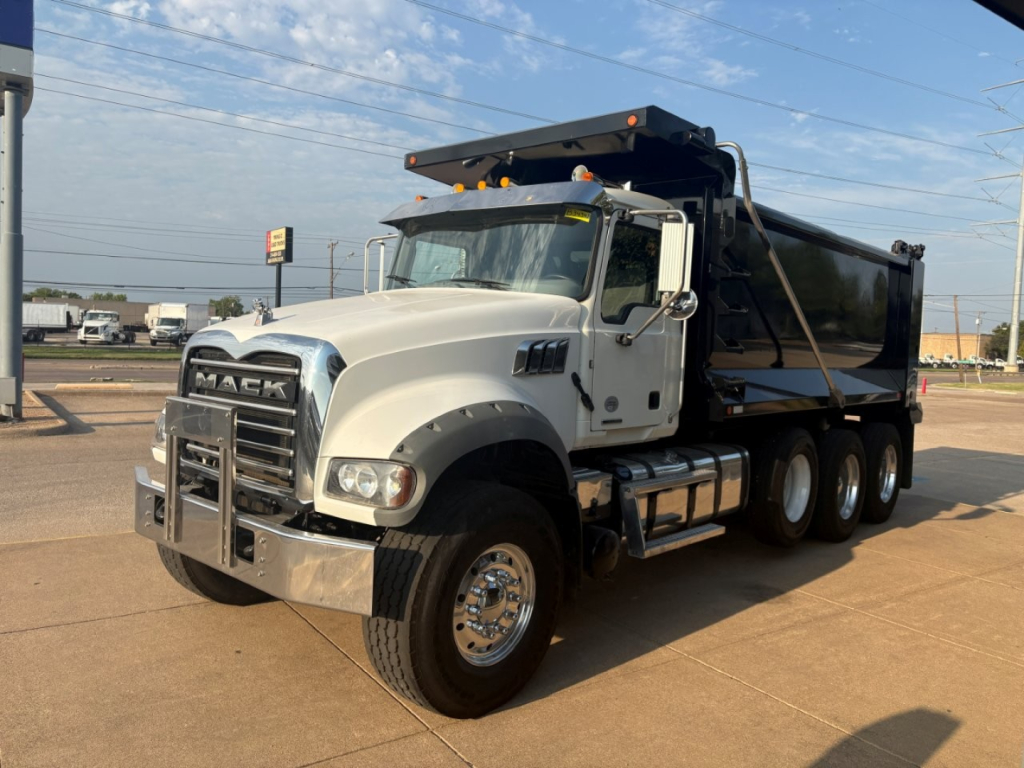
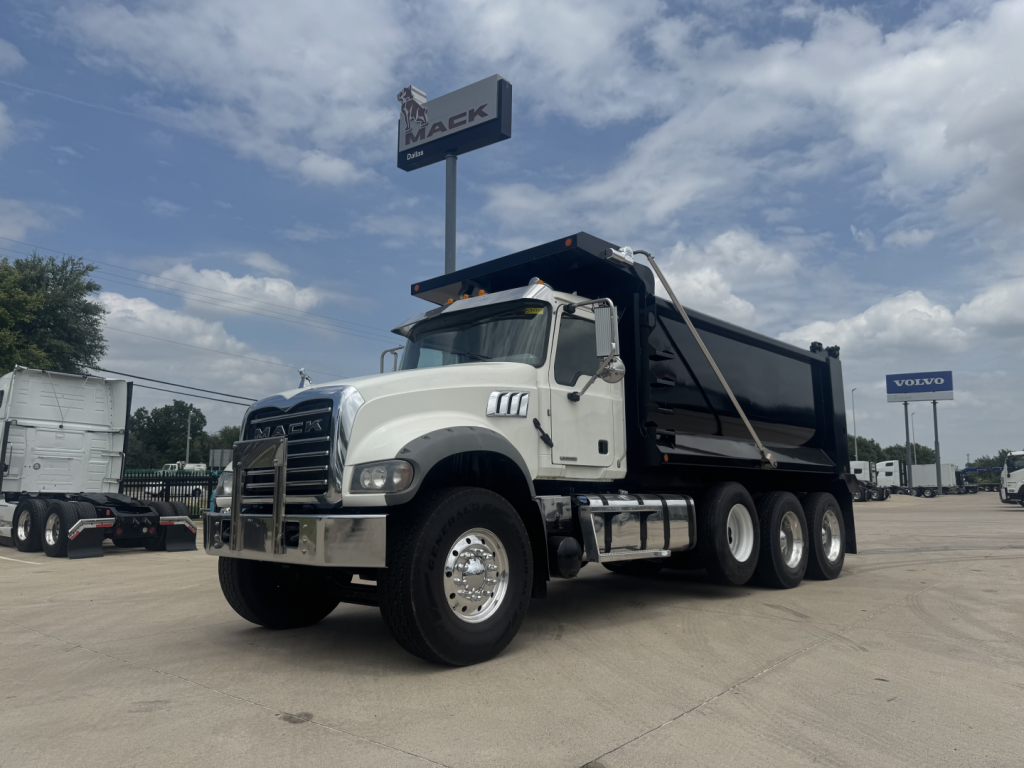
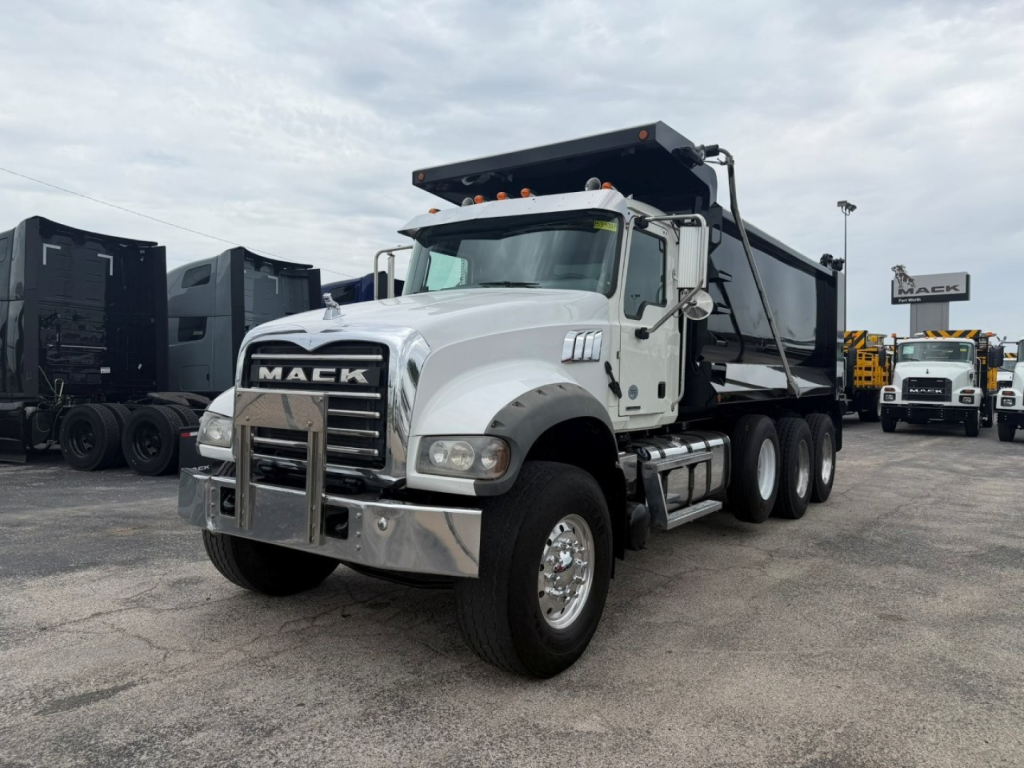
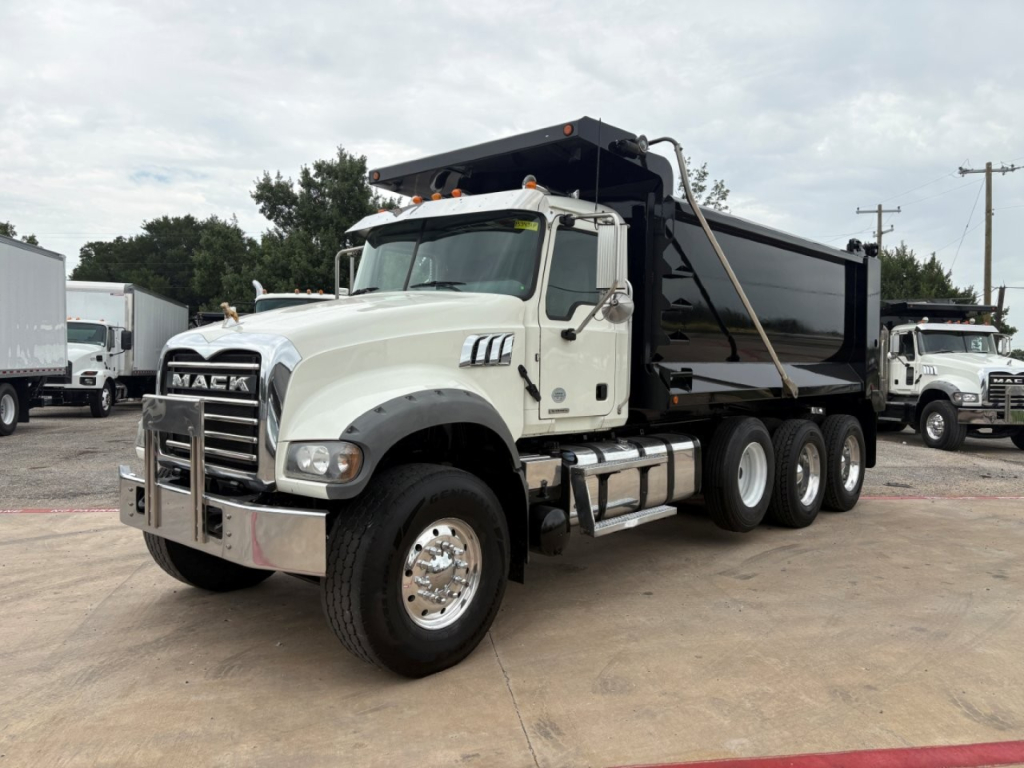
Selling a used 2021 dump truck? List your used 2021 dump truck for sale and reach thousands of commercial buyers.
Used 2021 Dump Trucks
Body specification matters as much as the chassis. Steel dump bodies are common for rock, scrap, and demolition because they handle abrasion and impact better, while aluminum bodies help reduce tare weight for payload-sensitive work. Buyers should compare body length, side height, floor thickness, hoist type, and tailgate configuration. High-lift tailgates, air-operated gates, coal chutes, barn doors, and electric or manual tarps all affect daily use. Heated bodies are important in snow and paving applications, and a plow package or all-season setup can add value in northern markets. If the truck will pull a pup trailer or run other hydraulic equipment, confirm the PTO and wet kit arrangement, hydraulic pump type, and any existing pintle or towing setup.
A 2021 model year dump truck may also reflect major differences in engine and drivetrain strategy depending on the make and vocation. Many trucks in this class are spec'd with diesel engines in the 300 to 450 horsepower range, paired with automatic, automated manual, or vocational manual transmissions. Rear axle ratings, suspension type, wheelbase, cab-to-axle measurement, and lift axle configuration directly affect bridge compliance, turning radius, and body fitment. Severe-duty suspensions, double frames, locking differentials, and engine brakes are common on heavier vocational units. For municipal or seasonal work, buyers should also look closely at corrosion exposure, especially on spreader controls, hoists, crossmembers, wiring, and underbody hydraulics.
Condition on a used dump truck is about more than mileage. Hours, idle time, PTO usage, body wear, liner condition, hinge and hoist pin play, tailgate seal integrity, and frame rust all tell a more complete story. On 2021 trucks, emissions system service history is especially important, including DPF cleaning intervals, SCR performance, and any fault code history. Tire wear can reveal alignment or suspension issues, and uneven body wear may point to prior overloading or harsh material handling. A strong listing in this category usually gives enough detail to judge if the truck fits hauling stone, asphalt, dirt, snow, mulch, or general construction material without major rework.
Frequently Asked Questions about Used 2021 Dump Trucks
What should I look for first when comparing used 2021 dump trucks?
Start with axle configuration, GVWR, body size, and intended material. A truck hauling topsoil or mulch can be spec'd very differently from one carrying stone, millings, or demolition debris. After that, review body construction, hoist condition, PTO hydraulics, suspension rating, and any lift axle setup. These items determine payload capability, legal road use, and how well the truck will fit your daily routes and loading conditions.
Are 2021 dump trucks a good balance between price and modern features?
For many buyers, yes. A used 2021 dump truck is typically modern enough to include updated operator controls, improved cab comfort, and newer powertrain technology, while still being old enough to avoid the pricing of near-new equipment. The value depends on service history, emissions maintenance, and vocational wear. A well-maintained 2021 unit can offer a strong balance of remaining service life and acquisition cost.
Is a steel or aluminum dump body better on a used dump truck?
Steel bodies are generally preferred for abrasive and impact-heavy material such as rock, riprap, scrap, and demolition loads because they resist damage better. Aluminum bodies reduce empty weight and can improve payload on lighter bulk commodities such as sand, grain, mulch, or non-abrasive aggregate. The right choice depends on your material, route conditions, and how much body durability matters versus tare weight savings.
How important is the PTO and hydraulic system on a dump truck?
It is critical because the PTO, hydraulic pump, reservoir, valves, and hoist cylinder do the core lifting work. Buyers should confirm smooth dump operation, check for leaks, inspect hoses and fittings, and verify the system is correctly matched to the body. If the truck will also run a pup trailer, plow gear, or other hydraulic equipment, the wet kit configuration becomes even more important. Hydraulic repairs can be costly and can sideline an otherwise solid truck.
What signs of hard use matter most on a used dump truck?
Pay close attention to hoist pins, hinge areas, body floor wear, cracked welds, tailgate alignment, frame corrosion, and suspension fatigue. Dump trucks often accumulate vocational wear that does not show up in odometer readings alone. Excessive rust on the subframe, distorted body sides, uneven tire wear, or sloppy tailgate operation can indicate a truck that has seen repeated overloading or rough off-road use. Service records and a careful inspection matter more here than on many highway trucks.