
Used 2020 Commercial Trucks For Sale in Nebraska
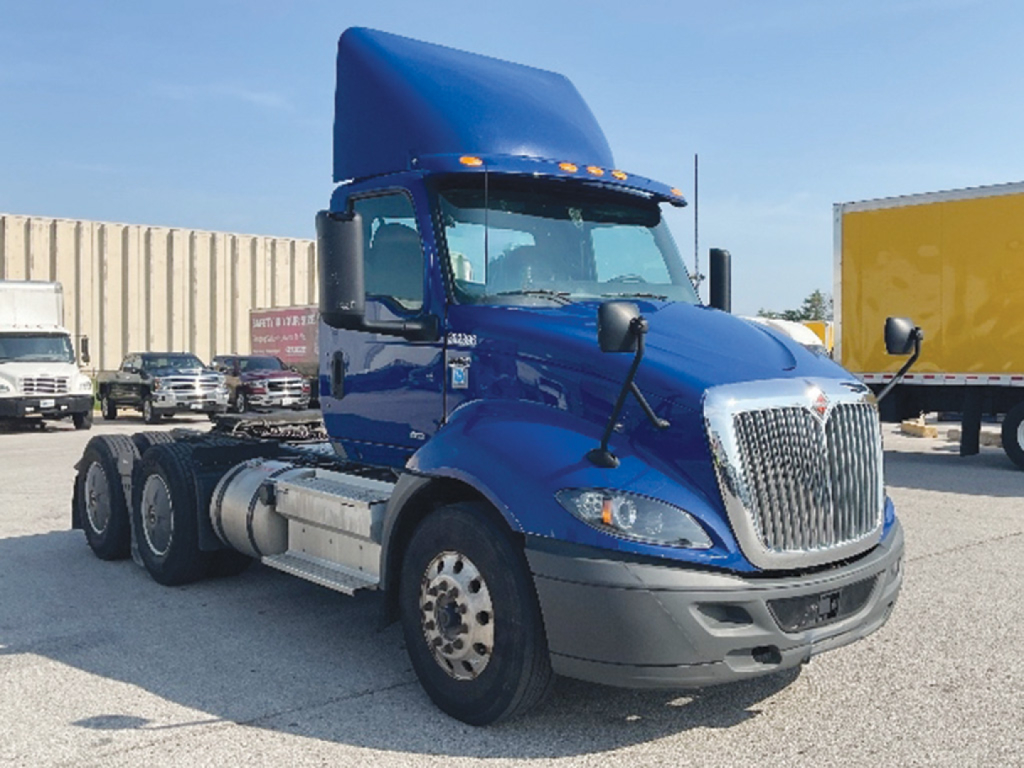
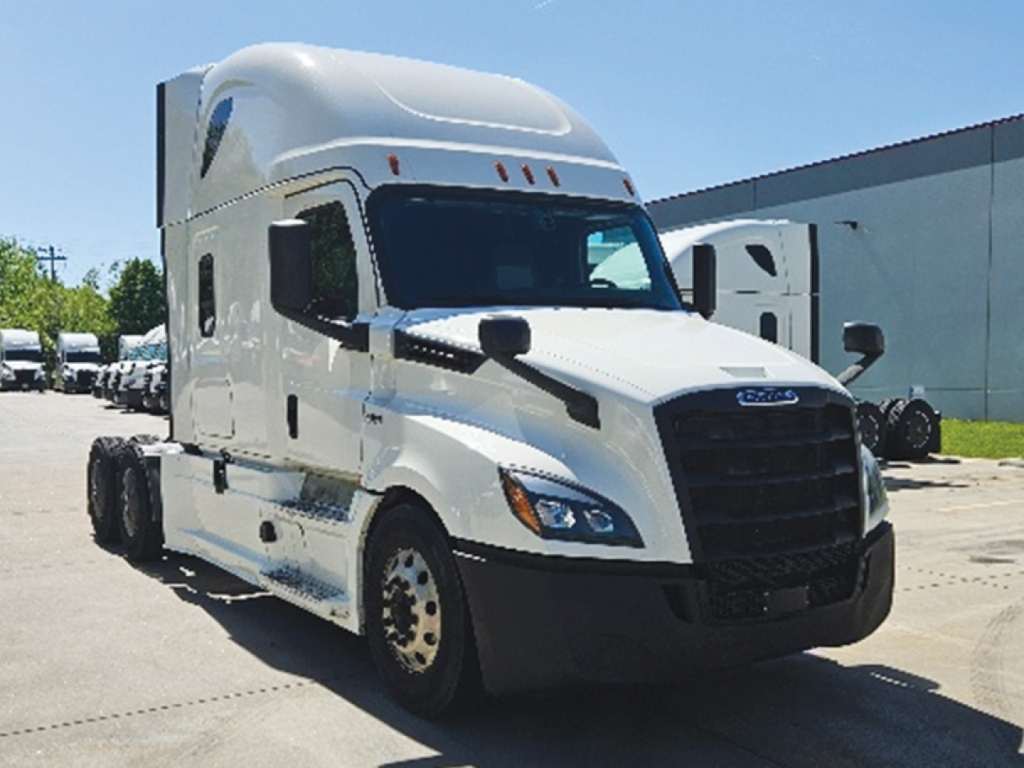
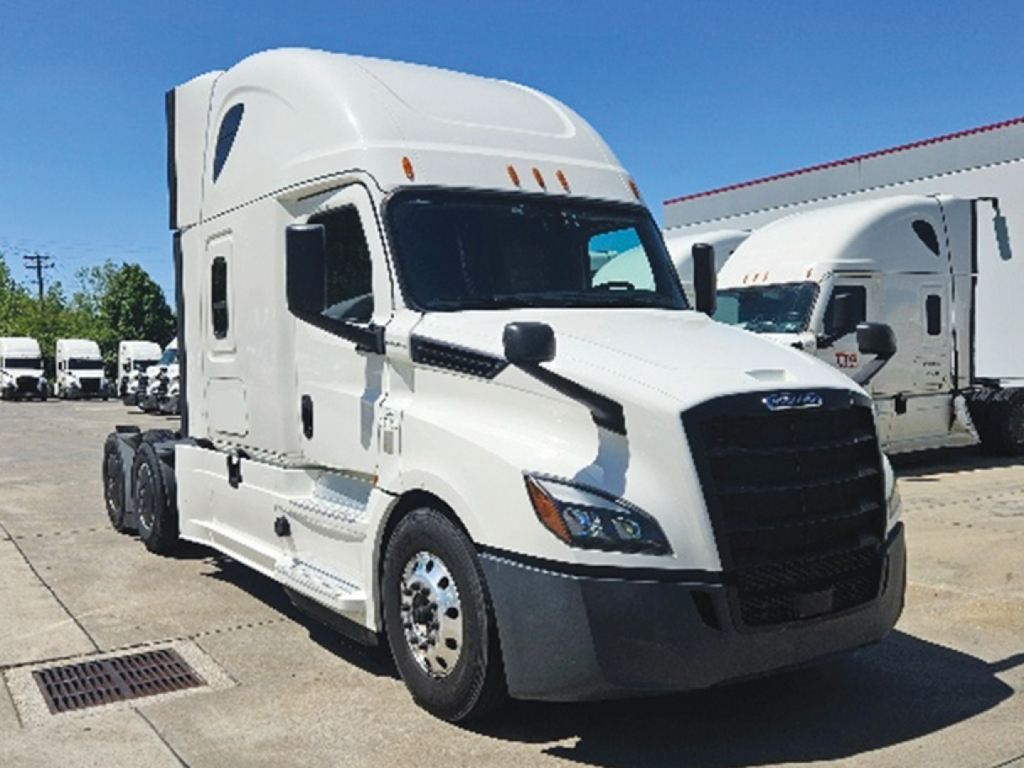
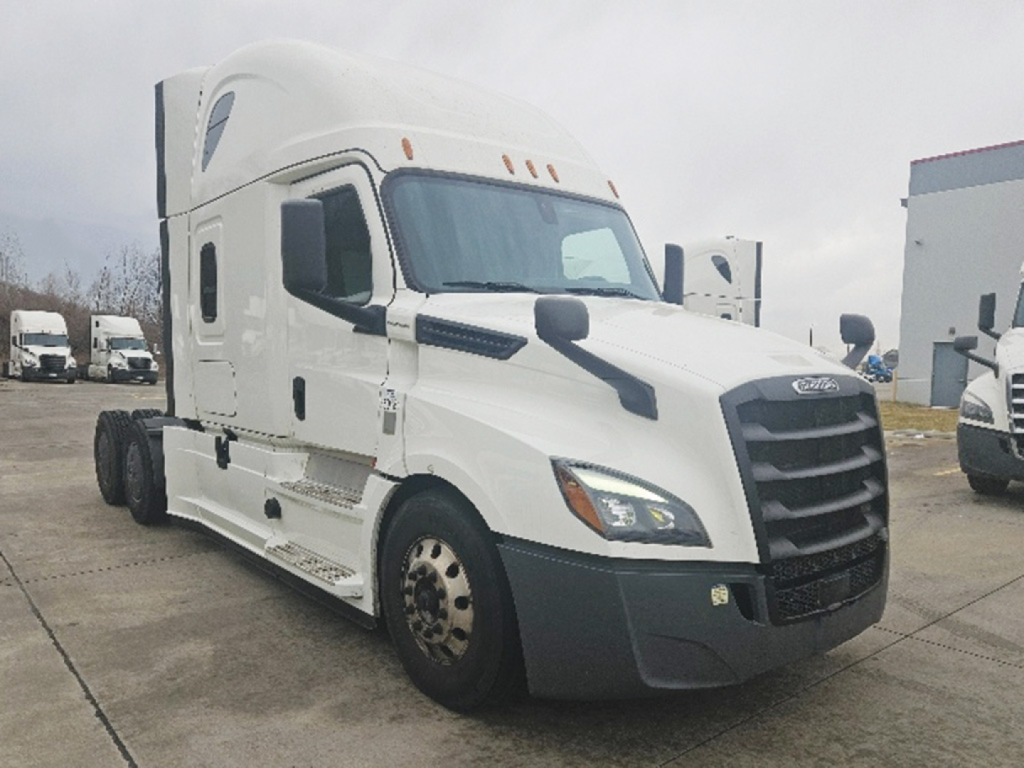
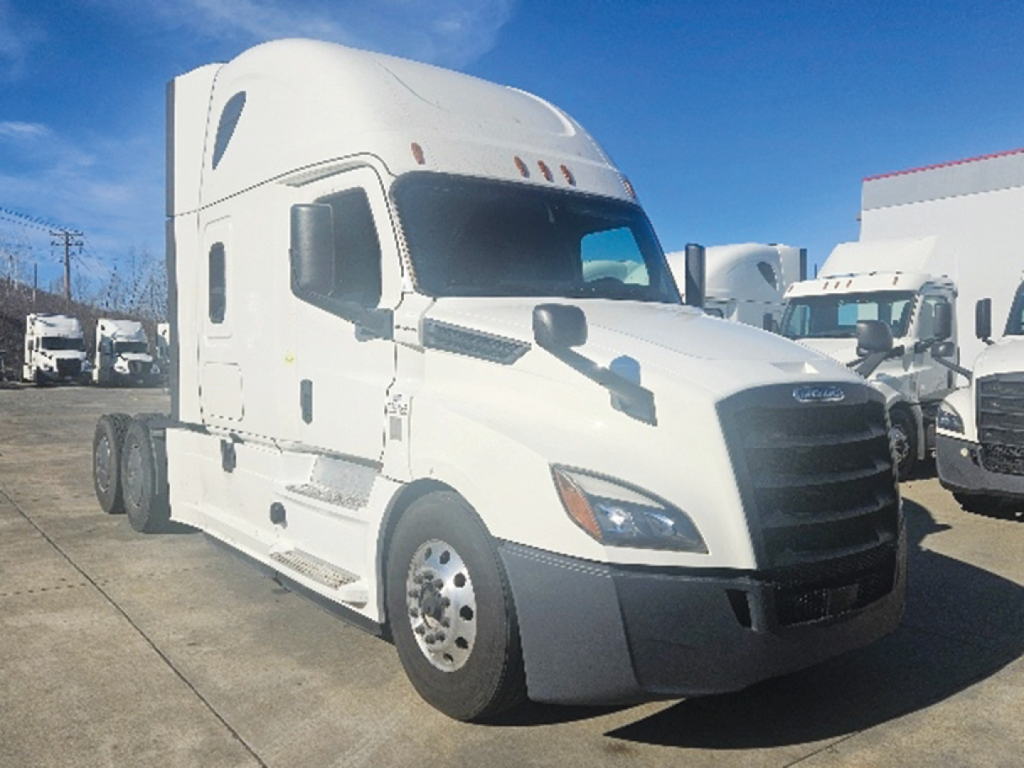
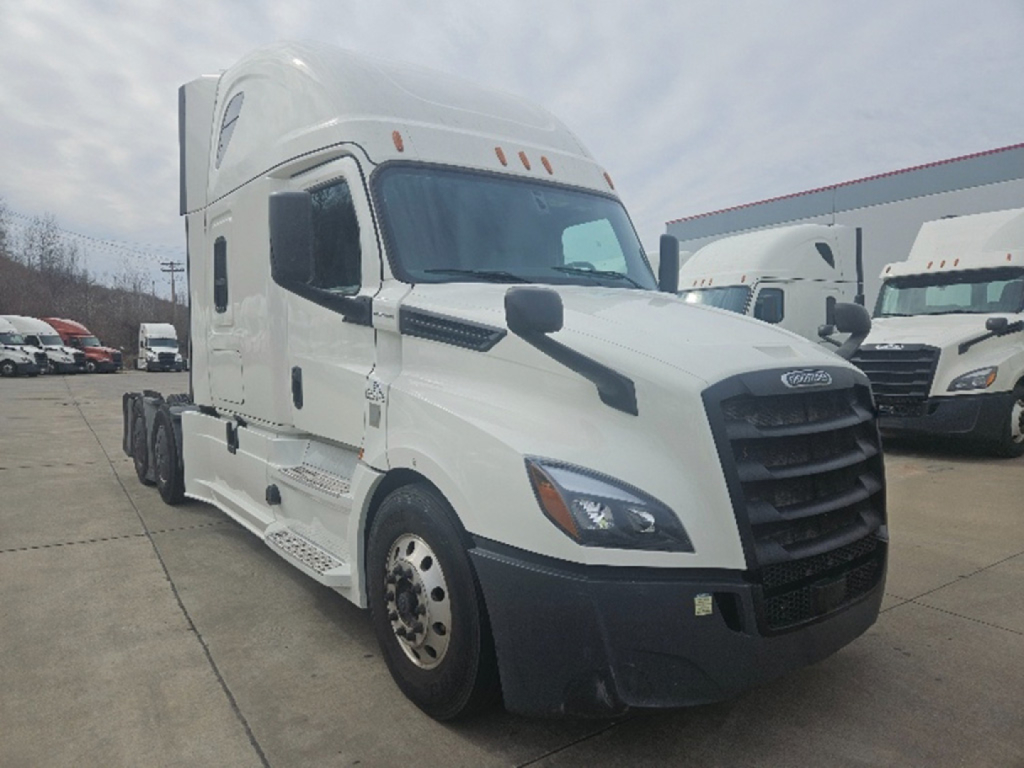

Showing 25 to 32 of 32 results
Have used 2020 commercial truck to sell? List it here to reach thousands of buyers.
Used 2020 Commercial Trucks in Nebraska
The first decision is usually application. For over-the-road work, 2020 sleepers commonly show up with 72-inch to 80-inch high-roof configurations, automated manual or fully automatic transmissions, 400 to 500 horsepower engines, and 2.47 to 2.85 rear axle ratios built for fuel economy at cruise speed. For regional haul, local delivery, or dedicated fleet routes, 2020 day cabs often make more sense because they cut weight, shorten wheelbase, and simplify maintenance. Nebraska buyers also tend to pay close attention to axle ratings, wheelbase, fifth wheel setup, and suspension type because those details directly affect trailer compatibility, bridge compliance, and maneuverability in yards, feedlots, plants, and rural loading points.
Powertrain spec matters more than model badge. In this year range, buyers will commonly see Cummins X15, PACCAR MX-13, and Detroit diesels paired with 12-speed automated transmissions or traditional manuals, depending on duty cycle and fleet preference. A 40,000-pound tandem is standard on many road tractors, but ratio selection changes the truck’s personality. Lower numerical ratios generally favor fuel-efficient highway use, while deeper ratios help in heavier regional service, frequent starts, or mixed terrain. It is also worth checking for engine brake performance, aftertreatment service history, idle strategy, and software updates, because those items can affect uptime and operating cost just as much as mileage.
A good used 2020 truck should be evaluated as a complete operating package, not just a cab and engine. Buyers should review brake type, tire size, wheel composition, fuel capacity, fairings, APU or bunk heater equipment, PTO or wet kit provisions, and signs of prior fleet maintenance discipline. In Nebraska, corrosion is usually less aggressive than in heavy road-salt regions, but frame condition, suspension wear, and cab integrity still deserve a close look, especially on trucks that have seen year-round service. If the truck is intended for reefer, van, hopper, flatbed, or tanker work, confirm the wheelbase, fifth wheel travel, and tank placement match the trailers it will actually pull. The right 2020 truck is the one whose spec fits the lane, load, and maintenance program from day one.
Frequently Asked Questions about Used 2020 Commercial Trucks in Nebraska
What are the main advantages of buying a used 2020 truck?
A used 2020 truck often gives buyers a practical balance of age, technology, and cost. This model year is new enough to offer modern aerodynamics, efficient powertrains, updated interiors, and common automated transmission options, but old enough to avoid the premium attached to near-new inventory. For many operations, a 2020 truck also lands in a useful range where maintenance history, fuel economy trends, and component reliability are easier to evaluate based on real service records.
What engine and transmission specs are common in 2020 highway trucks?
Many 2020 highway tractors are equipped with 13-liter to 15-liter diesel engines in the 400 to 500 horsepower range. Common combinations include Cummins X15, PACCAR MX-13, and Detroit engines paired with 12-speed automated manuals or other overdrive transmission setups designed for fuel-efficient cruise speeds. Rear axle ratios in the mid-2s are common on long-haul specs, while heavier or more versatile applications may use deeper gearing for better startability and grade performance.
Is a 2020 sleeper or day cab better for Nebraska operations?
That depends on route length, trailer type, and how often the truck returns to base. A sleeper is usually the better choice for over-the-road freight, multi-state lanes, and operations that need driver comfort and off-duty accommodations. A day cab is often better for local grain, regional van freight, dedicated shuttle work, or vocational service where a shorter wheelbase, lower tare weight, and easier yard maneuvering matter more than sleeper amenities.
What should buyers inspect first on a used 2020 truck?
Start with maintenance records, engine hours, aftertreatment history, and fault code activity, then move to driveline condition, suspension wear, brake life, and tire condition. Buyers should also verify axle ratings, wheelbase, transmission model, and fifth wheel setup to make sure the truck matches the trailers and freight it will handle. Interior condition, idle management equipment, and signs of consistent fleet service can also tell you a lot about how the truck was operated and maintained.
Are 2020 trucks a good fit for fleet replacement planning?
Yes, especially for fleets that want standardized, late-model equipment without committing to new-truck capital expense. A 2020 truck can still align well with current maintenance systems, telematics platforms, and driver expectations while offering more predictable acquisition costs. For replacement planning, the key is to buy by application and spec consistency so the trucks fit existing trailers, parts inventory, technician familiarity, and fuel economy targets.