
Used 2020 Conventional Daycab Trucks For Sale in Nebraska
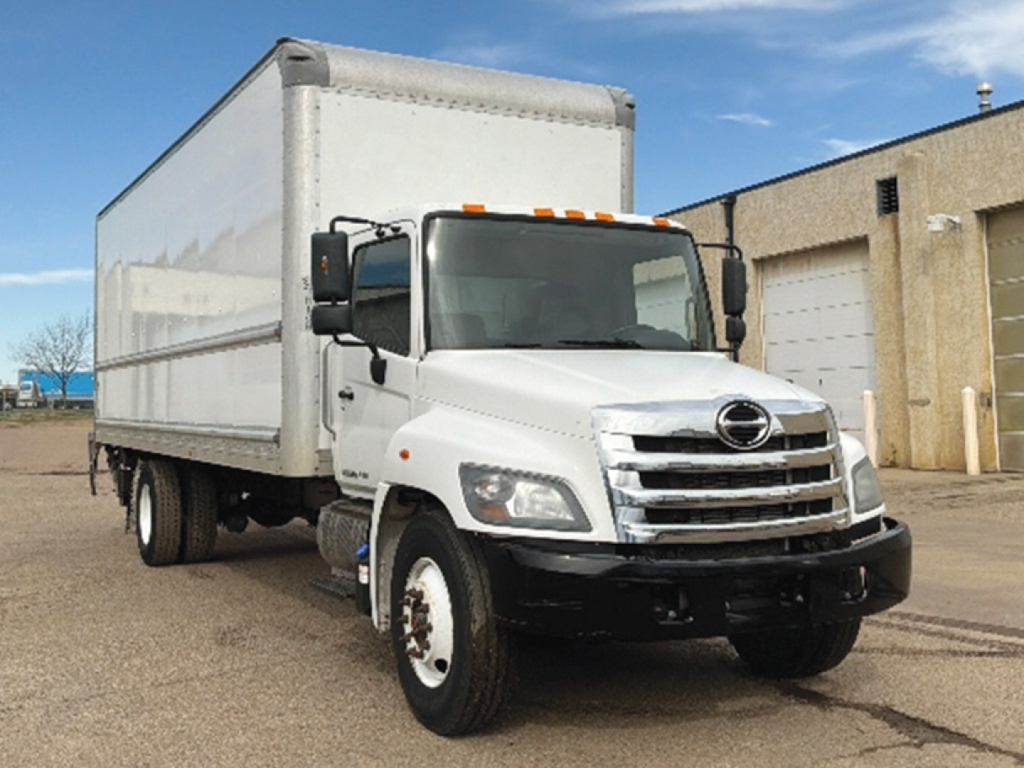
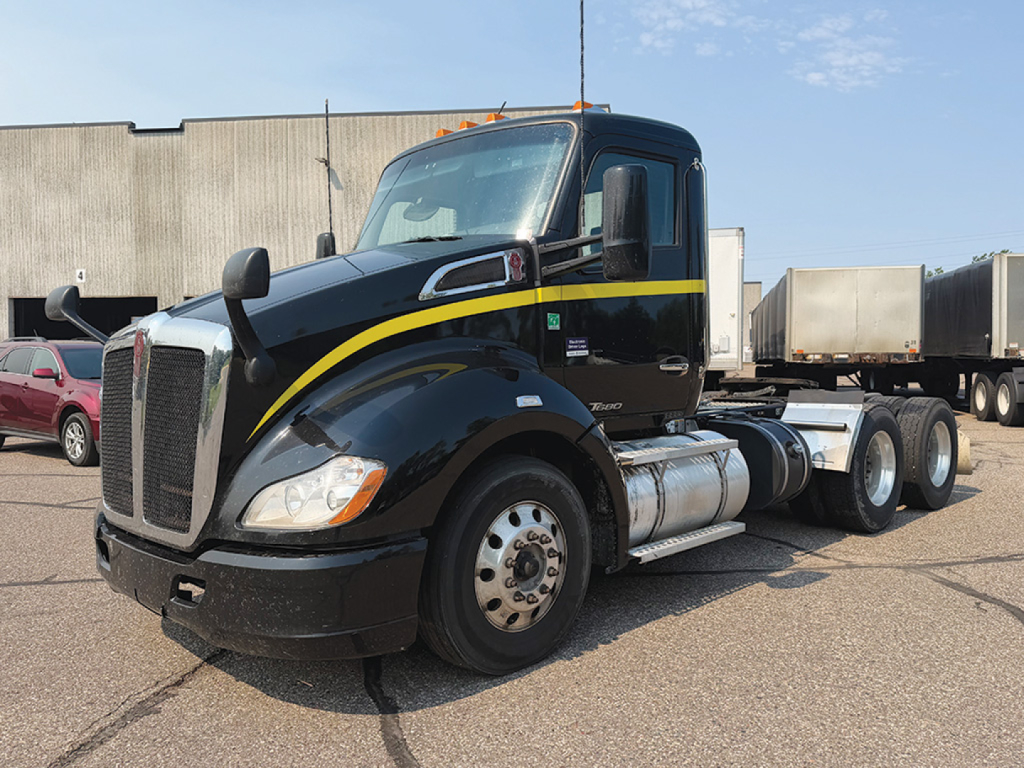
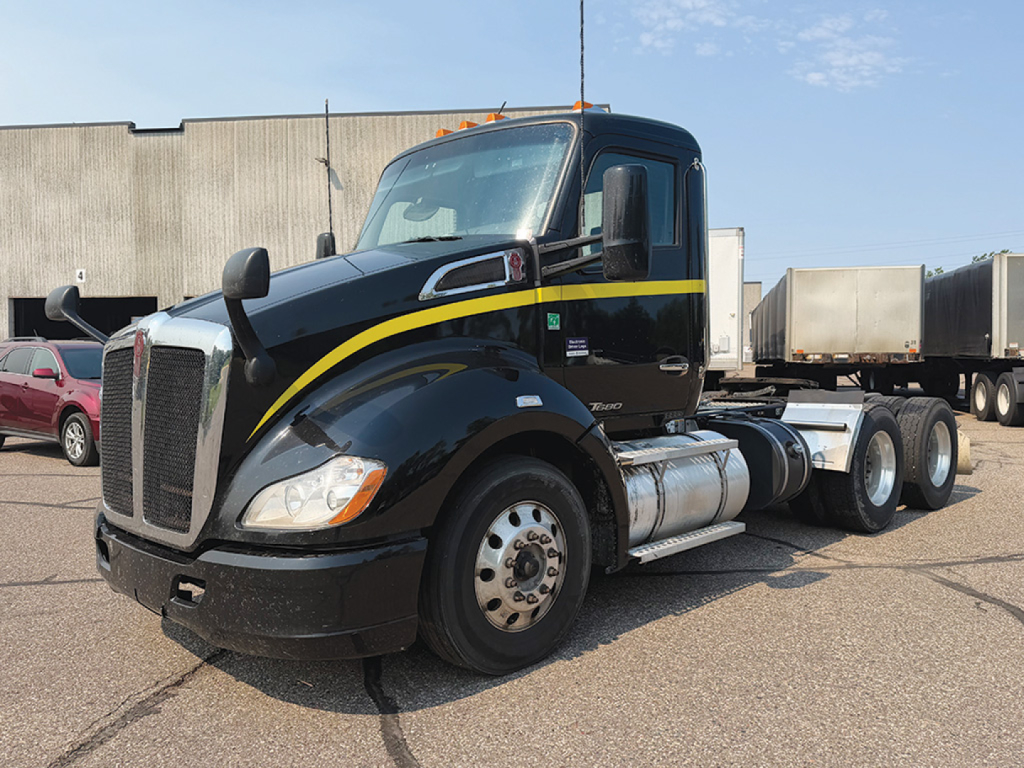
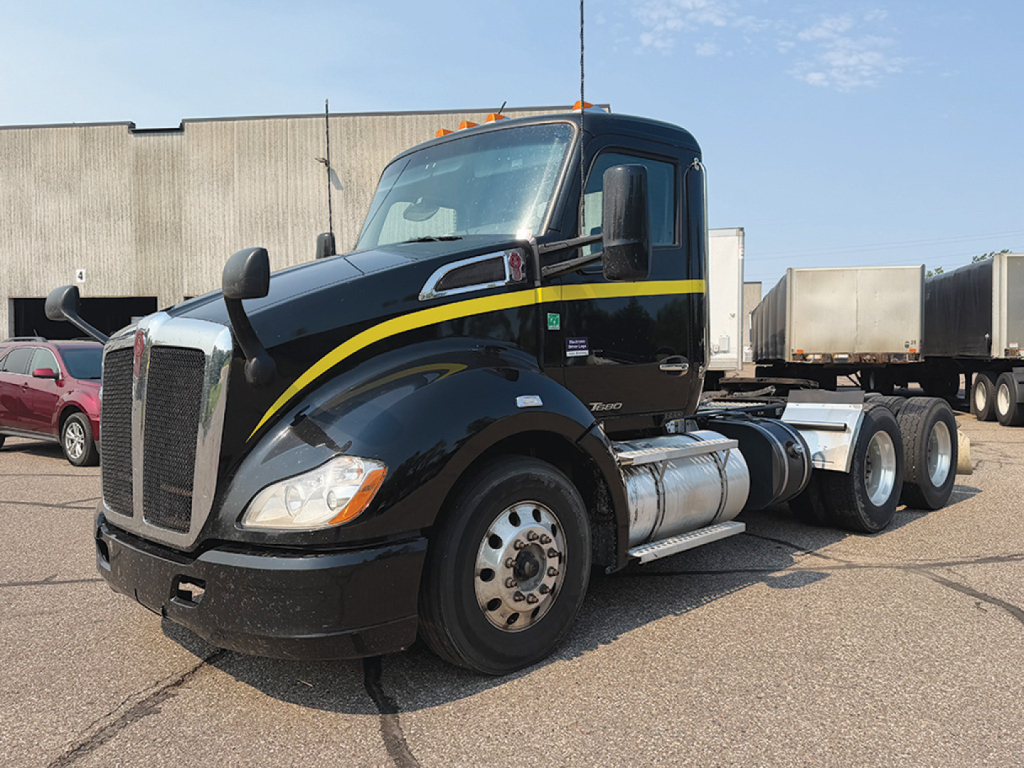
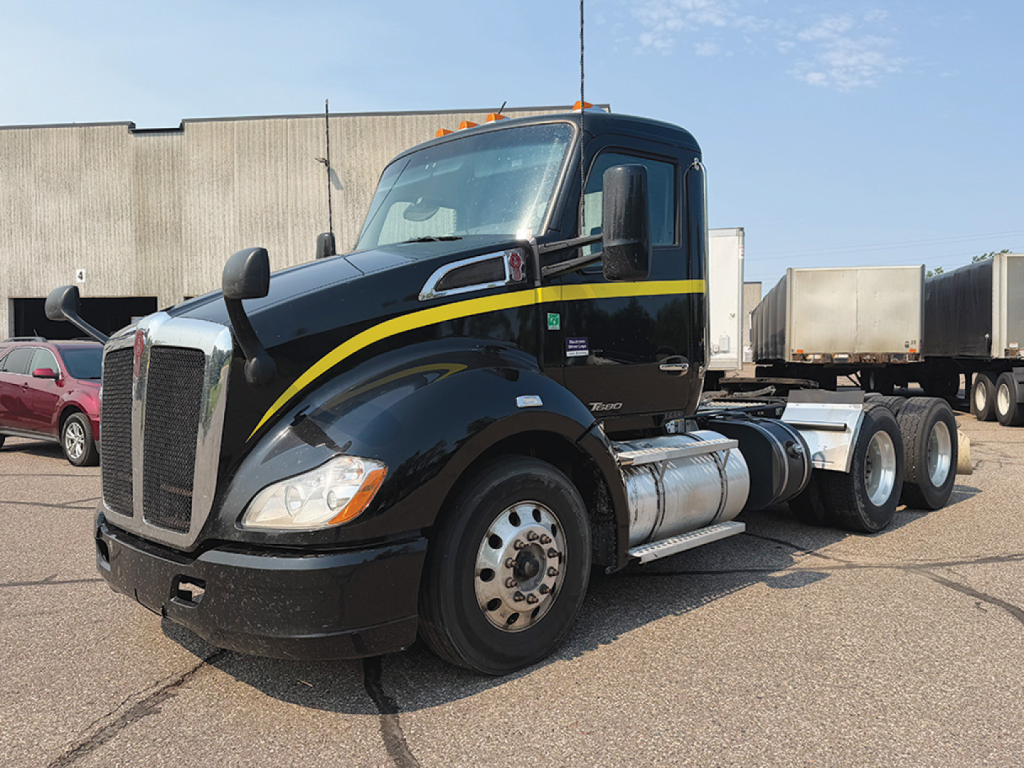
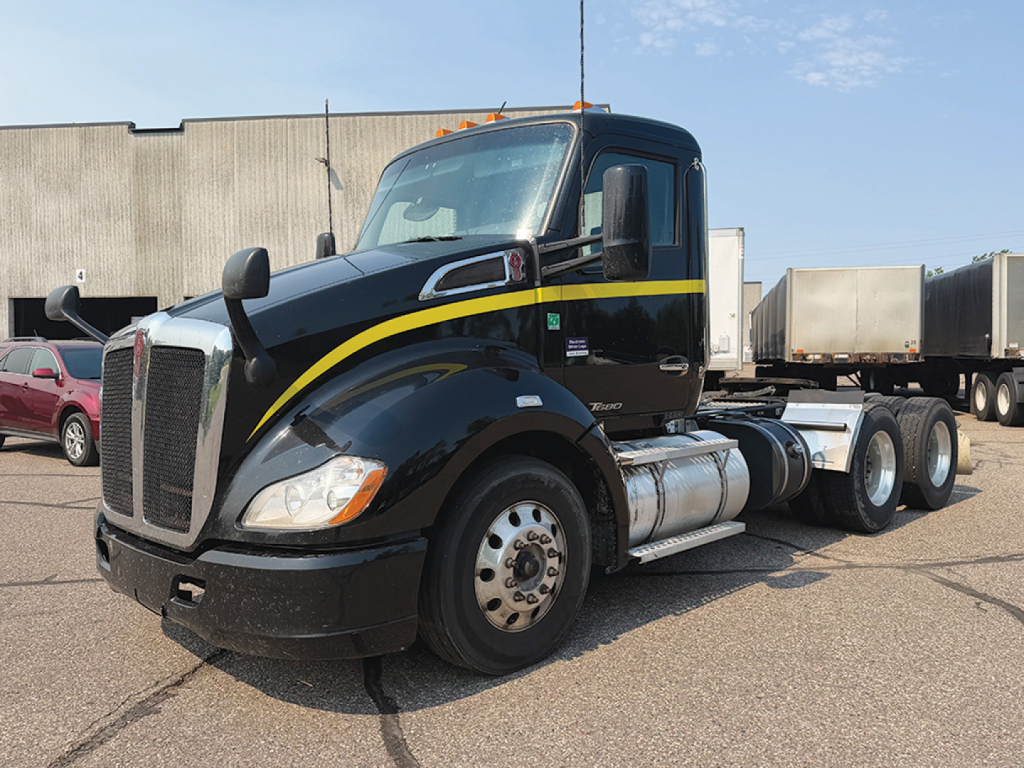
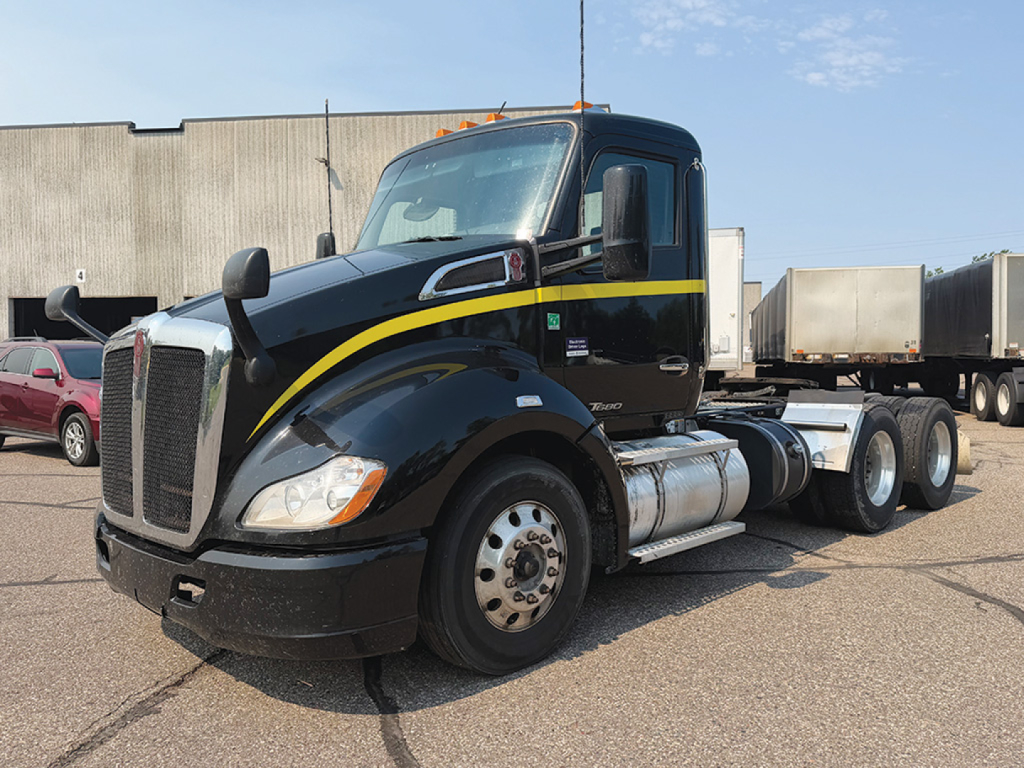
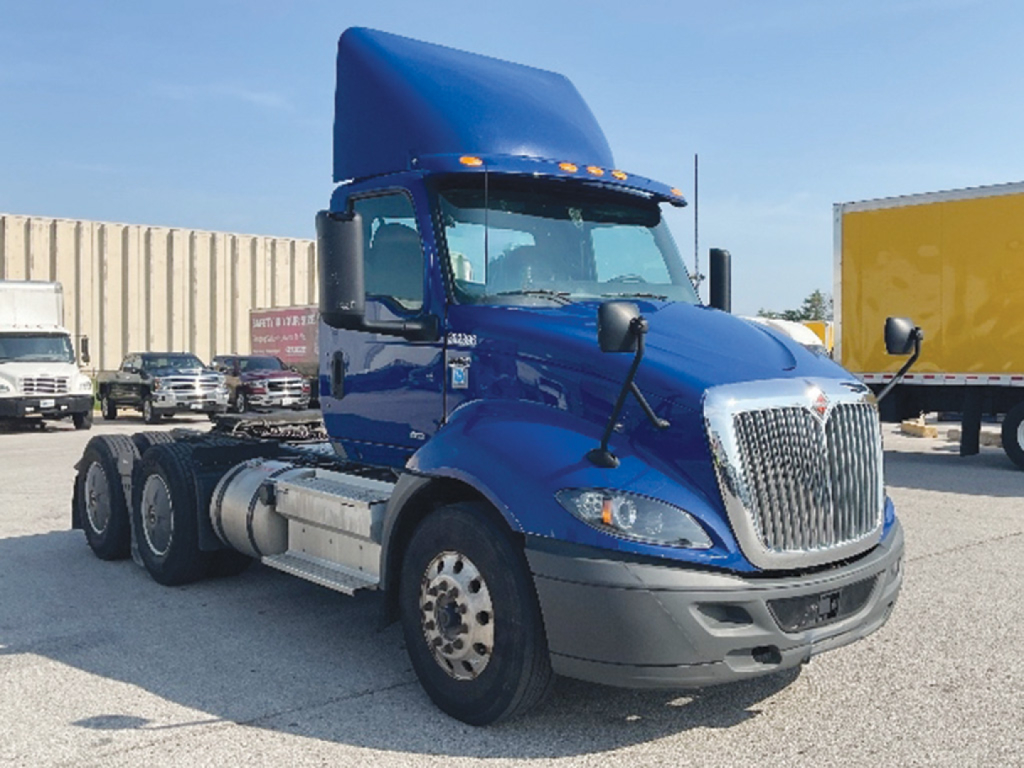
Have used 2020 conventional daycab truck to sell? List it here to reach thousands of buyers.
Used 2020 Conventional Daycab Trucks in Nebraska
The biggest buying decisions usually start with powertrain and wheelbase. Many 2020 conventional daycabs are spec'd with engines in the 400 to 455 horsepower range, paired with automated manual transmissions or traditional manuals, and 40,000 lb rears on air ride suspension. Axle ratio matters more than many buyers expect. A faster ratio like 3.08 can favor fuel mileage and highway regional lanes, while a deeper ratio is often better for heavier starts, vocational pulls, or frequent stop-and-go work. Wheelbases commonly land in the mid-170s to upper-180s, and that number affects trailer swing clearance, bridge law flexibility, and how easily the truck works in tight yards or elevators.
A 2020 daycab often brings the specs fleets now expect: engine brake, air slide fifth wheel, aluminum wheels, dual tanks, cruise, power windows, tilt-telescoping steering, and cleaner aero packages. Buyers should look closely at fifth wheel type, frame layout, and any installed wet kit if the truck may pull end dumps, lowboys, or live floor trailers. Tire setup also changes the truck's role. Low-profile 22.5 rubber is common, while super singles may reduce weight and rolling resistance but are not the right fit for every route or service network. Disc brakes, full-locking differentials, and suspension brand can also influence maintenance cost and resale appeal.
For Nebraska operations, cold weather starting, crosswind stability, and parts support should be part of the evaluation. Service history on aftertreatment components, transmission calibration, and engine software updates is especially important on a used 2020 truck. Check idle hours against PTO use, inspect the DPF and DEF system records, and verify rear axle ratio, GVWR, and kingpin setting against the trailers the tractor will actually pull. The best conventional daycab is not just the cleanest truck on the lot. It is the one whose engine, gearing, chassis layout, and cab configuration match the route, load, and driver turnover profile of the business.
Frequently Asked Questions about Used 2020 Conventional Daycab Trucks in Nebraska
What is a conventional daycab truck used for?
A conventional daycab truck is a highway tractor without a sleeper, designed for loads that do not require overnight accommodations for the driver. It is commonly used for regional freight, local shuttle work, ag hauling, container drayage, tanker, flatbed, and dedicated short-haul routes. The shorter cab and typically shorter wheelbase can improve maneuverability and reduce empty weight compared with a sleeper tractor.
What should I look for in a used 2020 conventional daycab?
Start with the core match between the truck and the job: engine rating, transmission type, rear axle ratio, wheelbase, suspension, and fifth wheel setup. Then review maintenance records for emissions components, clutch or AMT service, brake condition, tire wear, and alignment history. On a 2020 model, it is smart to confirm aftertreatment repairs, software campaigns, and any recurring fault codes because those items can affect uptime more than cosmetic condition.
Is an automatic or manual transmission better in a 2020 daycab?
Automated manual transmissions are common in 2020 daycabs because they help with driver recruitment, reduce training time, and can improve fuel consistency across a fleet. A manual transmission can still make sense for specialized applications, driver preference, or operations that want simpler control in certain off-road or heavy-start conditions. The better choice depends on driver pool, route profile, maintenance support, and how often the truck operates in traffic, loading yards, or variable terrain.
What axle ratio is best for a conventional daycab?
The best axle ratio depends on speed, weight, terrain, and transmission spec. Ratios around 3.08 are often selected for fuel-efficient regional highway work, especially when paired with overdrive automated transmissions. Deeper ratios such as 3.36 or 3.55 can be better for heavier loads, frequent starts, or applications that prioritize pull and responsiveness over lowest cruise RPM. Buyers should compare the ratio to typical gross weight and road speed, not just engine horsepower.
Are daycab trucks a good fit for Nebraska operations?
Yes, daycab trucks are a strong fit for many Nebraska fleets because many lanes are regional and return-to-base, especially in agriculture, feed, livestock support, construction supply, and short-haul van or reefer service. Buyers should still spec for local realities such as winter cold starts, wind exposure, rural service access, and seasonal weight demands. A truck with the right gearing, fuel capacity, and maintenance history will usually outperform a newer-looking unit that is mismatched to the route.