
Used 2020 Kenworth Conventional Daycab Trucks For Sale in Nebraska
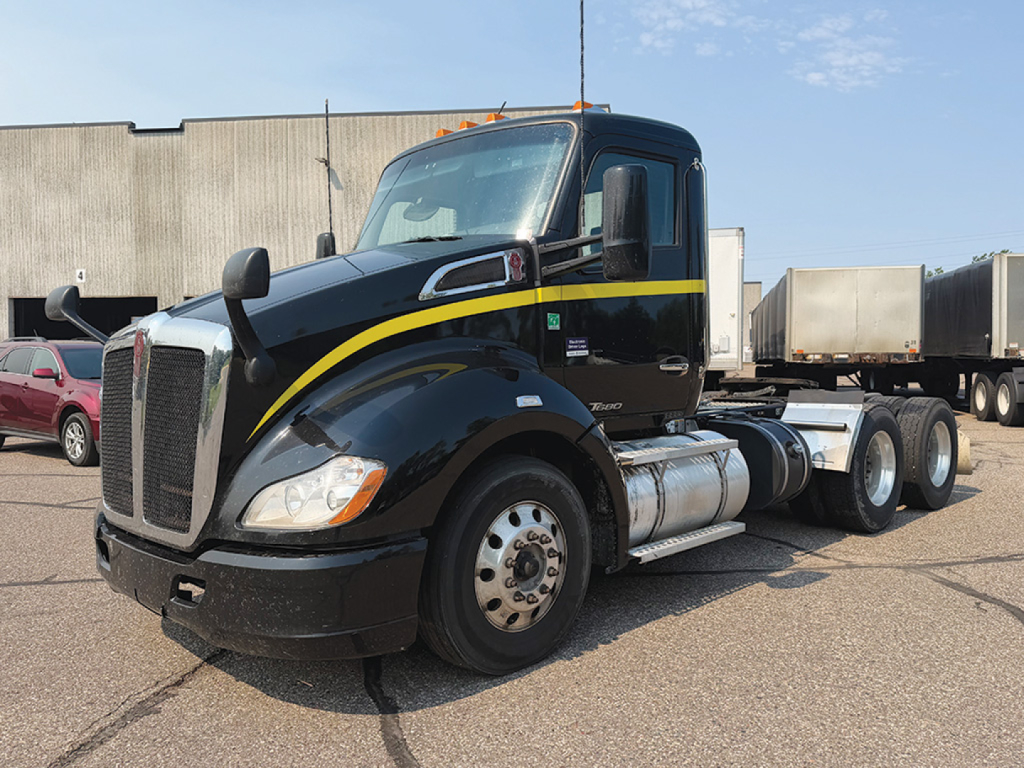
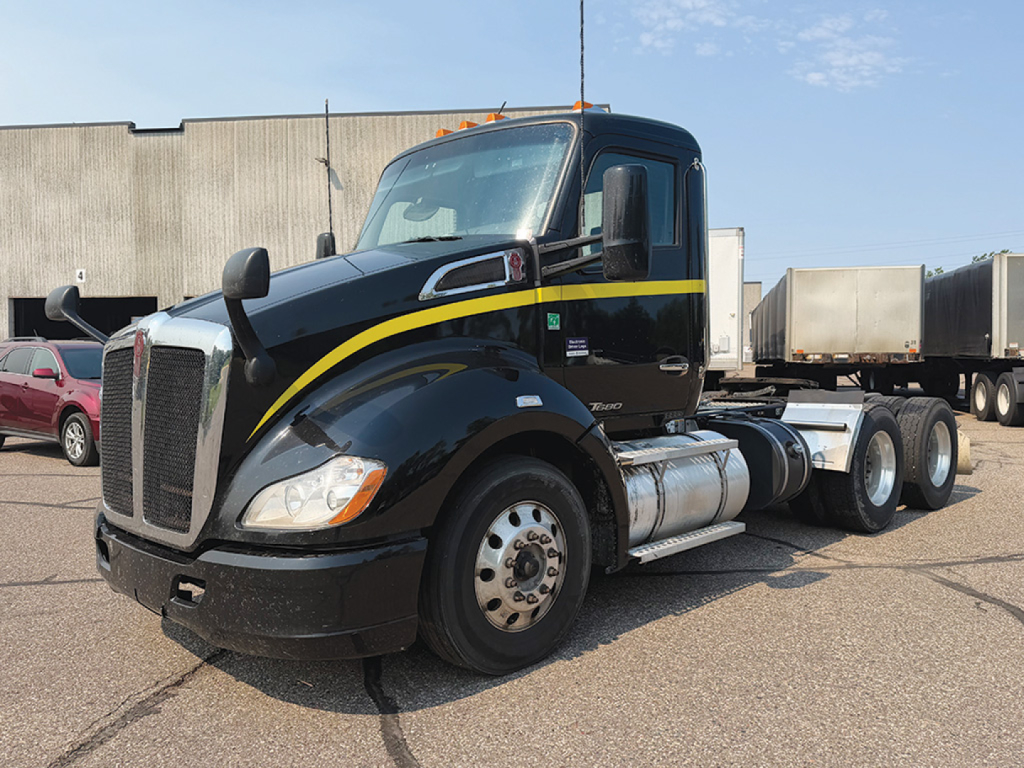
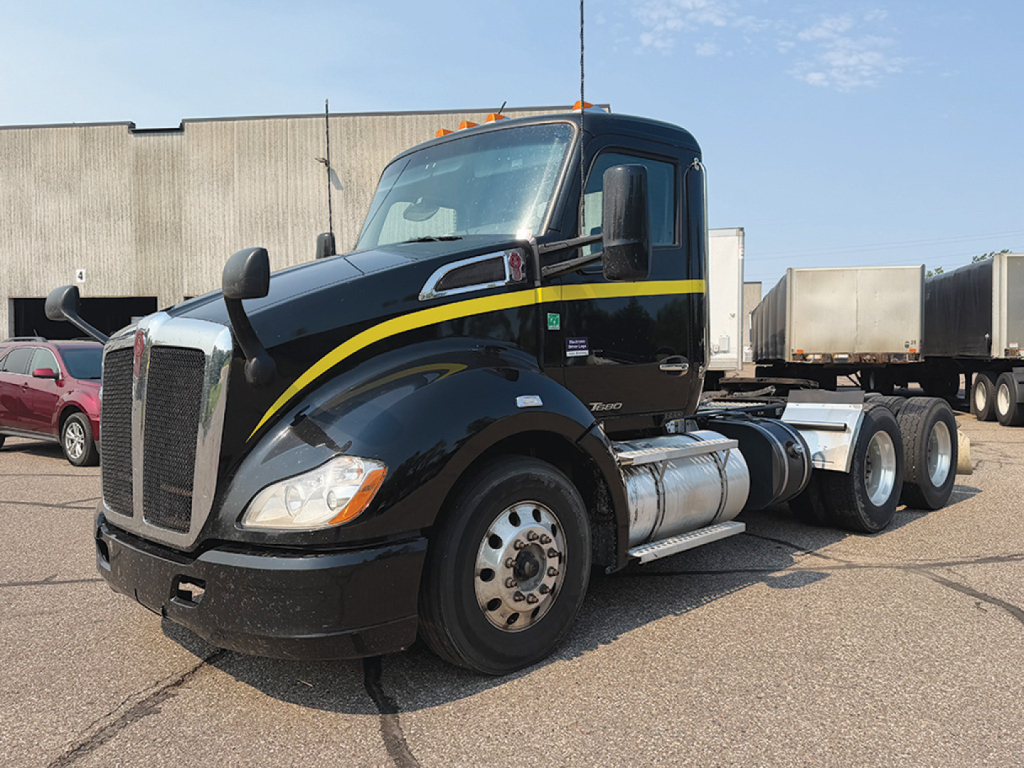
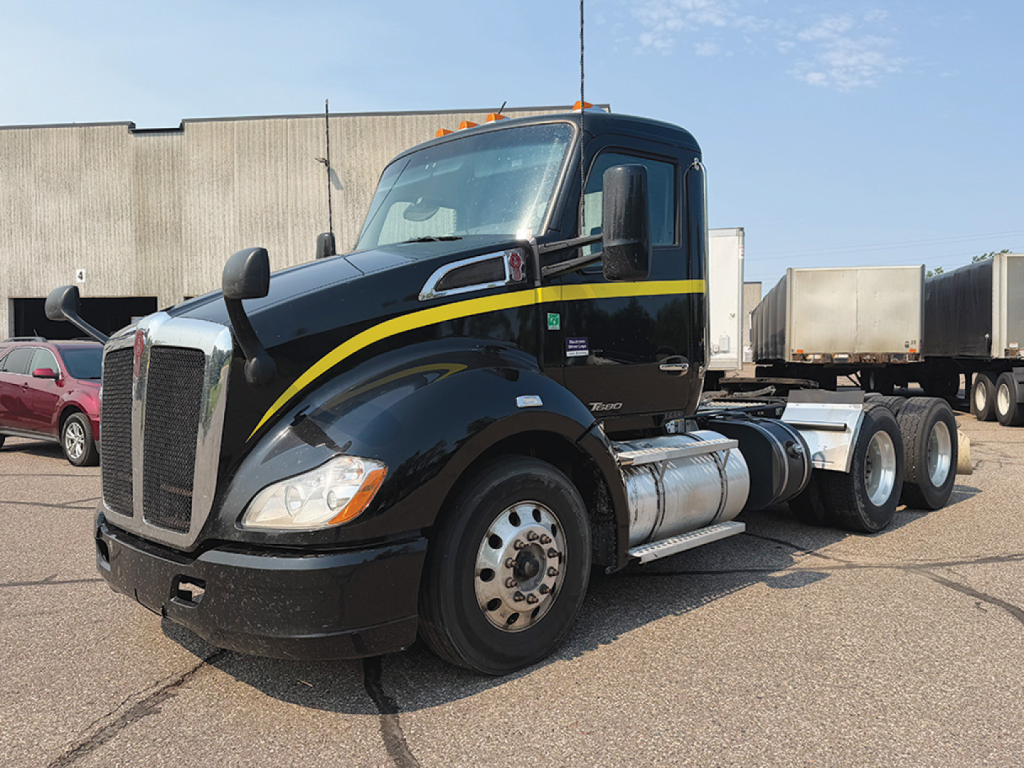
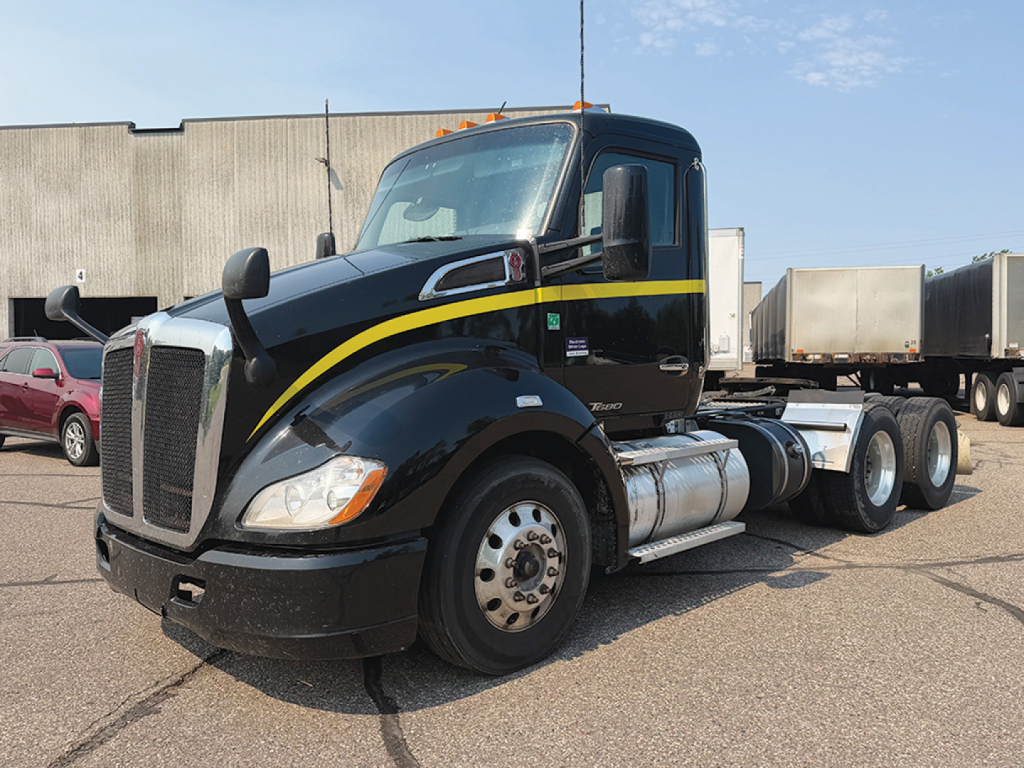
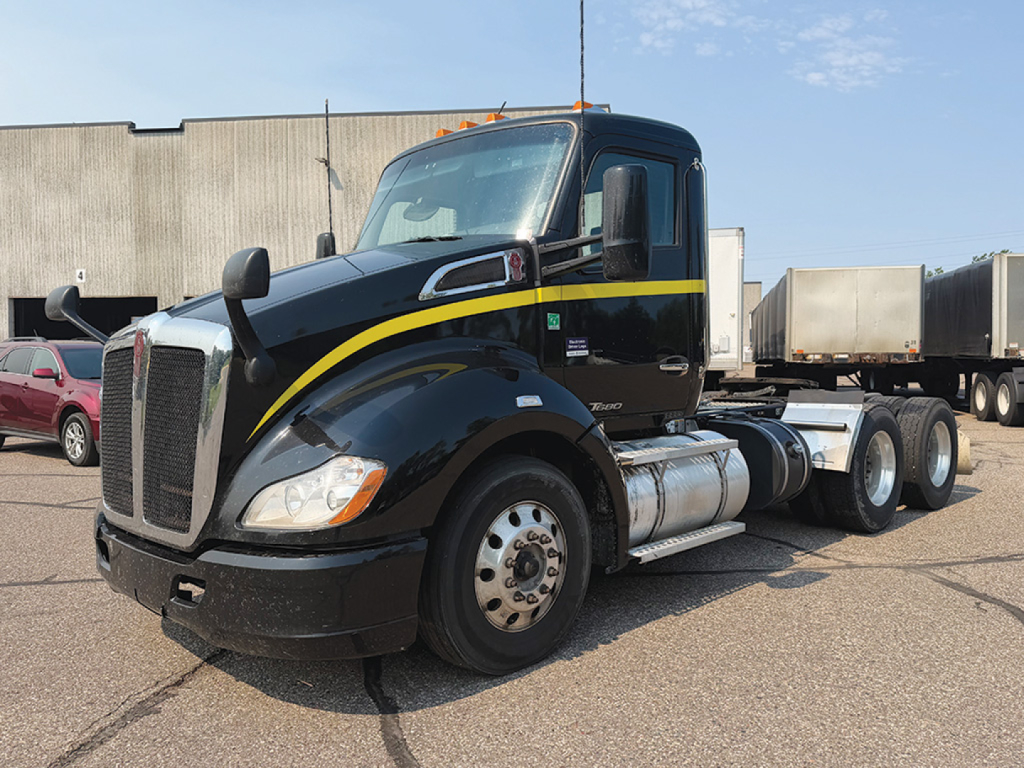
Have used 2020 kenworth conventional daycab truck to sell? List it here to reach thousands of buyers.
Used 2020 Kenworth Conventional Daycab Trucks in Nebraska
The biggest buying decisions usually come down to engine, transmission, axle ratio, and wheelbase. Many 2020 Kenworth daycabs are spec'd with the PACCAR MX-13, often in the mid-400 horsepower range, paired to an automated transmission such as the PACCAR 12-speed. That combination is common in fleets focused on fuel economy, driver turnover reduction, and easier operation in stop-and-go traffic. A 40,000 lb rear axle setup with air ride suspension is also typical, and ratios around 2.79 to 3.08 are common for highway-oriented regional work. Shorter wheelbases, often in the mid-180-inch range, improve turning radius and make it easier to match the truck to van, reefer, or flatbed service where dock access and yard maneuverability matter.
Cab configuration and chassis details deserve close attention on a used 2020 model. Daycabs in this class often include an air slide fifth wheel, aluminum fuel tanks, power windows, tilt and telescoping steering, cruise control, and engine brake. Buyers should confirm whether the truck has disc or drum brakes, single or dual fuel tanks, low-profile 22.5 rubber or another tire package, and the exact fifth wheel travel if the tractor will switch between trailer lengths or kingpin settings. Aerodynamic equipment such as cab extenders, fairings, and quarter fenders can also affect fuel burn and trailer compatibility. If the truck will stay on sealed roads and pull dry vans or reefers, a lighter fleet spec may be ideal. If it will see rough yards, heavier loads, or PTO-related vocational crossover work, frame rating, suspension type, and rear axle capacity become more important.
A used 2020 Kenworth conventional daycab can be a strong fit for fleets that want modern emissions-era technology without stepping into a brand-new purchase. Service history, idle hours, aftertreatment maintenance, tire wear patterns, and transmission calibration matter as much as the headline horsepower rating. Buyers in Nebraska often prioritize clean rust-free chassis condition, cold-weather starting performance, and gearing that supports long stretches of interstate operation without sacrificing launch performance under load. When the spec is right, a 2020 Kenworth daycab offers a durable regional tractor with strong driver acceptance, good visibility, and a configuration that works across general freight, tanker, flatbed, and terminal applications.
Frequently Asked Questions about Used 2020 Kenworth Conventional Daycab Trucks in Nebraska
What is a 2020 Kenworth conventional daycab best used for?
A 2020 Kenworth conventional daycab is best suited for regional hauling, local delivery, dedicated fleet routes, port or terminal drayage, and day-trip freight that does not require overnight accommodations. The non-sleeper layout reduces overall weight and length, which helps with maneuverability, payload flexibility, and yard access. Many buyers use these trucks for van, reefer, flatbed, and tanker work where drivers return home daily.
What engine and transmission specs are common in a used 2020 Kenworth daycab?
One of the most common setups is a PACCAR MX-13 engine paired with an automated manual transmission, often a PACCAR 12-speed. Horsepower ratings in the mid-400s are typical for highway and regional work, and many trucks include an engine brake for better control on grades and reduced service brake wear. Rear axle ratings around 40,000 lbs with air ride suspension are common, and axle ratios are often selected to balance launch performance with fuel economy.
Why does wheelbase matter on a Kenworth daycab?
Wheelbase affects turning radius, trailer swing clearance, bridge law flexibility, and how the tractor handles different trailer types. A shorter wheelbase is generally better for tight terminals, city routes, and frequent docking. A slightly longer wheelbase can improve ride quality and allow for larger fuel capacity or different fifth wheel placement. Buyers should match wheelbase to trailer length, kingpin setting, and the operating environment rather than choosing on appearance alone.
What should buyers inspect on a used 2020 Kenworth T680 daycab?
Key inspection points include engine fault history, aftertreatment condition, transmission operation, suspension wear, brake type and remaining life, tire wear patterns, and fifth wheel condition. It is also important to review maintenance records for DPF service, DEF system repairs, coolant and oil service intervals, and any emissions-related work. On fleet-spec daycabs, check cab interior wear, idle hours, and signs of alignment or frame issues, especially if the truck worked in heavy terminal service.
Are 2020 Kenworth daycabs a good fit for Nebraska operations?
Yes, they are often a strong fit for Nebraska because they work well in regional freight lanes, agricultural support hauling, industrial freight, and interstate traffic. The aerodynamic conventional layout is efficient on long highway stretches, while the daycab configuration still gives operators the agility needed for elevators, yards, and distribution centers. Buyers should pay close attention to cold-weather reliability, tire spec, fuel capacity, and axle gearing to make sure the truck matches local terrain and route length.