
Used 2017 Trucks For Sale in New York
Browse used 2017 trucks for sale in New York, including day cabs, vocational trucks, and fleet units with diesel power and work-ready specs.
Learn more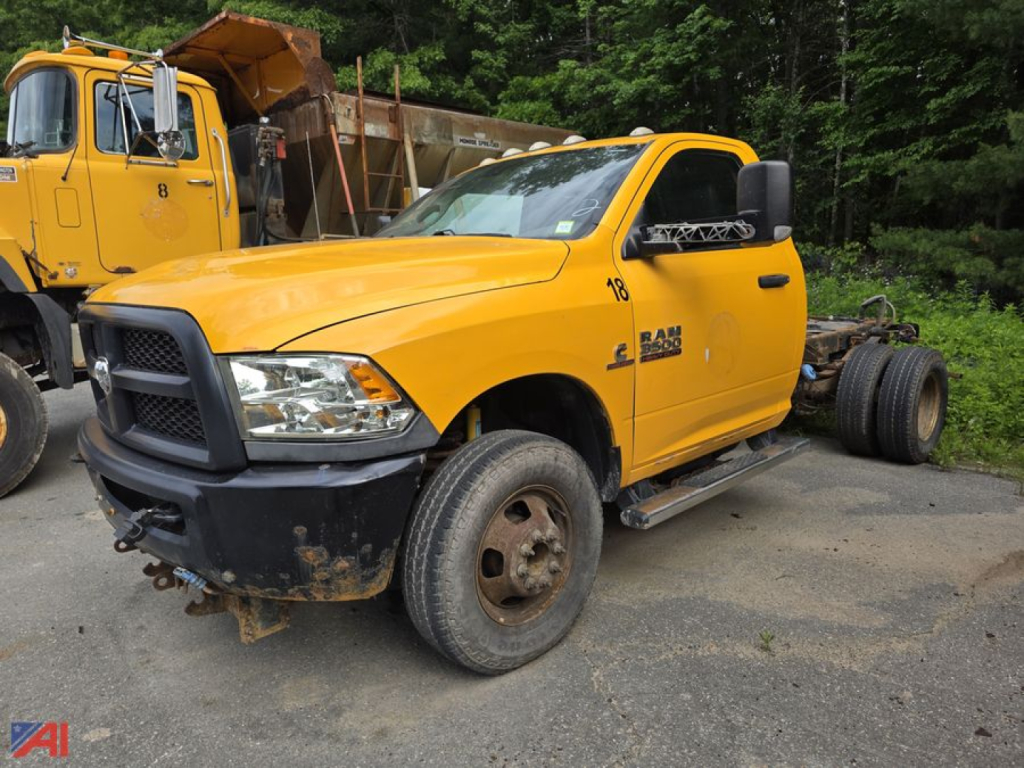
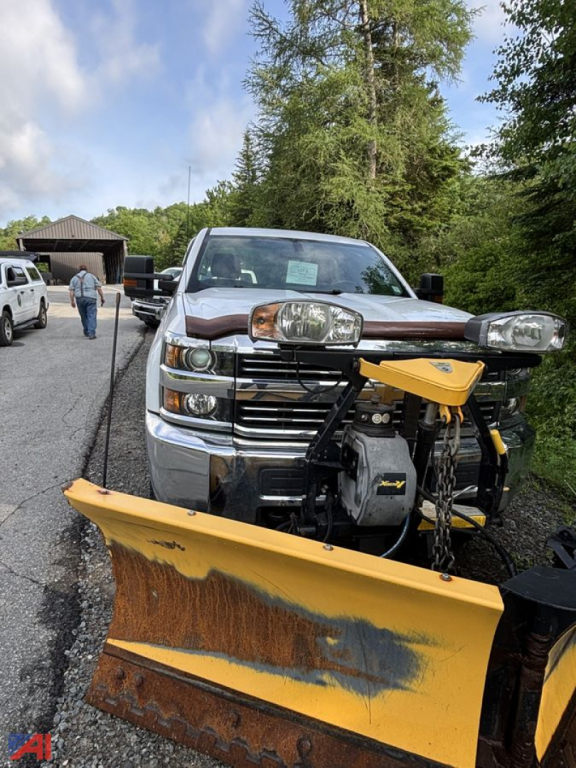
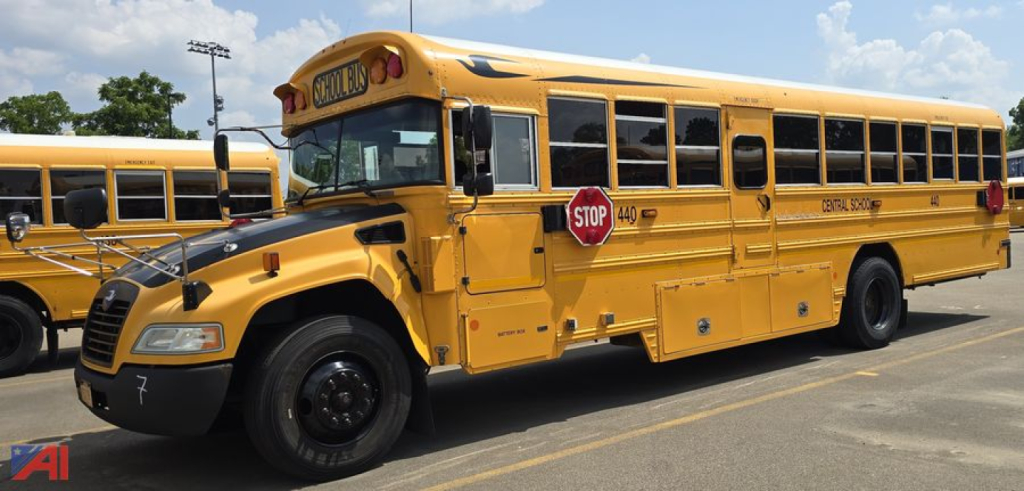
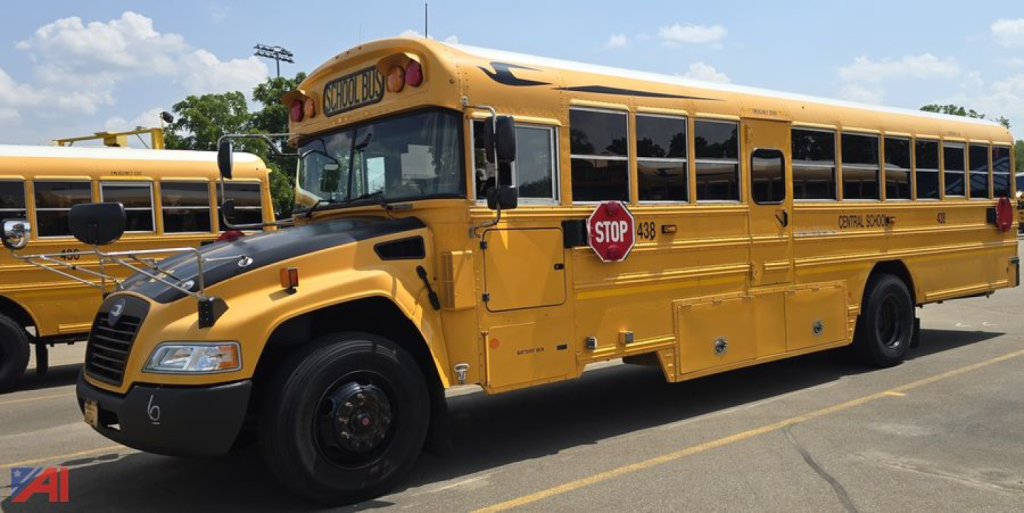
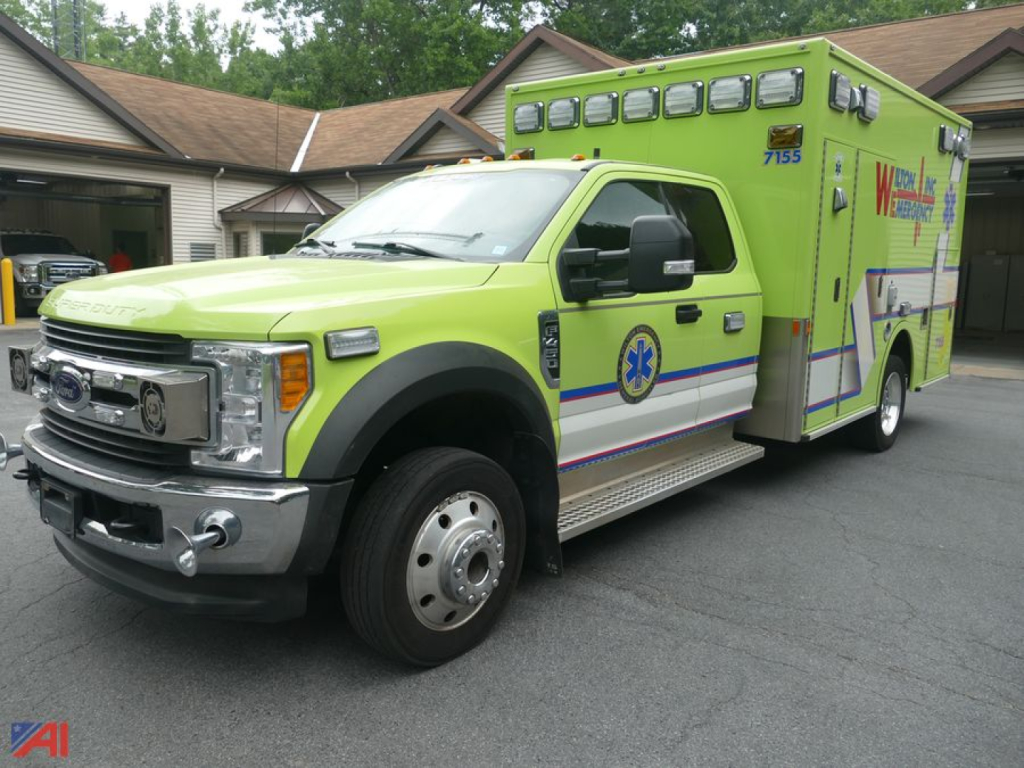
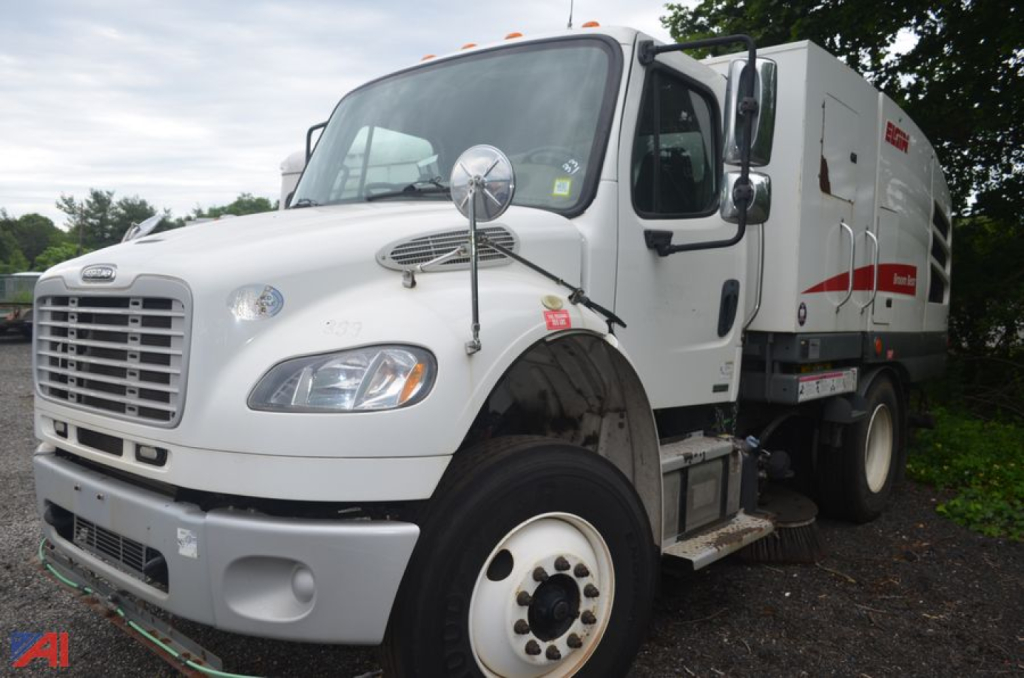
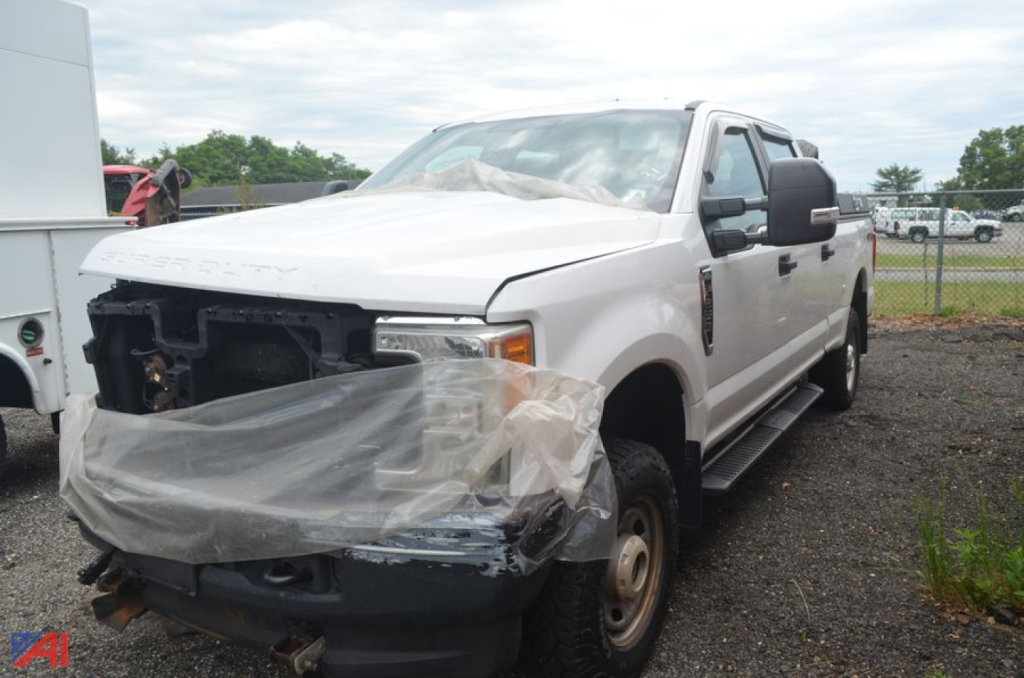
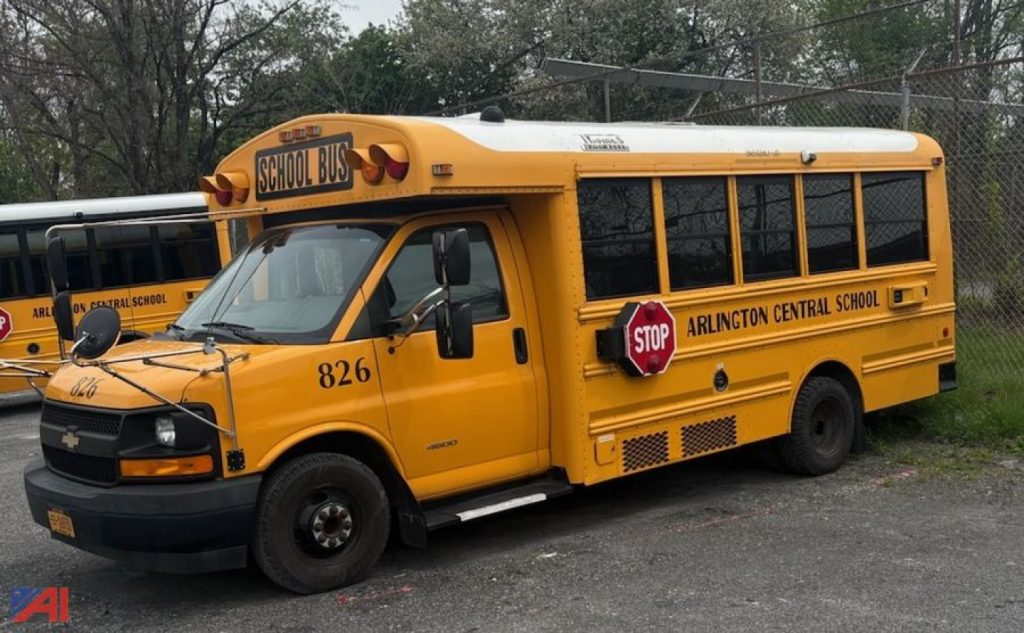
Showing 1 to 12 of 34 results
Have used 2017 truck to sell? List it here to reach thousands of buyers.
About Used 2017 Trucks in New York
The first buying decision is usually application, not brand. A 2017 tandem-axle highway tractor for regional freight will have a very different spec than a 2017 single-axle day cab, dump truck, bucket truck, reefer straight truck, or terminal tractor. In New York, that matters because route density, bridge laws, urban maneuverability, winter conditions, and idle time all affect what spec works best. Buyers should look closely at axle configuration, wheelbase, GVWR or GCWR, suspension type, rear axle ratio, and transmission setup. A 4x2 day cab with a 154-inch to 160-inch wheelbase and a 10-speed or automated manual may suit metro and regional lanes, while a 6x4 tractor with a 3.08 to 3.55 ratio, air ride suspension, and sliding fifth wheel is more typical for heavier linehaul or vocational crossover use.
Because these are used 2017 trucks, maintenance history and aftertreatment condition deserve as much attention as mileage. This model year commonly includes DEF systems, diesel particulate filters, and more electronically managed engines and braking systems. A buyer should verify engine hours against odometer readings, review any fault history, and inspect DPF, SCR, EGR, and one-box service records where available. On New York trucks, corrosion can be a bigger issue than in southern markets, so frame rails, crossmembers, cab mounts, battery boxes, brake hardware, fuel tanks, and wiring connections should be checked carefully for rust and winter-road exposure. If the truck is a day cab or vocational unit, also inspect PTO provisions, wet kit setup, hydraulic lines, stationary or air-slide fifth wheel condition, and any body or upfit integration.
Cab condition, brake type, and tire spec can also change the value of a 2017 truck quickly. Air disc brakes, air ride cabs, hub-pilot wheels, 11R22.5 rubber, and driver-comfort options may lower downtime and improve resale appeal. For fleet buyers, consistency in powertrain spec and wheelbase can simplify parts stocking and technician training. For single-truck buyers, the better value is often the truck with the clearest service history, strongest driveline match for the job, and least deferred maintenance, not simply the newest badge or highest horsepower rating. A well-matched used 2017 truck can still deliver solid service life in regional freight, municipal work, construction support, and specialized vocational applications across New York.
Frequently Asked Questions
What should I look for first when buying a used 2017 truck in New York?
Start with application fit, then move to condition. Confirm the truck’s axle configuration, wheelbase, GVWR or GCWR, engine horsepower, transmission type, and rear axle ratio match the work you need it to do. After that, inspect maintenance records, engine hours, emissions-system service history, and signs of rust or corrosion from winter road treatment. In New York, frame condition, brake components, wiring, and cab structure are especially important inspection points.
Are 2017 trucks a good balance between price and modern equipment?
Yes. Many 2017 trucks offer a useful middle ground between older pre-emissions-era pricing and newer late-model costs. They are often equipped with more refined cabs, better electronic controls, DEF-based aftertreatment, and common automated manual transmissions or improved manual driveline options. That makes them attractive to buyers who want contemporary fleet features without paying near-new pricing.
How important is emissions-system history on a used 2017 diesel truck?
It is critical. A 2017 diesel truck will typically rely on a DPF, SCR, DEF dosing components, sensors, and related emissions controls that can become expensive if neglected. Buyers should ask for documentation showing filter cleaning intervals, sensor replacements, fault-code repairs, and any one-box or EGR work. A truck with complete aftertreatment records is generally a safer buy than one with missing history, even if both have similar mileage.
What truck specs are most common in used 2017 day cabs and regional tractors?
Common specs include single-axle 4x2 and tandem-axle 6x4 layouts, wheelbases in the mid-150-inch to low-170-inch range, 10-speed manuals or automated manuals, and rear axle ratios geared for regional fuel economy and startability. Engines in the mid-300 to 500 horsepower range are typical depending on the application. Air ride suspension, engine brakes, and 11R22.5 tire setups are also common in this model year.
Does mileage matter more than engine hours on a used 2017 truck?
Neither should be viewed alone. Mileage shows road use, but engine hours help reveal idle time, PTO time, and low-speed vocational use that may not appear in the odometer reading. A truck with moderate mileage and very high hours may have more engine wear than the odometer suggests. The best evaluation compares mileage, ECM hours, maintenance records, and the truck’s actual job history.