
Used 2017 Conventional Daycab Trucks For Sale in New York
Shop used 2017 conventional daycab trucks in New York. Compare wheelbase, axle ratings, engine, transmission, and spec for regional haul work.
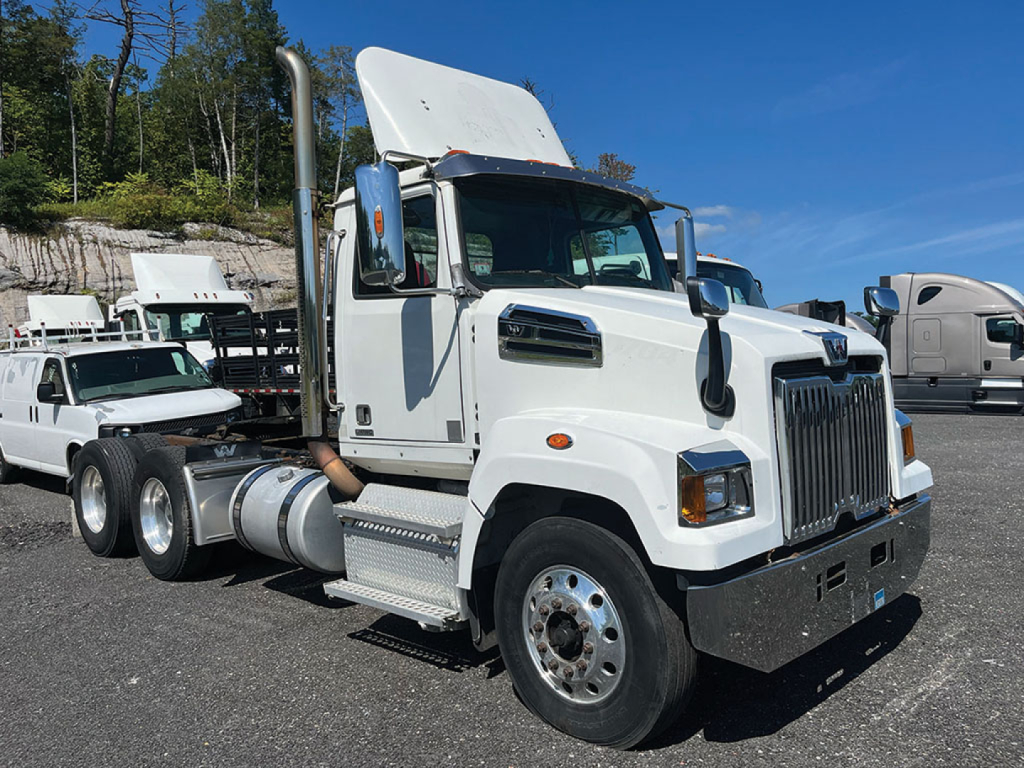
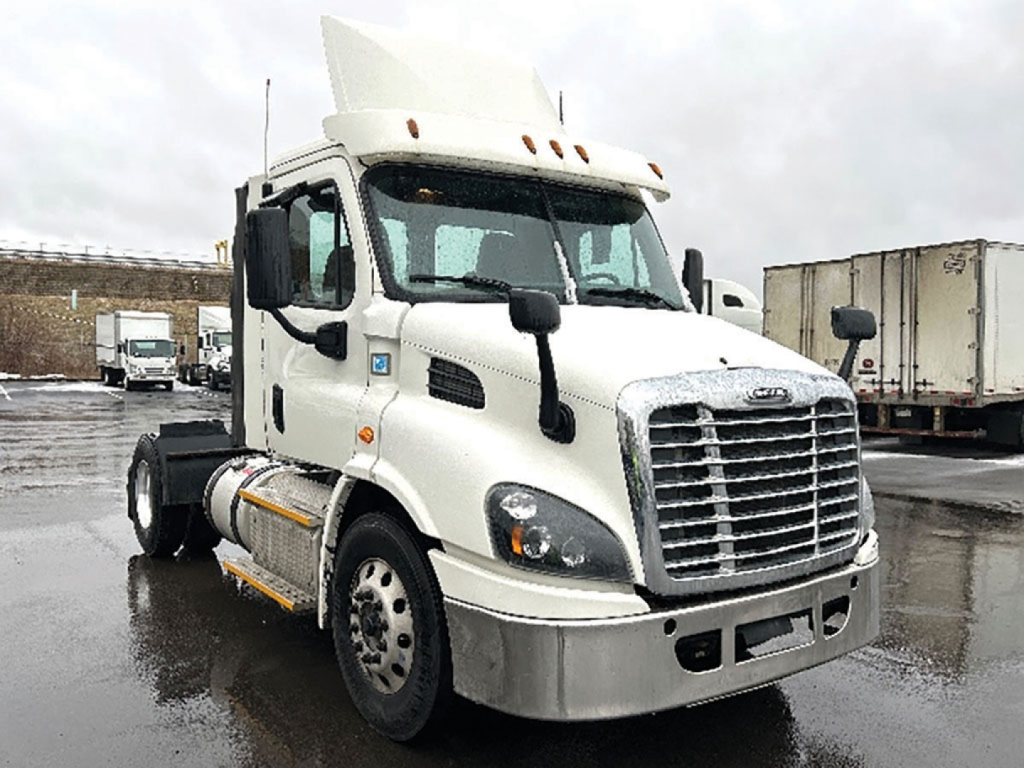
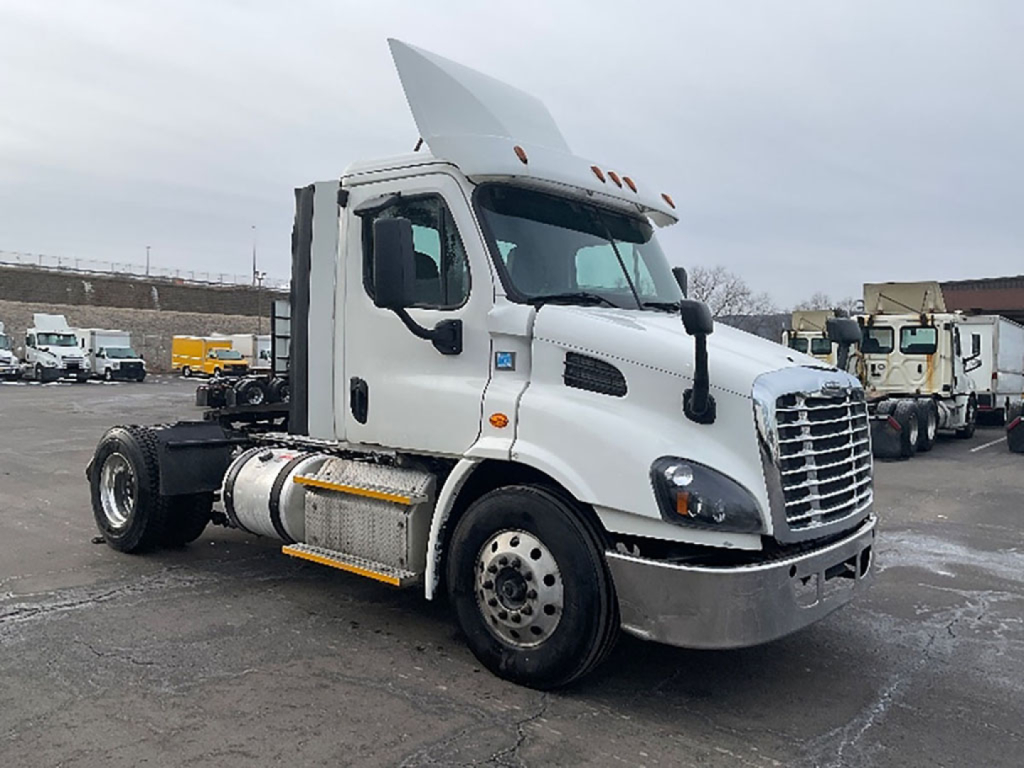
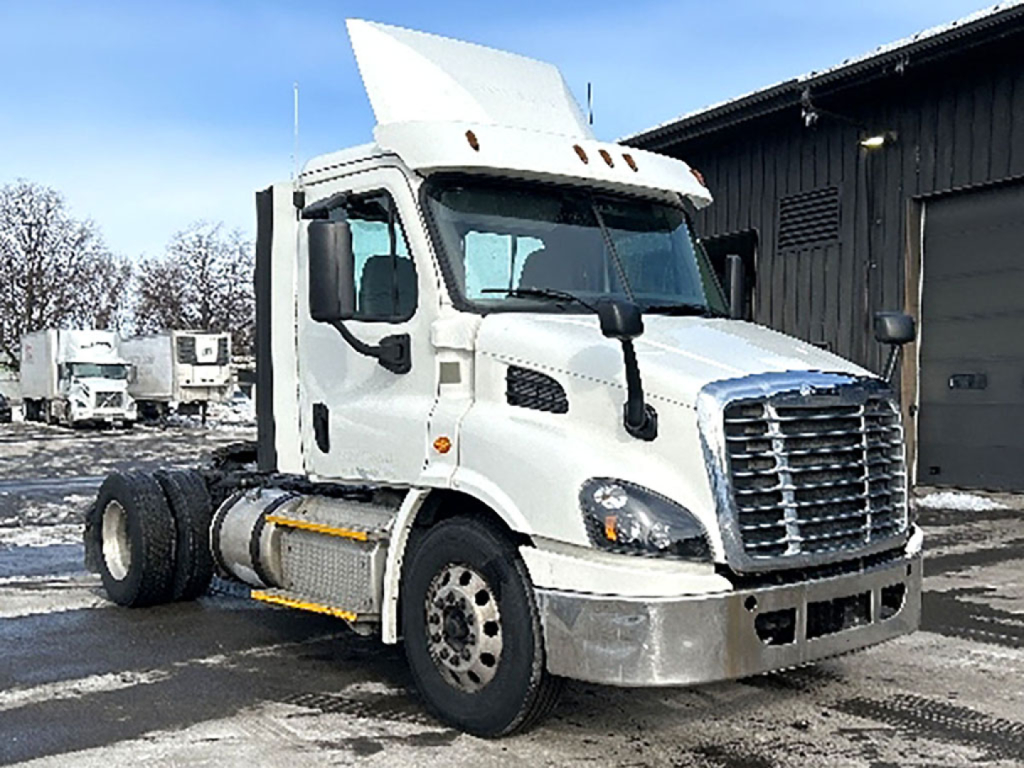
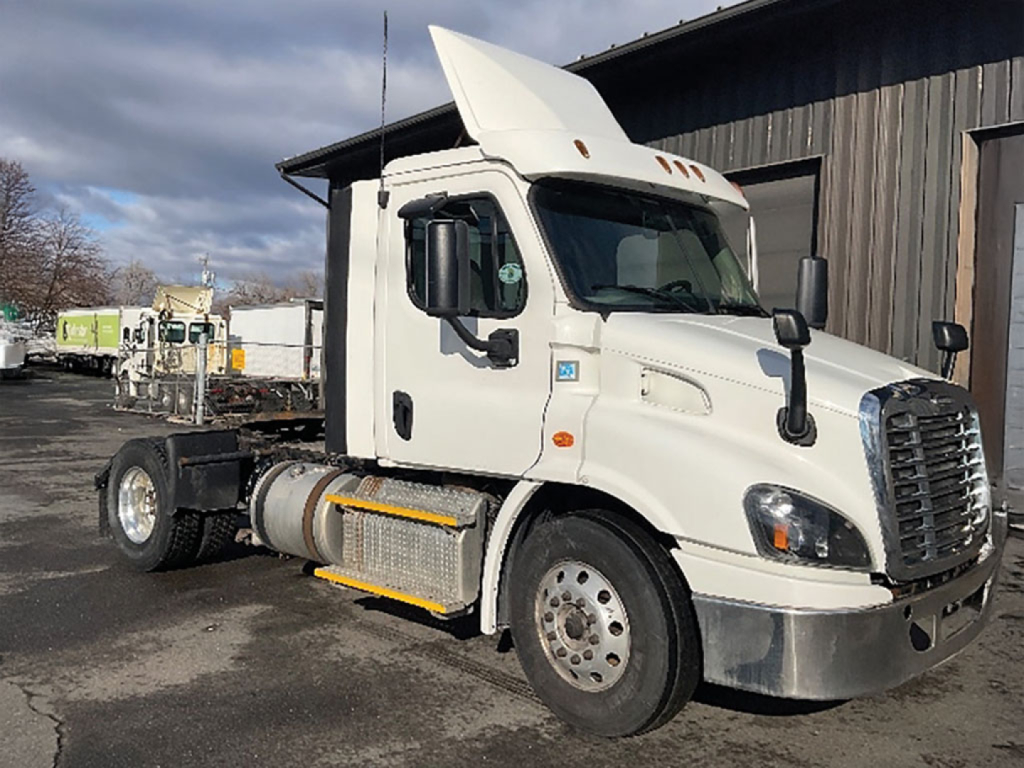
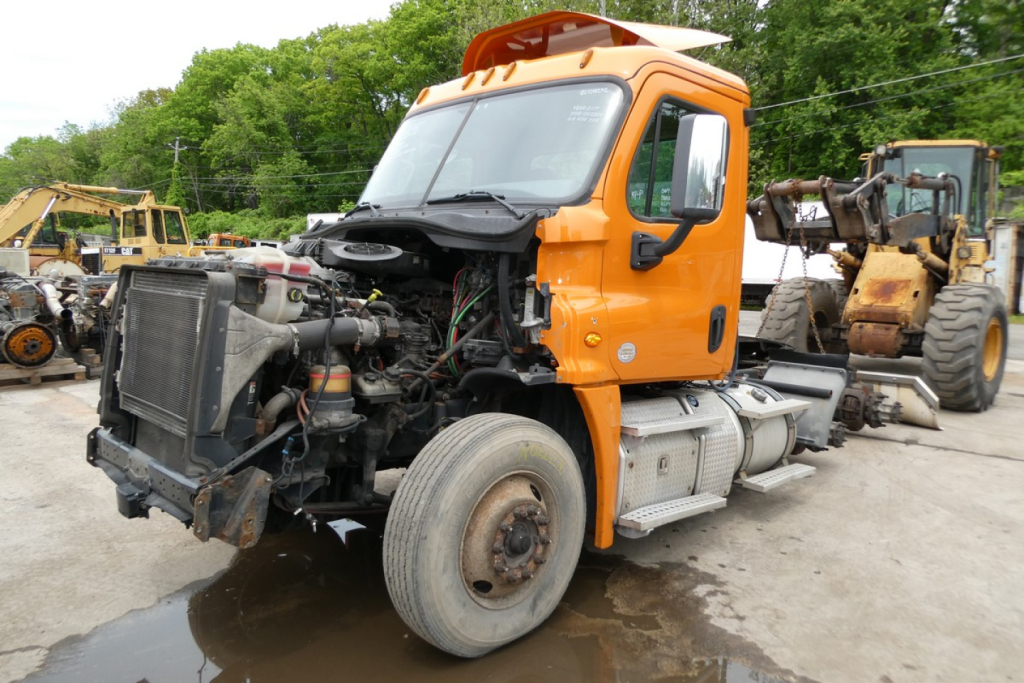
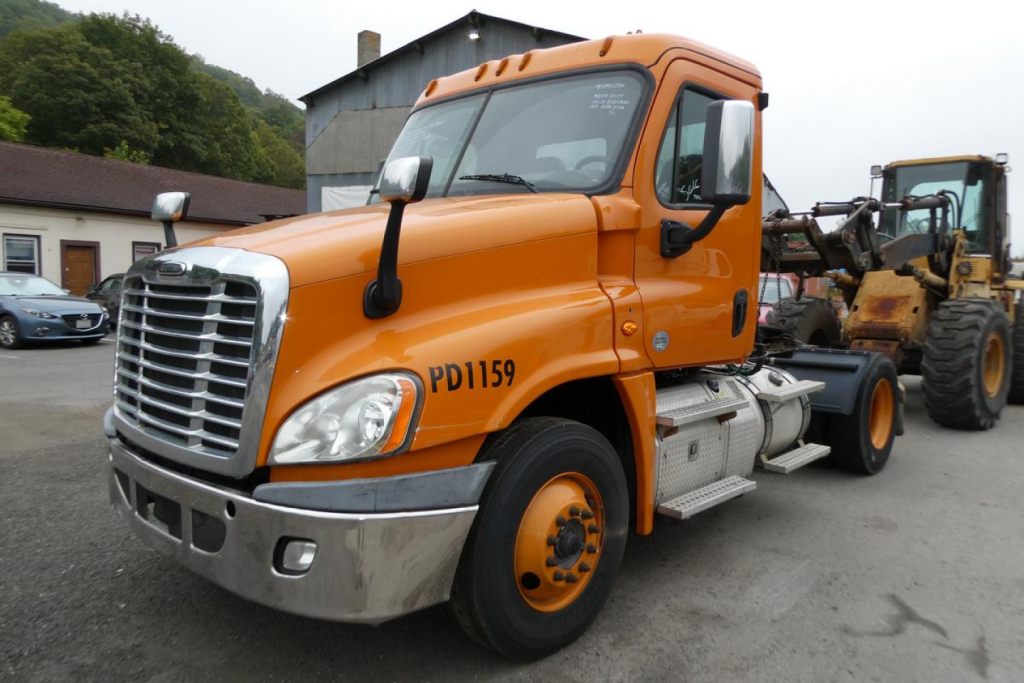
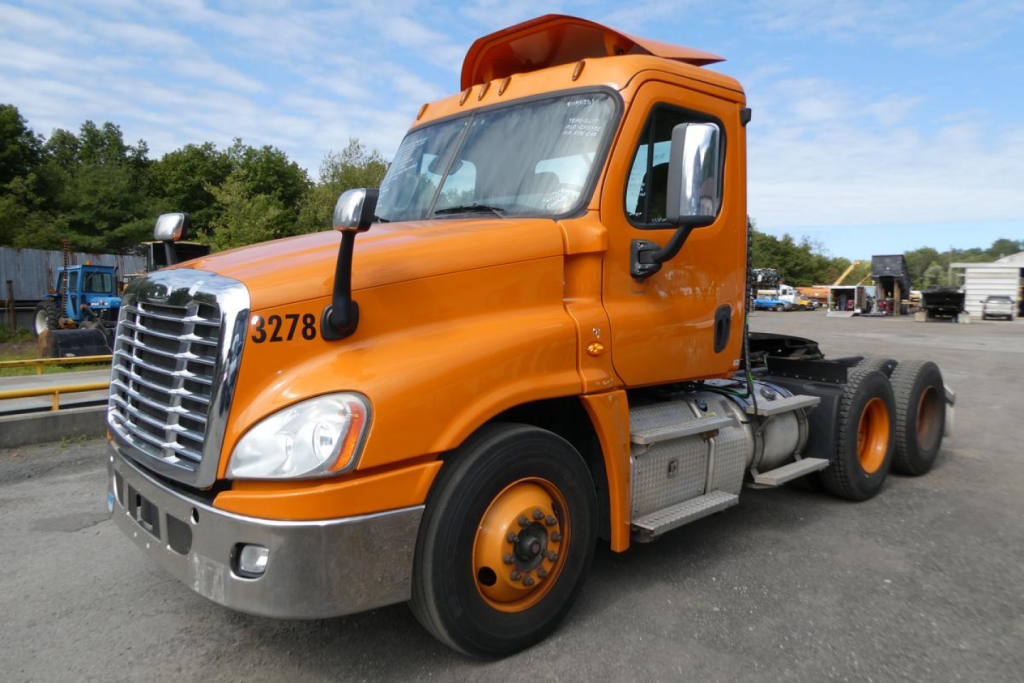
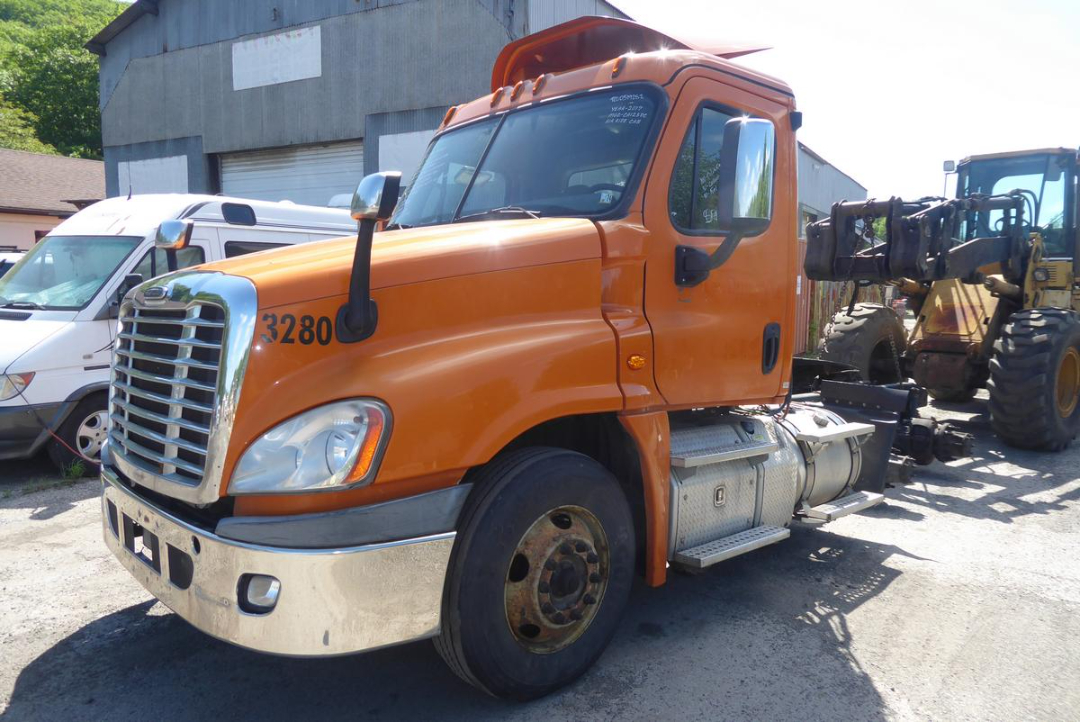
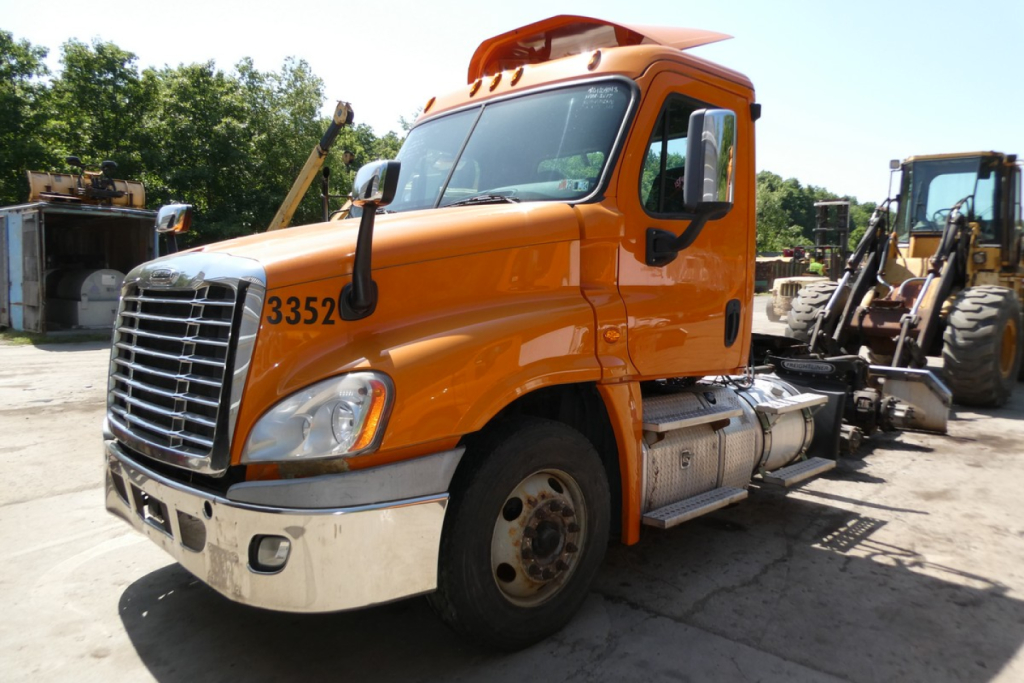
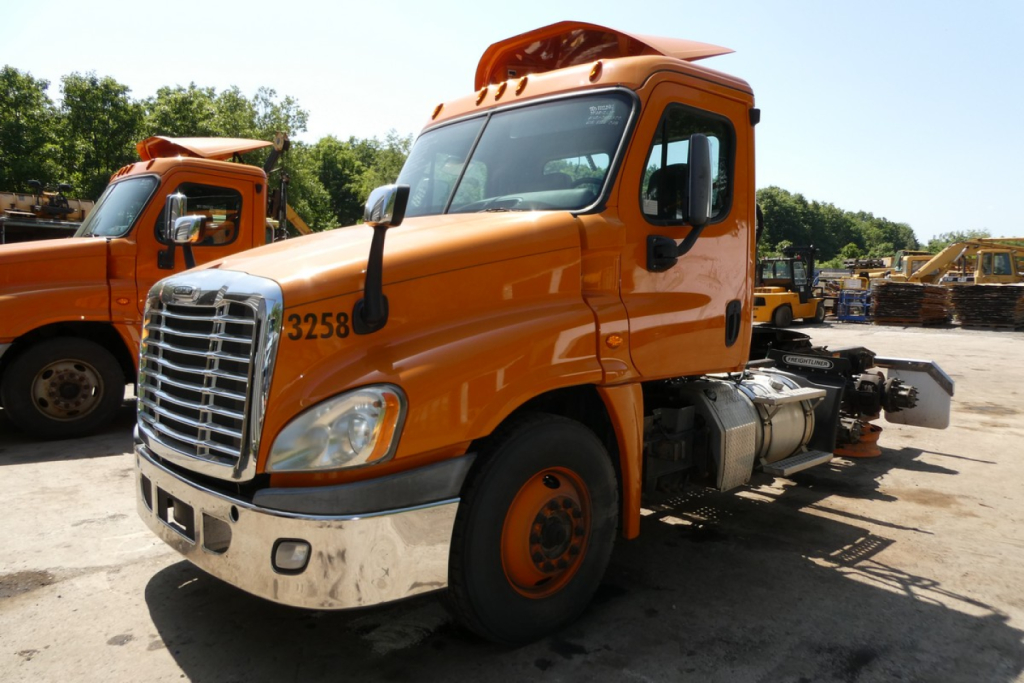
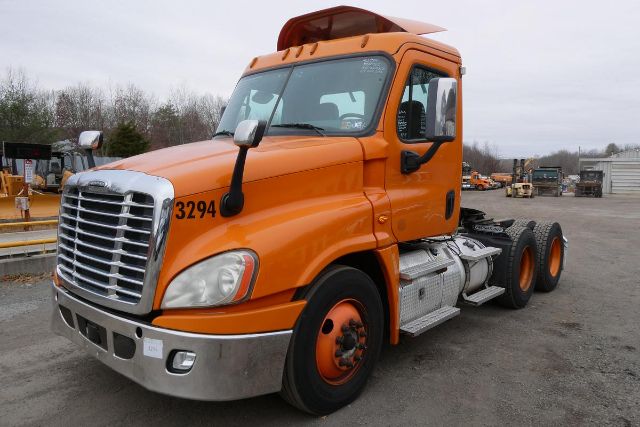
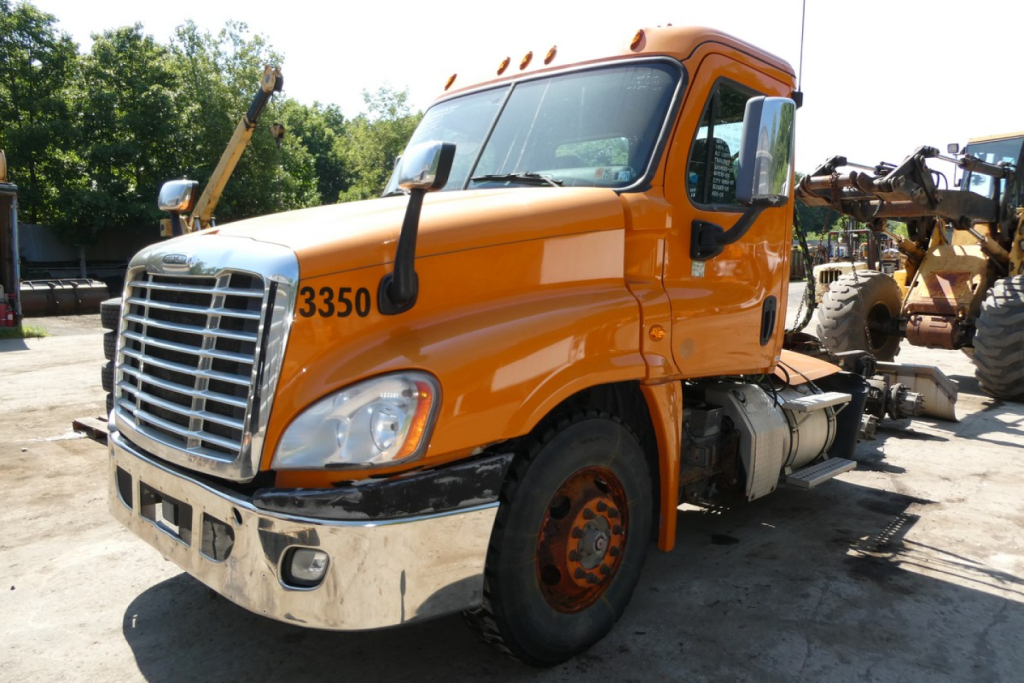
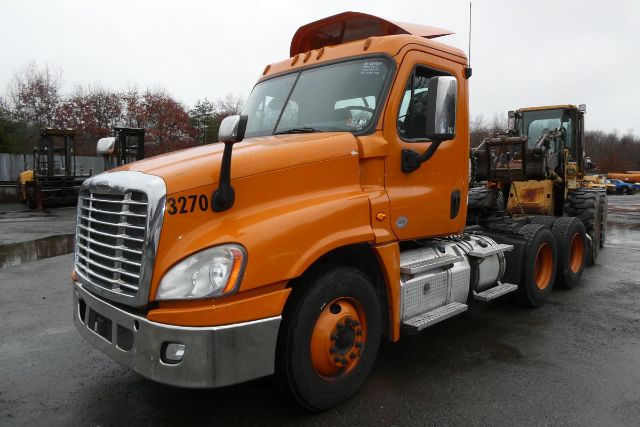
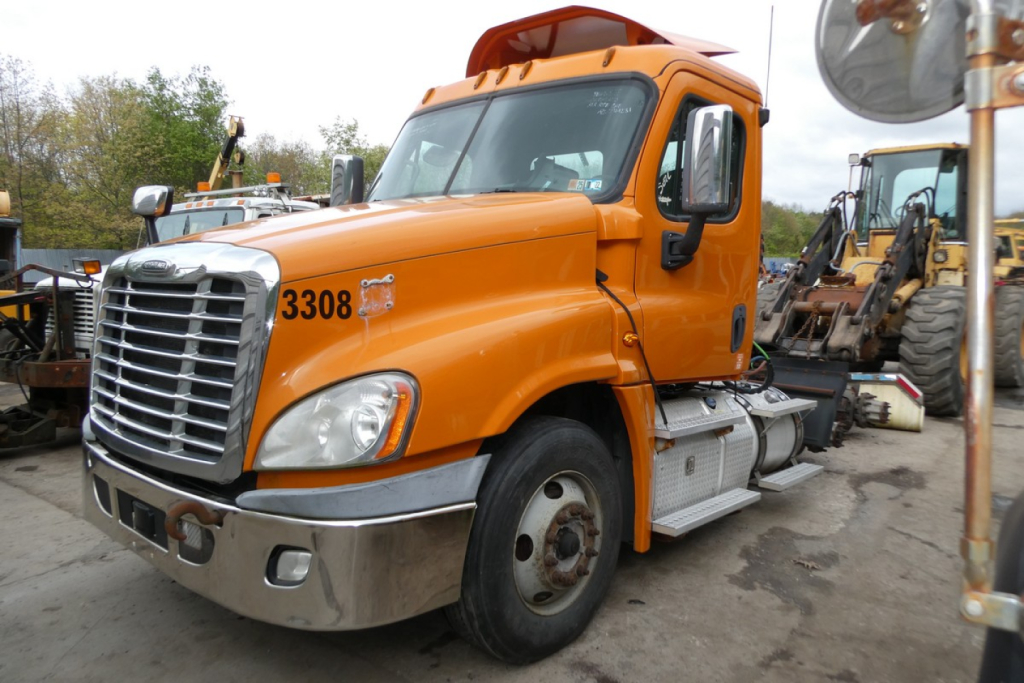
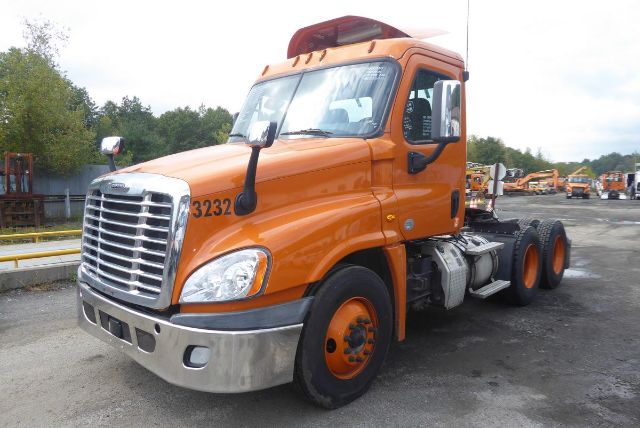
Have used 2017 conventional daycab truck to sell? List it here to reach thousands of buyers.
Used 2017 Conventional Daycab Trucks in New York
Frequently Asked Questions about Used 2017 Conventional Daycab Trucks in New York
What should I look at first when comparing used 2017 conventional daycab trucks?
Start with the truck’s intended job, then match the core spec to that use. Wheelbase, axle ratings, rear ratio, transmission type, and fifth wheel setup will tell you more than the badge on the hood. A regional tractor hauling 53-foot dry vans on highway lanes may favor a taller rear ratio and automated manual transmission for fuel economy, while a local or port truck may benefit from a shorter wheelbase, different gearing, and a more maneuverable chassis. Service records, engine hours, idle time, and any emissions-related repairs are also important on a 2017 model year truck.
Are 2017 daycab trucks commonly equipped with automated manual transmissions?
Yes. Many 2017 conventional daycabs were spec'd with automated manual transmissions such as Detroit DT12, Volvo I-Shift, Eaton Ultrashift, or similar systems. These transmissions reduce driver fatigue, help with fuel economy, and are widely accepted in regional fleet service. Buyers should still confirm clutch condition where applicable, calibration history, software updates, and how the transmission performs under load, especially on a used truck with higher mileage.
Why do axle ratio and wheelbase matter so much on a daycab?
Axle ratio and wheelbase directly affect fuel economy, launch feel, maneuverability, and trailer compatibility. A 3.08 ratio, for example, is often chosen for highway speed efficiency, while a deeper ratio may be better for heavier starts and more urban duty cycles. Wheelbase influences turning radius, bridge spacing, cab-to-axle dimension, and where the fifth wheel can be positioned for proper kingpin setting. In tighter Northeast operations, these details can make a major difference in productivity and tire wear.
What emissions components should be checked on a used 2017 diesel daycab?
A 2017 diesel daycab will typically use modern aftertreatment components including EGR, DPF, SCR, and DEF systems. Buyers should verify fault history, regen frequency, injector health, DEF dosing operation, and the condition of the DPF and SCR assemblies. It is also smart to review any recent emissions repairs and look for evidence of repeated derates, excessive idling, or incomplete maintenance. A truck that runs well mechanically can still become expensive if the aftertreatment system has been neglected.
Is a 2017 conventional daycab a good choice for New York regional freight?
For many carriers, yes. A 2017 conventional daycab can offer a strong balance of acquisition cost, emissions-era refinement, fuel economy, and driver comfort for regional and local work in New York. The best choice depends on lane length, trailer type, legal weight targets, and how often the truck works in tight urban areas versus open interstate corridors. Buyers who focus on turning radius, suspension spec, brake type, and drivetrain gearing usually make better long-term decisions than buyers who shop only by engine horsepower or odometer.