
Used 2017 Trucks For Sale in Florida
Used 2017 trucks in Florida built for payload and uptime with low tare weight, strong floors, solid thermal integrity, and tough corrosion resistance.
Learn more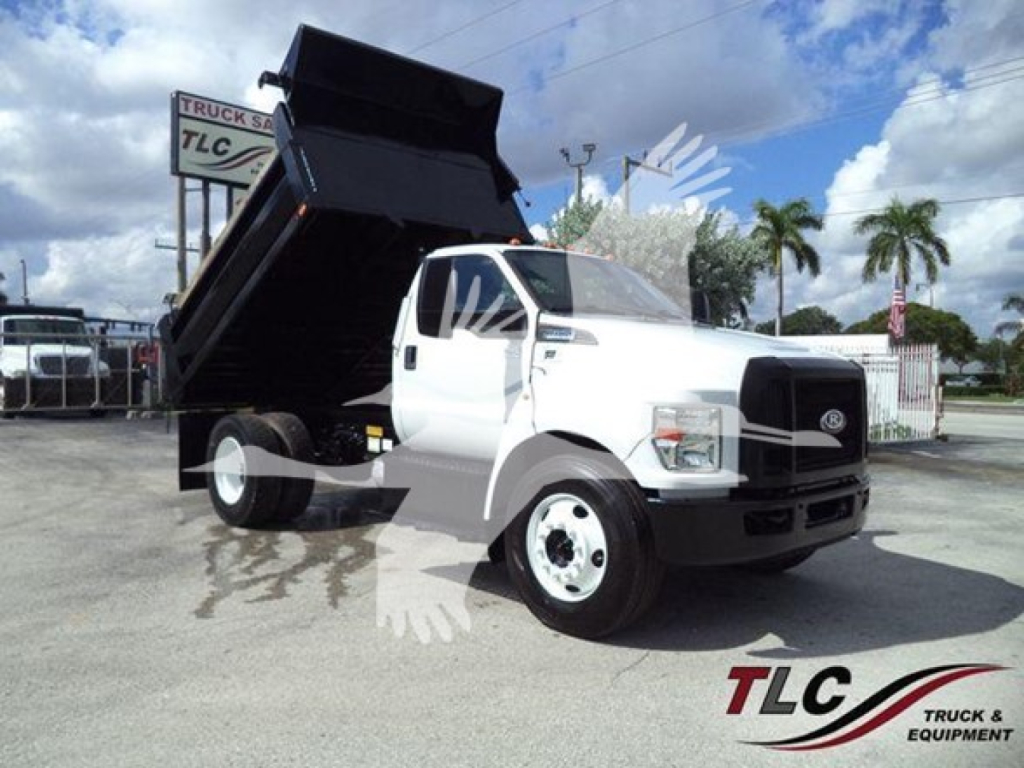
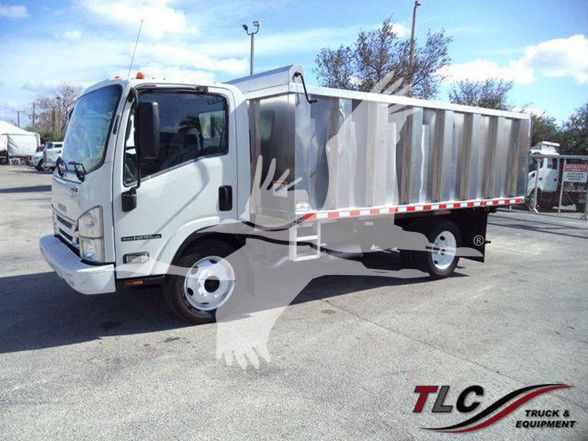
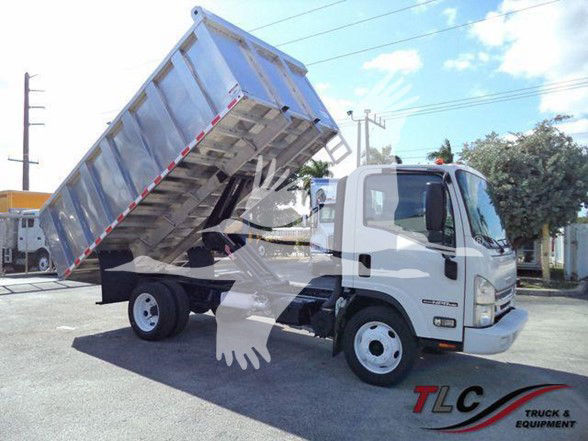
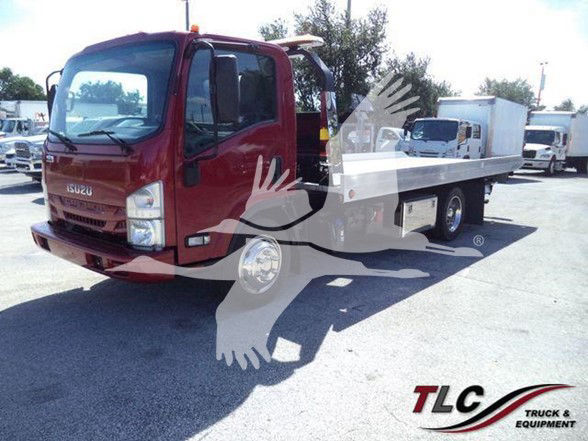
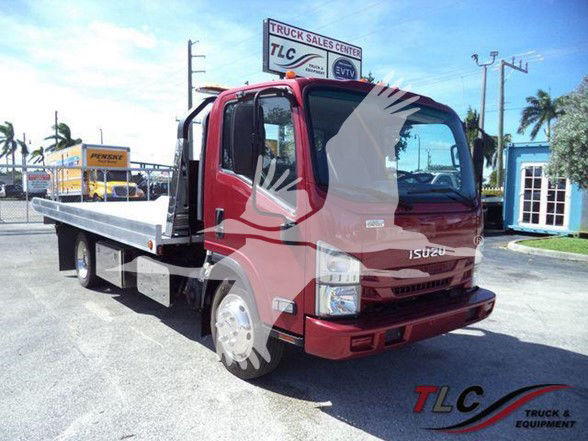
Showing 13 to 24 of 29 results
Have used 2017 truck to sell? List it here to reach thousands of buyers.
About Used 2017 Trucks in Florida
Payload margin starts with tare weight, and 2017 trucks offer several lightweight spec paths without sacrificing durability. Aluminum wheels and hubs, aluminum fifth wheels and battery boxes, wide base singles, and 6x2 tandems can remove significant weight, while air disc brakes reduce mass and improve wet braking. Verify fuel tank sizing for your route because excess fuel capacity adds static weight that does not earn revenue. On straight trucks, review body length and rail material along with liftgate type, rail gates are heavier than tuck under designs and change axle splits. Compare wheelbase and set back axle geometry, tight Florida metro work benefits from shorter wheelbases while linehaul favors longer wheelbases within bridge law.
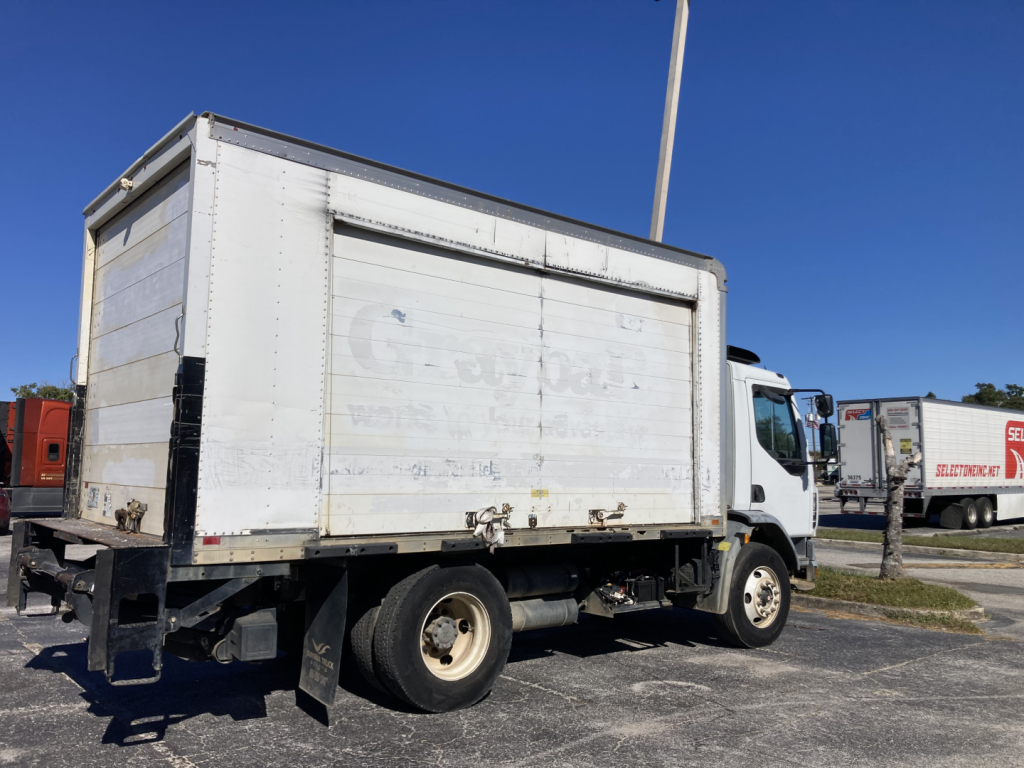
Floor strength matters on 2017 dry van and reefer box trucks, especially with forklift loading. Look for hardwood or laminated floors with a 12,000 to 16,000 pound forklift rating, close crossmember spacing, intact threshold plates, and aluminum or stainless scuff liners to control wall damage. For dump and vocational beds, AR400 or AR450 floors resist abrasion and ripple under heavy aggregates, inspect for patch plates, hoist mount fatigue, and hinge wear. Thermal integrity on reefer bodies depends on foam in place insulation, unbroken vapor barriers, door seals, and thermal breaks in posts, a quick pull down test in Florida heat will reveal weak insulation. Sleeper tractors benefit from solid cab insulation, tight door gaskets, and idle reduction via an APU or battery HVAC, which reduces fuel burn and moisture inside the cab.
Florida humidity and coastal salt air demand robust corrosion resistance. E coated frames, hot dip galvanized crossmembers, aluminum cabs, stainless hardware, and sealed Deutsch connectors hold up best. Inspect battery boxes, frame kick up areas, DEF tanks and brackets, brake chambers, and spring hangers for blistering or exfoliation, and check harness rub points for greened pins. Review aftertreatment health closely, ask for DPF cleaning or replacement records, ash load estimates, SCR efficiency data, and any forced regen history. Test tire inflation systems and air dryer function since moisture shortens valve and modulator life in humid climates. A disciplined wash, dielectric protection, and touch up routine preserves residual value and reduces electrical downtime.
Frequently Asked Questions
What should I check to manage corrosion on a 2017 truck used in Florida?
Look for platforms with e coated frames, galvanized or stainless crossmembers, aluminum cabs, and sealed connectors. Inspect high risk areas such as battery boxes, DEF tanks and brackets, the frame kick up, brake chambers, and spring hangers for flaking paint, blistering, or rust bloom. Verify grounds are clean, harnesses are supported away from rub points, and that prior owners used fresh water rinses and periodic undercoating. Coastal exposure accelerates oxidation, so a consistent wash schedule and dielectric protection on terminals pay back quickly.
How can I evaluate floor strength on a 2017 dry van or box truck?
Confirm the forklift rating on the ID plate and compare it to your loading equipment. Inspect hardwood or laminated floors for crushed fibers, nail or screw pull through, and soft spots near the rear sill. Check crossmember spacing and condition, look for straight, unbowed members and tight fasteners. Scuff liners, logistics posts, and threshold plates should be intact to prevent wall and rear edge damage that compromises the floor. For dump bodies, examine the AR rated floor for ripples, patches, and hoist mount cracks that indicate overload or abrasion fatigue.
How do I assess thermal integrity on a 2017 reefer truck or sleeper?
On reefer bodies, review insulation thickness and foam in place construction, examine door gaskets, hinges, and seals, and look for condensation tracks that suggest a broken vapor barrier. Perform a temperature pull down test to your target setpoint and monitor recovery with doors cycled. Inspect evaporator drains for clear flow, and evaluate unit hours and maintenance logs. On sleeper tractors, check cab insulation, door and window seals, and the performance of the HVAC system, an APU or battery HVAC reduces idle time and keeps interiors dry in Florida heat and humidity.
Which specs reduce tare weight on a 2017 truck without compromising durability?
Aluminum wheels and hubs, aluminum fifth wheels and battery boxes, and composite fairings are proven weight savers. Wide base singles and 6x2 tandems trim additional pounds, but balance traction needs for rain and soft lots. Air disc brakes save weight and offer better wet stopping, and right sizing fuel tanks avoids hauling unnecessary fuel. On straight trucks, choose aluminum body rails where appropriate and confirm liftgate configuration, tuck under gates are typically lighter than rail gates. Always validate that axle, suspension, and frame ratings still exceed your payload requirements.
What emissions system items should I review on a 2017 engine before buying?
Request the aftertreatment history, including DPF clean or replace dates, ash load estimates, and any forced regen or derate events. Inspect the DOC, SCR, DEF pump and lines, dosing module, and NOx sensors for leaks, crystallization, or wiring repairs. Verify software is current and that duty cycle matches prior use, too much low speed operation on a linehaul calibration can lead to frequent regens. Confirm coolant and oil leaks are resolved because contamination shortens sensor and catalyst life. A road test with live data for exhaust temps and NOx conversion provides confidence in system health.