
Used 1998 Trucks For Sale
Browse used 1998 trucks for sale, including day cabs, sleepers, vocational and specialty trucks built before modern emissions systems.
Learn more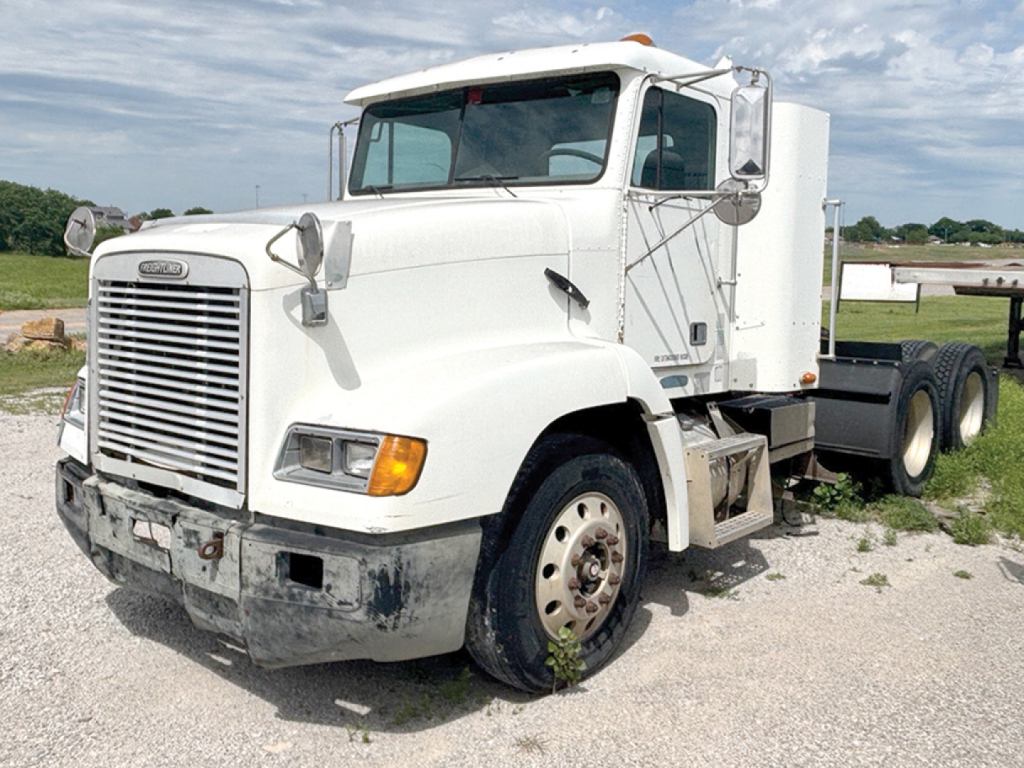
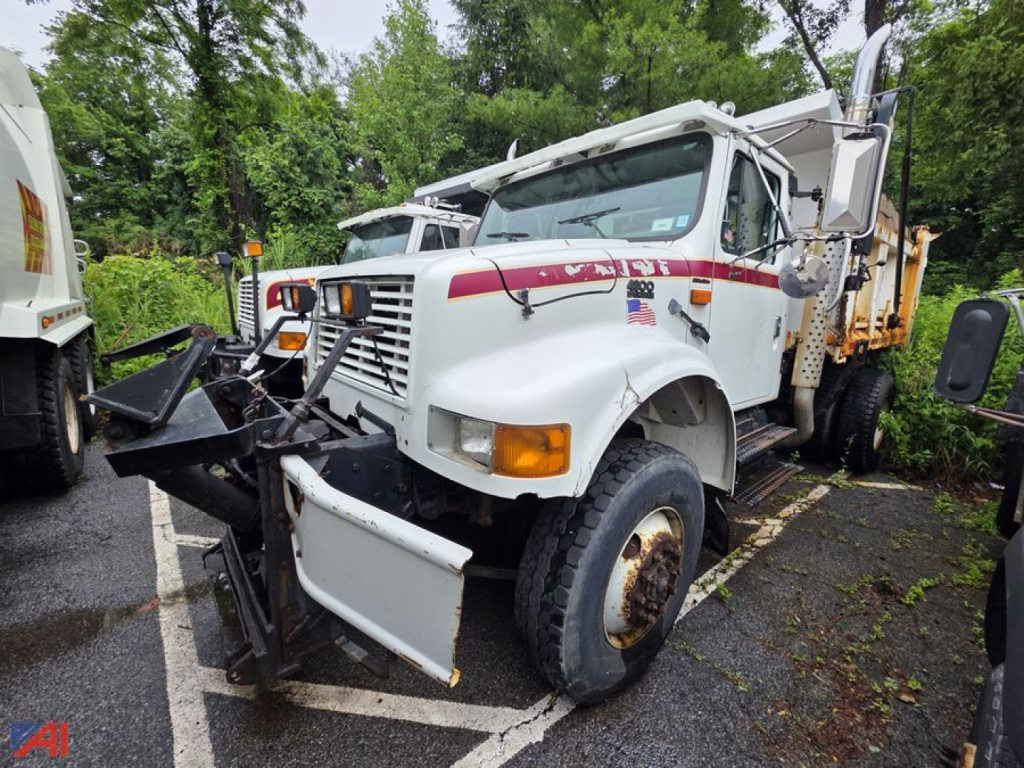
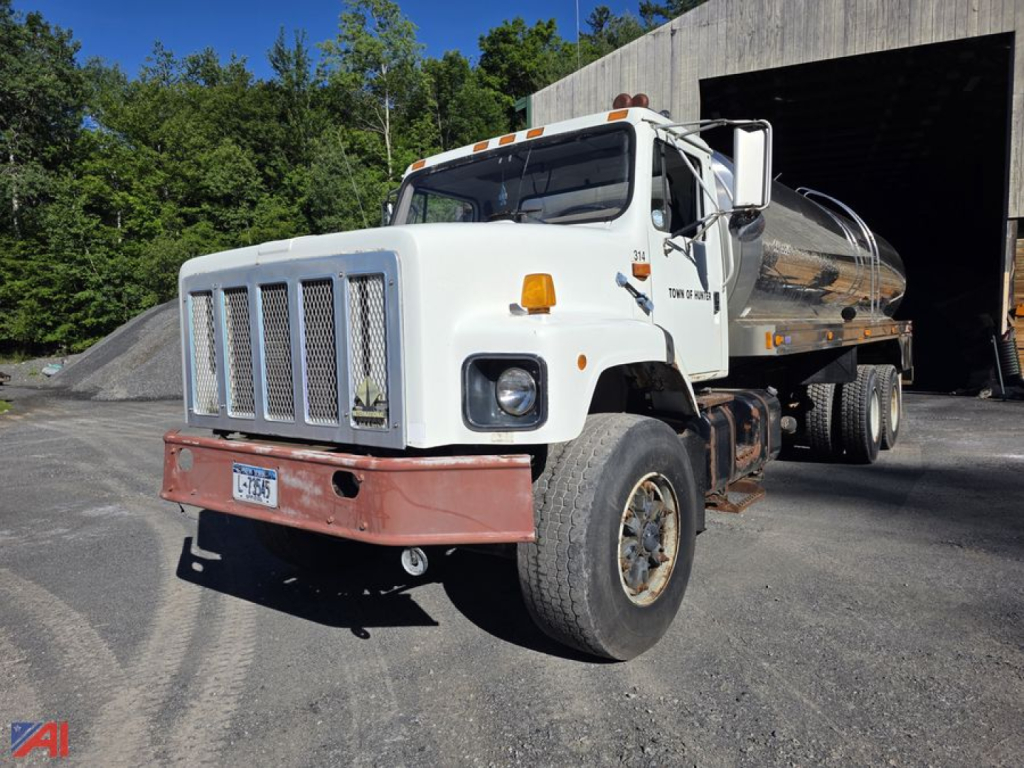
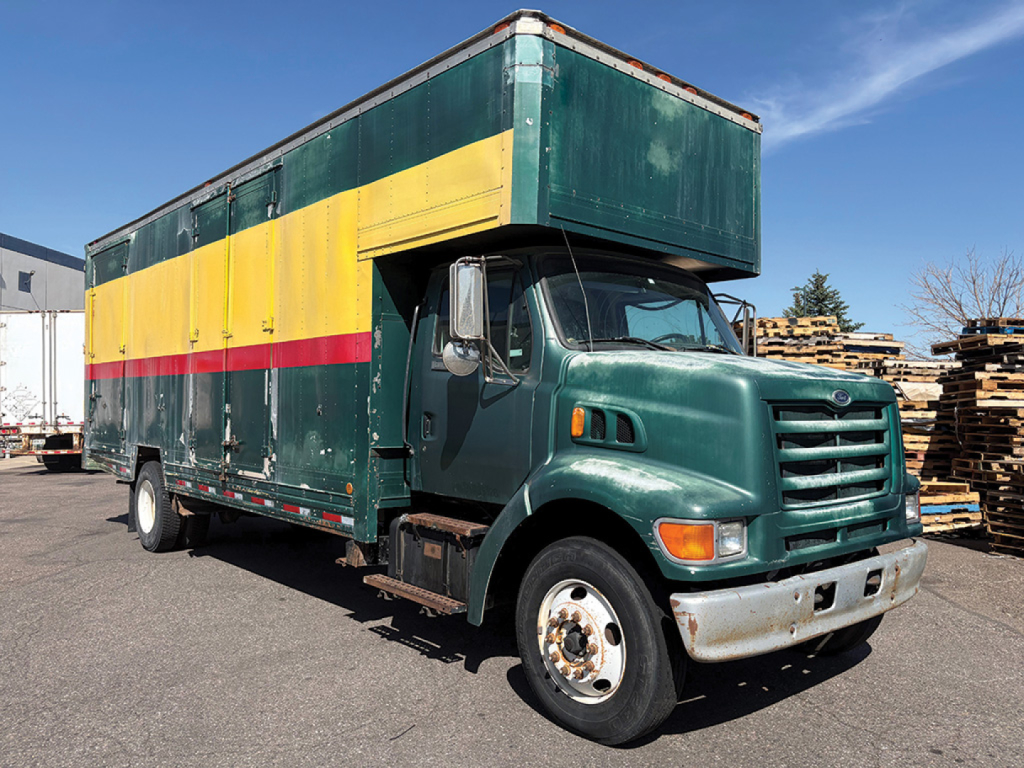
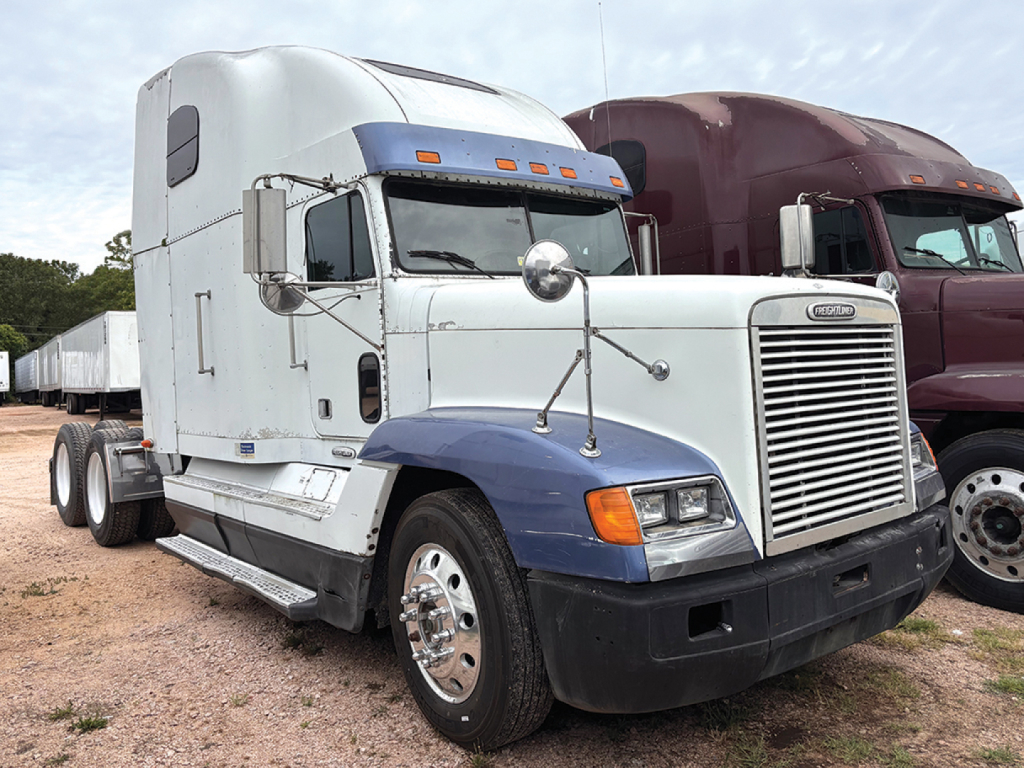
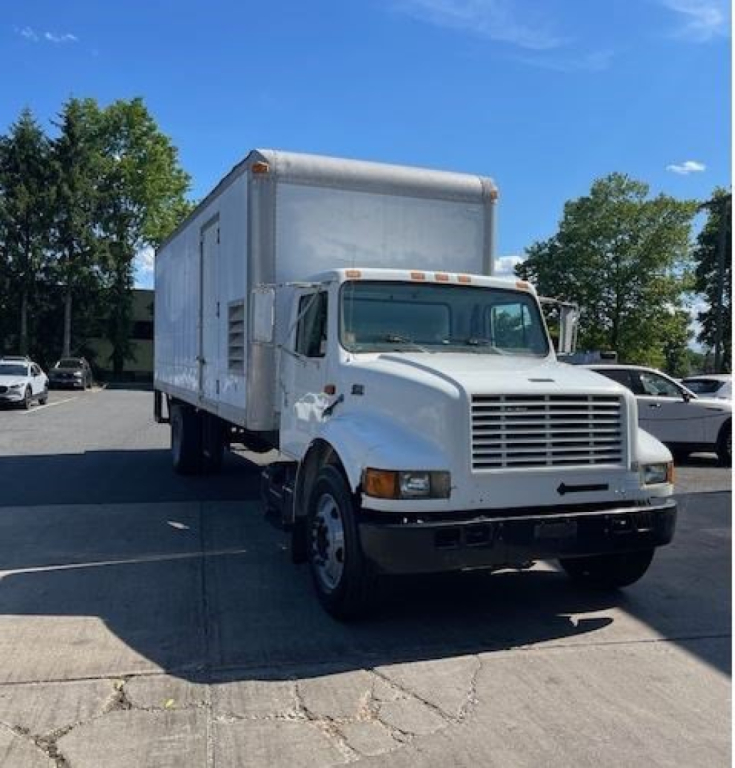
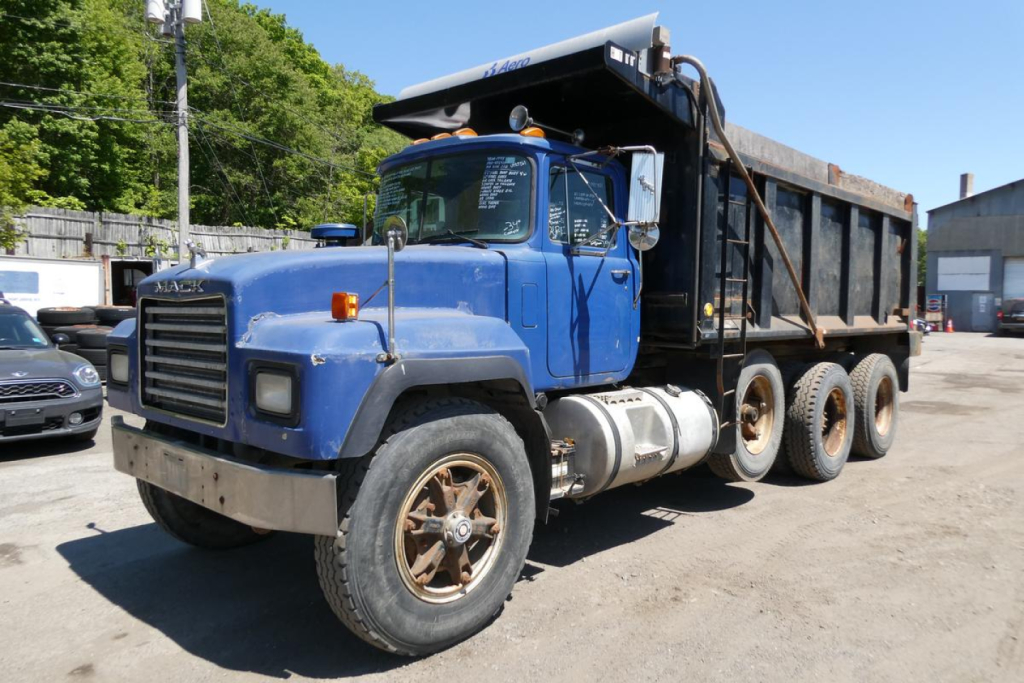
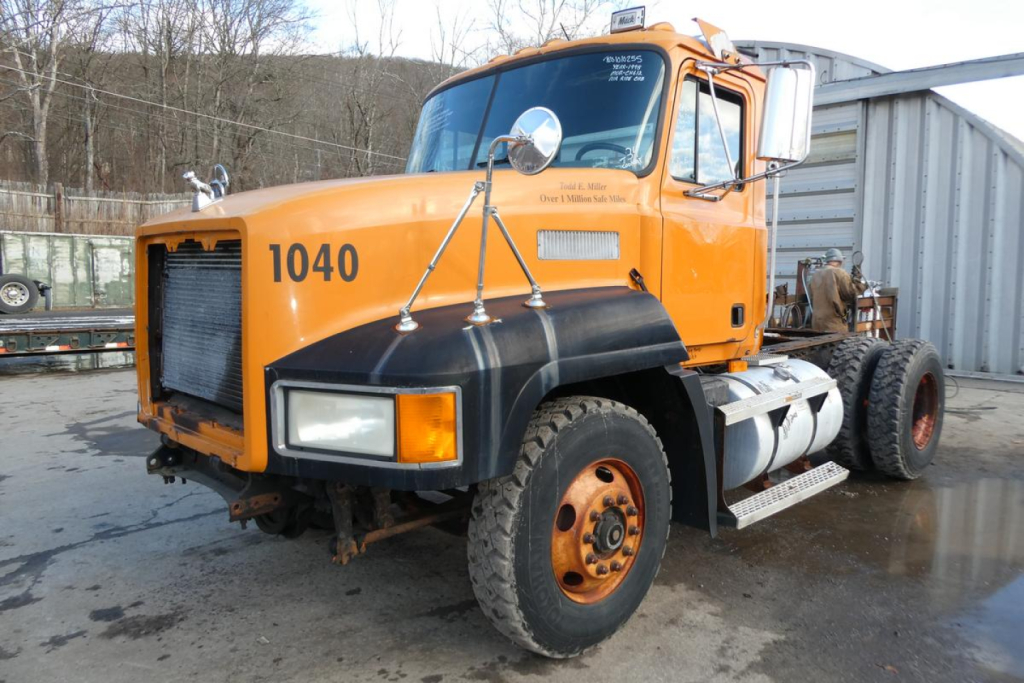

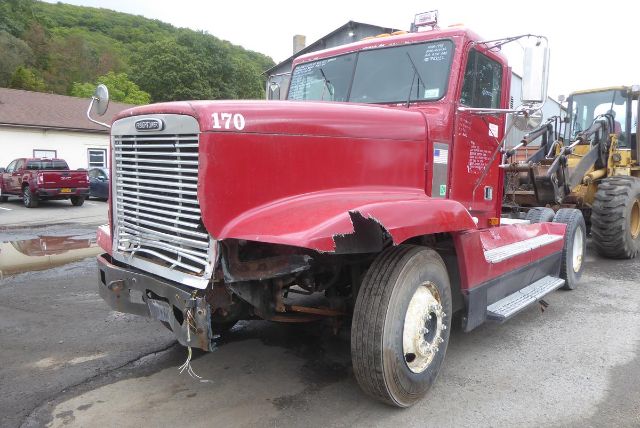
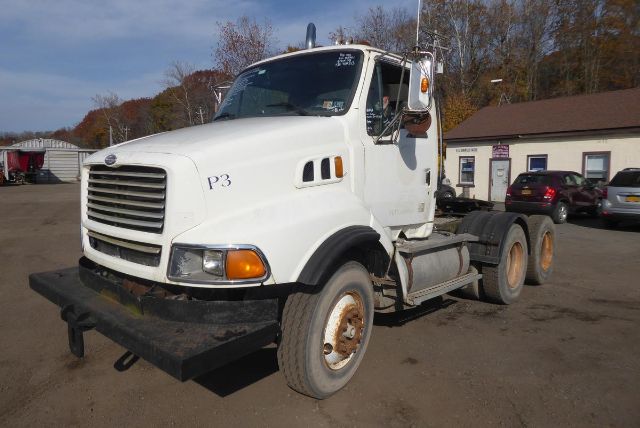
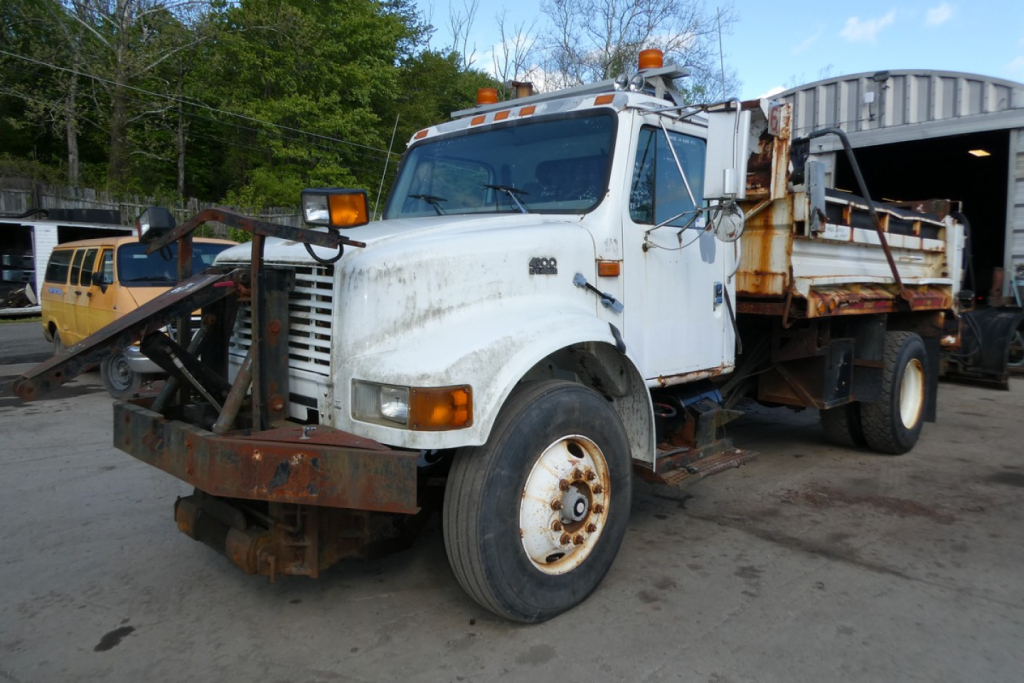
Showing 1 to 12 of 13 results
Have used 1998 truck to sell? List it here to reach thousands of buyers.
About Used 1998 Trucks
The biggest buying decision is usually the chassis and powertrain combination. Many 1998 trucks were built with mechanical or early electronic diesel engines from makers such as Caterpillar, Cummins, Detroit Diesel, Mack, and Navistar. Transmissions often include Fuller 9-speed, 10-speed, 13-speed, 15-speed, and 18-speed manuals, with some automatic or automated options in certain vocational applications. Common axle setups include single axle, tandem axle, and tri-axle configurations, with suspensions ranging from spring ride to air ride depending on intended use. Wheelbase, GVWR, front axle rating, rear axle rating, gear ratio, and PTO compatibility all matter more than model year alone, especially if the truck is being matched to a trailer, body, or hydraulic system.
Condition matters more on a 1998 truck than brand preference by itself. Buyers should pay close attention to frame condition, crossmembers, cab mounts, steering components, brake system type, suspension wear, differential noise, transmission operation, and signs of engine blow-by or coolant contamination. On vocational trucks, inspect the body, hoist, pump, wet kit, PTO, and any auxiliary equipment as closely as the chassis. For road tractors, look at fifth wheel wear, kingpin plate contact, air system leaks, bunk condition, and service history. Rust exposure, prior rebuilds, engine overhaul documentation, and tire age can have a major effect on value. A lower purchase price can disappear quickly if the truck needs injectors, clutch work, suspension bushings, or major brake and tire replacement.
A 1998 truck can still be a strong fit for farm use, private fleet work, export markets, yard service, logging, oilfield support, and other operations that value durability and mechanical familiarity. Buyers should also confirm emissions and registration requirements in their state or operating region, since age-based rules, DOT expectations, and local idling or retrofit regulations can affect where and how an older truck can be used. When the spec matches the job and the maintenance history is solid, a used 1998 truck can deliver dependable service at a lower acquisition cost than newer equipment.
Frequently Asked Questions
What are the main advantages of buying a used 1998 truck?
The main advantage is mechanical simplicity relative to newer trucks. Many 1998 models were built before the emissions systems that later added EGR, DPF, and DEF-related maintenance concerns. That can make them attractive to buyers who handle repairs in-house, need a farm or yard truck, or want a lower-cost chassis for a vocational upfit. The tradeoff is age-related wear, so the real value depends on condition, service records, and how well the truck was spec'd for its intended work.
Are 1998 trucks good for over-the-road use?
They can be, but the decision should be based on spec and condition rather than age alone. A well-maintained 1998 sleeper or day cab with the right engine, rear ratio, wheelbase, and axle ratings can still handle regional or specialized highway work. Buyers should be realistic about cab comfort, parts availability for some components, and the likelihood of higher maintenance needs than a newer truck. For many fleets, these trucks make more sense in short-haul, seasonal, farm, or backup roles than in high-mileage long-haul service.
What should I inspect first on a used 1998 truck?
Start with the engine, transmission, frame, and running gear because those systems drive the largest repair costs. Check for blow-by, oil and coolant condition, cold-start behavior, clutch feel, transmission engagement, rear end noise, steering play, brake function, and suspension wear. Then inspect the frame rails, crossmembers, cab structure, electrical system, and tire date codes. If the truck has a dump body, crane, PTO, wet kit, or other vocational equipment, test every hydraulic and auxiliary function under load if possible.
Do 1998 trucks have emissions restrictions?
In many areas, yes. A 1998 truck may be easier to maintain because it predates later emissions technology, but state and local rules can still limit how it is registered or operated. Some regions have stricter requirements for port service, municipal contracts, California operation, or certain non-attainment areas. Before buying, verify registration rules, emissions compliance expectations, and any age-related restrictions that apply to your route, industry, or customer base.
What types of buyers usually shop for 1998 trucks?
These trucks often appeal to owner-operators, farmers, contractors, exporters, municipalities, and private fleets looking for a lower-cost platform. They are also common choices for specialty applications where annual mileage is modest and ease of repair matters more than modern driver amenities. Buyers looking for dump trucks, grain trucks, service trucks, yard tractors, or older highway tractors for occasional use often focus on this model year range because the purchase price can be substantially lower than newer equipment.