
Used 1998 Conventional Daycab Trucks For Sale
Browse used 1998 conventional daycab trucks for local haul, port, vocational, and regional tractor applications with proven spec options.
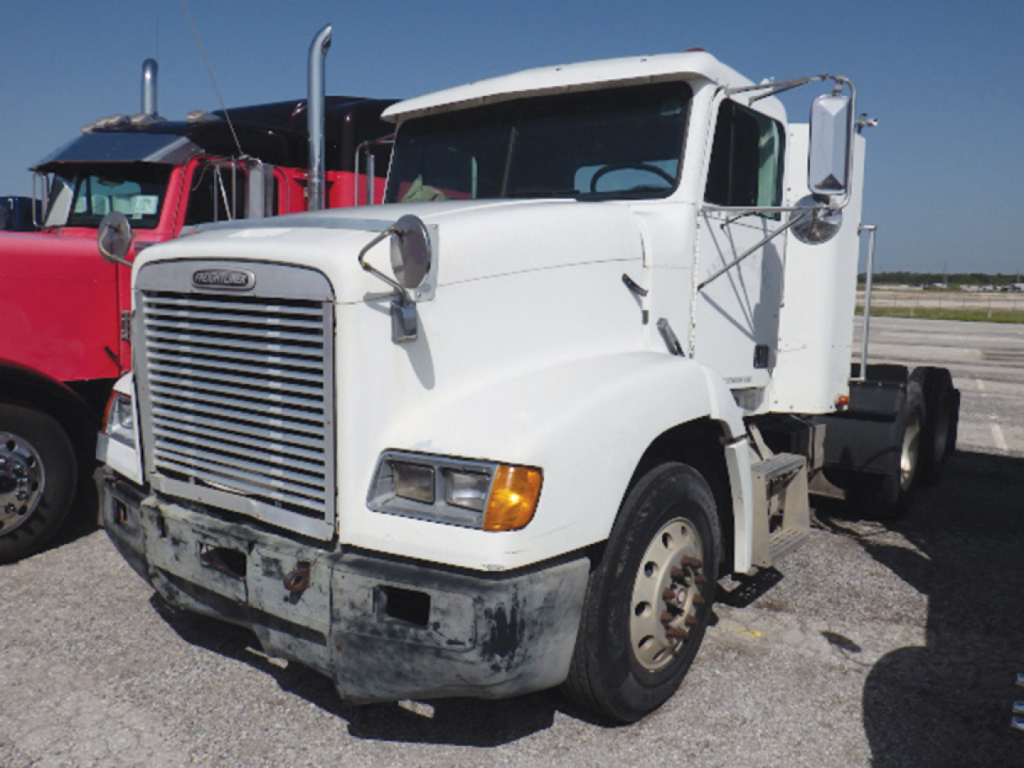
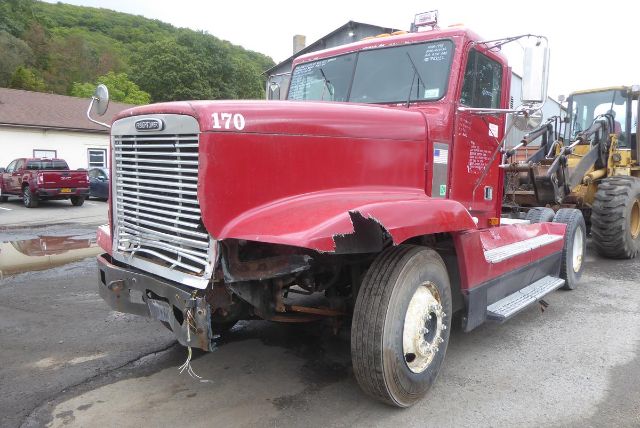
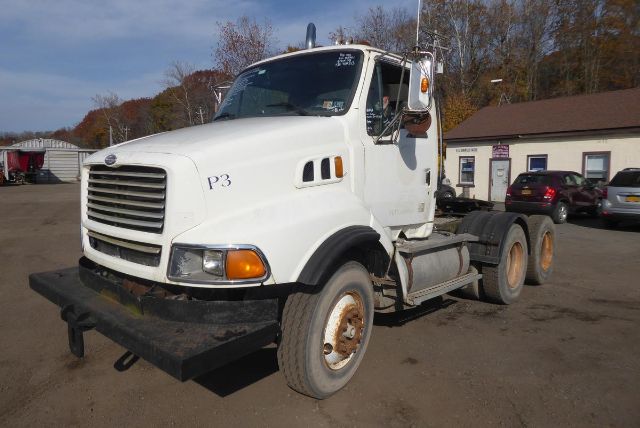
Have used 1998 conventional daycab truck to sell? List it here to reach thousands of buyers.
Used 1998 Conventional Daycab Trucks
Most 1998 conventional daycab tractors are set up as 4x2 or 6x4 configurations with tandem rear axles, air ride suspension, and a sliding or stationary fifth wheel. Common engines in this age group include pre-2000 diesel platforms from Caterpillar, Cummins, Detroit Diesel, Mack, and Volvo, often paired with Fuller 9-speed, 10-speed, 13-speed, or automatic and automated options depending on prior use. Buyers should confirm horsepower and torque against the intended load, but just as important is the rear axle ratio. A faster ratio can help fuel economy on regional lanes, while a deeper ratio generally suits heavy starts, urban pulling, and vocational work. Wheelbase and cab-to-axle dimensions also need to match trailer swing clearance, bridge law considerations, and body installation plans if the tractor will be converted.
Condition on a 1998 daycab should be judged by service history and component life, not just miles. Engine blow-by, cooling system health, transmission operation, driveline slack, suspension wear, frame integrity, and brake condition are all critical. On older conventional daycab trucks, rust at crossmembers, cab mounts, battery boxes, and around the fifth wheel area deserves a close look, especially in northern climates. Buyers should also inspect steering gear, air system leaks, spring pins or torque rods, and the state of the wiring harness. If the truck is being bought for local fleet use, check how easy it will be to source parts for the engine, transmission, and rear axles, because older emissions-free or lower-emissions trucks can still be attractive if support remains practical.
The appeal of a used 1998 conventional daycab is usually cost control and application fit. A well-matched spec can still serve effectively in farm hauling, municipal support, container work, equipment moves, and regional shuttle service. The best purchase is rarely the cheapest truck on the page. It is the one with the right axle ratings, wheelbase, gearing, and maintenance background for the job. For many operators, this category remains a practical way to get a dedicated daycab tractor, also known as a day cab semi tractor, without paying for sleeper-related weight, length, or complexity.
Frequently Asked Questions about Used 1998 Conventional Daycab Trucks
What is a 1998 conventional daycab truck best suited for?
A 1998 conventional daycab truck is best suited for local and regional work where the driver returns daily and sleeper space is not needed. Common uses include port drayage, short-haul van and flatbed pulls, dump and transfer service, municipal work, equipment hauling, and yard-to-road operations. The shorter overall package can improve maneuverability and reduce unnecessary weight compared with a sleeper tractor.
What specs matter most when buying a used 1998 daycab tractor?
The most important specs are axle configuration, wheelbase, rear axle ratio, engine rating, transmission type, suspension, and fifth wheel setup. Those items determine how the truck starts under load, cruises at highway speed, turns in tight spaces, and matches with existing trailers or vocational equipment. Front axle and rear axle capacity should also be verified so the truck fits the intended payload and operating environment.
Are 1998 conventional daycab trucks easier to maintain than newer models?
In many cases, yes. Trucks from 1998 generally have less emissions-related complexity than much newer tractors, which can simplify diagnosis and reduce certain repair costs. That said, age creates its own maintenance demands. Rubber components, wiring, seals, air lines, suspension parts, and cooling system components may all be near the end of service life, so the actual condition of the truck matters more than the model year alone.
Should I choose a 4x2 or 6x4 conventional daycab?
A 4x2 daycab can be a strong fit for lighter local service, lower tare weight, and tight urban routes, while a 6x4 is more common for heavier freight, better traction, and broader trailer compatibility. The right choice depends on load weight, terrain, traction requirements, and bridge or axle law considerations in the areas where the truck will run. Buyers pulling heavier tandem axle trailers or operating in mixed conditions usually lean toward a 6x4.
What should I inspect first on a used 1998 conventional daycab truck?
Start with the engine, transmission, rear axles, frame, and brake system because those are the major cost centers. Check for blow-by, coolant contamination, hard shifting, differential noise, frame corrosion or repairs, and air leaks. Then review suspension wear, steering play, tire wear patterns, cab mounts, electrical function, and maintenance records. On an older daycab, evidence of consistent upkeep is often more valuable than a low asking price.