
Used 1998 Dump Trucks For Sale
Browse used 1998 dump trucks for sale. Compare body styles, axle ratings, PTO hydraulics, hoists, and vocational specs for hauling work.
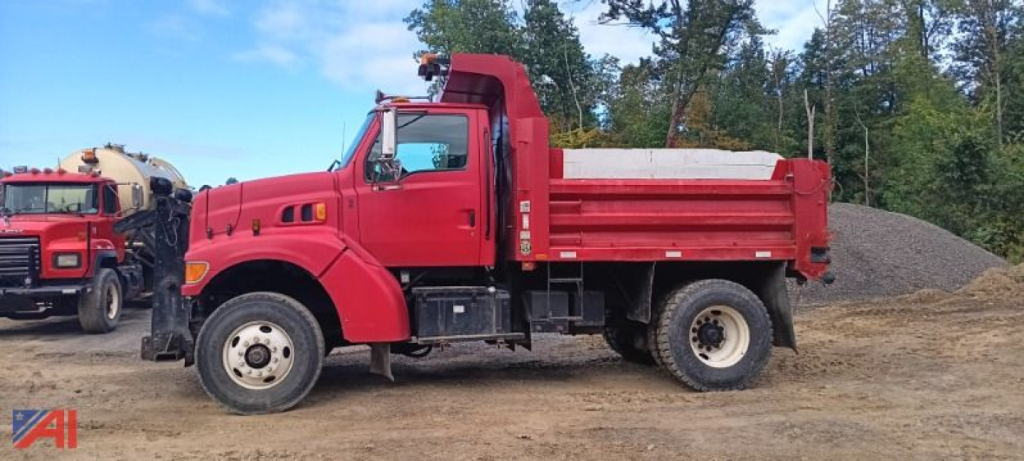
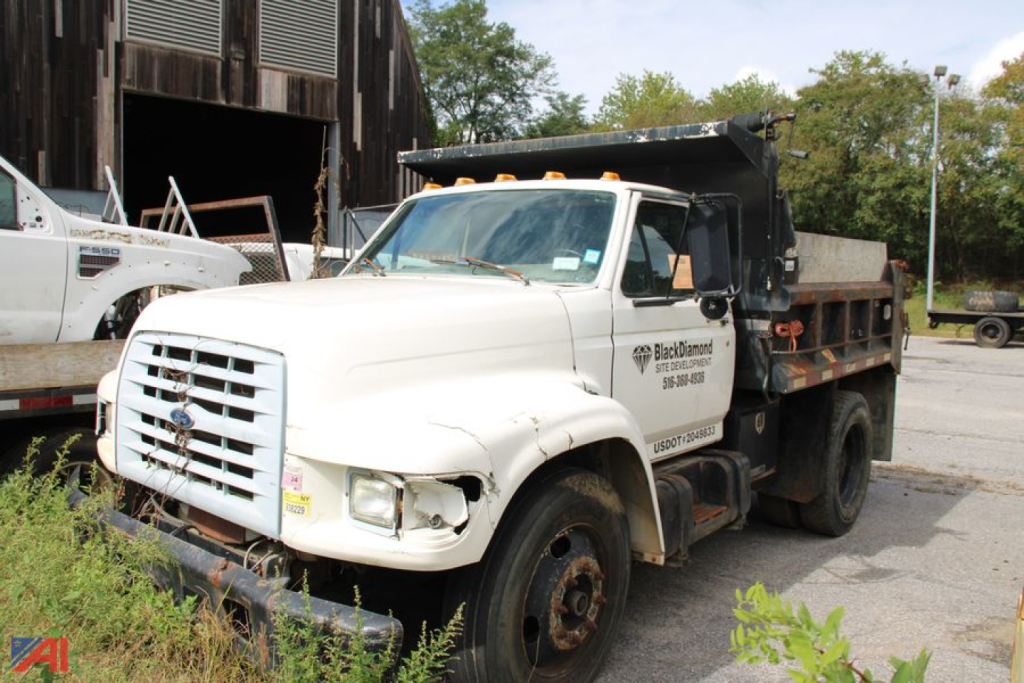
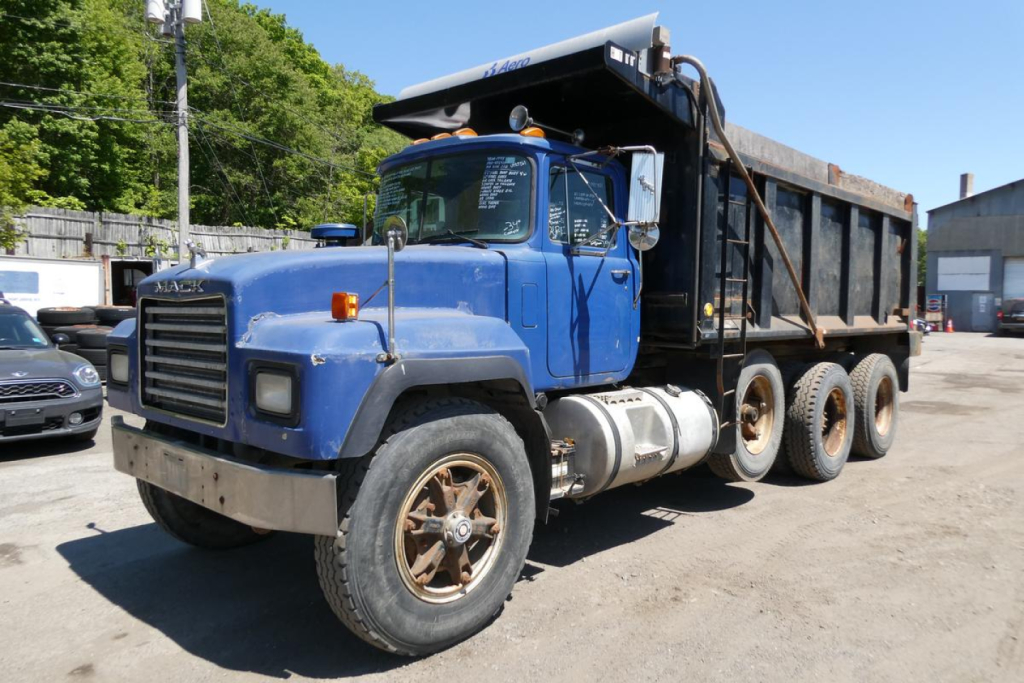
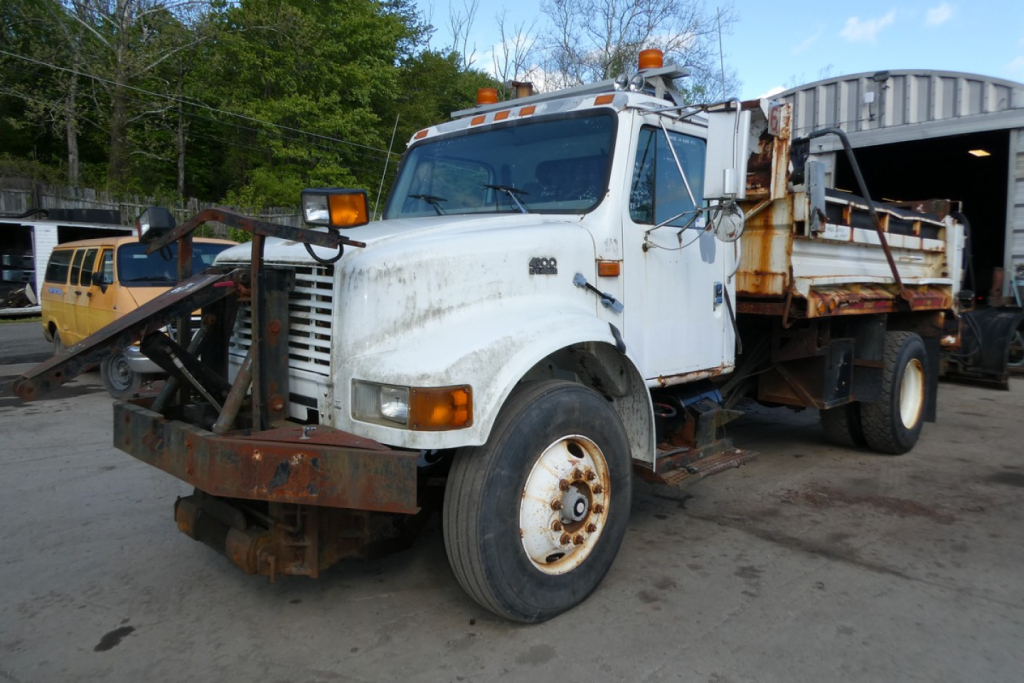
Looking for the easiest place to sell your used 1998 dump truck? List it here to reach thousands of buyers.
Used 1998 Dump Trucks
The first decision is capacity and axle layout. A single-axle 1998 dump truck is usually better suited for lighter aggregate, asphalt patch crews, landscaping materials, and municipal work where maneuverability matters. Tandem-axle trucks are the more common choice for heavier payloads, rougher jobsite conditions, and repeated off-road loading cycles. Check front axle rating, rear axle rating, wheelbase, suspension type, and whether the frame is single, double, or reinforced in high-stress areas. Older dump trucks often stay productive when the frame, crossmembers, and spring hangers are sound, but cracked rails, corrosion around hoist mounts, and worn torque rod or suspension components can turn a low purchase price into an expensive rebuild.
The dump system itself deserves close inspection. On a 1998 model, buyers should pay attention to PTO engagement, hydraulic pump response, cylinder condition, hoist geometry, body floor wear, tailgate function, and any leaks at hoses, seals, or control valves. Common body styles include contractor dumps, grain or mulch bodies with higher sides, and municipal setups that may include plow gear, central hydraulics, or spreader controls. Steel bodies generally handle demolition debris, rock, and abrasive material better, while aluminum bodies help reduce tare weight for bulk hauling. It is also worth checking scissor hoist versus telescopic front hoist design, liner condition, apron wear, and hinge pin play if the truck will cycle heavily.
Powertrain choices on 1998 dump trucks often include proven diesel platforms from Mack, Cummins, Caterpillar, Detroit, and International-era drivetrains, frequently backed by Fuller or Mack manual gearboxes. Many buyers specifically look for pre-DPF, pre-DEF trucks in this age range, but that advantage should be weighed against age-related wear in the clutch, rear ends, steering box, brake system, wiring, and wet line components. A good used 1998 dump truck is less about model year alone and more about documented maintenance, hours versus miles, cold-start behavior, brake condition, and evidence that the body and hydraulics have been maintained as carefully as the engine. On this category, the best value usually comes from matching axle capacity, body material, hoist design, and drivetrain gearing to the exact material and route profile the truck will handle.
Frequently Asked Questions about Used 1998 Dump Trucks
What should I inspect first on a used 1998 dump truck?
Start with the frame, dump body, and hydraulic system before focusing on cosmetic issues. Look for cracks near hoist mounts, rust around crossmembers, worn hinge points, body floor damage, leaking cylinders, and weak PTO engagement. Then inspect axle ratings, suspension wear, brake condition, steering components, and driveline play. On an older dump truck, structural condition and hydraulic function usually have more impact on real operating value than paint or cab appearance.
Are 1998 dump trucks a good choice for buyers who want simpler engines?
Yes. Many 1998 dump trucks appeal to buyers because they were built before modern aftertreatment systems such as DPF and DEF became standard. That can mean simpler diagnostics and fewer emissions-related downtime issues. The tradeoff is age. Cooling systems, seals, wiring, transmissions, and hydraulic components may need more attention, so a simpler engine does not automatically mean a lower total cost if the truck has been neglected.
Is a single-axle or tandem-axle 1998 dump truck the better buy?
It depends on payload, jobsite conditions, and legal weight requirements in your area. Single-axle dump trucks are easier to maneuver, lighter, and often better for municipal work, landscaping supply, and short-haul material delivery. Tandem-axle units are better suited for higher payloads, rougher terrain, and heavier aggregate or demolition work. The better buy is the truck whose axle ratings, wheelbase, and body capacity match your daily hauling profile.
What dump body material is better on an older truck, steel or aluminum?
Steel is generally preferred for severe-duty hauling such as rock, broken concrete, and demolition debris because it stands up better to impact and abrasion. Aluminum reduces empty weight and can improve payload efficiency for sand, grain, mulch, or lighter bulk material. On a used 1998 truck, condition matters more than material alone. A straight aluminum body with good welds may be a stronger value than a heavily patched steel body with floor wear and corrosion.
How important are miles versus hours on a used dump truck?
Both matter, but duty cycle matters more. Dump trucks often accumulate lower road miles while spending long hours idling, loading, PTO operating, and working in low-speed environments. A truck with moderate miles but very high engine and PTO hours may show significant wear in hydraulics, clutch components, steering, and suspension. Buyers should compare odometer reading, hour meter, maintenance records, and the actual condition of the hoist and body to understand how the truck was used.