
Used 1986 Commercial Trucks For Sale in New York
Shop used 1986 trucks in New York. Pre emissions powertrains, durable frames, strong floors and insulation, with attention to tare weight and corrosion.
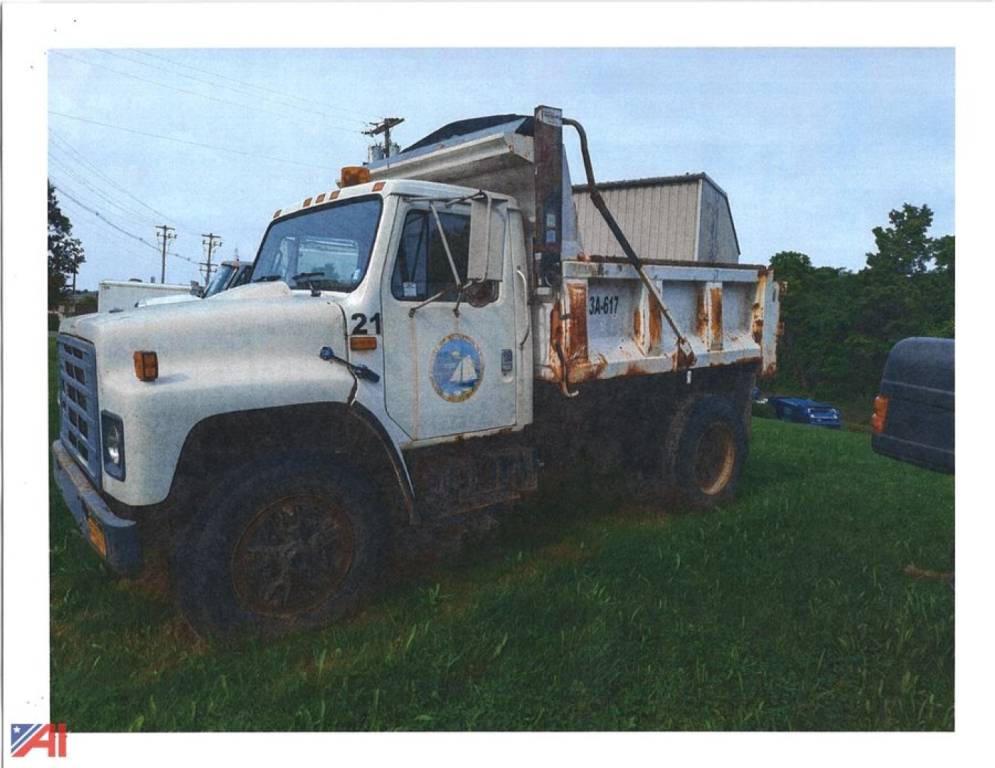
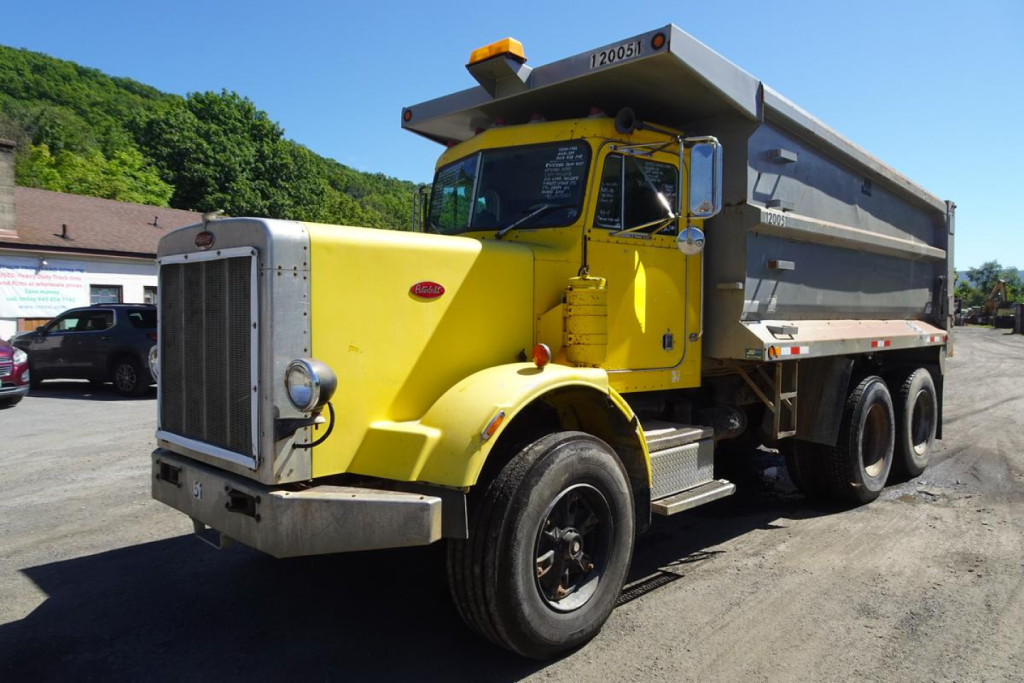
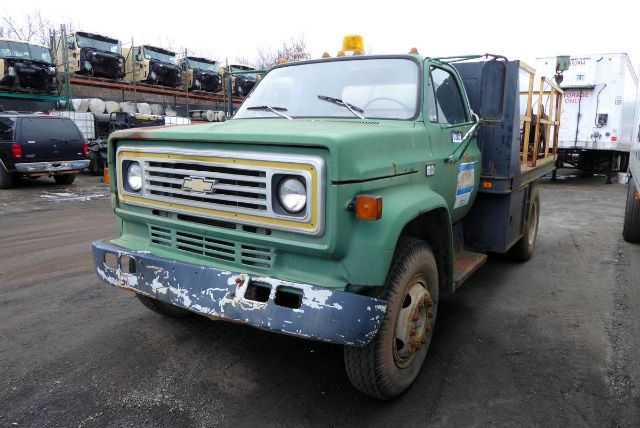
Selling a used 1986 commercial truck? List your used 1986 commercial truck for sale and reach thousands of commercial buyers.
Used 1986 Commercial Trucks in New York
Chassis condition drives value on any 1986 platform. In New York, road salt accelerates rust at frame flanges, crossmembers, spring hangers, cab mounts, battery boxes and fuel tank saddles. Double frame dump specs add strength, they also trap moisture, so watch for lamination and rust jacking between rails. Aluminum cabs resist rust but can pit and crack around fasteners, check for galvanic corrosion where aluminum meets steel. Inspect air lines and wiring looms for brittleness, and look closely at brake chambers, slack adjusters and S cam bushings for corrosion that compromises stopping performance. On tractors, evaluate the sliding fifth wheel condition and placement to balance kingpin load without overloading the steer.
Bodies and floors from this era vary widely, so focus on structure. Box and reefer trucks often use hardwood or laminated oak floors, stronger builds run crossmembers on 12 inch centers and add scuff liners to protect sidewalls from forklift strikes. Aluminum plank floors cut tare weight, they are more prone to denting under point loads. Flatbeds with apitong or aluminum decks should have straight sills, tight rub rails and sound stake pockets. Dump bodies with AR wear plate floors in the 3⁄16 to 1⁄4 inch range resist abrasion, but check for bowed floors, thin spots and tailgate hinge wear. Thermal integrity matters on insulated bodies, older foam can absorb moisture and lose R value, door gaskets compress, T floor extrusions loosen and rear frames can become thermal bridges. A reefer body that still holds temperature with even panel surfaces, tight seals and dry insulation will save fuel and reduce cycle times.
Ride and compliance reflect the suspension and brake spec. Hendrickson walking beam or multi leaf spring suspensions are rugged and stable off road, they add tare weight and transmit more vibration to the chassis. Air ride improves ride quality and cargo protection, verify bag age, leveling valve function and bushing condition. Most 1986 trucks were built without ABS, so stopping power depends on proper drum condition and adjustment, many fleets retrofit automatic slacks for consistency. Match axle ratios, tire size and your speed profile on New York corridors, for example 3.55 to 4.33 with 22.5 or 24.5 rubber, to keep cruise rpm in the engine’s efficient band. Confirm GAWRs on the door tag, common ratings are 12k steer and 34k drive with heavier 38k to 44k options on vocational units, and ensure your fifth wheel height matches your trailers to maintain legal and stable weight distribution.
Frequently Asked Questions about Used 1986 Commercial Trucks in New York
What are the main advantages and trade offs of a 1986 pre emissions truck?
Pre emissions engines use mechanical fuel systems and simple electronics, which lowers diagnostic complexity, reduces aftertreatment expense and makes field repairs easier. They can deliver strong low end torque and reliable service with basic preventive maintenance. The trade offs are higher tare weight in many specs, less refined noise and vibration control, and fuel economy that usually lags newer engines. Most 1986 trucks also lack modern safety features such as ABS and electronic stability systems, so condition and brake setup matter more.
How should I evaluate corrosion on a 1986 truck in New York?
Start at the frame flanges and crossmembers, look for heavy scale, flaking and swelling between layers, especially on double frame rails. Check spring hangers, torque rod brackets, cab mounts, battery boxes, fuel tank straps and steps for perforation. Inspect aluminum parts for pitting near steel fasteners, which indicates galvanic activity. Look under the cab for floor pan rust, and examine brake chambers, backing plates and air tanks for thinning metal. Surface rust is expected, structural rust that changes fastener torque or distorts components is a red flag.
How can I judge floor strength on a 1986 box, flatbed or dump truck?
On van and reefer bodies, look for hardwood or laminated floors with crossmembers on 12 inch centers for forklift duty, confirm no soft spots, popped fasteners or crushed sills and verify scuff liners are intact to prevent wall damage. On flatbeds, inspect apitong or aluminum decking for straightness, tight fasteners and undamaged rub rails and stake pockets, and check main beams for camber and web cracking near suspension hangers. On dump bodies, measure remaining thickness of the wear plate, look for bowing, patch plates and tailgate hinge slop, and verify hoist cylinder mounts are not cracked.
How do I assess thermal integrity on an older 1986 reefer body?
Inspect door gaskets and hinges for even compression, check panel seams for delamination or bubbling and look for moisture staining inside the walls or roof that signals wet insulation. T floor extrusions should be tight and free of corrosion that creates air gaps. Examine the rear frame and threshold for crushed or bent sections that can create thermal bridges. A simple field check is to precool, load test for several hours and log return air stability, wide swings suggest insulation loss or air leaks that will drive up fuel burn and unit cycle time.
Are parts and service still available for 1986 engines, transmissions and brakes?
Yes, most major components from that era have solid aftermarket support. Cummins Big Cam, Cat 3406B and Detroit two stroke parts are widely available, and Eaton Fuller Roadranger transmissions have excellent parts coverage. Brake drums, shoes, S cam kits and air valves are standard service items. Some cab trim, electrical harness sections and body specific parts may require salvage sourcing or fabrication. Work with a shop familiar with legacy mechanical fuel systems, and verify parts availability for any niche suspension or axle options before committing.