
Used 1986 Commercial Trucks For Sale
Shop used 1986 trucks with mechanical drivetrains. Evaluate frame integrity, floor strength, tare weight, and corrosion for reliable service life.
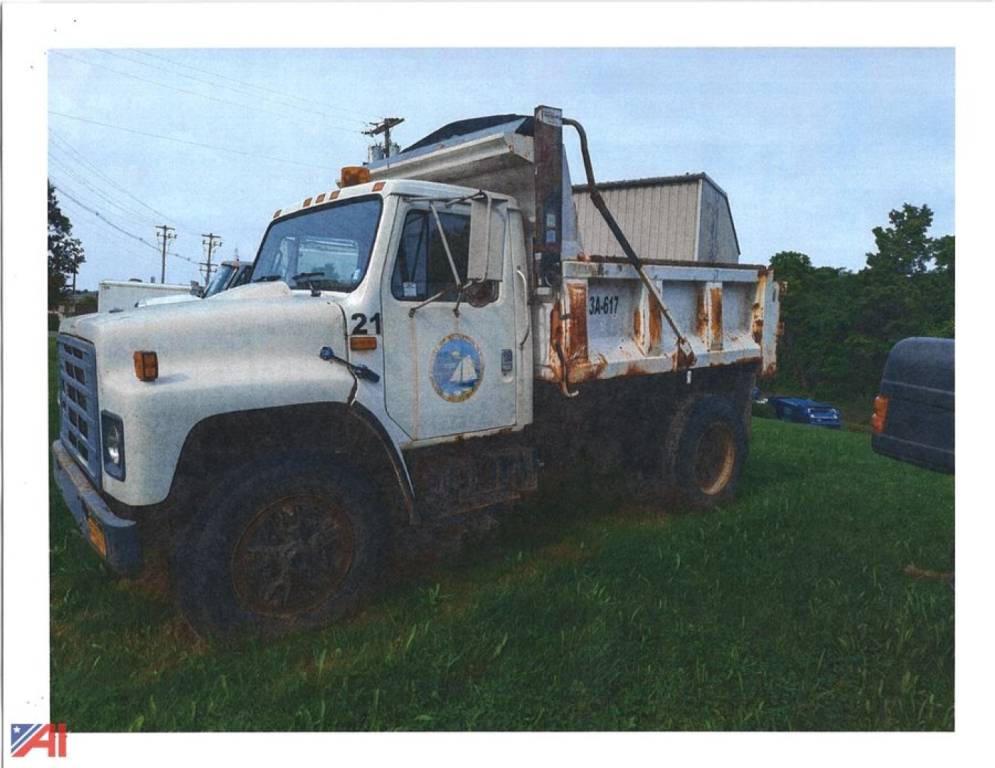
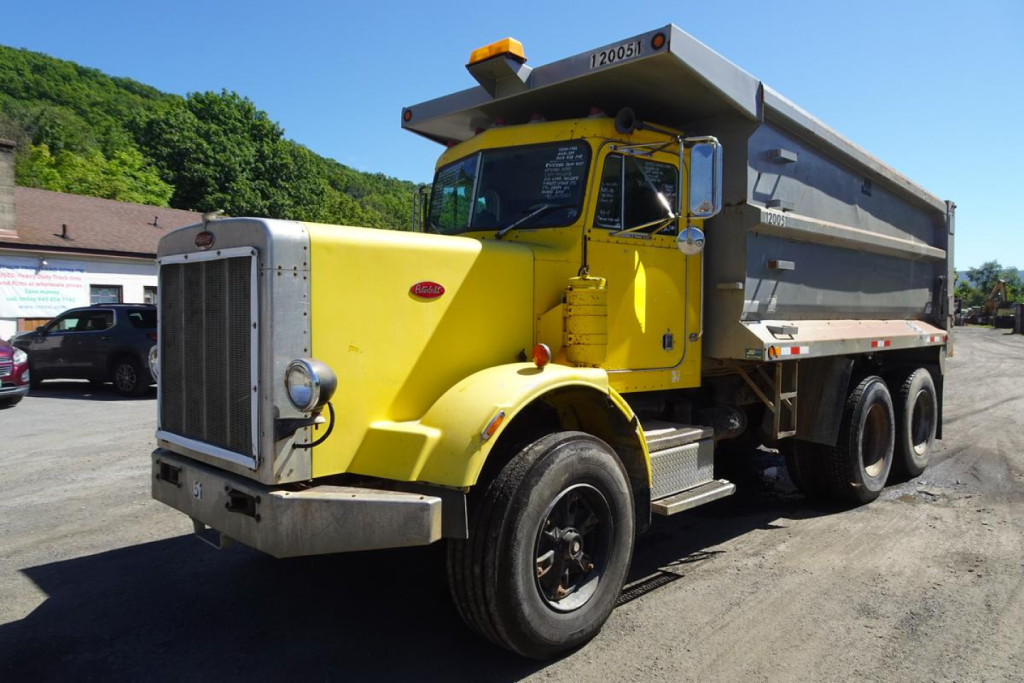
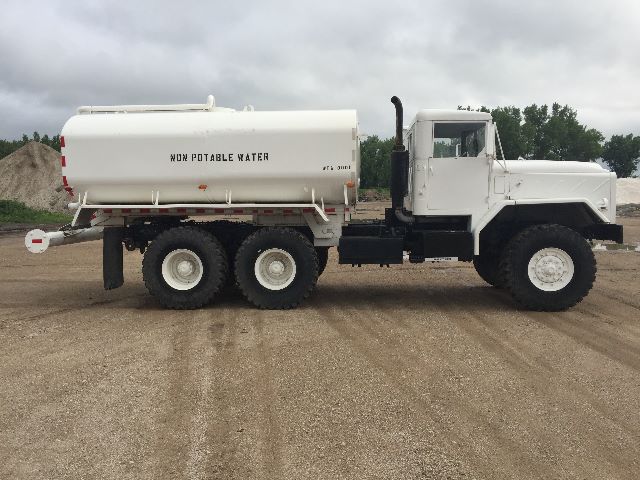
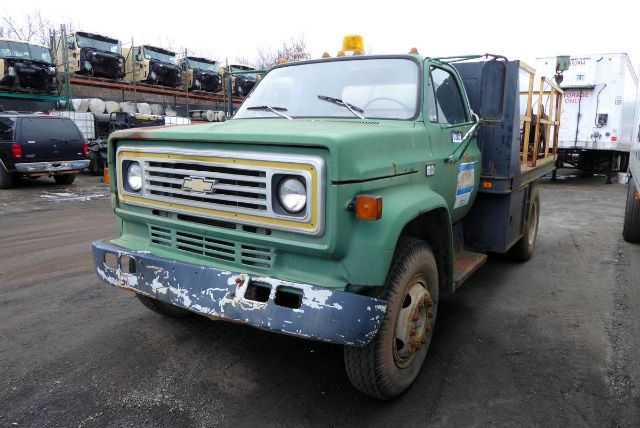
Selling a used 1986 commercial truck? List your used 1986 commercial truck for sale and reach thousands of commercial buyers.
Used 1986 Commercial Trucks
Powertrain choices commonly include Cummins NTC Big Cam, Caterpillar 3406B, Detroit Diesel 6V92 or 8V92 for heavy duty, and International DT466 or Caterpillar 3208 for medium duty. Fuller Roadranger 9, 10, or 13 speed boxes dominate, often paired with Rockwell or Eaton rears in ratios from mid 3s to low 4s depending on tire size and intended cruise speed. Verify oil pressure hot, blow-by level at idle and under load, governor response, and documentation for any in-frame or out-of-frame overhauls. Check differential lash and carrier noise, input and output seal condition, and driveline angles following any wheelbase changes. Highway cabs with sleepers add weight, day cabs save several hundred pounds, aluminum wheels and fuel tanks help further reduce tare.
Chassis and body condition set the line between a workable classic and a project. Inspect single versus double frame rails for scaling between liners, look for flange pitting near spring hangers and torque rod brackets, and confirm crossmember integrity around suspension mounts and fifth wheel pedestals. For box and reefer bodies, floor strength depends on crossmember spacing and deck material; aluminum or hardwood plank floors with 12 inch on center crossmembers carry palletized freight better than wider spacing. Look for scuff liners that protect posts, avoid bowed sidewalls, and confirm door header and sill repairs were done with proper rivets and sealants.
Thermal integrity on 1986 reefer bodies is the biggest variable, as polyurethane insulation can shrink over time and door seals harden. Expect higher fuel burn and slower pull-down if the box has foam voids or poor gaskets; pressure test the body if possible, check corner caps and roof seams for leaks, and evaluate reefer unit serviceability if an original Thermo King or Carrier is still fitted. On dumps, evaluate floor plate thickness and liner wear, hinge pin play, hoist cylinder drift, and subframe rust. Across all models, verify brake foundation components and airlines, confirm slack adjuster type and free stroke, and budget for bushing and wiring refresh. A clean frame, tight driveline, solid floors, and manageable tare weight indicate the best value in a 1986 work truck.
Frequently Asked Questions about Used 1986 Commercial Trucks
What engines and transmissions are common on 1986 trucks and what should I check before buying?
Heavy duty listings often feature Cummins NTC Big Cam, Caterpillar 3406B, or Detroit Diesel 6V92 or 8V92 paired with Fuller Roadranger 9, 10, or 13 speed transmissions. Medium duty trucks frequently carry International DT466 or Caterpillar 3208 with 5 to 10 speed manuals. Verify hot oil pressure, cold and hot start quality, blow-by at idle and snap throttle, coolant contamination, and any overhaul paperwork. Road test to confirm shift quality, splitter or range function, clutch free play, and that rear axle ratios match your desired cruise speed and tire size.
How do I evaluate frame and corrosion on a 1986 truck?
Inspect frame rails inside and out for scaling and pitting, pay close attention to areas around suspension hangers, steering box mounts, and fifth wheel or body mounts. If the truck is double framed, probe between liners for trapped rust and delamination. Check crossmembers for cracking near fasteners, inspect cab mounts and battery box supports, and look for aluminum tank pitting or strap chafe. Surface rust is expected, deep pitting near high stress points signals costly repair.
What indicates good floor strength in a 1986 van, reefer, or flatbed body?
Look for tight crossmember spacing, ideally 12 inch on center, secure fasteners, and straight rails. Aluminum plank or hardwood deck sections should be even, with no soft spots, popped rivets, or corrosion around sills. On flatbeds, examine main beams and stake pockets for distortion and check that the deck is not oil soaked. A straight, well supported floor carries palletized loads without racking and protects resale value.
Can a 1986 reefer still hold temperature reliably?
It can, but only if the body and unit have been maintained. Thermal integrity depends on intact foam insulation, sealed seams, and pliable door gaskets; older boxes often suffer R value loss from foam shrinkage. Pressure or light testing can reveal air leaks, and infrared scans help find wet insulation. Original reefer units may run, but expect higher fuel consumption and limited parts support, so budget accordingly or consider repowering the unit if the body is structurally sound.
How much tare weight should I expect and how can I reduce it on a 1986 truck?
Tare weight varies by spec; a 1986 day cab highway tractor with aluminum wheels and fuel tanks can be several hundred pounds lighter than a sleeper with steel components and double frame rails. Weight adds up with heavy suspensions, wet kits, and older bodies with repairs. To reduce tare, prioritize aluminum wheels, fuel tanks, and hubs where appropriate, remove unused equipment, and choose a single frame in good condition rather than a compromised double frame, while balancing strength needs for your payload.