
New 2026 Tow Trucks For Sale
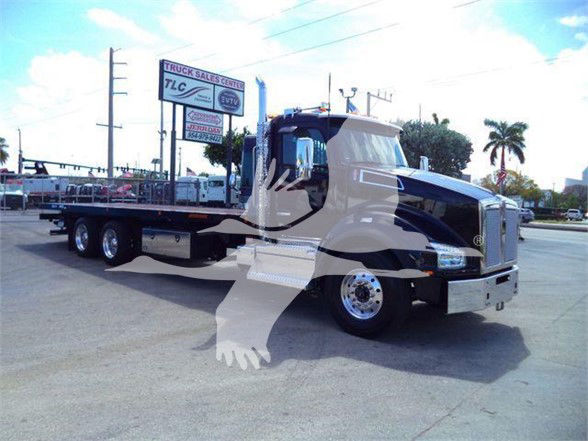
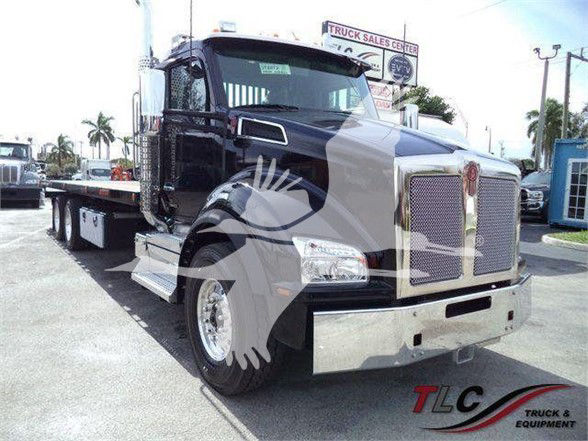
Have new 2026 tow truck to sell? List it here to reach thousands of buyers.
New 2026 Tow Trucks
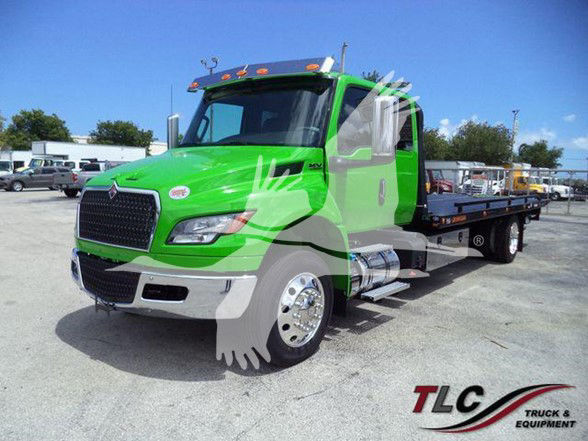
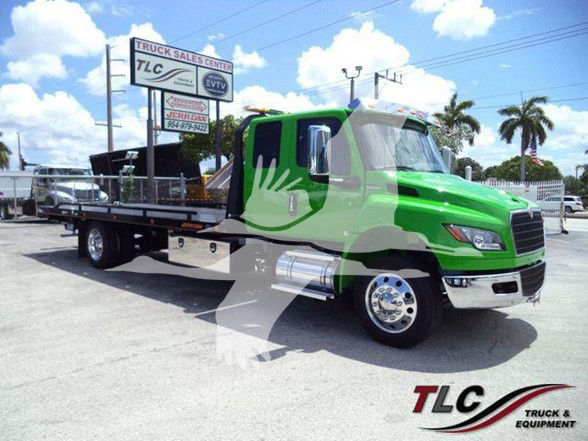
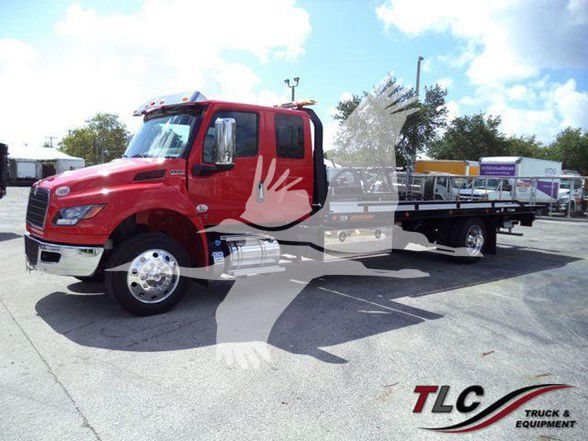
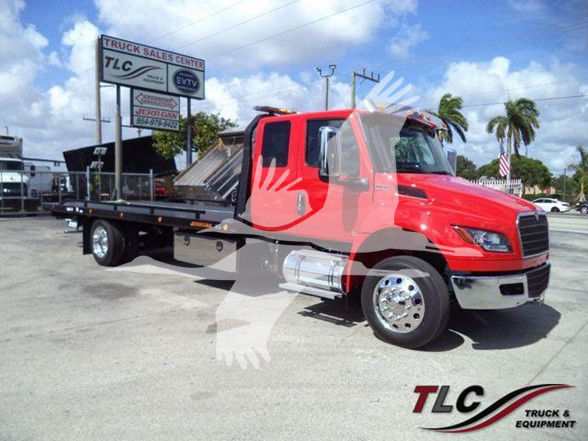
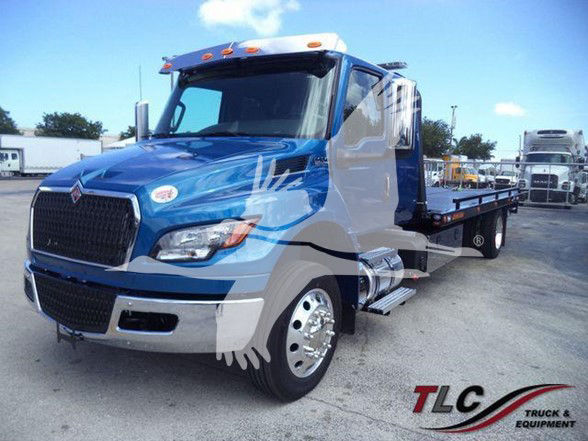
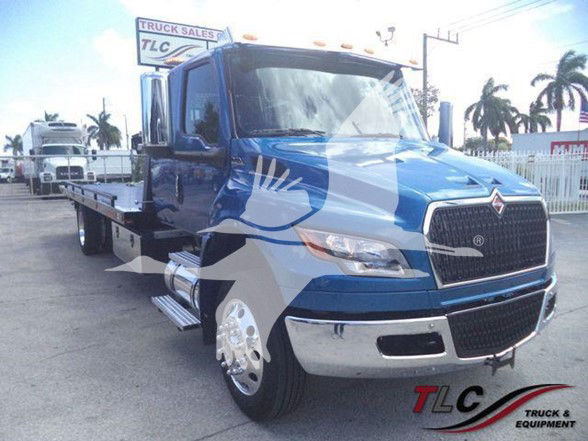
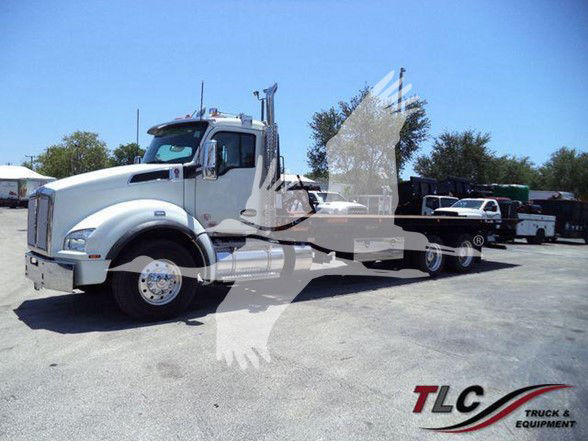
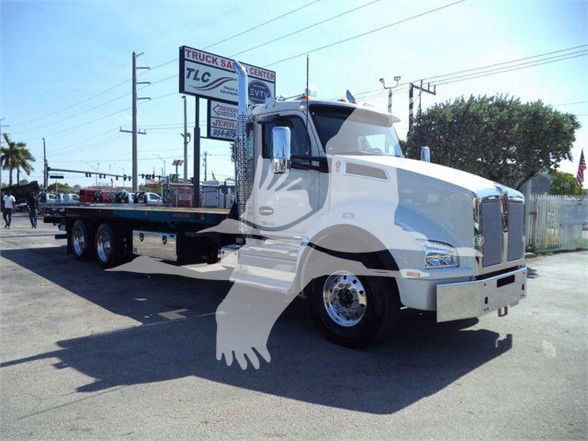
On new 2026 tow trucks, the most common chassis choices are Class 4 through Class 6 platforms from Ram, Chevrolet, International, Isuzu, and similar commercial brands. Typical specs include diesel power, automatic transmissions, and GVWR ratings from around 19,500 up to 26,000 pounds, depending on whether the truck is a light-duty wrecker or a medium-duty carrier. Rollback decks commonly run 20 to 22 feet on smaller chassis and up to 28 feet on heavier carriers, with bed widths around 102 inches. Common equipment includes 3,500- to 5,000-pound wheel lifts, 8,000- to 12,000-pound winches, L-arms, removable rails, toolbox packages, LED light bars, backup cameras, and wireless remote controls. Air brakes and air ride suspension are more common as you move into medium-duty carrier applications.
The right tow truck spec depends on the work mix and the region it will run in. A 4x2 self-loader can be efficient for paved-road volume towing, while a 4x4 wrecker may make more sense for rural service, snow-country work, or off-pavement recovery access. For carrier buyers, low-profile and extra-low-profile decks are important if the truck will handle sports cars, EVs, or damaged vehicles with limited ground clearance. Bed material, wheelbase, overhang, and wheel-lift geometry all affect approach angle, load angle, and real-world usability. Buyers should also look closely at storage layout, work lighting, PTO and hydraulic performance, and whether the body configuration leaves enough room for chains, skates, dollies, straps, and roadside service gear.
A new 2026 tow truck also gives buyers the advantage of current emissions systems, updated cab technology, and fresh body warranties from the chassis and equipment manufacturers. The smartest comparisons go beyond make and model. Look at front and rear axle ratings, frame strength, wheel-lift rating, deck capacity, winch line pull, brake type, suspension, and cab configuration. For commercial towing, details like visibility, control placement, scuff resistance on the deck, corrosion protection, and service access can have as much impact on uptime as headline capacity numbers. The best unit is the one matched to your daily call profile, local road conditions, and the types of vehicles you plan to transport most often.
Frequently Asked Questions about New 2026 Tow Trucks
What is the difference between a rollback tow truck and a self-loader wrecker?
A rollback tow truck uses a hydraulic tilting bed to load the entire vehicle onto the deck, which makes it ideal for all-wheel-drive vehicles, low-clearance cars, accident transport, and longer-distance hauls. A self-loader wrecker uses a wheel lift to pick up the vehicle quickly from the front or rear, making it more efficient for short tows, parking enforcement, repossession, and high-volume urban calls. The right choice depends on how often you need full vehicle transport versus fast hook-and-go capability.
What GVWR and capacity range is common for new 2026 tow trucks?
New 2026 tow trucks commonly fall between about 19,500 and 26,000 pounds GVWR in the light- and medium-duty market. Wheel-lift ratings often range from 3,500 to 5,000 pounds on carriers, while self-loader wreckers may use drag winches in the 8,000-pound class and medium-duty rollback carriers may be equipped with 8,000- to 12,000-pound winches. Deck capacities on rollback carriers are often listed in the 6-ton to 8.5-ton range, but buyers should verify how that rating is affected by bed length, wheelbase, and axle distribution.
Is a low-profile rollback bed worth it?
A low-profile or extra-low-profile rollback bed is valuable if the truck will regularly transport sports cars, luxury vehicles, EVs, forklifts, or collision-damaged units with poor approach angles. The lower load angle reduces the chance of scraping bumpers, valances, rocker panels, or battery trays. It can also speed up loading in real-world service because the operator spends less time setting up boards or trying to manage difficult angles.
Should I buy a 4x2 or 4x4 tow truck?
A 4x2 tow truck is usually lighter, simpler, and better suited for paved-road towing where traction is not a frequent issue. A 4x4 tow truck is more appropriate for snow, mud, gravel access roads, rural service routes, and recovery situations where the truck has to reach disabled vehicles off the shoulder or off pavement. Buyers should balance traction needs against higher purchase cost, additional drivetrain complexity, and possible reduction in payload.
What specs matter most when comparing new tow trucks for sale?
The most important specs are the ones tied directly to your call types and operating area. Buyers should compare GVWR, axle ratings, bed length and width, wheel-lift capacity, winch rating, chassis wheelbase, brake type, suspension, engine and transmission pairing, and storage layout. It also pays to review practical details like remote controls, light package, backup camera, deck height, tie-down points, and the service reputation of both the chassis brand and the body manufacturer.