
New 2026 Tow Trucks For Sale in Florida
Have new 2026 tow truck to sell? List it here to reach thousands of buyers.
New 2026 Tow Trucks in Florida
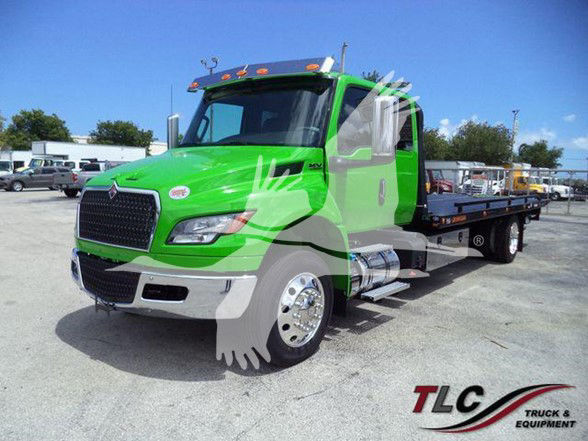
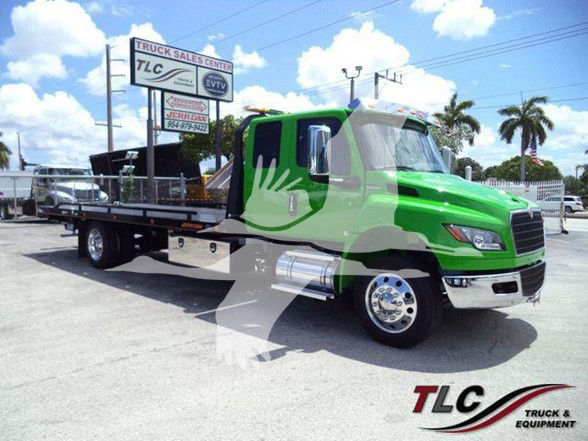
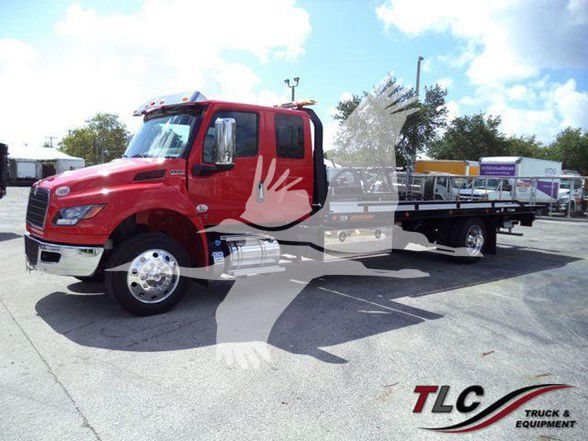
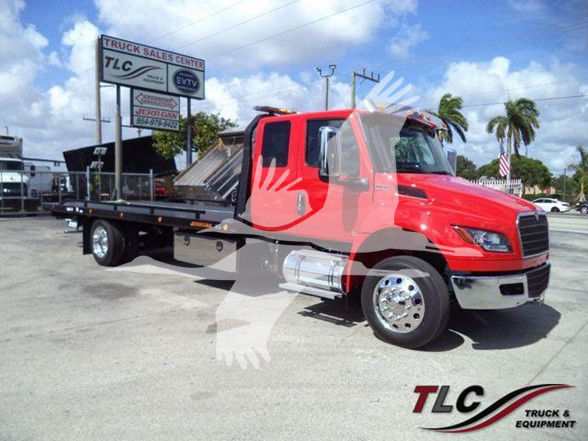
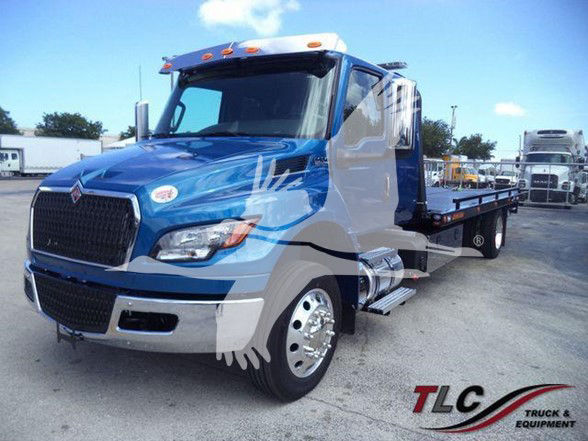
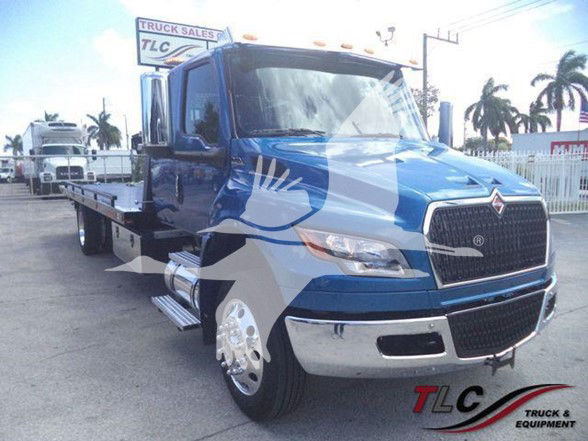
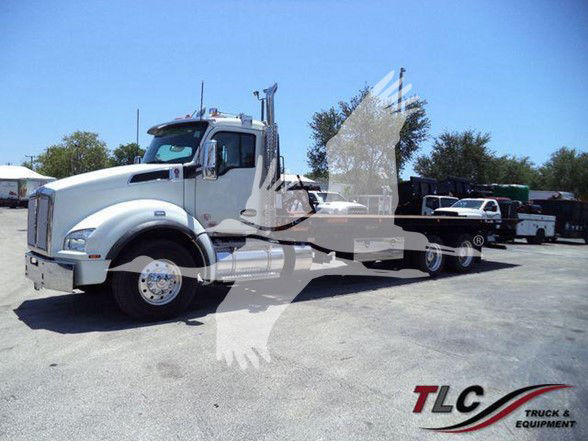
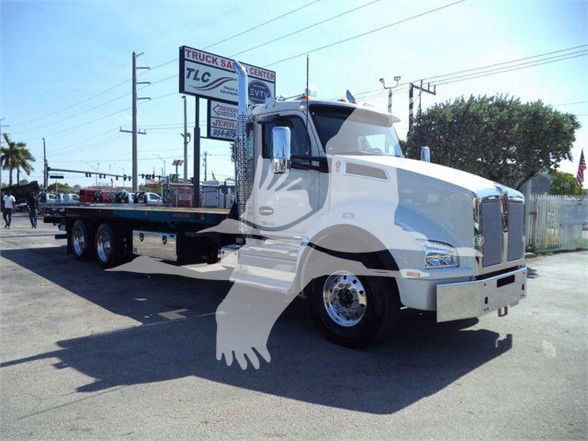
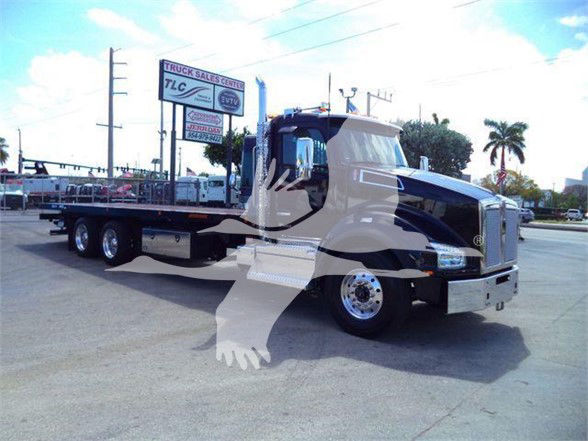
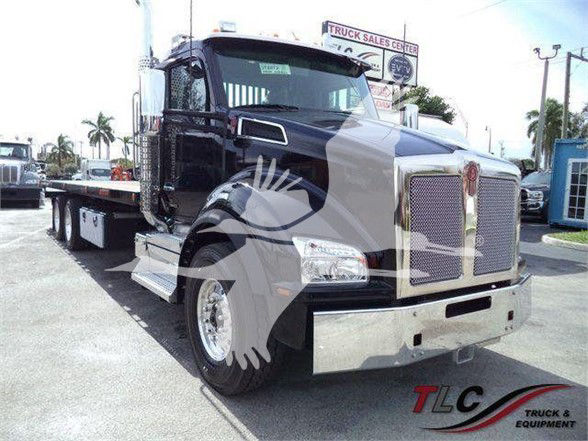
The first decision is usually chassis class and GVWR. Many new tow trucks in this category are spec'd at 19,500 to 26,000 GVWR, with Class 5 and Class 6 models covering a broad mix of urban towing and short-haul recovery. A Ram 5500 style chassis works well for lighter-duty operation and tighter city maneuvering, while medium-duty platforms such as the Peterbilt 337, Kenworth T280, Mack MD6, and Hino L6 give you more frame strength, axle capacity, brake package, and overall stability under a loaded deck. In Florida, where stop-and-go traffic, heat, and year-round operation are part of the job, many operators prioritize automatic Allison transmissions, air brakes on heavier chassis, air ride suspension, and low-profile 22.5 tires for easier loading angles and predictable ride quality.
Body spec matters as much as the cab and chassis. A low car carrier body, often labeled XLP or LCG, helps with approach angle on lowered cars, EVs, luxury vehicles, and long-wheelbase pickups. A 6-ton rated deck with a 3,500 lb wheel lift is a common target for mixed-use service, and removable rails or blade rails add flexibility when loading damaged units or awkward vehicles. Toolboxes, top trays, LED light bars, work lights, and stainless door hardware are more than appearance items on a tow truck. They affect daily usability, storage, visibility, and corrosion resistance. Buyers should also pay attention to cab-to-axle length, wheelbase, front and rear axle ratings, and weight distribution. A longer wheelbase can improve balance with a loaded carrier and reduce the tendency to overload the rear axle.
For a 2026 tow truck, the smartest comparison is not just make and engine horsepower. It is the full package: carrier length, deck height, wheel-lift rating, winch spec, brake system, suspension, and how the truck fits your mix of impounds, dealer runs, breakdown calls, and municipal or commercial towing. Cummins diesel power in the 260 to 300 hp range is common in this class, and buyers often look for proven combinations with Allison automatic transmissions for easier driver training and strong PTO compatibility. If your work includes low-clearance vehicles, prioritize extra-low-profile decks and clean loading geometry. If your routes stay dense and urban, turning radius, mirror package, camera system, and storage layout will matter every day. The right new tow truck should match the legal weight limits, recovery equipment needs, and service volume of your operation from day one.
Frequently Asked Questions about New 2026 Tow Trucks in Florida
What is the most common configuration for a new light-duty tow truck?
The most common configuration is a rollback or carrier body with a hydraulic wheel lift. In the current market, that usually means a 20 to 22 foot deck, about 102 inches wide, with a 6-ton carrier rating, a 3,500 lb wheel lift, and an 8,000 lb class winch. This setup gives operators the flexibility to transport cars on the deck, tow a second vehicle from the wheel lift when the body design allows, and handle routine recovery, dealer transfers, and accident work with one truck.
Is a 20-foot or 22-foot rollback better for towing work in Florida?
A 20-foot rollback can be a strong choice for tighter urban work because it is easier to maneuver, park, and position in crowded lots or narrow streets. A 22-foot rollback gives you more usable deck space, better flexibility for longer vehicles, and often improved loading placement for weight distribution. In Florida, where operators may handle everything from compact cars to crew-cab pickups and SUVs, many buyers prefer a 22-foot low-profile carrier if chassis length and route conditions support it.
What should I look for in tow truck chassis specs besides engine horsepower?
Horsepower matters, but GVWR, axle ratings, wheelbase, cab-to-axle length, brake type, suspension, and tire size often matter more in daily towing. A properly matched chassis supports safe weight distribution and keeps the body, wheel lift, and loaded vehicle within rated limits. Buyers should also look at transmission type, PTO compatibility, turning radius, and whether the truck uses hydraulic or air brake systems. On rollback tow trucks, an underspec'd chassis can limit payload, reduce stability, and create rear axle overload issues even if the engine is strong enough.
Why do many buyers prefer extra-low-profile or low-carrier tow bodies?
Extra-low-profile decks reduce the loading angle, which helps protect low-clearance vehicles from scraping during recovery and transport. That is especially important for sports cars, luxury sedans, EVs, and vehicles with front air dams or long overhangs. A lower deck also improves loading confidence for the operator and can reduce the need for extra cribbing or angle adjustments. For mixed-use fleets, a low-profile carrier body usually expands the range of vehicles the truck can handle cleanly.
Are medium-duty tow trucks better than pickup-based wreckers for commercial use?
For many commercial operators, medium-duty tow trucks offer better durability, brake capacity, frame strength, and body integration than pickup-based units. A Class 6 chassis with air brakes, air ride suspension, and higher axle ratings is often better suited for frequent towing, longer shifts, and heavier vehicle mix. Pickup-based rollback trucks still have a place, especially for lighter service, tighter routes, and lower acquisition cost, but medium-duty platforms usually provide more long-term capacity and fewer compromises when workloads increase.