
New 2024 Tow Trucks For Sale
Showing 1 to 24 of 53 results
Have new 2024 tow truck to sell? List it here to reach thousands of buyers.
New 2024 Tow Trucks
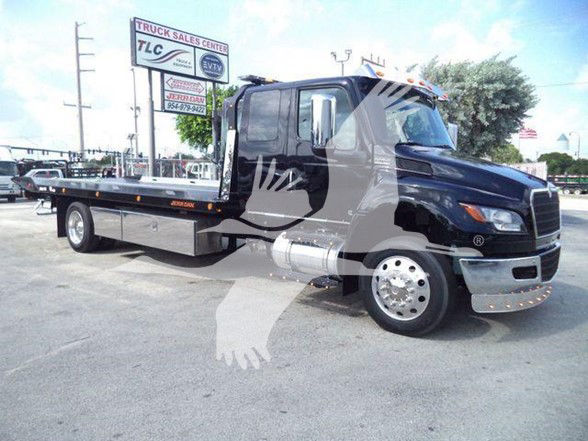
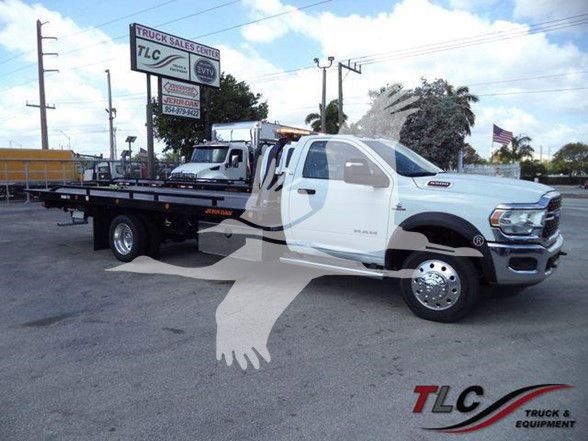
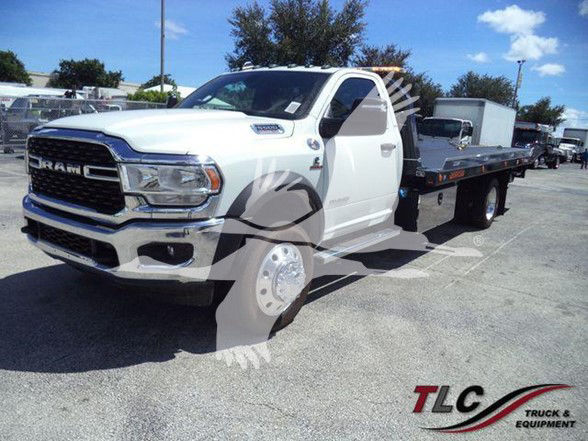
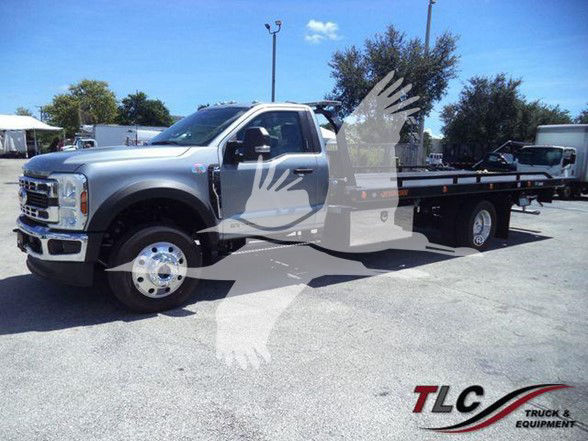
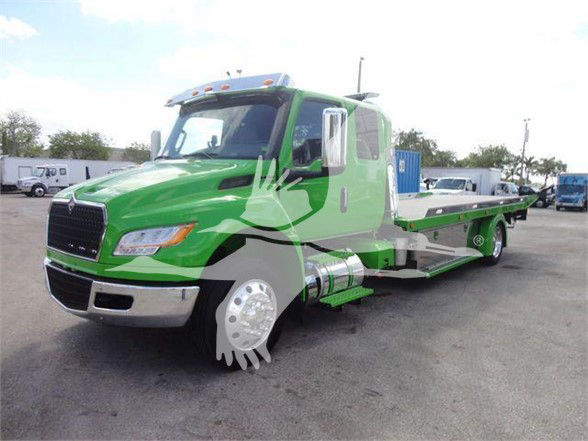
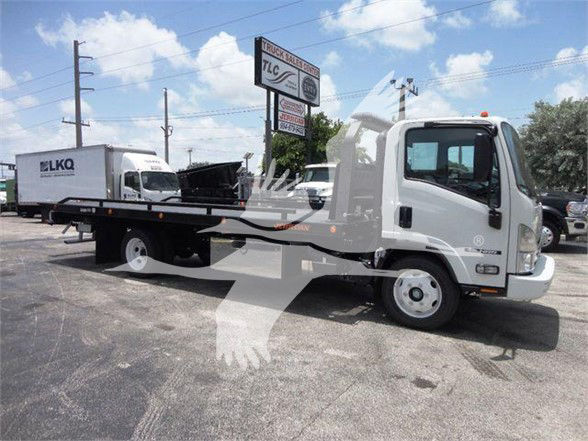
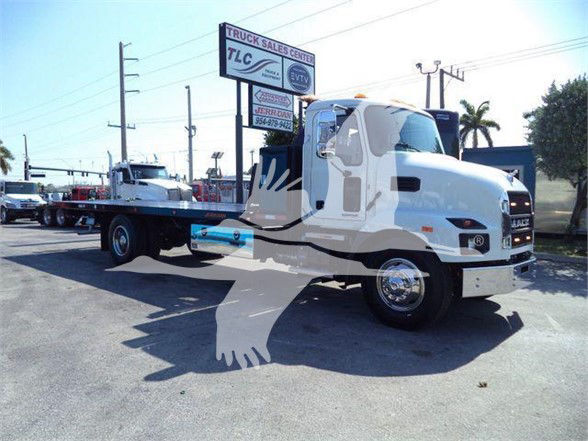
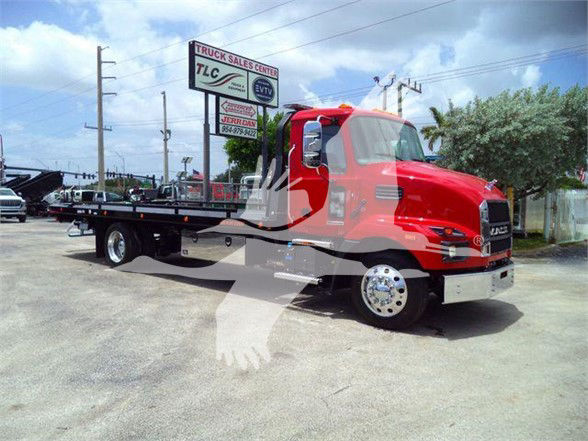
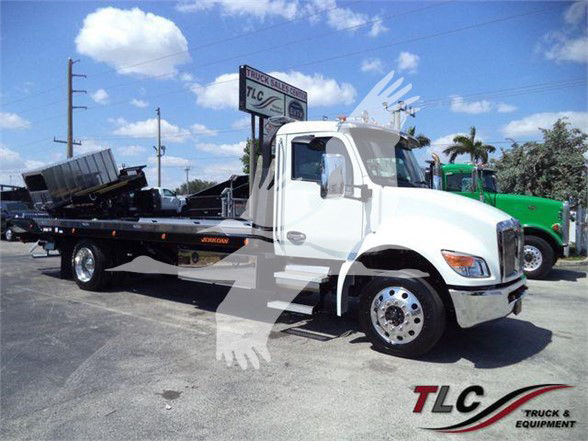
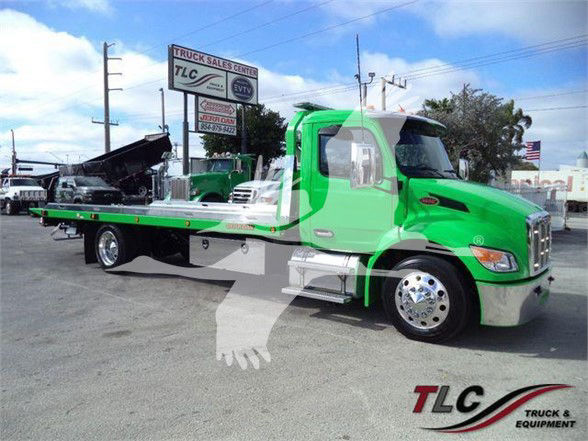
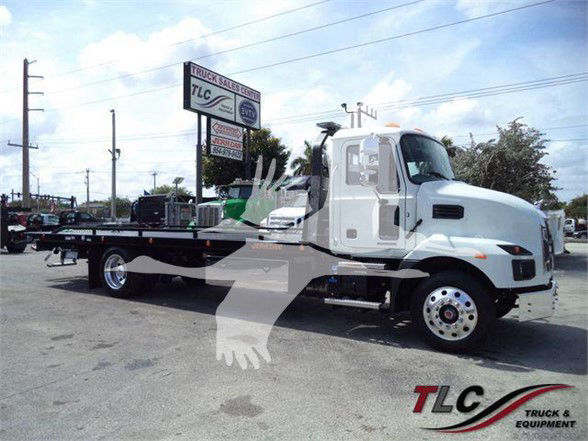
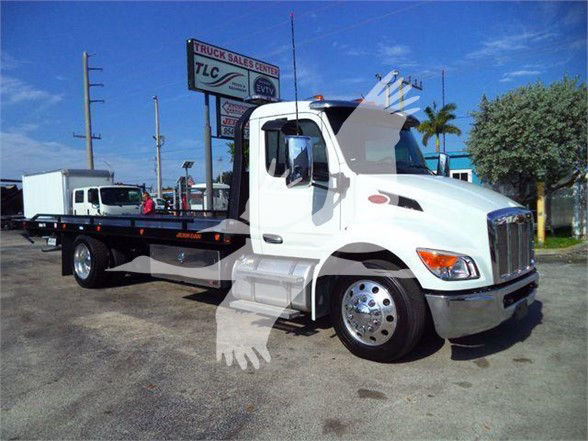
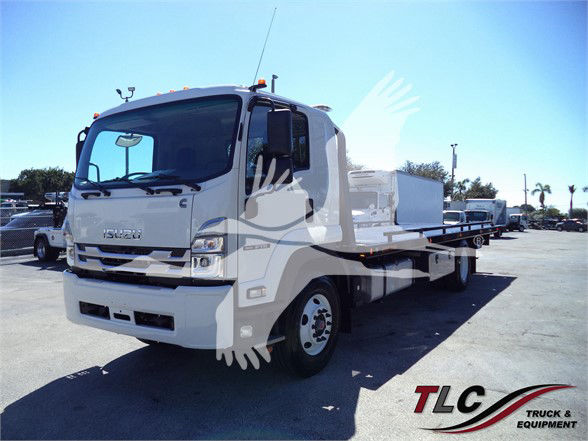
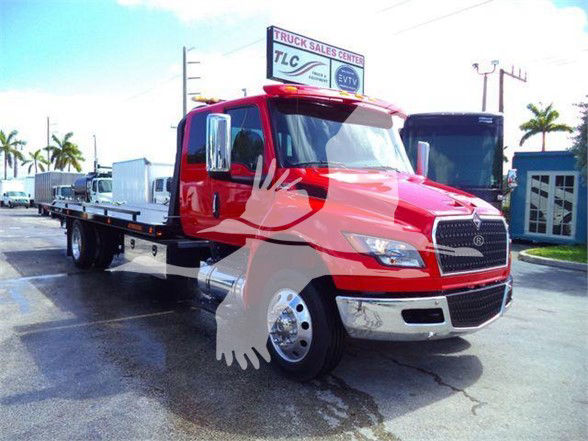
For many fleets, a 22-foot low-profile rollback on a Class 6 or Class 7 chassis is the core setup. Common specs include 26,000 GVWR, Cummins diesel power in the 260 to 300 HP range, Allison automatic transmissions, air brakes, air ride suspension, and 102-inch wide decks. Bed ratings around 6 tons are common, with 8,000 to 20,000 lb winches depending on intended use. Buyers should pay close attention to deck height, load angle, wheel-lift rating, and bed construction. A low center of gravity carrier with a dual-angle or low-pro deck makes it easier to load lowered cars, EVs, and damaged vehicles with less risk of bumper or underbody contact. Tool box layout, removable rails, work lights, backup cameras, and wireless remote functions also have a direct impact on day-to-day productivity.
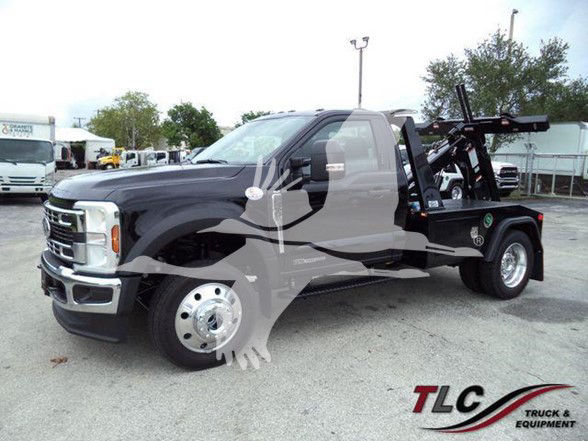
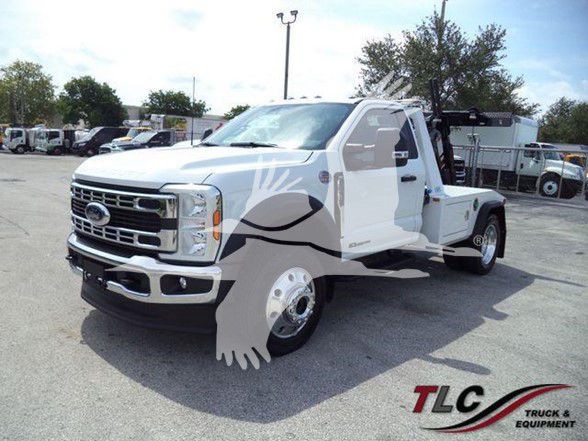
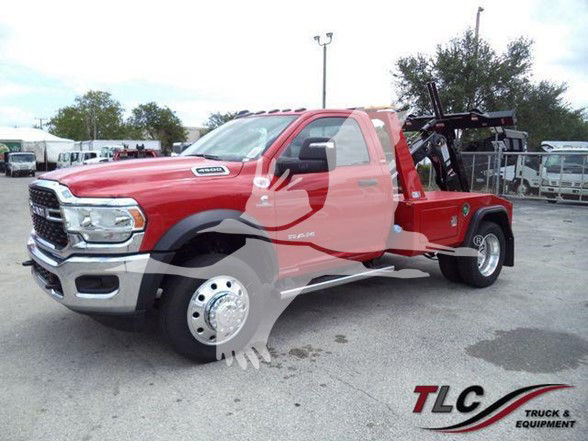
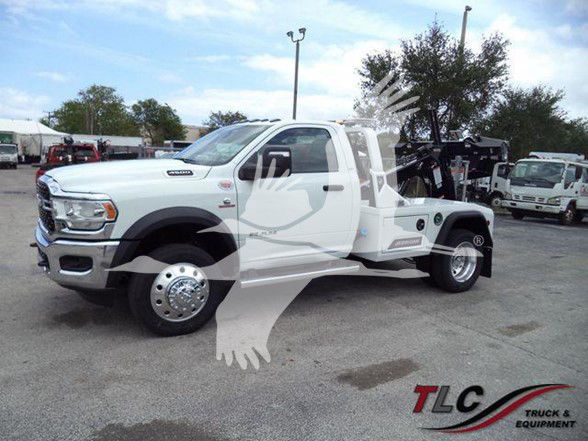
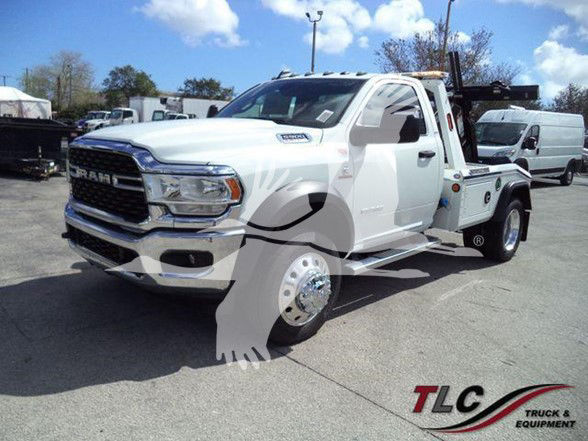
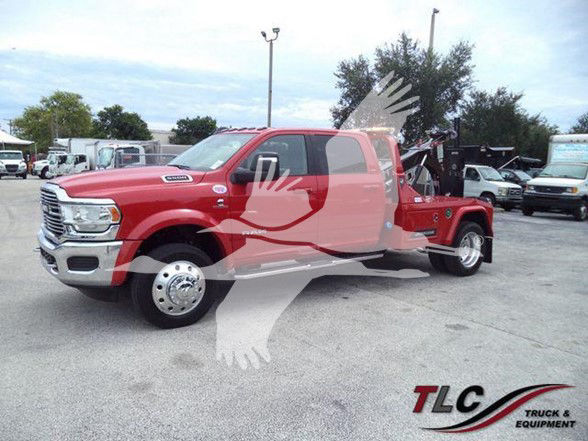
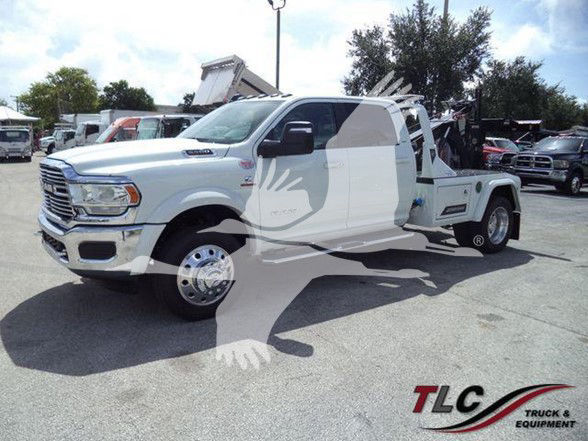
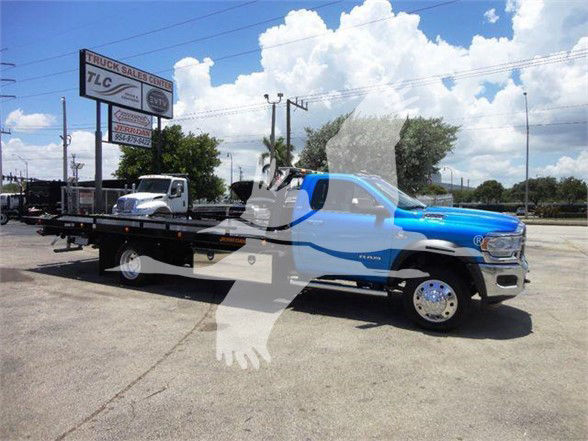
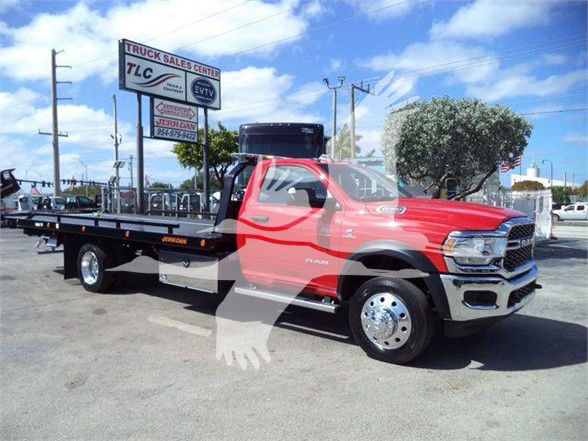
If your work leans toward urban towing, tight lots, police rotation, or quick-clearance calls, a self-loader on a medium-duty chassis like a Ram 4500 can be a strong fit. These units are designed for fast hookup times and efficient one-operator service. Typical features include an aluminum or steel wrecker body, integrated wheel lift, drag winch capacity around 8,000 lb, light bars, rear work lights, tow sockets, safety chains, and wheel-lift straps. For heavier transport work, tandem-axle rollback tow trucks on premium chassis can push into 15-ton carrier capacity with 28-foot beds, larger winches, pintle hitches, rear glad hands, and industrial transporter setups suited for equipment, chassis cabs, and larger commercial vehicles.
A serious buyer should look beyond engine and appearance and focus on operating fit. Verify front and rear axle ratings, wheelbase, brake type, suspension, tire size, and any state or municipal requirements for emergency lighting and towing equipment. Check how the body manufacturer handles structural warranty, corrosion resistance, hydraulic components, and parts support. New 2024 tow trucks often come with modern operator-focused features like LED warning packages, stainless trim, air ride seating, power accessories, and camera systems, but uptime still comes down to correct spec. A tow truck that matches your service area, call volume, and target vehicle mix will perform better than an overbuilt or undersized unit that looks good on paper.
Frequently Asked Questions about New 2024 Tow Trucks
What is the difference between a rollback tow truck and a self-loader wrecker?
A rollback tow truck uses a hydraulic tilt-and-slide bed to load the entire vehicle onto the deck, which makes it the preferred choice for all-wheel-drive vehicles, damaged vehicles, exotics, and general transport work. A self-loader wrecker uses a wheel-lift system designed for fast hookups and efficient short-haul towing, especially in parking lots, repossession work, and urban roadside calls. Rollbacks usually offer more versatility and less risk of driveline damage, while self-loaders are often faster in high-volume light-duty towing.
What GVWR is common for new light-duty and medium-duty tow trucks?
A common spec for light-duty and medium-duty rollback tow trucks is 26,000 GVWR, especially on Class 6 and Class 7 chassis. Self-loader wreckers may be built on lighter platforms such as 4500-series trucks, while heavy transport-style carriers can move into tandem-axle configurations around 60,000 GVWR. The correct GVWR depends on the chassis, body weight, deck length, winch package, and the types of vehicles or equipment you expect to handle.
How important is deck height on a rollback tow truck?
Deck height is one of the most important specs on a car carrier because it directly affects load angle and ground clearance during loading. A low-profile or low center of gravity deck is better for sports cars, EVs, lowered vehicles, and units with front-end or suspension damage. Lower deck height can reduce the chance of scraping bumpers, rocker panels, and battery trays, and it can speed up loading when dealing with difficult recovery situations.
What winch and wheel-lift capacities should buyers look for?
On new light-duty rollback tow trucks, an 8,000 lb winch is common, while larger industrial transporters may use 20,000 lb winches for heavier loads. Wheel-lift ratings around 3,500 lb are common on medium-duty carriers that also perform towing duty. The right capacity depends on the heaviest front-end pickup you expect, the frequency of damaged vehicle recoveries, and whether the unit will primarily transport vehicles on deck or tow them from the wheel lift.
Which chassis and drivetrain features matter most on a new tow truck?
The most important chassis features are axle ratings, wheelbase, brake system, suspension type, transmission, and engine output matched to the body and intended service. Buyers often prioritize diesel engines, Allison automatic transmissions, air brakes, differential locks, and air ride suspension because they improve durability, control, and driver comfort. In stop-and-go towing service, proper chassis spec matters more to uptime and operating cost than cosmetic upgrades.