
New 2024 Peterbilt Tow Trucks For Sale
Shop new 2024 Peterbilt tow trucks, including rollback and carrier setups with medium-duty specs, proven drivetrains, and towing-focused upfits.
Learn more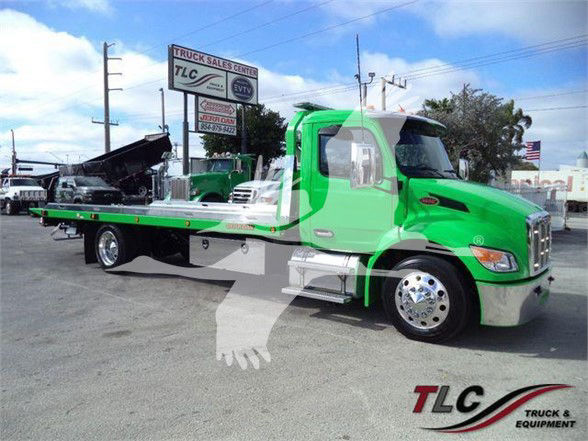
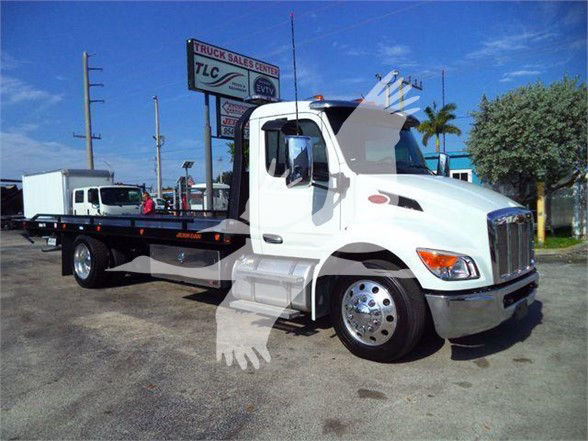
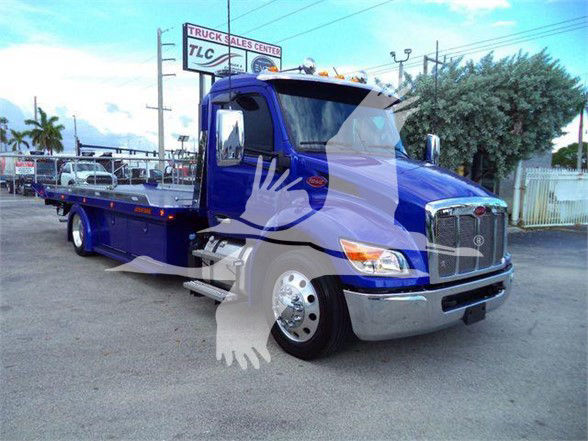
Have new 2024 peterbilt tow truck to sell? List it here to reach thousands of buyers.
About New 2024 Peterbilt Tow Trucks
Frequently Asked Questions
What chassis is most common on a new 2024 Peterbilt tow truck?
A common chassis choice in this category is the Peterbilt 536, with some buyers also comparing it to the 337 depending on body-builder preference and intended use. Both are medium-duty platforms that fit rollback and carrier applications well, but the exact appeal comes down to cab layout, wheelbase, axle ratings, and the upfit package installed. For most light-duty towing operations, the key is matching the chassis to the body length, wheel-lift rating, and legal payload after the completed upfit is mounted.
What specs matter most when comparing new Peterbilt rollback tow trucks?
The most important specs are GVWR, front and rear axle ratings, cab-to-axle dimension, wheelbase, engine output, transmission type, bed construction, and wheel-lift capacity. Many trucks in this class are built around a 26,000-lb GVWR, roughly 10,000-lb front axle ratings, and 19,000-lb to 20,000-lb rear axle ratings. Buyers should also confirm whether the carrier is steel or aluminum, check deck length and width, and review the winch, tool storage, lighting package, and any included towing gear because those details directly affect daily productivity.
Is an aluminum bed or a steel bed better on a Peterbilt tow truck?
Aluminum beds reduce weight and can improve usable payload, which matters if the truck regularly transports heavier pickups, vans, or small commercial units. Steel beds are typically favored for durability, repairability, and resistance to hard daily use in demanding recovery environments. The better choice depends on your route density, corrosion exposure, target vehicles, and how much importance you place on maximizing payload versus long-term structural toughness.
What engine and transmission combinations are common in this category?
New Peterbilt tow trucks in this class are commonly equipped with Cummins 6.7L diesel power in the 260 to 300 horsepower range, paired with an automatic transmission such as an Allison or a PACCAR automated option. That combination is popular because it delivers enough torque for urban towing and frequent stop-and-go work without moving into a heavier chassis class than many operators need. Buyers should still review rear axle ratio, suspension, and brake configuration because drivability under load is shaped by the full spec, not just horsepower.
What upfit features should a buyer look for on a new 2024 Peterbilt tow truck?
The strongest towing packages typically include a low-profile 22-foot carrier, a 3,500-lb wheel lift with L-arms, an 8K winch, LED warning and work lights, toolbox storage, hose reels, and a well-integrated control setup such as wireless remote functions for bed operation. Details like blade rail style, headboard design, receiver provisions, backup camera systems, strobe layout, and work-light placement make a real difference in roadside efficiency and operator safety. Buyers should also pay close attention to how cleanly the body is mounted, how accessible the storage is, and whether the lighting and towing equipment match local compliance requirements.