
New 2024 Tow Trucks For Sale in Florida
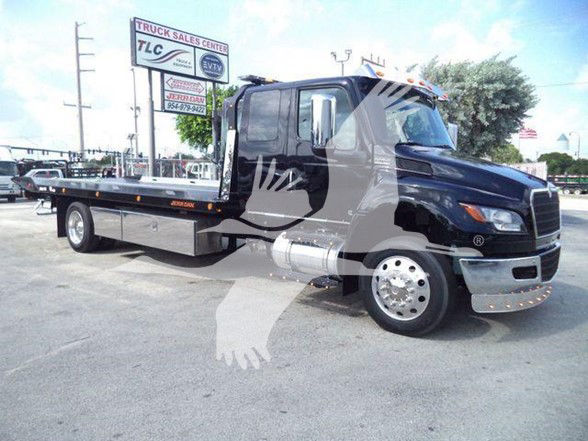
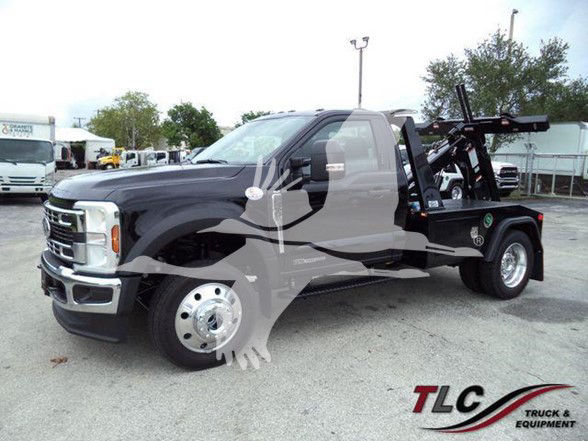
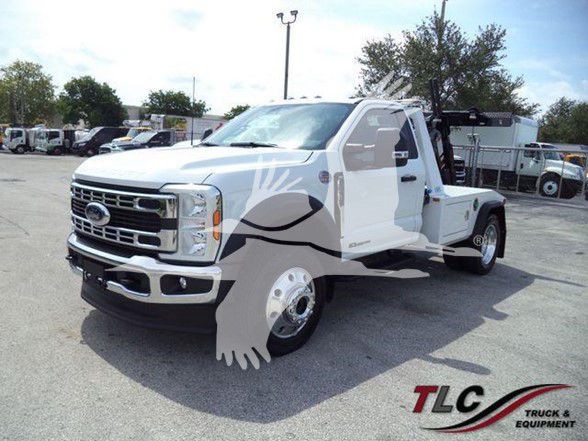
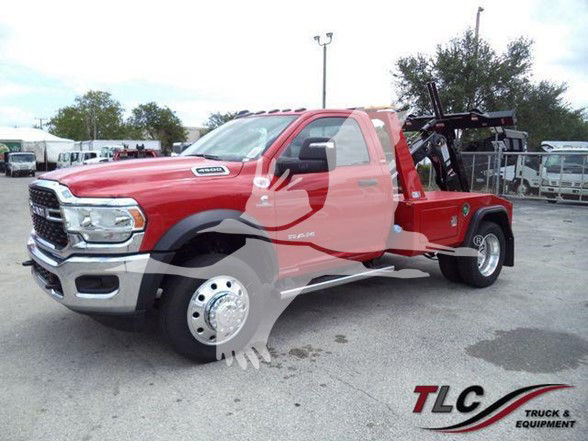
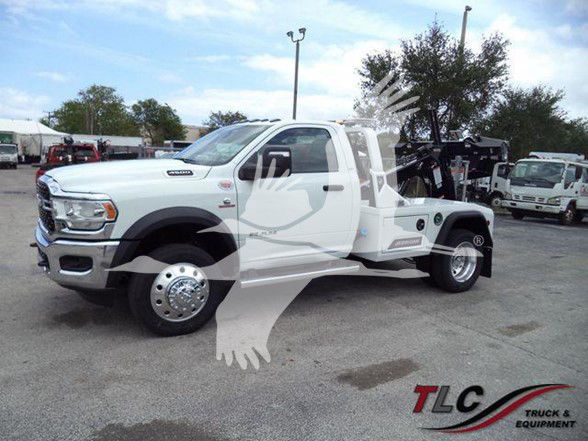
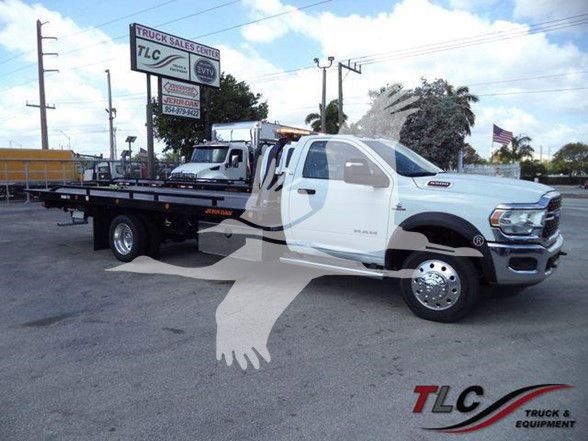
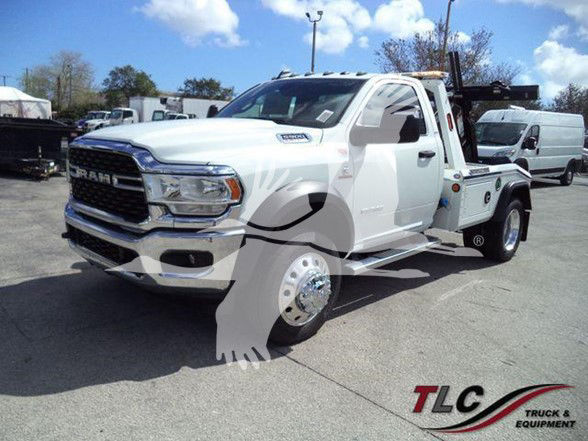
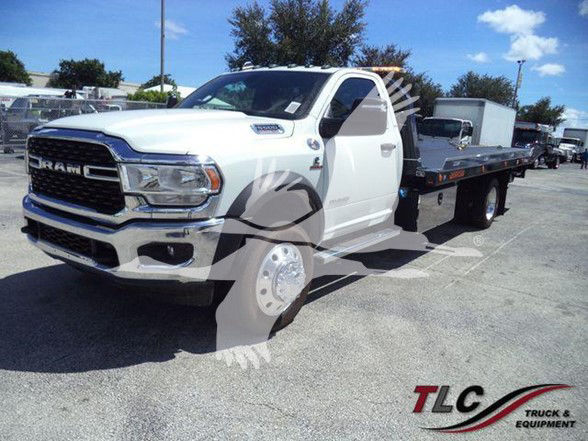
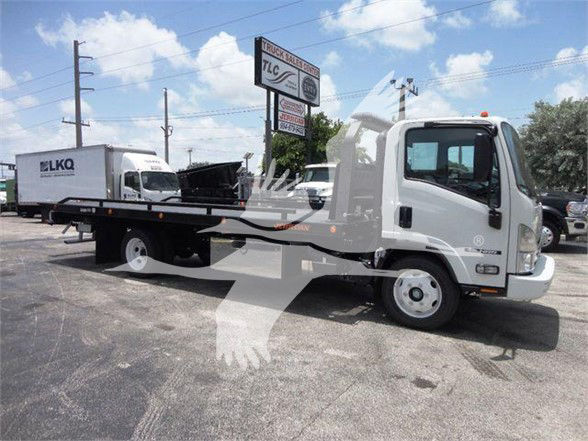
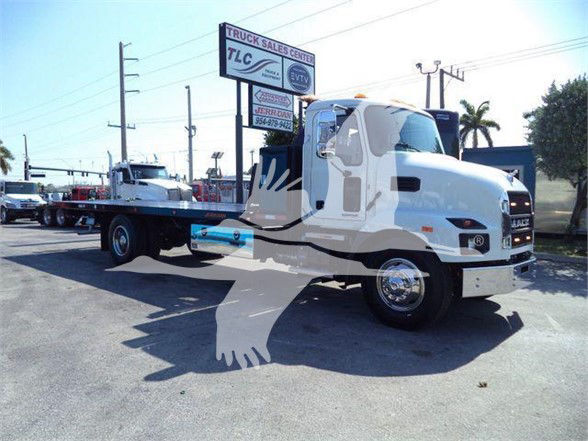
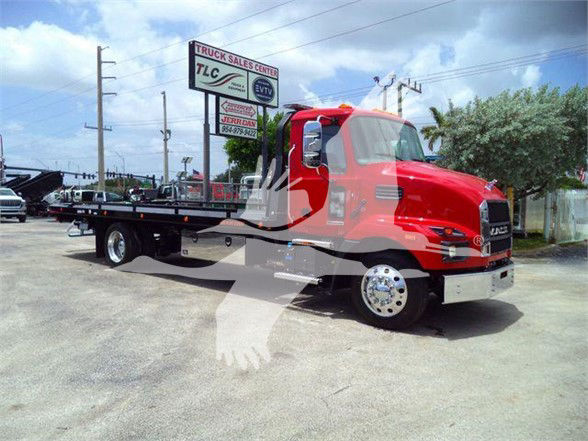
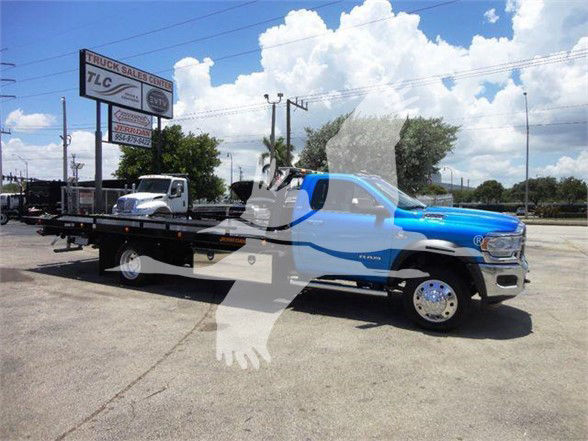
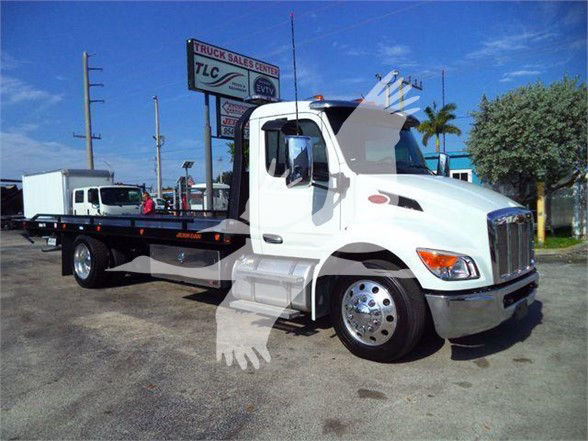
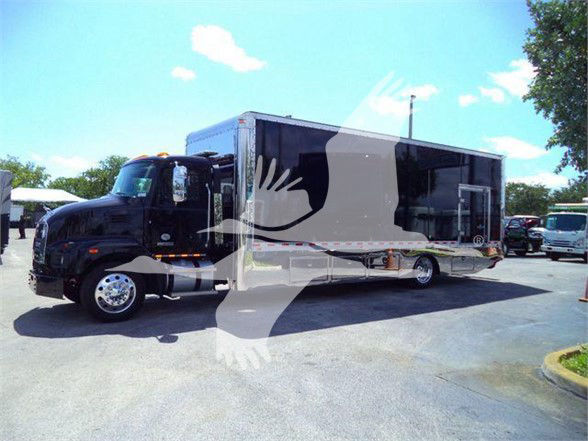
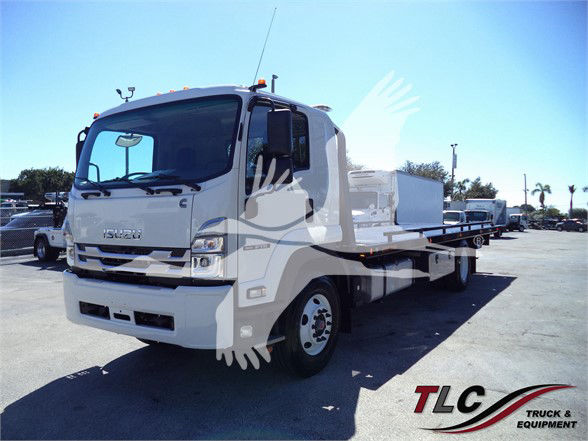
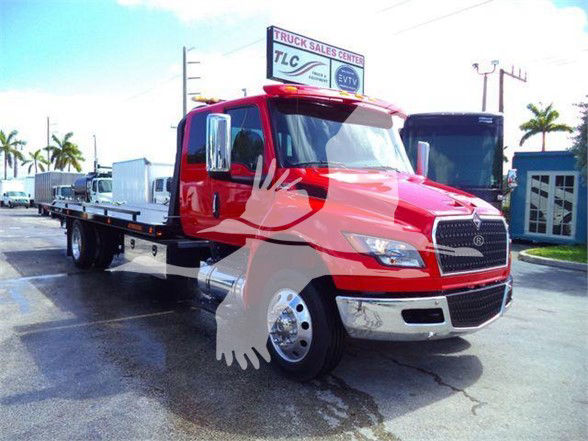
Showing 1 to 24 of 53 results
Have new 2024 tow truck to sell? List it here to reach thousands of buyers.
New 2024 Tow Trucks in Florida
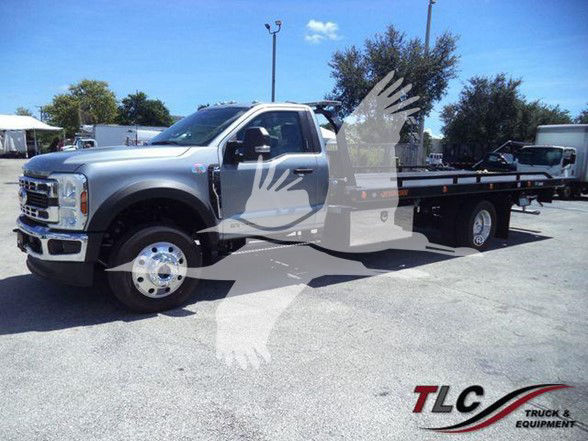
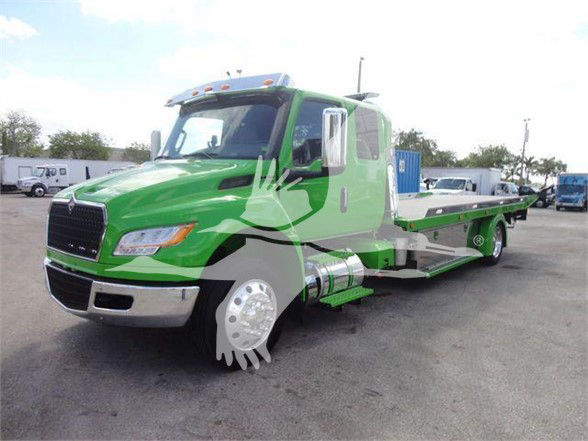
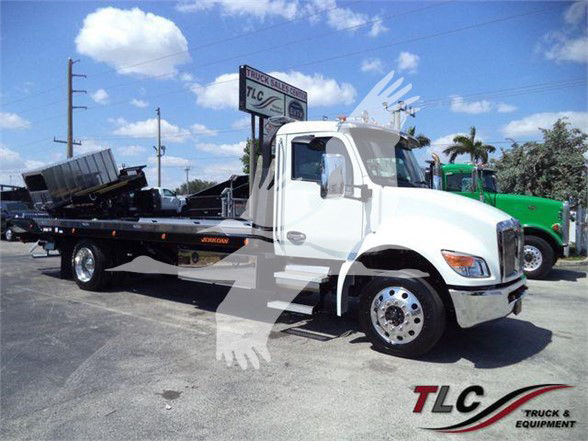
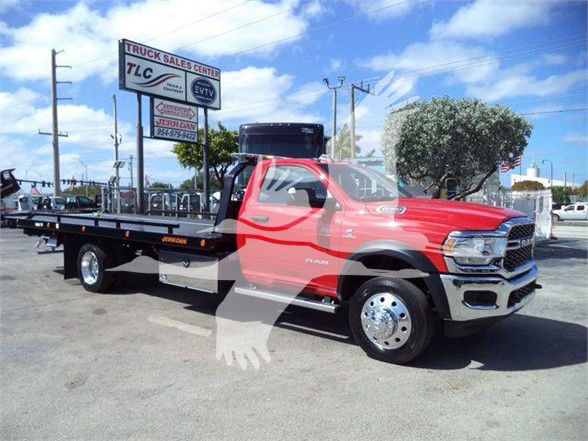
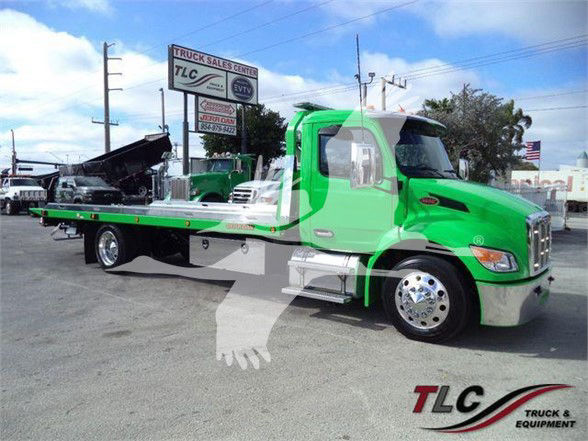
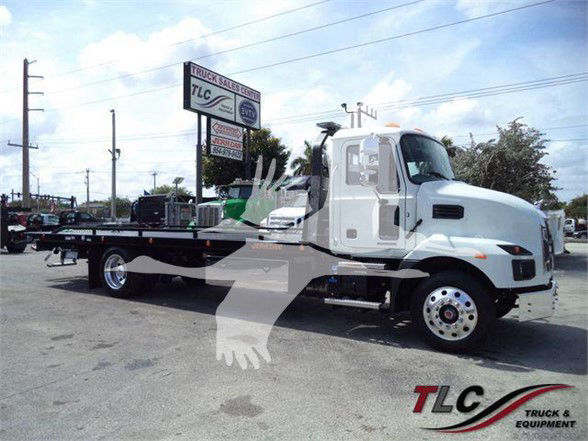
On new medium-duty rollback tow trucks, common specs include 20 to 22 foot decks, 96 to 102 inch deck width, 6-ton carrier ratings, and 3,500 lb hydraulic wheel-lifts with L-arms. Many 2024 units use Jerr-Dan XLP or low-profile decks to improve loading angle on low-clearance cars, SUVs, and light trucks. Dual-angle or shark-style decks can make a real difference if you handle lowered vehicles, high-end cars, or auction transport. An 8,000 lb winch is common on light and medium rollback setups, while steel and aluminum deck choices affect both weight and corrosion resistance. Steel tends to cost less and take abuse well. Aluminum helps reduce tare weight and can improve payload margin.
Chassis selection matters just as much as body choice. In this category, buyers will often see International MV, Ford F-650 or F-750, Chevrolet Silverado 6500HD, Freightliner M2 106, and Kenworth T280 platforms with diesel engines in the 300 to 330 hp range, paired with Allison automatic transmissions. GVWR commonly falls between about 23,500 and 26,000 lb, which is important for registration, driver qualification, and route planning. Air brakes and air ride suspension are common on higher-spec trucks, while some entry or lighter applications may use spring suspension. In Florida, corrosion is still a consideration because of coastal exposure, humidity, and frequent rain, so aluminum wheels, polished tanks, stainless trim, sealed lighting, and clean hydraulic routing are more than cosmetic details.
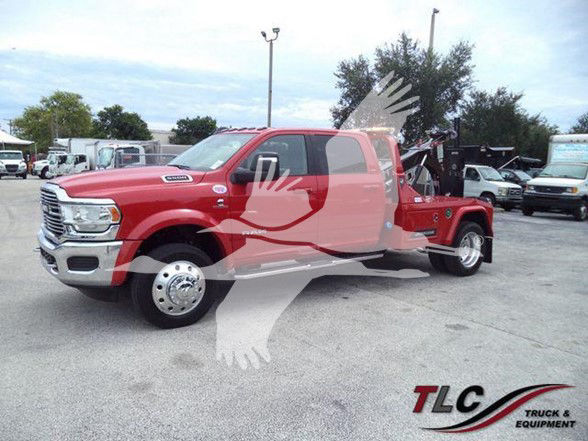
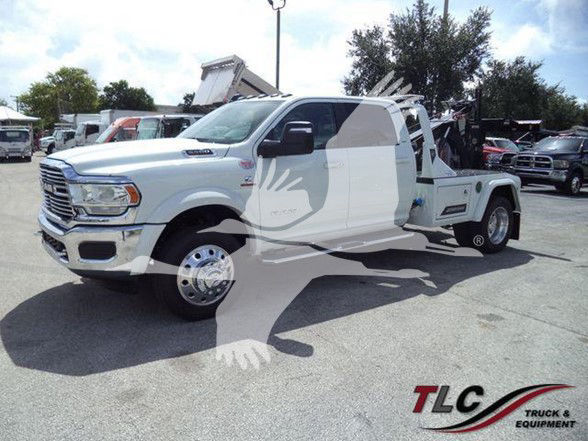
A serious buyer should compare more than horsepower and paint. Tool box capacity, wireless remote functions, light bar configuration, work lights, hose reel placement, tunnel boxes, wheel-lift geometry, and included towing gear all affect daily productivity. On wreckers, pay attention to boom rating, winch capacity, stiff-leg design, and the included fork package. On carriers, focus on deck height, approach angle, tie-down points, side rails, headboard design, and whether the truck is set up for passenger vehicle transport, light commercial recovery, or both. New tow trucks in this class are often ordered with Florida-duty features like bright LED warning packages, extended or crew cabs, power convenience options, and upfit storage for straps, chains, skates, and recovery gear.
Frequently Asked Questions about New 2024 Tow Trucks in Florida
What is the difference between a rollback tow truck and a wrecker?
A rollback tow truck uses a tilting slide-back deck to load and carry a vehicle completely off the ground. It is preferred for transporting all-wheel-drive vehicles, damaged cars, low-clearance vehicles, and dealer or auction units. A wrecker uses a boom and wheel-lift to tow a vehicle behind the truck, which is better for quick hookups, roadside breakdowns, and recovery work. The right choice depends on whether your business leans toward transport, impounds, accident response, or traditional towing.
What deck size is most common on a new medium-duty rollback tow truck?
The most common deck sizes in this class are 20 foot and 22 foot carriers, usually with widths from 96 to 102 inches. A 22 foot deck gives more flexibility for larger pickups, SUVs, and longer-wheelbase vehicles, while a 20 foot deck can work well in tighter urban service. Low-profile and XLP deck designs are especially useful when loading lower vehicles because they reduce the approach angle and lower the risk of bumper or underbody contact.
Is a 26,000 GVWR tow truck important for CDL considerations?
Yes. Many medium-duty tow trucks are spec'd right at or near 26,000 GVWR because that threshold can affect CDL requirements depending on the exact truck rating, trailer use, and state and federal rules. Buyers should verify the chassis GVWR, body upfit rating, and how the truck will actually be operated in service. Registration class, insurance, and driver qualification standards should be reviewed before purchase, especially for fleets running across state lines or handling heavier commercial tows.
What should I look for in a new tow truck body besides capacity ratings?
Capacity numbers are only part of the picture. Buyers should inspect wheel-lift design, L-arm compatibility, winch type and line capacity, remote-control functions, toolbox layout, lighting package, tie-down storage, hydraulic hose protection, and body material. On rollback carriers, deck angle and bed height directly affect loading ease. On wreckers, boom extension, underlift geometry, and stiff-leg performance matter in real recovery situations. A well-planned upfit saves time on every call and reduces wear on operators and equipment.
Are aluminum tow bodies better than steel in Florida service?
Aluminum bodies offer a clear corrosion advantage in humid and coastal environments, and they also help reduce empty weight. That can be useful when every pound counts on a carrier. Steel bodies are still widely used because they are durable, familiar to repair, and often lower in initial cost. In Florida service, either material can perform well if the truck has quality coatings, sealed electrical components, proper drainage, and consistent wash and maintenance practices.