
Tow Trucks For Sale in Georgia
Browse tow trucks for sale in Georgia, including wreckers and rollback carriers with specs, body types, towing capacity, PTO, and chassis details.
No exact matches found for your search
Showing Tow Trucks instead.
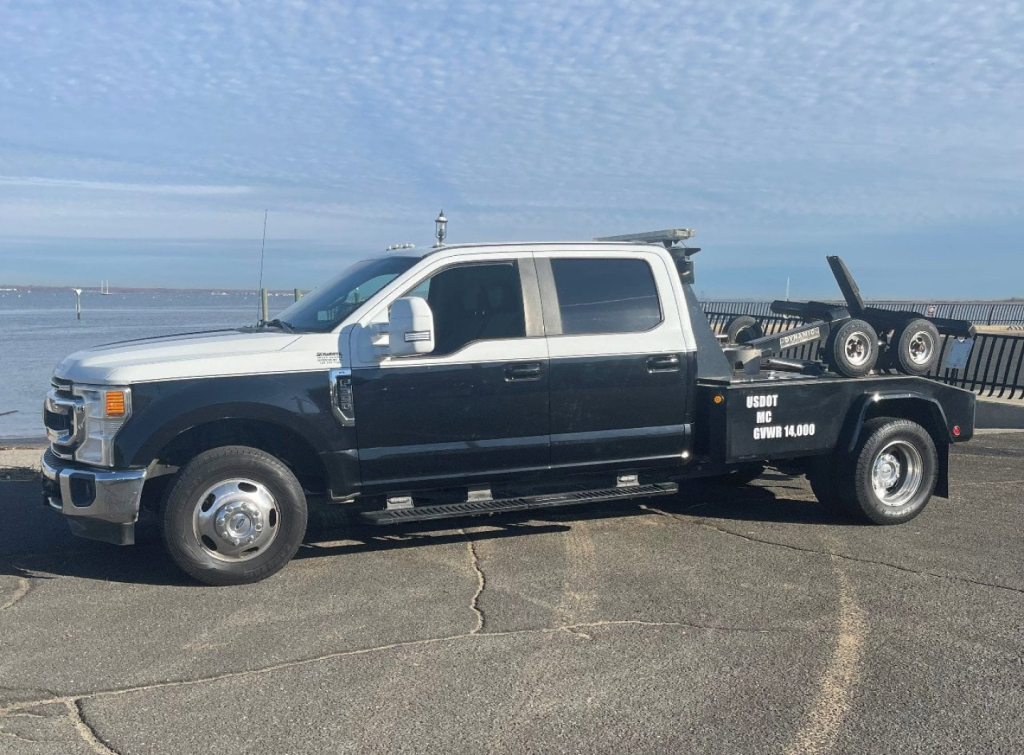
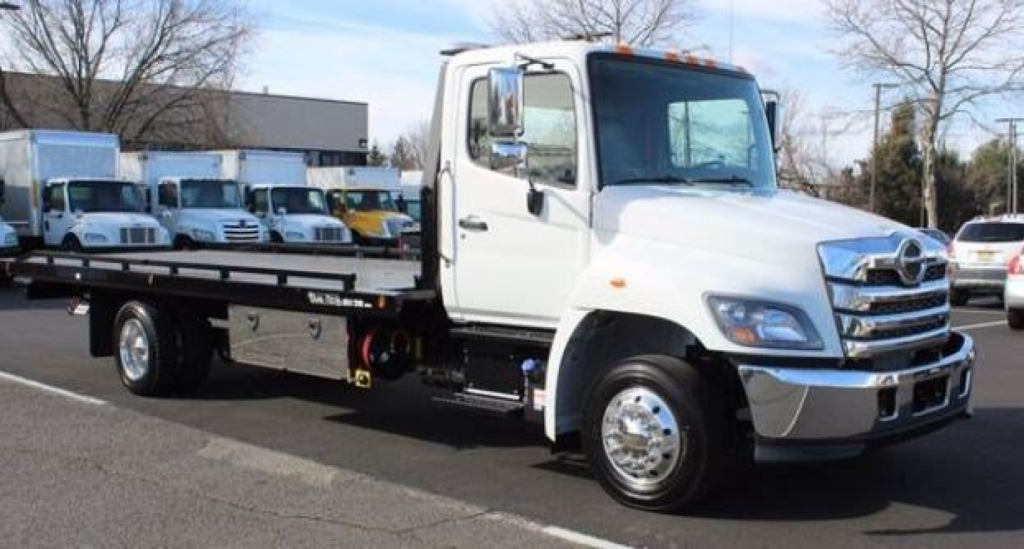
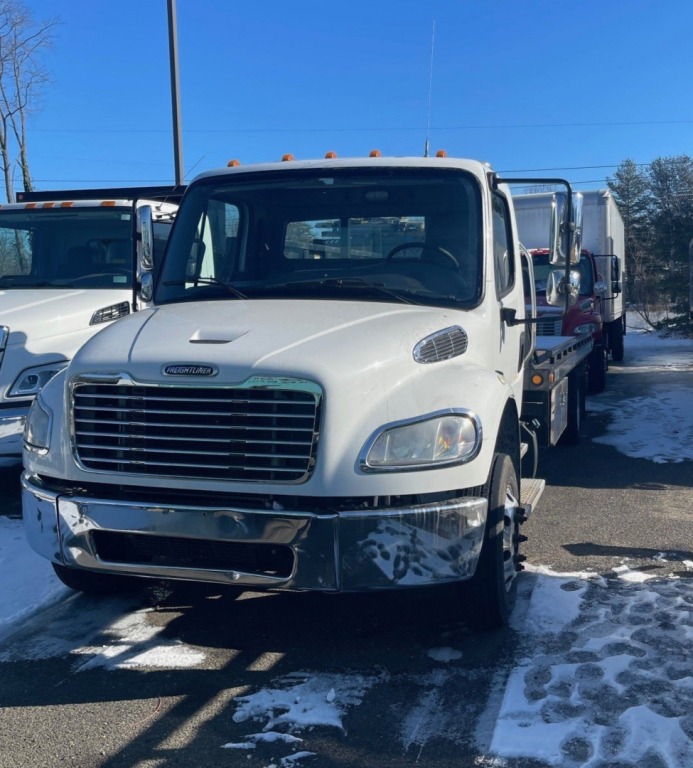
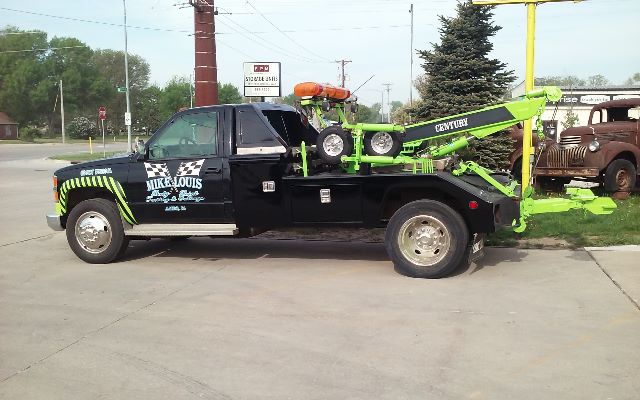

Selling a tow truck? List your tow truck for sale and reach thousands of commercial buyers.
Tow Trucks in Georgia
For light-duty tow work, common platforms include Ford F-550, Ram 5500, and similar Class 5 chassis with diesel or gas engines, automatic transmissions, dual rear wheels, and PTO-driven hydraulic systems. These trucks are often spec'd with self-loading wheel-lifts, dual side controls, in-cab remotes, work lights, tool storage, and backup alarms. A light-duty wrecker may be ideal for passenger cars, half-ton pickups, and quick-clear roadside calls, but buyers should still verify front axle capacity, rear axle rating, suspension condition, and GVWR. On older units, the condition of the hydraulic pump, cylinders, hoses, and PTO engagement matters as much as engine hours or mileage.
If the work includes heavier pickups, vans, commercial fleets, or accident recovery, capacity and frame layout become more important than cosmetics. Look closely at boom rating, underlift rating, winch line pull, wheel-lift geometry, and the truck's wheelbase-to-body match. A tow truck that is too short or lightly spec'd for the intended load can become unstable under lift. Buyers in Georgia should also pay attention to rust around body mounts, crossmembers, outriggers, and deck pivots, even in trucks that have spent most of their life in the South. Service records for winches, wire rope or synthetic line, wheel-lift pins, sheaves, and hydraulic valves are strong indicators of how the truck was maintained.
A good tow truck purchase is usually the result of matching operating model to equipment, not simply buying the newest chassis. For urban towing, tight turning radius, clear sight lines, and fast wheel-lift cycle times can matter more than headline horsepower. For highway recovery or transport, chassis stability, braking performance, and body manufacturer reputation carry more weight. Common body brands in this segment include Century and other established wrecker and carrier builders, and buyers should confirm replacement parts support, control layout, and compliance equipment before making a decision. The best tow trucks for sale are the ones spec'd for the calls you actually run, with enough hydraulic and chassis capacity in reserve to work safely and consistently.
Frequently Asked Questions about Tow Trucks in Georgia
What is the difference between a wrecker and a rollback tow truck?
A wrecker uses a boom and wheel-lift to raise one end of the vehicle and tow it with part of the load on the road. A rollback, also called a carrier, uses a tilting bed to load the entire vehicle onto the deck. Wreckers are often preferred for quick roadside hookups, impounds, and tight urban work. Rollbacks are usually better for damaged vehicles, all-wheel-drive vehicles, low-clearance cars, and transport jobs where keeping all four wheels off the ground is important.
What chassis are common for light-duty tow trucks?
Common light-duty tow truck chassis include the Ford F-550, Ram 5500, and similar Class 5 or Class 6 platforms. Buyers typically look for dual rear wheels, an automatic transmission, sufficient wheelbase for the body installed, and a PTO-driven hydraulic system. Diesel engines are common for torque and durability, but gas-powered units are also used in lighter applications. The right chassis depends on the body rating, expected vehicle weight, and the duty cycle of the business.
What should I inspect first on a used tow truck?
Start with the hydraulic system, PTO operation, wheel-lift, boom structure, winches, and controls before focusing on appearance. Check for leaking cylinders, damaged hoses, slow hydraulic response, uneven lifting, worn pivot pins, and cracked welds around the body and mounting points. Then inspect the chassis for axle ratings, brake condition, steering play, suspension wear, tire condition, and frame corrosion. Maintenance records for both the truck and the wrecker body are especially valuable because towing equipment wear is not always obvious in photos.
How do I know if a tow truck has enough capacity for my work?
Capacity should be evaluated by the underlift rating, boom rating, winch line pull, GVWR, axle ratings, and wheelbase, not by the truck's size alone. A truck used mainly for sedans and small SUVs can be spec'd much differently than one handling work vans, service trucks, or loaded pickups. The safest approach is to compare the heaviest and longest vehicles in your normal call mix against the body manufacturer's ratings and the chassis limits. Stability under lift, braking control, and front axle loading matter just as much as raw lifting numbers.
Are remote controls and dual side controls worth having on a tow truck?
Yes, in many operations they improve both efficiency and operator safety. Dual side controls give the operator flexibility during hookup and recovery, while in-cab or wireless remote controls can improve visibility and reduce unnecessary movement around traffic or damaged vehicles. Buyers should still verify that all control stations function correctly and that the wiring, switches, and safety interlocks are in good condition. On used units, electrical issues in control systems can be expensive if they have been exposed to weather or poorly repaired.