
Used Tank Trucks For Sale
Explore used tank trucks for fuel, water, vacuum, and chemical service, with guidance on materials, insulation, pumps, compliance, and chassis specs.
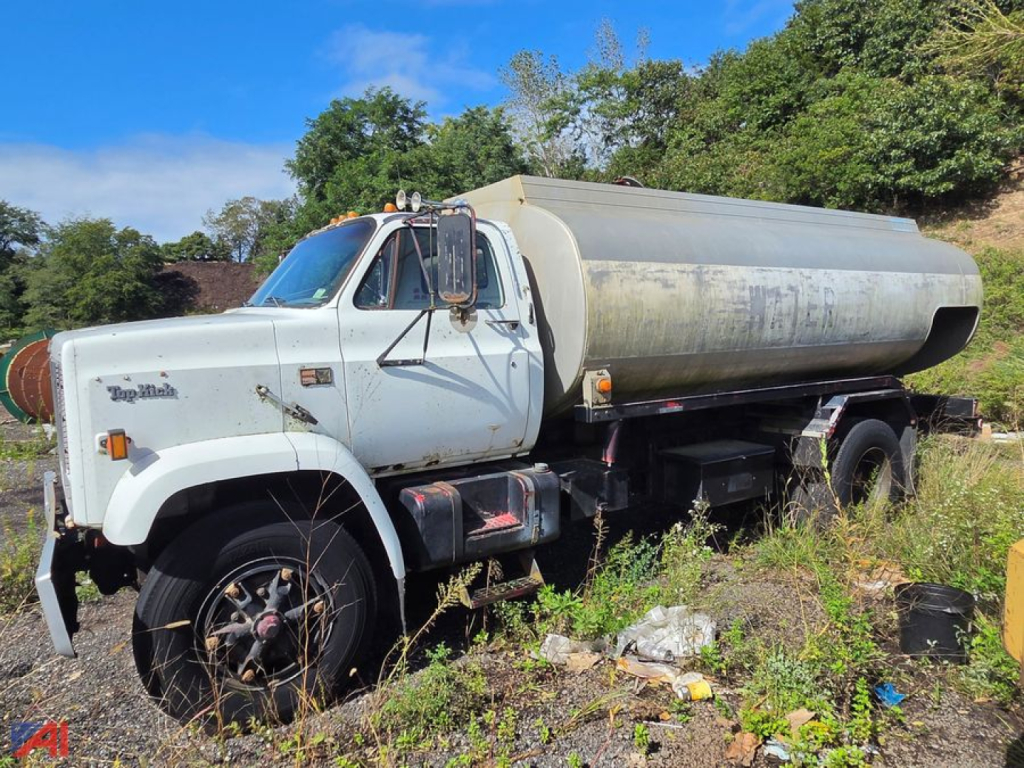
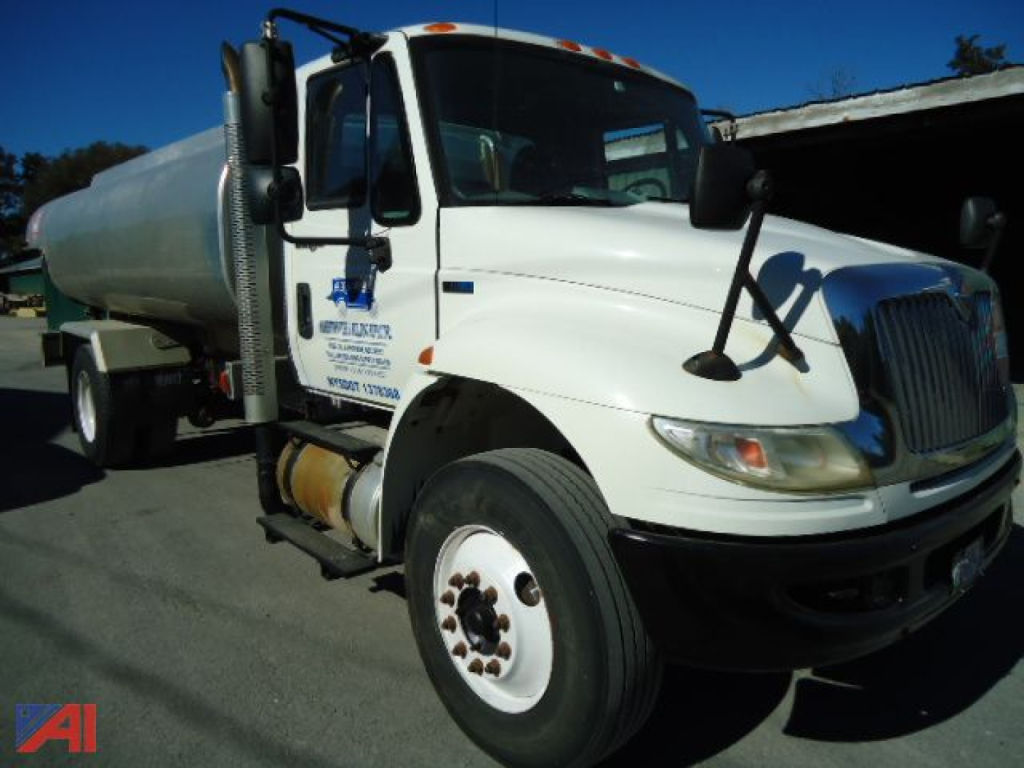
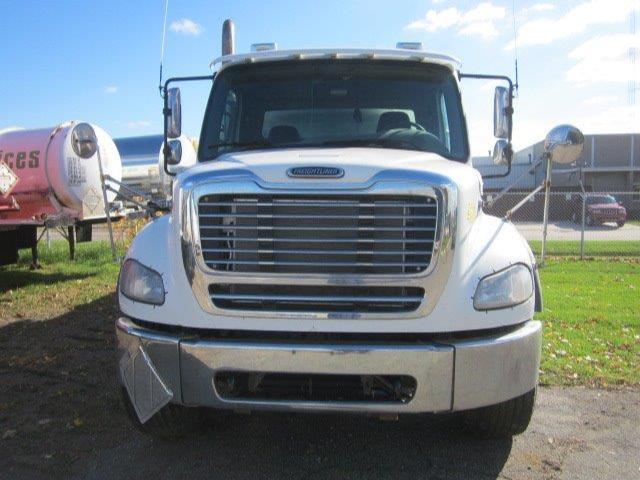

Selling a used tank truck? List your used tank truck for sale and reach thousands of commercial buyers.
Used Tank Trucks
Shell design and mounting determine durability and ride. Barrel thickness, heads, circumferential stiffening rings, and internal baffles or compartments control surge and reduce roll risk, tighter baffle spacing improves handling but slightly raises tare weight. The subframe and saddle system transfers load into the chassis, full length channel frames with spring or rubber isolation mounts reduce shell stress, three point mounts allow frame twist without cracking welds. Wear pads under straps, clean saddles, and intact isolators protect against fretting corrosion. Platform and cabinet floor strength matter where meters, hose reels, spray bars, or vacuum components concentrate weight and vibration, reinforced decks and crossmembers keep equipment stable over rough routes. For DOT code tanks, look for air actuated emergency valves, overfill protection like Scully, vapor recovery plumbing, pressure relief devices, and legible spec plates.
Loading and discharge hardware defines throughput and accuracy. Petroleum units often carry bottom loading manifolds with API adapters, vapor recovery, and preset overfill, plus Blackmer or Corken vane pumps, strainers, and LC or Neptune meters with registers and printers for route work. Water and food grade trucks favor stainless centrifugal pumps and sanitary valves, CIP spray balls and polished internals simplify cleaning. Vacuum trucks rely on high CFM rotary vane or liquid ring pumps from Masport, Fruitland, Moro, or Jurop, paired with proper inlet filtration, secondary moisture traps, burst disks, and rated reliefs for pressure and vacuum. Power can be direct PTO drive off a manual or Allison automatic, or hydraulic drive for flexible RPM control, size the PTO ratio and pump curve so flow and pressure are reached at safe engine speeds. Thermal integrity comes from 2 to 4 inches of insulation, tight jacketing, and minimal thermal bridging, options include steam coils, glycol or hot oil loops, or electric heat trace, damaged jacket seams and wet insulation drastically cut hold time.
Chassis and running gear complete the productivity picture. Wheelbase and axle placement must balance steer and drive weights when full, steerable lift axles help meet bridge formulas and protect tires on tight urban routes. Air ride suspensions absorb liquid surge and protect meters and pumps, heavy multileaf springs suit off road dust control and construction. Electronic stability control and ABS reduce rollover risk with high center of gravity liquids, spec wide base or duals to match route and weight targets. Corrosion resistance improves with stainless piping, coated subframes, sealed electrical connectors, and isolation between dissimilar metals, brine and winter chemicals attack bare carbon steel quickly. On a used unit, review 49 CFR 180.407 test and inspection records, external and internal visuals, leakage and pressure tests, UT thickness readings, meter calibration certificates, and repair stamps, then inspect baffle welds, sumps, manway collars, saddle areas, frame flanges, and pump or vacuum system condition, hours and performance tests are the best indicators of remaining life.
Frequently Asked Questions about Used Tank Trucks
Which tank material is best for my product and why does it affect tare weight and corrosion resistance?
Aluminum is the lightest common choice, ideal for refined fuels under DOT 406 because it maximizes payload and resists gasoline and diesel, it is not suitable for strong acids or caustics. Stainless steel, 304L or 316L, adds weight but offers excellent corrosion resistance for chemicals and food grade service and it tolerates frequent wash cycles without coating loss, 316L handles chlorides better. Carbon steel is strong and economical for water, vacuum, waste, and asphalt, it requires high quality internal linings or robust external coatings in corrosive duty, especially with brine, acids, or landfill leachate. Material choice sets tare weight and long term maintenance, so match it to product chemistry and route demands.
How do DOT 406, 407, and 412 specs influence a used purchase?
These cargo tank codes define allowable products, pressure ratings, fittings, and safety devices. DOT 406 covers petroleum and light fuels with low pressure barrels, DOT 407 handles many chemicals with higher design pressure and optional linings, DOT 412 is built for corrosives with the highest pressure and thickness requirements among the three. Verify the spec plate against your intended commodity, then confirm compliance records per 49 CFR 180.407, external visual and leakage tests are required at regular intervals and most fleets complete internal visual, thickness, and pressure tests on five year cycles. Check overfill systems, emergency valves, pressure reliefs, and vapor recovery components for current test decals and documentation.
How can I evaluate thermal integrity on an insulated used tank truck?
Inspect the jacket for dents, loose bands, open seams, and water intrusion, wet insulation loses most of its R value and adds weight. Ask for original insulation thickness, two to four inches is common, and note the material type, polyurethane foam has high R per inch, mineral wool tolerates heat better. Verify heat systems, steam coils should pressure test without leaks, hot oil or glycol loops should circulate and hold temperature, electric heat trace should have intact controls and insulation. Look for thermal bridges at saddles, manways, and ladders, and test hold time on a loaded or water filled tank to confirm real world performance.
What capacity and axle configuration should I target for legal payload and maneuverability?
Match gallons to axle ratings, bridge laws, and route geometry. Tandem 6x4 chassis commonly carry 3,000 to 5,500 gallons depending on product density and wheelbase, tri or quad axle trucks can push capacity higher while staying legal on drives and steers. Urban delivery favors shorter wheelbases and possibly a steerable lift axle to maintain turning radius while protecting axle weights, rural or off road dust control may benefit from longer wheelbases and heavier springs. Always weigh a full truck with typical equipment to confirm steer, drive, and auxiliary axle loads before committing.
What should I check on pumps and vacuum systems before buying a used tank truck?
Confirm pump type, flow, and pressure against your route needs, vane and gear pumps handle petroleum, stainless centrifugal pumps suit water and food grade, vacuum units should list CFM rating at target RPM. Inspect PTOs, shafts, couplings, filters, strainers, and reliefs, measure vacuum levels or discharge pressure under load, and review maintenance logs and any recorded rebuilds. Examine meters and registers for calibration certificates and leakage at seals, evaluate hose condition and reel function. On vacuum trucks, check secondary moisture traps, relief valves, and silencers, as well as tank shell rating for full vacuum and any allowable positive pressure.