
Used Tank Trucks For Sale in North Carolina

Have used tank truck to sell? List it here to reach thousands of buyers.
Used Tank Trucks in North Carolina
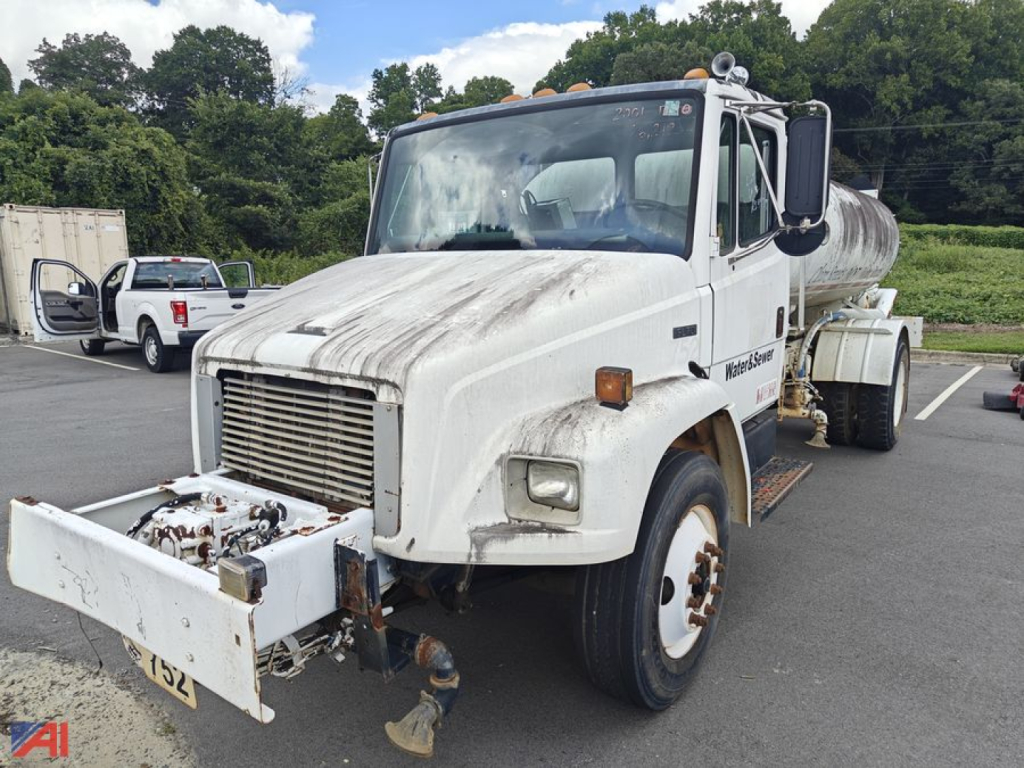
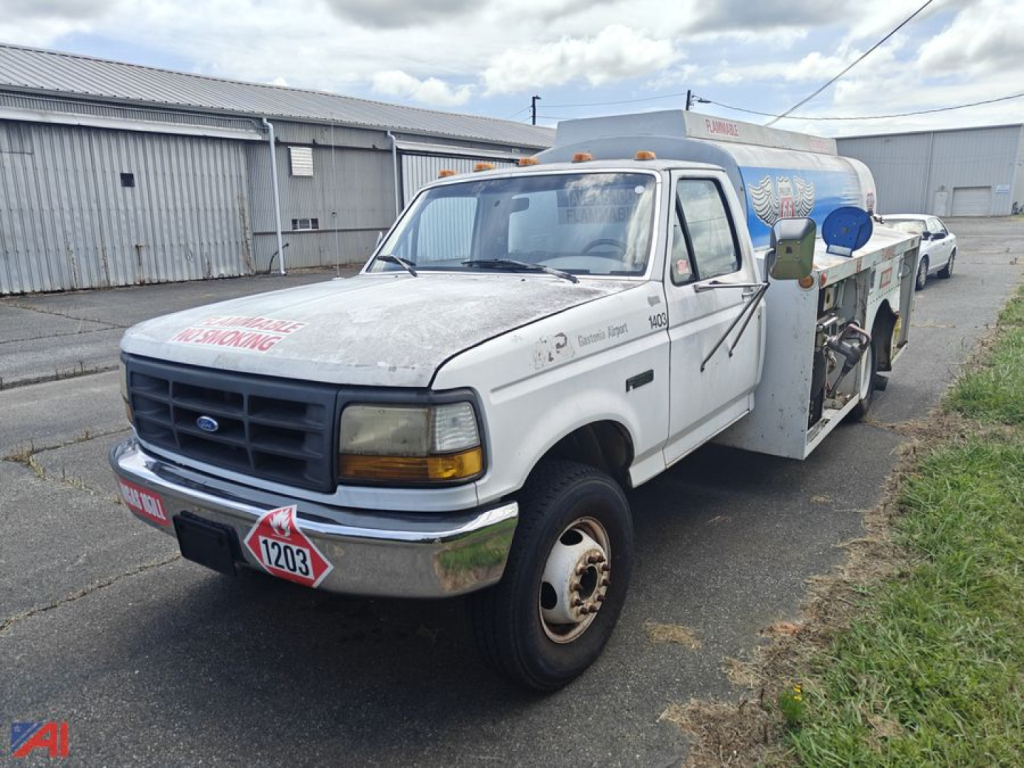
Tank size usually tracks with axle rating, wheelbase, and the product being hauled. Common used tank trucks range from smaller single-axle units for local service work up to tandem-axle configurations with higher gallon capacity and better payload support. In North Carolina, a lot of used units are vocational trucks that have spent time in municipal fleets, construction support, or regional delivery, so chassis specs like GVWR, rear axle ratio, transmission type, and PTO compatibility matter as much as engine hours or mileage. Water trucks may have spray heads, side and rear nozzles, hose reels, and engine-driven or hydraulic pumps. Fuel and lube trucks may add metering, hose reels, filtration, DEF tanks, and compartmented aluminum or steel bodies.
Condition is especially important with this category because the tank and pumping system can be more expensive to sort out than normal chassis repairs. Buyers should inspect tank interior condition, baffles, welds, sump areas, mounts, crossmembers, and evidence of corrosion or past repairs. On older used tank trucks, check pump output, PTO engagement, plumbing leaks, valve operation, and control panel function under load, not just at idle. If the truck will be used for regulated fluids, verify the tank certification status, placard requirements, and any state or federal compliance items that apply to the exact product being carried. For municipal and jobsite water trucks, confirm nozzle pattern, pump capacity in GPM, and whether the system can support spray, washdown, or dust suppression without starving the pump.
A good used tank truck should match route length, fill frequency, road conditions, and operator needs. Tight urban service favors shorter wheelbases and easier maneuverability, while rural or construction applications often benefit from more tank capacity, heavier suspension, and simpler mechanical systems. Buyers comparing listings should pay attention to gallon capacity, tank material, number of compartments, pump brand and drive type, PTO configuration, hose reel setup, and evidence of regular fleet maintenance. Also known as tanker trucks or tanker bodies, these units are highly application-specific, and the right spec usually comes down to the liquid being hauled, how it is loaded and discharged, and how much downtime your operation can tolerate.
Frequently Asked Questions about Used Tank Trucks in North Carolina
What should I check first when buying a used tank truck?
Start with the tank body and liquid handling system, not just the engine and cab. A used tank truck can run and drive well while still needing costly tank, pump, valve, or plumbing repairs. Check the tank material, gallon capacity, compartment layout, pump operation, PTO engagement, hose condition, nozzle function, and signs of corrosion or patchwork repairs. If possible, test the system with product or water flow so you can verify pressure, leaks, and control response in real operating conditions.
What are common types of tank trucks on the used market?
Common used tank trucks include water trucks, street flush trucks, fuel delivery trucks, lube service trucks, septic or waste tank trucks, and specialty chemical or utility support units. Some are built for simple transport and gravity discharge, while others use pumps, spray bars, metering systems, hose reels, or compartmented tanks. The chassis can look similar across categories, but the legal requirements, tank construction, and operating equipment can be very different depending on the product carried.
How do I choose the right tank capacity?
Tank capacity should match payload needs, axle ratings, route distance, and how often the truck can refill. More gallons improve productivity on long routes or large jobsites, but they also add weight, reduce flexibility on certain roads, and can push maintenance costs higher on older chassis. A smaller single-axle tank truck may be a better fit for municipal service, property maintenance, or urban access, while larger tandem-axle trucks are often better for high-volume water, fuel, or support work.
Are older used tank trucks still a practical buy?
They can be, especially for seasonal, municipal, farm, or private property applications where annual miles are limited and the job is straightforward. Older tank trucks often have simpler emissions systems and easier-to-service drivetrains, but the real risk is deferred maintenance in the tank body, pump system, and controls. An older unit with a sound tank, working PTO equipment, and documented service history can be more useful than a newer truck with unresolved pump or corrosion issues.
Do tank trucks in North Carolina require special compliance checks?
Yes, but the exact requirements depend on what the truck carries. Water service trucks used for dust control or street flushing have different needs than fuel, waste, or hazardous material units. Buyers should confirm title status, CDL and GVWR implications, tank certifications if applicable, placarding requirements, pump and meter compliance for fuel service, and any DOT or environmental rules tied to the product hauled. Matching the truck to the intended use before purchase helps avoid expensive rework or downtime.