
Tank Trucks For Sale in North Carolina
Browse tank trucks for sale in North Carolina, including water, fuel, vacuum, and service bodies with key specs buyers compare most.
Learn more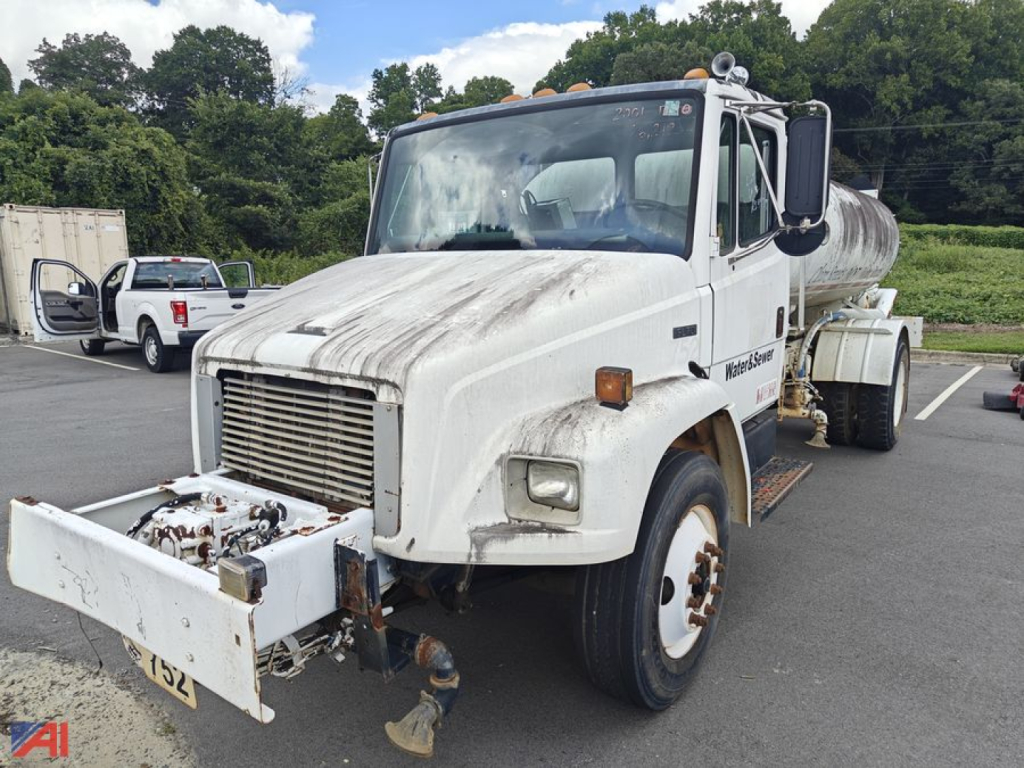

Have tank truck to sell? List it here to reach thousands of buyers.
About Tank Trucks in North Carolina
Capacity and weight rating need to match the job and the roads the truck will run. Many single-axle tank trucks are built for municipal or local service work where maneuverability matters more than maximum payload, while tandem-axle units are better suited for higher volume routes and heavier liquid loads. Buyers should compare tank gallons, gross vehicle weight rating, axle ratings, wheelbase, and the effect of liquid surge on handling. Internal baffling helps control load shift under braking and cornering, and it becomes more important as tank size increases. On older used tank trucks, it is smart to inspect the tank shell, saddles, mounting points, plumbing, valves, and PTO-driven pump system for leaks, corrosion, and repair history.
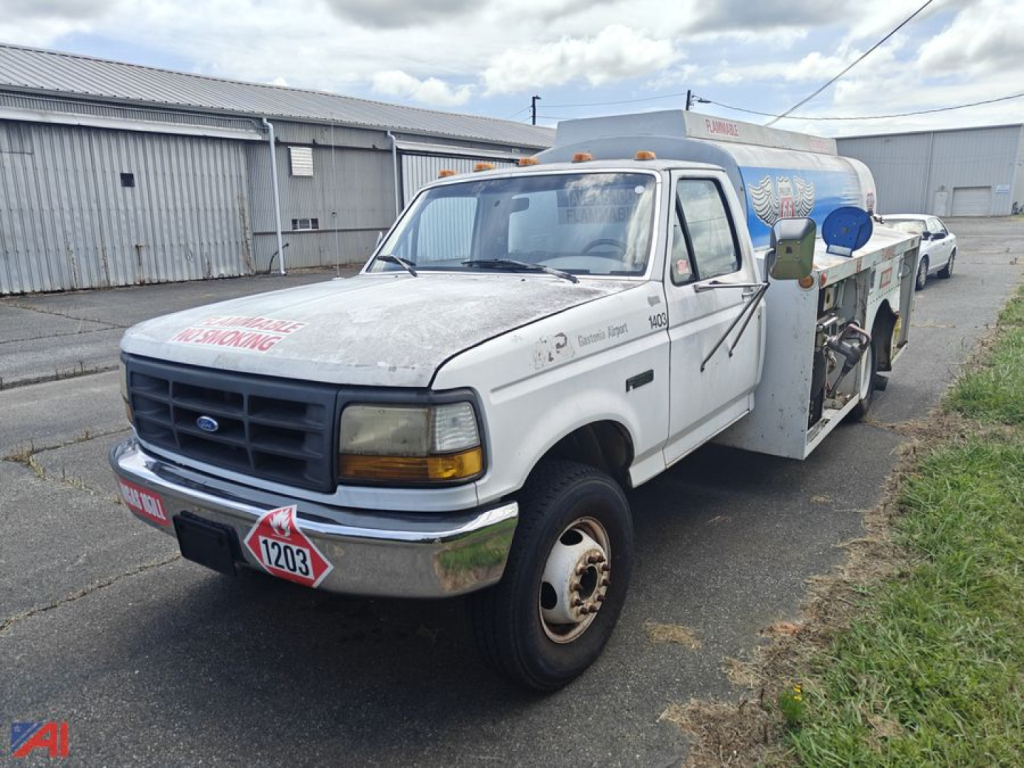
The body equipment often determines long-term value. A street flush truck may include front, side, and rear spray nozzles, wash bars, a hydrostatic or PTO-driven water pump, and operator controls for pressure and flow. General water trucks may add gravity spray, rear cannons, dust control bars, and jobsite fill options. Fuel and lube service trucks typically rely on metered reels, multiple compartments, and product-specific plumbing. Vacuum tank trucks need close attention to pump condition, tank integrity, shutoff protection, and hose storage. For any configuration, buyers should verify pump output, discharge pressure, control operation, tank interior condition, and how easily wear items can be serviced.
Chassis choice still matters because tank trucks spend much of their life in stop-and-go service, on secondary roads, or on jobsites. Engine reliability, transmission type, turning radius, brake setup, suspension, and PTO compatibility all affect uptime. In a market like North Carolina, rust exposure may be lighter than in northern states, but coastal use can still accelerate corrosion on frames, tanks, and plumbing hardware. A strong tank truck listing should give enough detail on gallons, tank material, pump system, nozzles or reels, axle configuration, and intended application to help a buyer quickly separate a true work truck from a unit that needs significant reconditioning.
Frequently Asked Questions
What should I check first when buying a used tank truck?
Start with the tank application, capacity, and discharge system. A tank truck built for water service is very different from one set up for fuel, septic, or vacuum work. After confirming the truck matches the intended use, inspect the tank for corrosion, cracks, poor weld repairs, internal contamination, and secure mounting points. Then check the PTO, pump, valves, hoses, spray heads, and control panel because body equipment repairs can become expensive quickly.
How important is tank capacity compared with GVWR?
Both matter, and they need to work together. Liquid is heavy, so tank size alone does not tell you whether the truck can legally and safely carry a full load. Buyers should compare gallons, product weight, axle ratings, and GVWR to understand usable payload. A truck with a large tank may still be limited by chassis rating, especially on single-axle configurations used for municipal or local service.
Are baffled tanks better on a tank truck?
For most liquid hauling applications, yes. Baffles reduce liquid surge during braking, acceleration, and cornering, which improves control and can reduce stress on the chassis and tank mounts. The larger the tank and the more stop-and-go driving involved, the more important proper baffling becomes. Buyers should still confirm the baffle design fits the product being hauled, since some specialty liquids and cleanout requirements may call for a specific interior layout.
What features matter most on a water or street flush tank truck?
Pump output, nozzle layout, spray control, and tank condition are usually the key items. Buyers often compare gallons, GPM rating, PTO or hydrostatic drive setup, number of spray heads, hose reel options, and the condition of the plumbing and valves. On a street flush truck, front and side nozzle operation is especially important because the value of the unit depends heavily on whether the water system still performs as intended.
Is chassis condition as important as tank condition on a tank truck?
Yes, because a good tank body mounted on a worn chassis can still create major downtime. Tank trucks often work in stop-and-go duty cycles and carry shifting loads, so suspension, brakes, steering, frame condition, transmission performance, and PTO operation all deserve close attention. The best used tank truck is one where the chassis, tank, and body systems have been maintained together rather than one strong component hiding weak ones.