
Used 2012 Sweeper Trucks For Sale
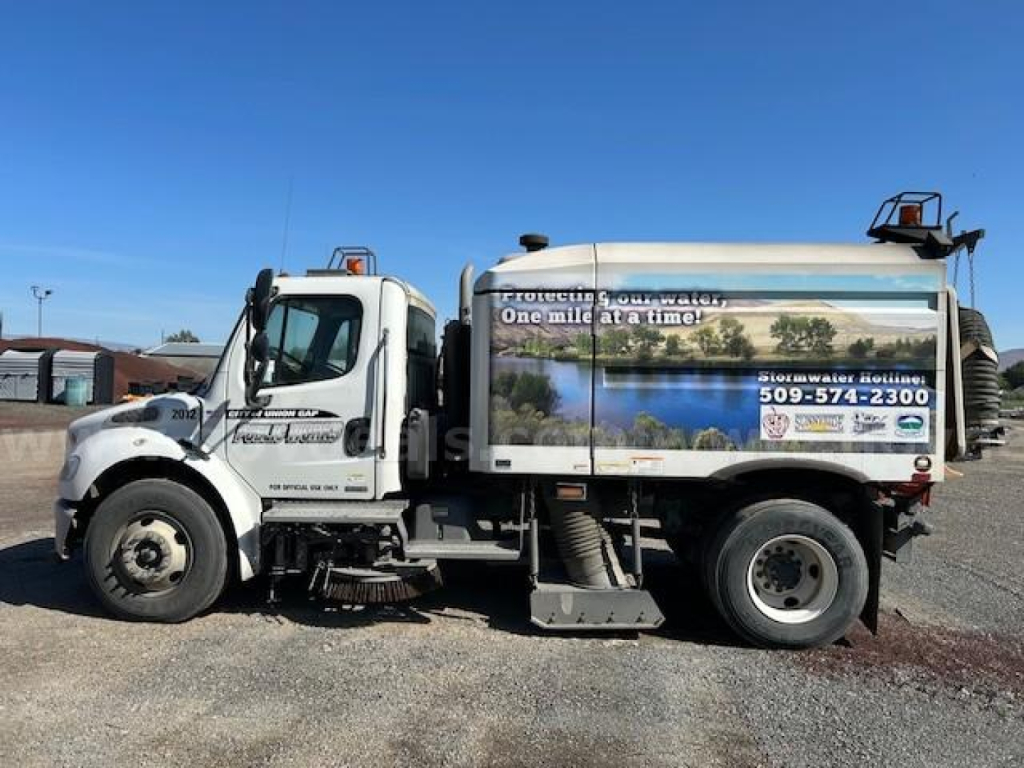
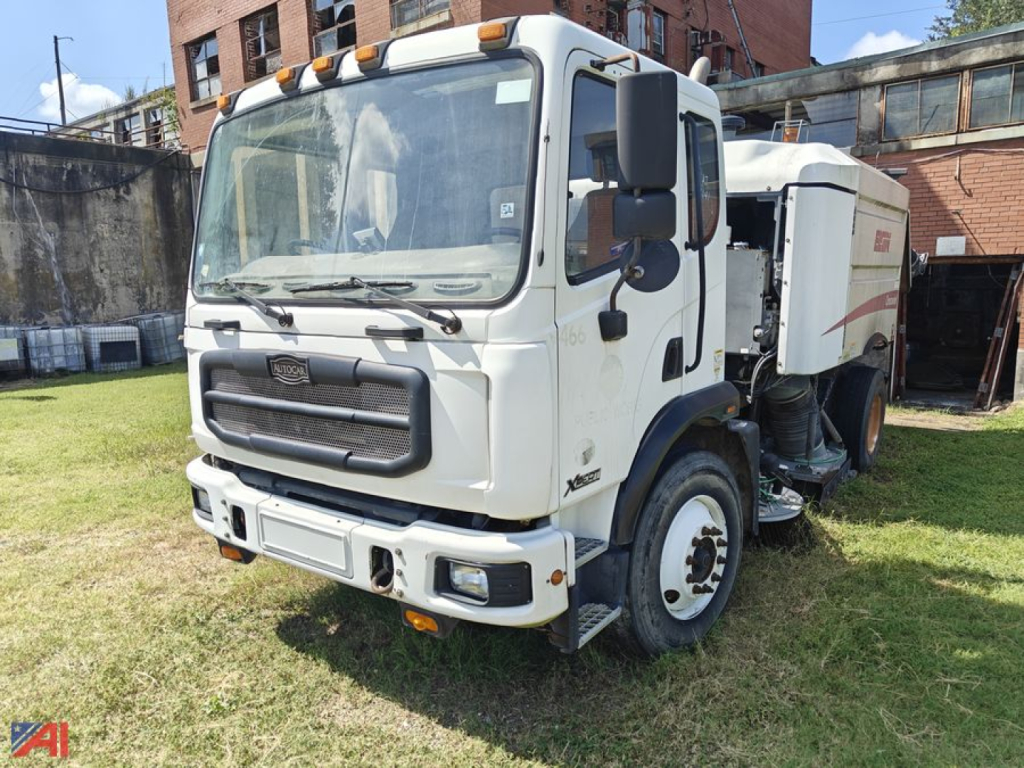

Have used 2012 sweeper truck to sell? List it here to reach thousands of buyers.
Used 2012 Sweeper Trucks
The first buying decision is usually application-specific. Parking lot and light debris work often points buyers toward compact vacuum or regenerative air sweepers with dual gutter brooms, easy maneuverability, and lower operating weight. Street and municipal route work may call for larger hopper capacity, water systems for dust control, heavier-duty suspension, and in some cases dual-steer configurations for operator visibility and curb access. On a 2012 unit, ask for both chassis miles and sweeper hours. A truck with moderate road miles can still have significant wear in the broom heads, conveyor, impeller, fan housing, hydraulic system, nozzles, and pickup head if it spent years on daily route duty.
Powertrain and serviceability deserve close attention on any used 2012 sweeper truck. Most examples in this age range use diesel engines paired with automatic transmissions, and many sweeper bodies rely on a separate pony motor or auxiliary power unit to run the sweeping system. Buyers should inspect the auxiliary engine cold-start behavior, hydraulic leaks, water pump performance, broom wear, hopper dump function, and the condition of the vacuum path or mechanical conveyor. Frame corrosion, rust in the hopper, worn blast or suction components, and electrical issues around controls and warning systems are common age-related concerns. If the truck is emissions-equipped, verify the condition of the aftertreatment system and review maintenance records for DPF service, injector work, and cooling system repairs.
A solid used 2012 sweeper truck should be matched to route length, debris type, parts support, and operator familiarity. Tight urban work benefits from shorter wheelbases and strong cab visibility, while wider municipal coverage may justify a larger conventional chassis with higher payload capacity and easier road-speed travel between jobs. Brands such as Elgin, Tymco, and similar sweeper body manufacturers each have different strengths in airflow design, debris handling, broom setup, and replacement parts cost. Buyers comparing listings should focus on operational hours, body manufacturer support, evidence of municipal fleet maintenance, and whether the truck was used for street sweeping, construction cleanup, or parking lot service. The best unit is usually the one with documented service history, working water and broom systems, and a sweeper package that fits the debris profile you actually handle.
Frequently Asked Questions about Used 2012 Sweeper Trucks
What should I check first on a used 2012 sweeper truck?
Start with the sweeper body, not just the chassis. Confirm chassis miles, engine hours, and if equipped, auxiliary or pony motor hours. Inspect the hopper for corrosion, test the dump function, check broom wear, verify water spray operation, and listen for bearing noise in the fan, impeller, or conveyor system. A used sweeper truck can run and drive well while still needing expensive sweeper-side repairs.
What is the difference between a parking lot sweeper and a street sweeper truck?
Parking lot sweepers are often smaller, more maneuverable, and designed for lighter debris, frequent turns, and confined areas. Street sweeper trucks usually have larger hoppers, more robust dust suppression systems, and body designs suited for heavier debris, longer municipal routes, and curbline work. The right choice depends on debris type, route length, turning radius needs, and how much payload and water capacity your operation requires.
Are 2012 sweeper trucks likely to have separate auxiliary engines?
Many used sweeper trucks from this era do use a separate auxiliary engine to power the sweeping system, although some are chassis-driven. A separate engine can reduce wear on the main truck engine during sweeping operations, but it also adds another service point. Buyers should review maintenance records for both power units, verify cold starts, and check for hydraulic performance issues under load.
How important are sweeper hours compared with truck miles?
Sweeper hours are often as important as, or more important than, odometer miles because the sweeping system sees wear anytime the body is operating. Brooms, hydraulic pumps, fans, pickup heads, conveyor systems, and water components all age by operating hours and application severity. A unit with lower miles but very high sweeper hours may need more body-side repairs than a higher-mile truck with lighter sweeper use.
Which chassis are common under used 2012 sweeper trucks?
Medium-duty chassis are common in this category, including models such as the Freightliner M2 106 and Isuzu NPR-HD, along with other municipal and commercial platforms. Chassis choice affects cab style, service access, turning radius, payload, and parts availability. Buyers should evaluate not just engine and transmission specs, but also axle ratings, wheelbase, brake type, and how well the chassis matches the installed sweeper body.