
Used Sweeper Trucks For Sale
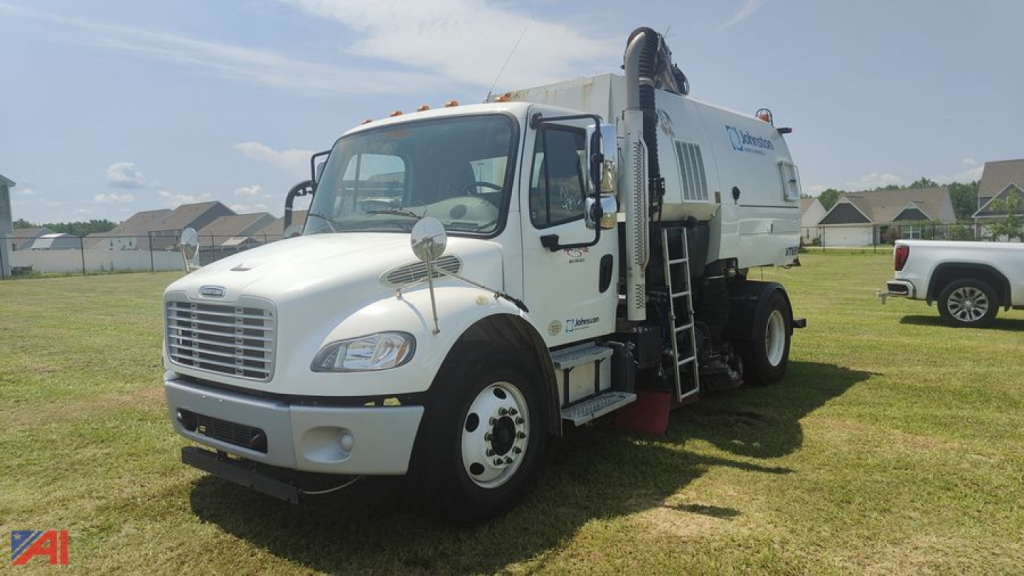
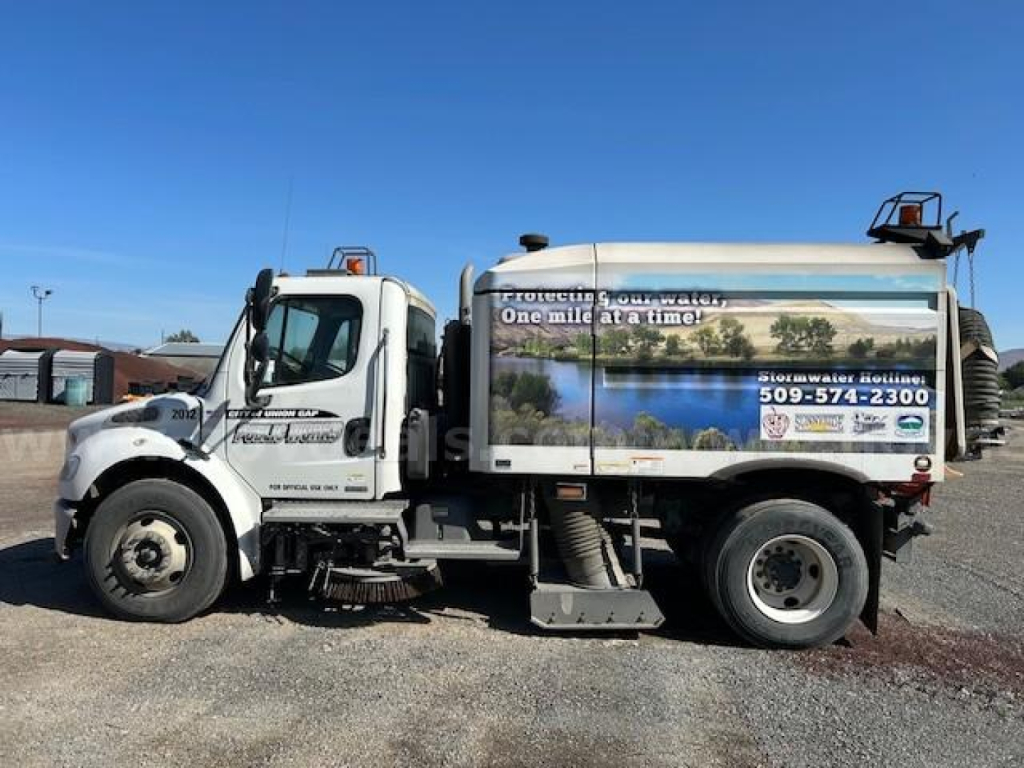
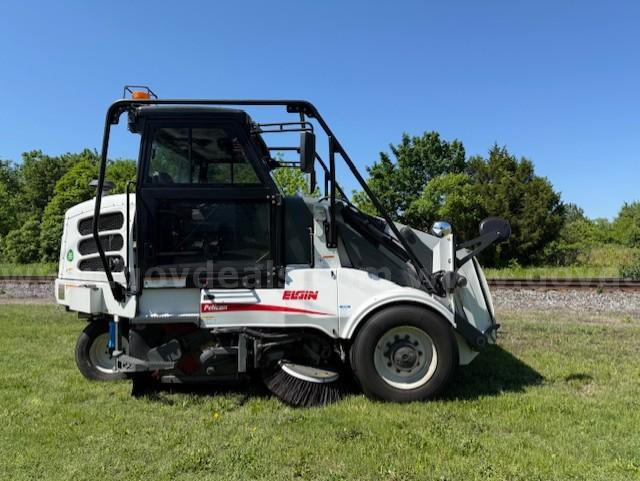
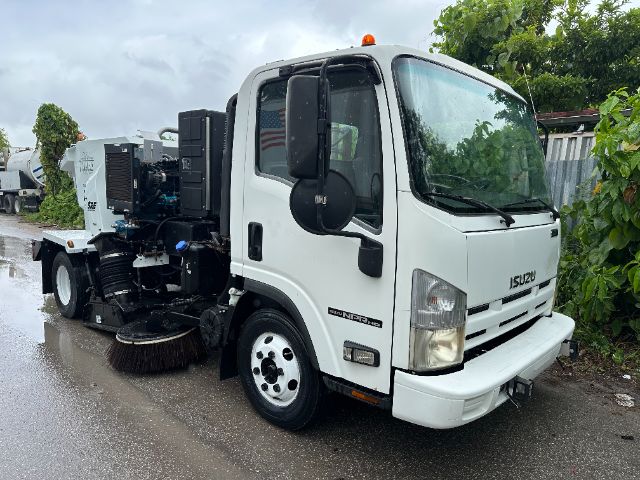
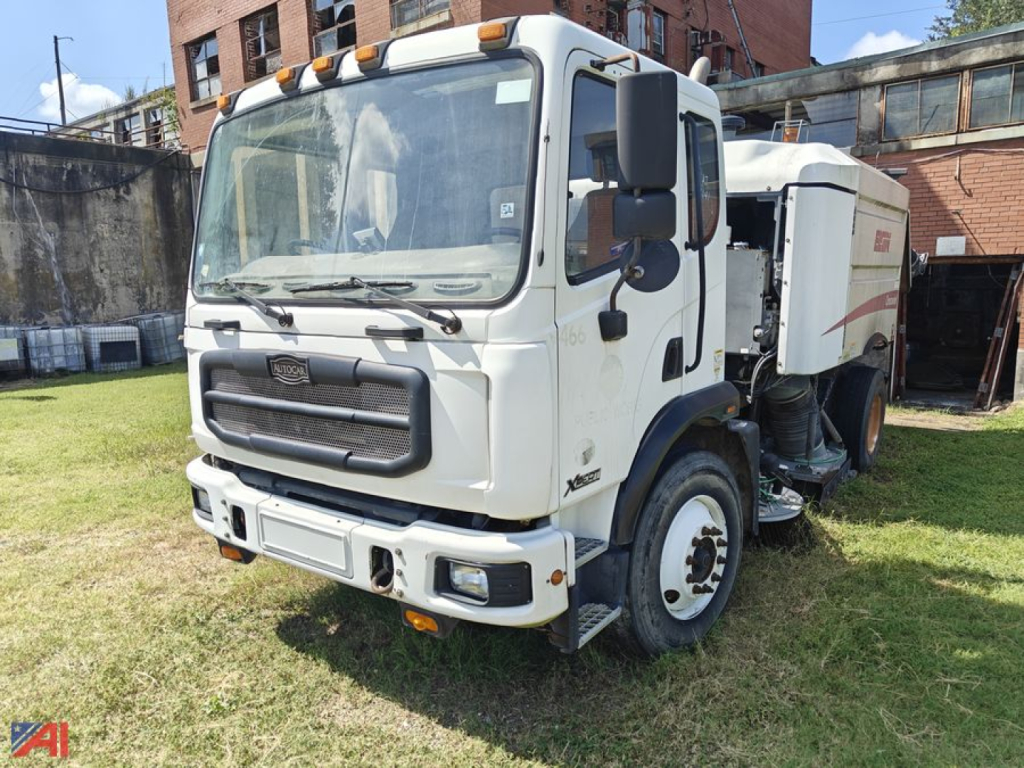


Have used sweeper truck to sell? List it here to reach thousands of buyers.
Used Sweeper Trucks
A buyer should pay close attention to both chassis condition and sweeper body condition, because these trucks effectively have two machines to evaluate. Engine miles matter, but sweeper hours, auxiliary engine hours, blower condition, hydraulic performance, broom wear, conveyor or suction system wear, and hopper corrosion often tell the bigger story. Many used street sweepers come from municipal fleets with documented PM intervals, seasonal tear-downs, and 200-hour service schedules, which can be a real advantage. Features like dual steering controls, high dump hoppers, automatic transmissions, and air brakes are common and can significantly affect productivity and operator comfort.
Application should drive the spec. For street departments and road contractors, hopper size, dump height, water capacity, gutter broom setup, and pickup head design are key. For parking lot and property maintenance work, maneuverability, visibility, noise, and dust suppression matter more. If the truck will spend long hours in stop-and-go service, look closely at cooling system condition, hydraulic leaks, suspension wear, brake life, and PTO or auxiliary engine operation. Emissions equipment also deserves attention on used units, especially on trucks with DPF systems, since fault codes, excessive smoke, or incomplete regens can turn a low-priced sweeper into an expensive repair project.
The best used sweeper truck is usually the one with a clear maintenance history, a sound hopper and broom system, and a chassis that matches the route and debris type. Inspect fan housings, suction tubes, pickup heads, gutter broom arms, water pumps, spray nozzles, and all hydraulic functions under load. On high-hour units, ask about blower rebuilds, broom motor replacement, conveyor chain wear, and structural rust around the hopper, subframe, and dump pivots. A properly maintained used street sweeper can still deliver strong production, but deferred maintenance shows up quickly in this equipment class.
Frequently Asked Questions about Used Sweeper Trucks
What is the difference between an air sweeper and a mechanical broom sweeper?
An air sweeper, often called a regenerative air sweeper, uses airflow to lift and contain fine dust, sand, and light debris. It is commonly preferred for urban street sweeping, parking lots, and construction cleanup where dust control is important. A mechanical broom sweeper uses rotating brooms and, on many models, a conveyor system to move heavier debris into the hopper. Mechanical units are often better suited for aggregate, leaves, and larger material, and they may offer simpler service access depending on the design.
What matters more on a used sweeper truck, mileage or sweeper hours?
Both matter, but sweeper hours are often the better indicator of wear on the most expensive working components. A sweeper can have moderate road miles and still have substantial wear in the blower, hydraulic system, pickup head, brooms, hopper, and water system if it has spent years in continuous curbside service. Chassis mileage still affects engine, transmission, suspension, and brake life, but buyers should always compare miles, engine hours, and any auxiliary engine hours together.
What should I inspect first on a used street sweeper?
Start with the hopper structure, hydraulic system, blower or conveyor system, broom assemblies, and water spray system. These components take constant abuse and are costly to repair. Then verify chassis condition, including the diesel engine, transmission, cooling system, brakes, steering, and suspension. It is also smart to check for rust around the hopper floor, dump frame, subframe mounts, and suction plumbing, because structural corrosion can shorten the useful life of an otherwise decent unit.
Are municipal fleet sweepers a good buy?
They often are, because city and county fleets commonly follow scheduled preventive maintenance and keep detailed service records. Many municipal units are serviced by hour intervals and receive offseason inspections or teardown work. The tradeoff is that they may have extensive idle time, repetitive stop-and-go use, and cosmetic wear from daily route work. A well-documented municipal sweeper is usually more desirable than a cleaner-looking unit with no service history.
Which specs are most important when comparing used sweeper trucks?
The most important specs depend on the job, but buyers typically compare sweeper type, hopper capacity, dump style, water tank capacity, chassis GVWR, engine and emissions package, transmission, steering configuration, and overall dimensions. It is also important to confirm whether the sweeper uses an auxiliary engine or a single-engine design, since that affects maintenance planning, fuel use, and operating complexity. For route work, visibility, turning radius, and service access can be just as important as capacity numbers.