
New Step Van Trucks For Sale in Texas
Shop new step van trucks in Texas. Compare walk-in delivery bodies, GVWR, cargo capacity, EV and gas options for route-based fleets.
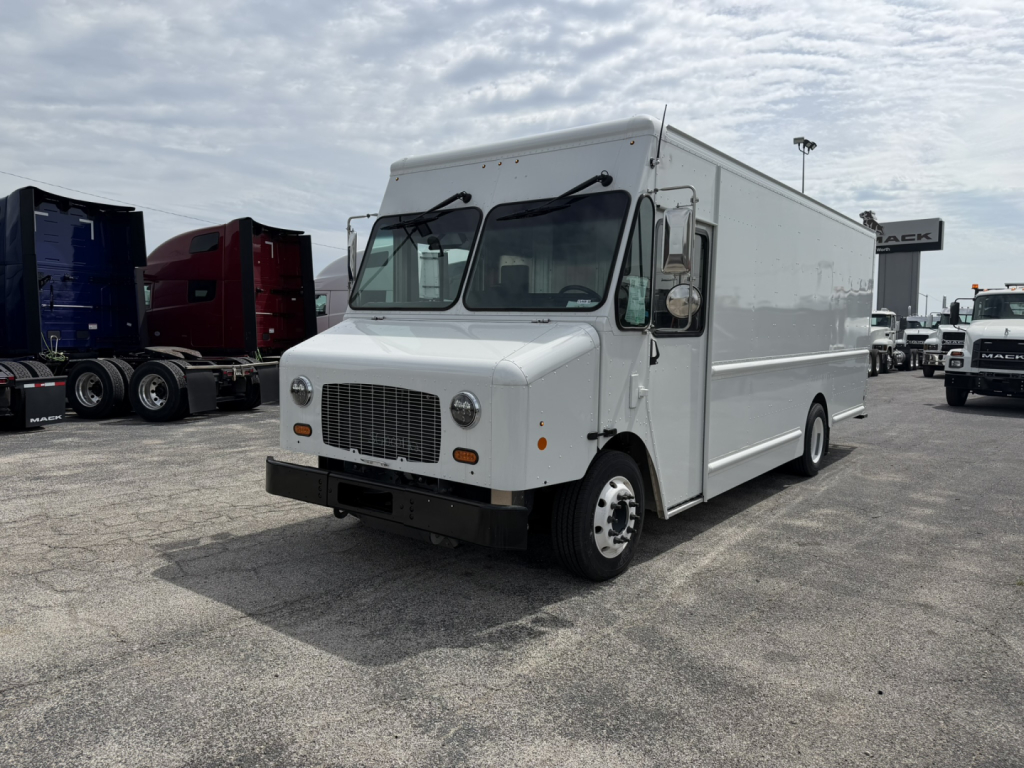
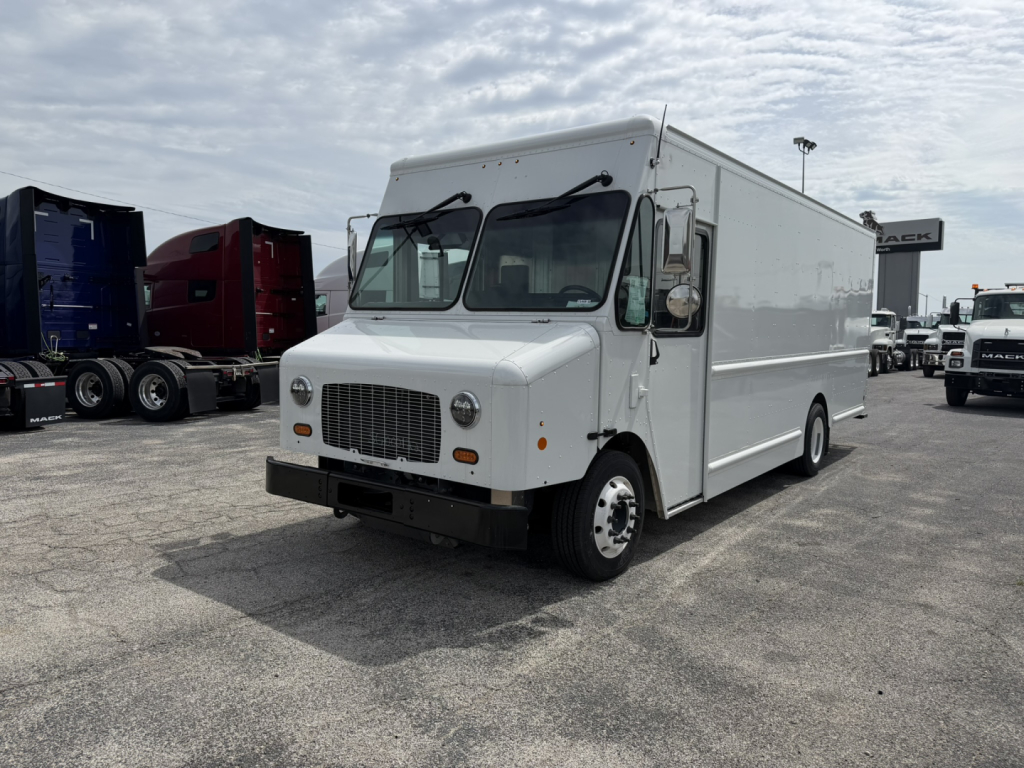
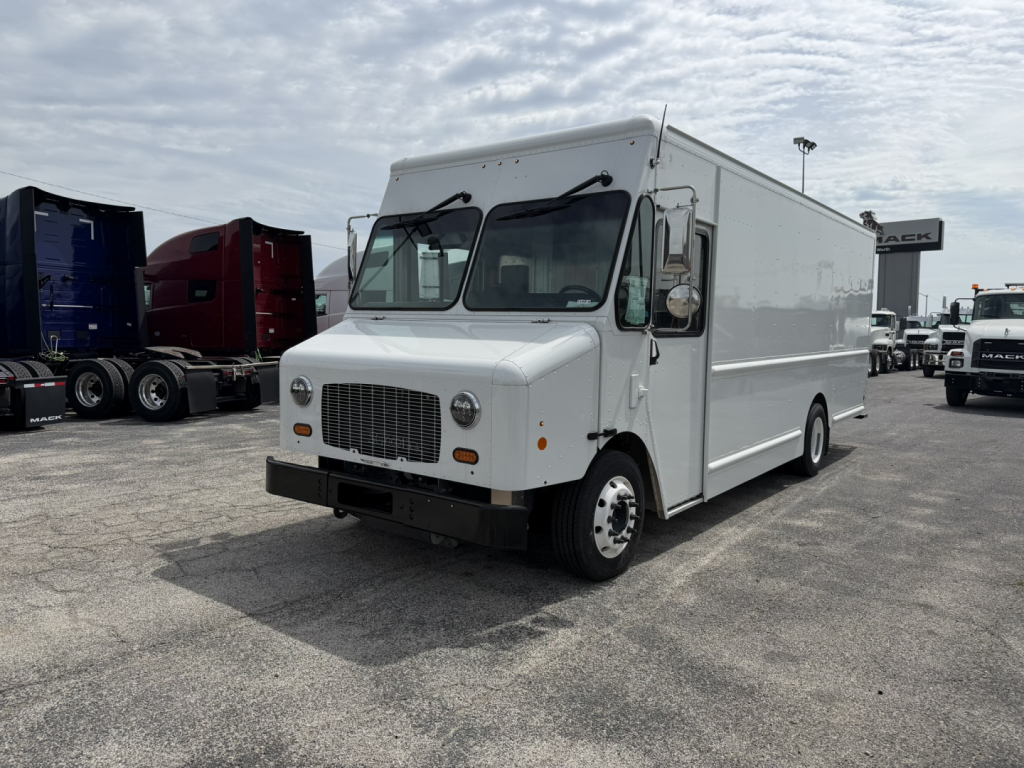
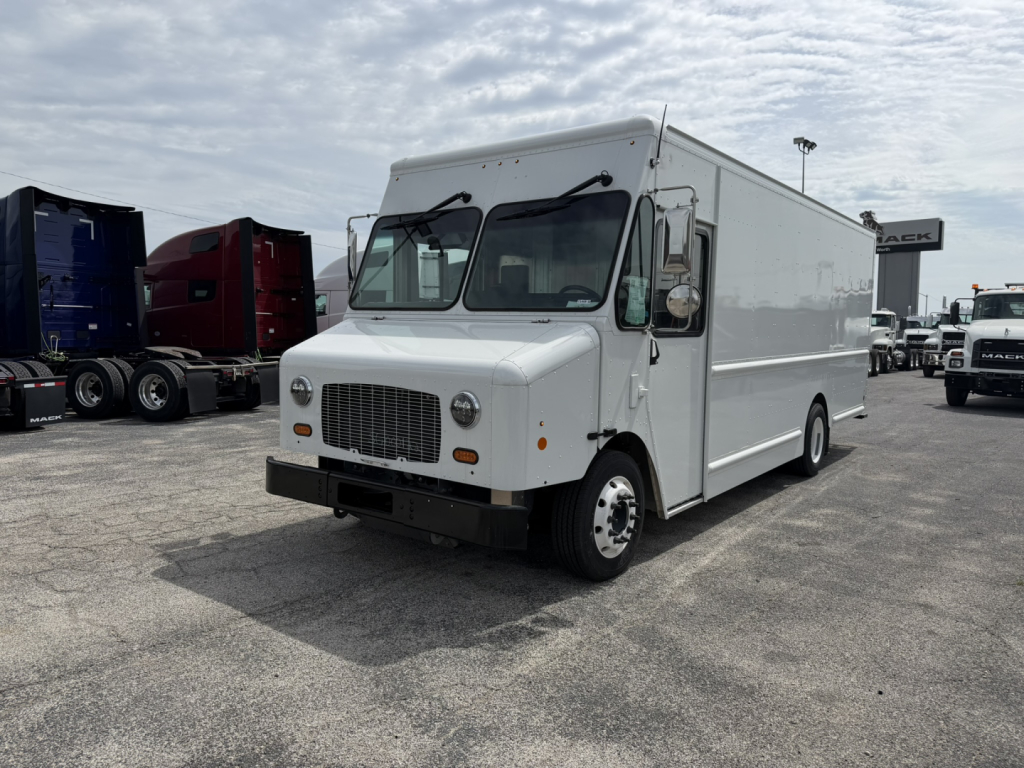
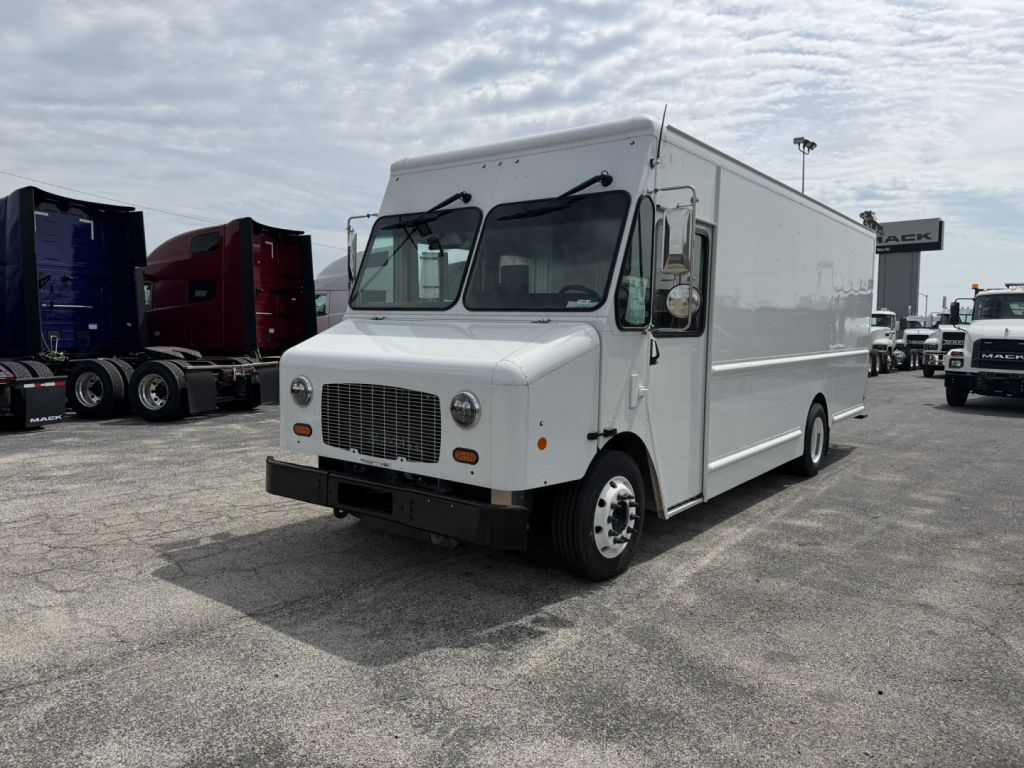
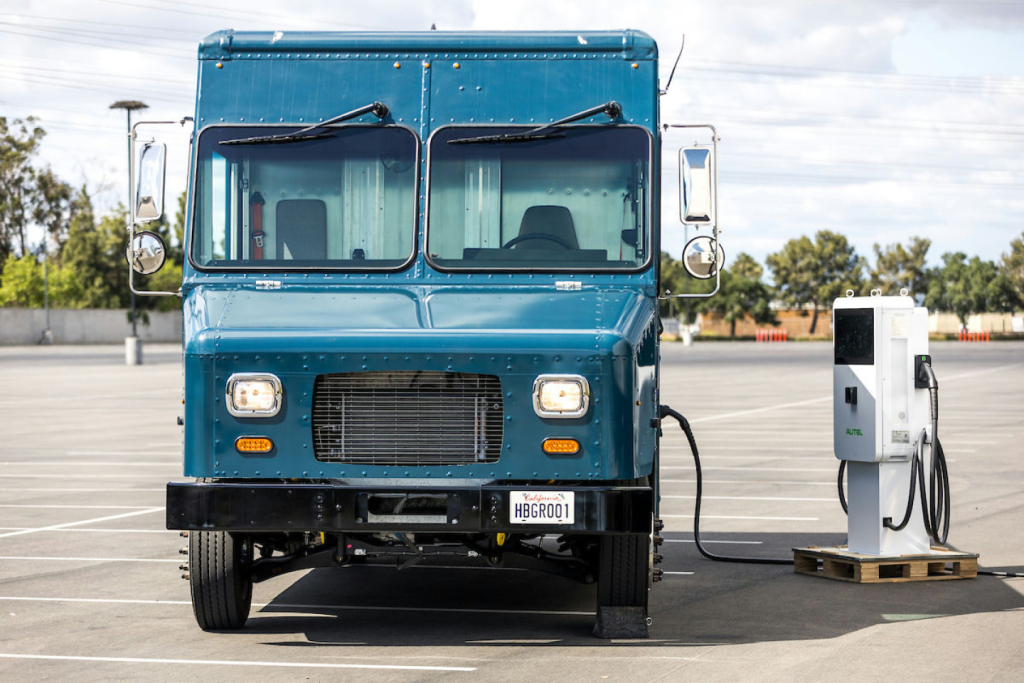
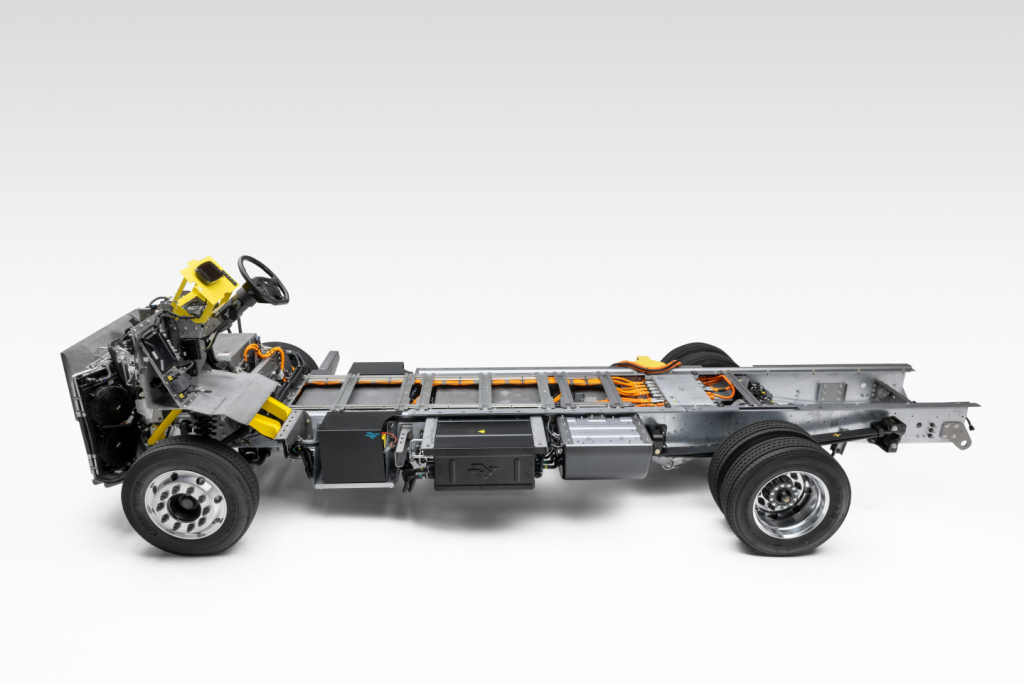
Selling a new step van truck? List your new step van truck for sale and reach thousands of commercial buyers.
New Step Van Trucks in Texas
Body size, interior layout, and payload should drive the buying decision first. Step vans are typically spec'd with multiple wheelbase and body length options, and the right choice depends on cube requirements, route density, and dock or curb access. Common features include shelving packages, roll-up rear doors, grab handles, bulkhead doors, LED cargo lighting, and wide swing-out or sliding access points. Fleet buyers often pay attention to cargo floor material, interior standing height, turning radius, and door cycle durability because those details directly affect productivity and maintenance costs over time. If the truck will handle mixed loads, look for practical upfit compatibility and enough axle capacity to avoid running out of payload before the body is full.
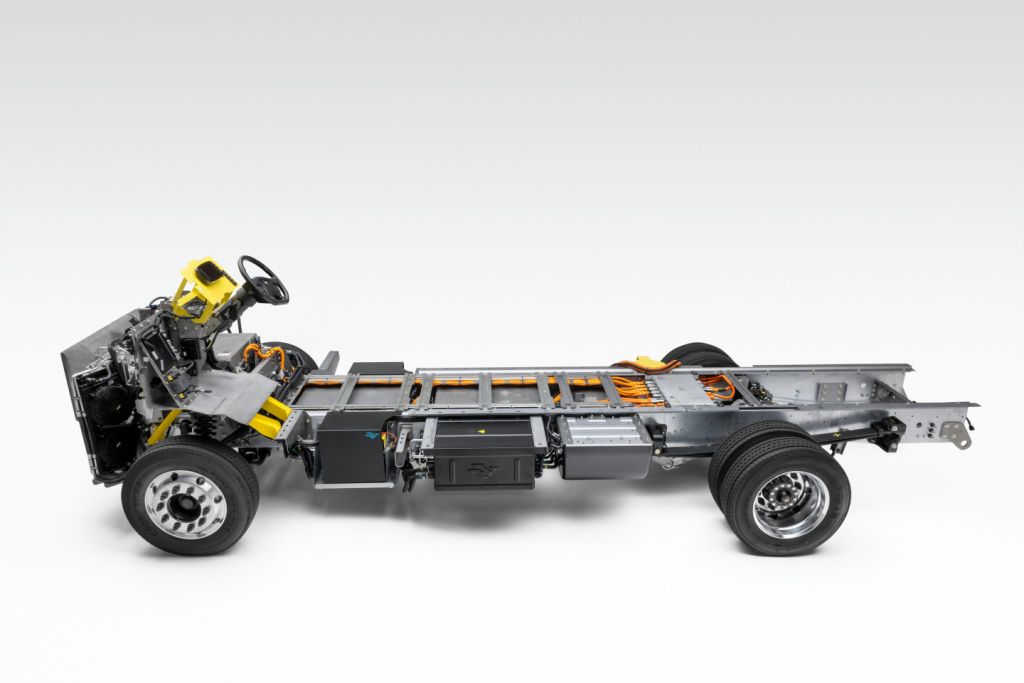
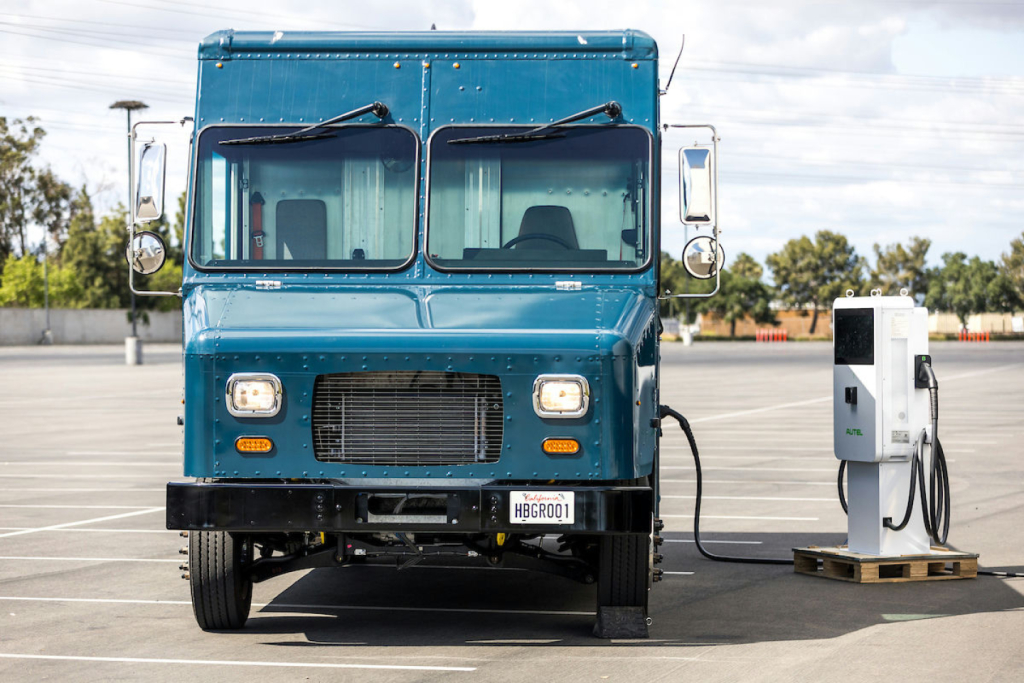
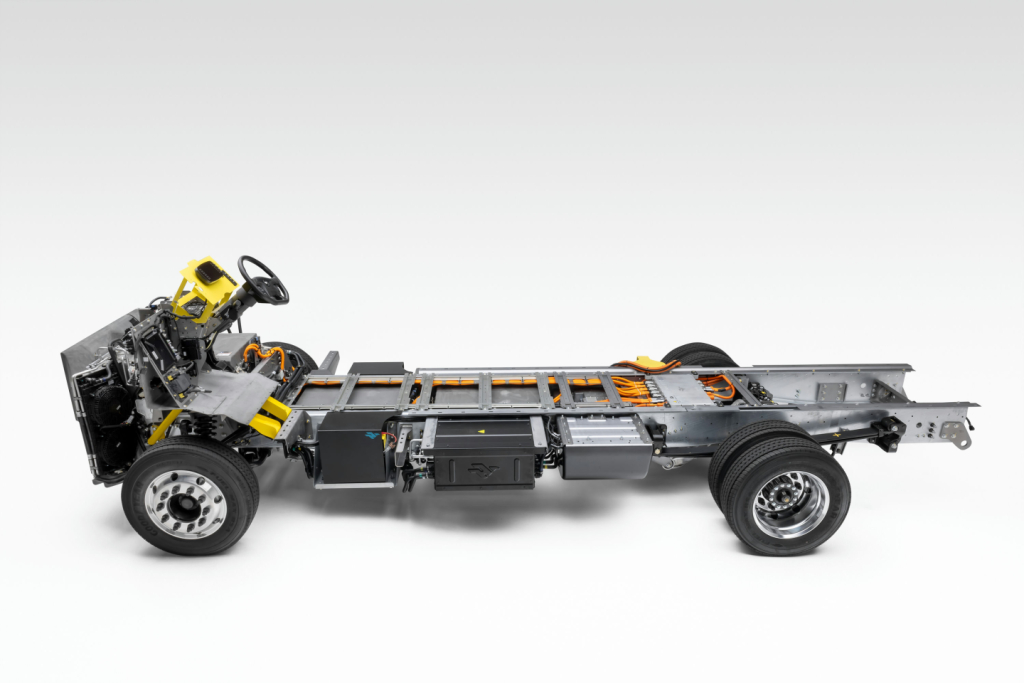
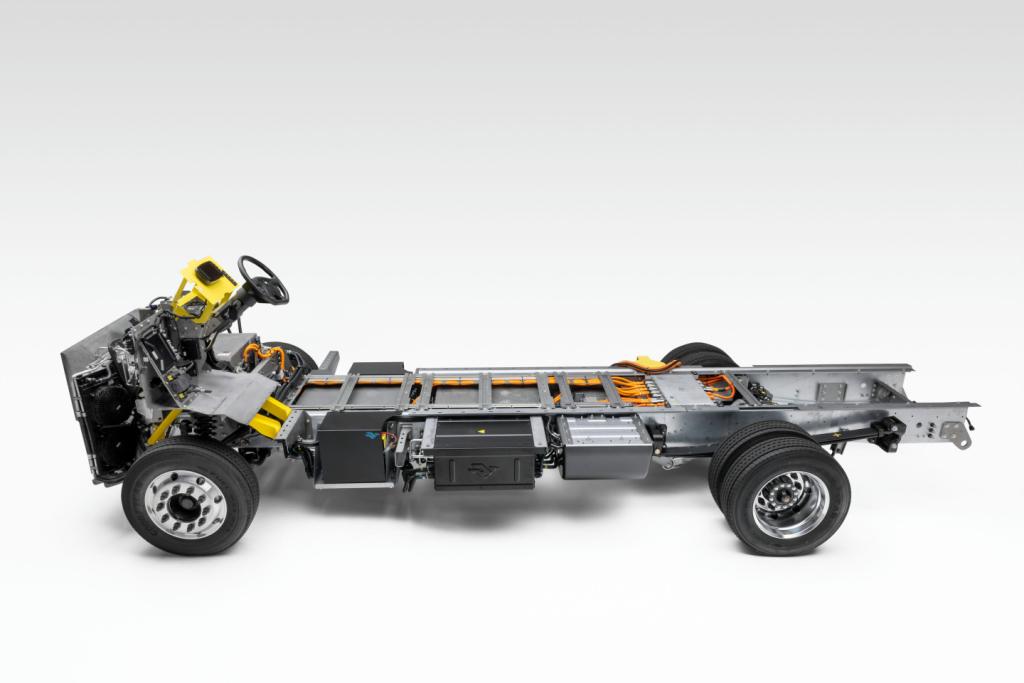
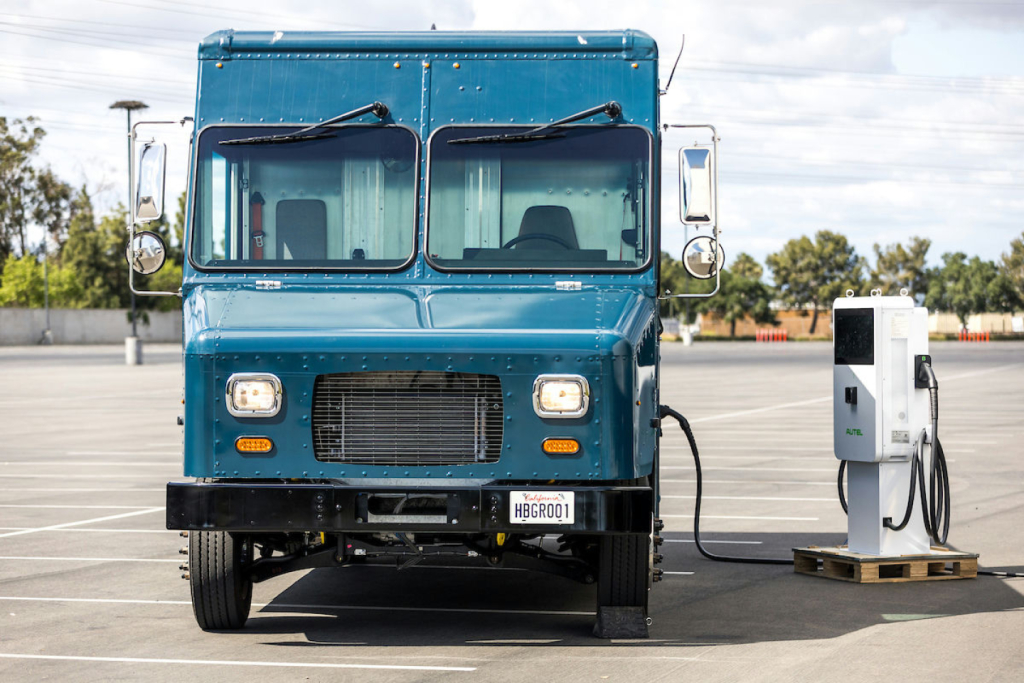
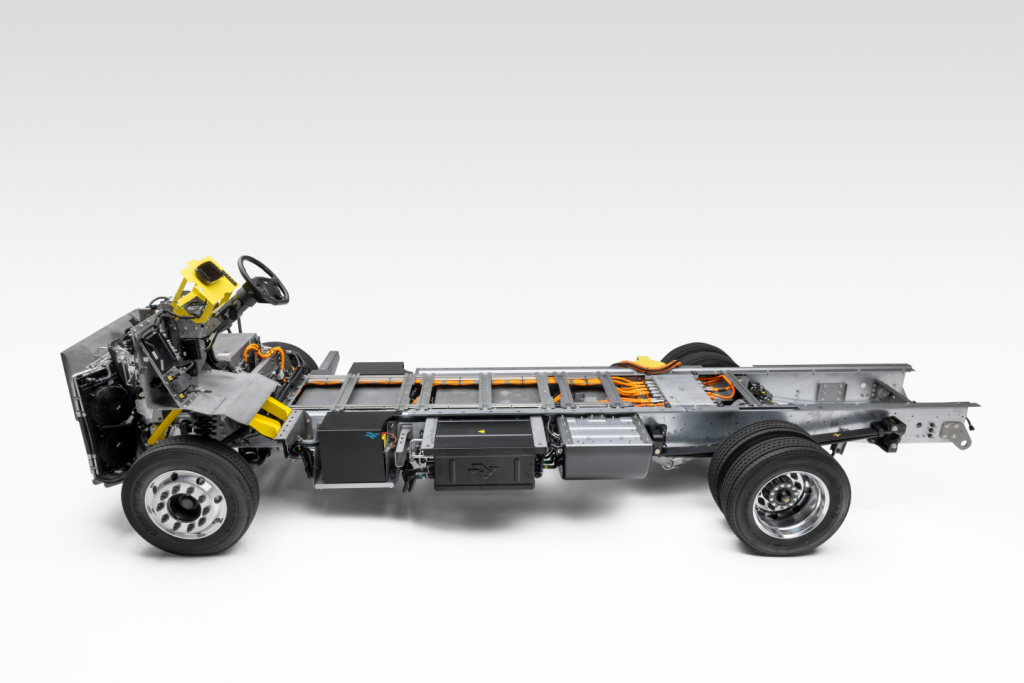
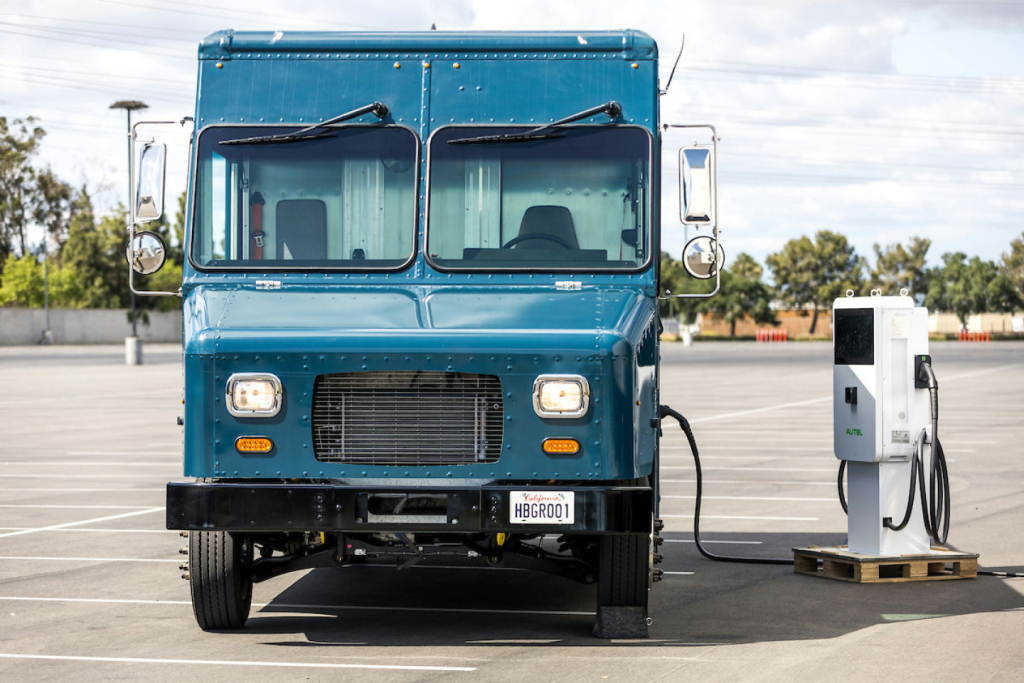
Powertrain selection is becoming a bigger factor in the new step van market. Traditional gas and diesel configurations are still used in some applications, but electric step vans are gaining traction for predictable local routes, depot charging, and lower stop-and-go operating costs. New electric models can be a strong fit for delivery fleets that return to base daily and want reduced idle time, quieter operation, and fewer routine engine-related service items. In Texas, it is smart to evaluate real-world range under heat, air-conditioning load, payload, and route miles rather than relying only on published estimates. Charging infrastructure, duty cycle, regenerative braking performance, and technician support should be part of the purchasing decision along with the body spec.
A good new step van should match the route, not just the cargo number on paper. Buyers should compare GVWR, usable payload, cargo volume, entrance ergonomics, visibility, and service access before settling on a chassis and body combination. New units also give fleets the advantage of current safety technology, updated telematics capability, and a fresh maintenance baseline, which matters for route uptime. For Texas operations working dense city streets, suburban delivery loops, campus routes, or municipal service work, a properly spec'd step van can be one of the most efficient truck classes available.
Frequently Asked Questions about New Step Van Trucks in Texas
What is a step van truck used for?
A step van truck is designed for frequent-stop delivery and service work where the driver needs to move in and out of the cab and cargo area quickly. Common uses include parcel delivery, bakery and snack routes, uniform and linen service, vending, tool and parts delivery, and mobile technician applications. The walk-in body and low floor make it more efficient than many conventional vans or box trucks on dense local routes.
How do I choose the right size new step van?
Start with the route and load profile rather than just overall body length. Buyers should compare cargo cube, payload, interior standing room, shelving needs, and the type of stops the truck will make each day. Tight urban routes may favor a shorter wheelbase and better turning radius, while bulkier freight or route shelving may justify a longer body. GVWR and axle ratings are important because some operations hit weight limits before they use all available cargo space.
Are electric step vans a good fit for Texas fleets?
Electric step vans can work well in Texas when the route is local, predictable, and returns to a charging base each day. They are especially well suited to stop-and-go duty cycles where regenerative braking and reduced idling can improve operating efficiency. Buyers should still verify real-world range with air conditioning running, full payload, and high ambient temperatures, because heat and accessory loads can materially affect performance. Charging planning and local service support are just as important as the truck's published range.
What features matter most on a new step van body?
The most important body features are the ones that improve driver efficiency and reduce damage over time. Many buyers focus on rear door configuration, shelf layout, floor material, cargo lighting, grab handles, access step design, and visibility from the driver's position. Interior ergonomics matter on multi-stop routes because a small improvement in access or organization can save time at every stop. Body construction quality also matters because route trucks see repeated door cycles, curbside loading, and constant movement inside the cargo area.
What should I compare when shopping new step van trucks for sale?
Compare the full operating package, not just the badge or purchase price. Key points include GVWR, payload, cargo volume, wheelbase, turning radius, powertrain type, body manufacturer, cab comfort, safety systems, telematics, and service network coverage. For route fleets, uptime and driver efficiency often have a bigger financial impact than a small difference in acquisition cost. A well-matched spec will usually outperform a cheaper truck that is oversized, undersized, or poorly suited to the route.