
Stake Bed Trucks For Sale in Texas
Browse stake bed trucks for sale in Texas. Compare GVWR, bed length, axle ratings, and chassis specs for delivery, materials, and jobsite hauling.
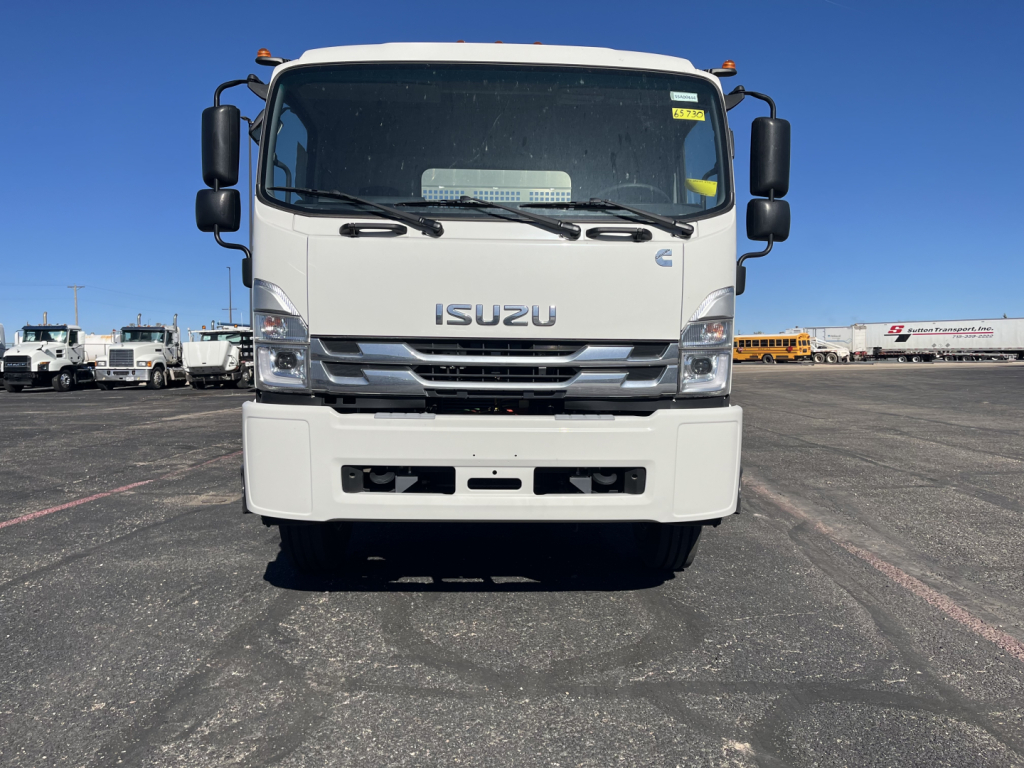
Selling a stake bed truck? List your stake bed truck for sale and reach thousands of commercial buyers.
Stake Bed Trucks in Texas
The first decision is usually chassis class and GVWR. Common stake bed setups fall in the medium-duty range, often around Class 6 and Class 7, with single-axle configurations and GVWRs near 26,000 to 33,000 pounds. That range covers many non-CDL and CDL applications depending on final rating and body build. Typical power comes from diesel engines such as the Cummins B6.7 or ISB6.7 paired with Allison automatic transmissions, a combination buyers like for stop-and-go delivery work, easy driver training, and broad service support. Wheelbase, rear axle rating, and suspension matter because they determine usable body length, turning radius, ride quality, and how well the truck handles mixed payloads. Spring suspension is common for durability and simplicity, while air ride can improve loaded ride and help protect fragile cargo.
Body construction deserves close attention because not all stake beds are built for the same duty cycle. Floor material, crossmember spacing, rub rail design, tie-down placement, and the height and strength of stake racks all affect day-to-day usefulness. Hardwood and steel floors are both common, with steel favored for severe service and hardwood often chosen when cargo handling and replacement cost matter. Buyers moving brick, block, bagged goods, pipe, or fabricated metal should look at side rail reinforcement, bulkhead strength, and underbody storage. Liftgates are another key option for routes without forklift access. If crews hand-unload at jobsites, think about deck height, step access, and how quickly the stake sides can be removed or reconfigured.
Texas buyers should also think about route profile and operating environment. Urban delivery in Dallas-Fort Worth, Houston, Austin, or San Antonio rewards tighter wheelbases, automatic transmissions, and strong visibility from a low cab. Longer regional runs across West Texas put more emphasis on fuel capacity, seat comfort, axle ratio, and highway manners at loaded speed. Drum brakes remain common in this class, but overall braking performance should be evaluated against payload, terrain, and frequency of stops. A good stake bed truck is less about brand name than matching bed dimensions, payload capacity, cab-to-axle measurement, and suspension spec to the freight you move every week.
Frequently Asked Questions about Stake Bed Trucks in Texas
What is a stake bed truck used for?
A stake bed truck is used to haul cargo that benefits from open-side loading but still needs side containment during transport. Common applications include lumber, palletized building materials, landscape supplies, pipe, steel, masonry products, and general local delivery. The removable or fixed stake sides make it more versatile than a standard van body and more secure for certain loads than a plain flatbed.
What GVWR range is common for a stake bed truck?
Most stake bed trucks on medium-duty chassis fall around 26,000 to 33,000 pounds GVWR, with many single-axle configurations in Class 6 or Class 7. That range supports a wide variety of delivery and jobsite applications. Buyers should verify the final body weight, payload needs, and whether the truck will be operated in a non-CDL or CDL role based on the exact GVWR and local requirements.
What should I check when comparing stake bed bodies?
Look closely at bed length, floor material, crossmember spacing, bulkhead construction, rub rails, tie-down points, and the design of the stake sides. These details determine how well the body handles forklifts, strap securement, repeated loading cycles, and rough cargo. Also check deck height, underbody boxes, and whether the stake racks are removable, because those features directly affect labor efficiency and route flexibility.
Are diesel automatic stake bed trucks common?
Yes. Many late-model stake bed trucks use medium-duty diesel engines such as the Cummins B6.7 family paired with Allison automatic transmissions. This setup is popular because it balances torque, serviceability, and ease of operation in stop-and-go work. Automatic transmissions are especially common in municipal, supply-house, and local delivery fleets where multiple drivers may use the same truck.
How do I choose the right wheelbase and suspension for a stake bed truck?
Choose wheelbase based on the body length you need, the turning space on your routes, and how much rear overhang you can accept. A shorter wheelbase usually improves maneuverability in city delivery, while a longer wheelbase supports longer beds and can improve load distribution. For suspension, multi-leaf spring setups are durable and straightforward, while air ride can improve ride quality and reduce cargo shock for more sensitive loads.