
Used 2021 Service/Utility Trucks For Sale
Browse used 2021 service and utility trucks with common body, chassis, and equipment details for field service, telecom, municipal, and contractor work.
Selling a used 2021 service/utility truck? List your used 2021 service/utility truck for sale to reach thousands of commercial buyers.
Used 2021 Service/Utility Trucks
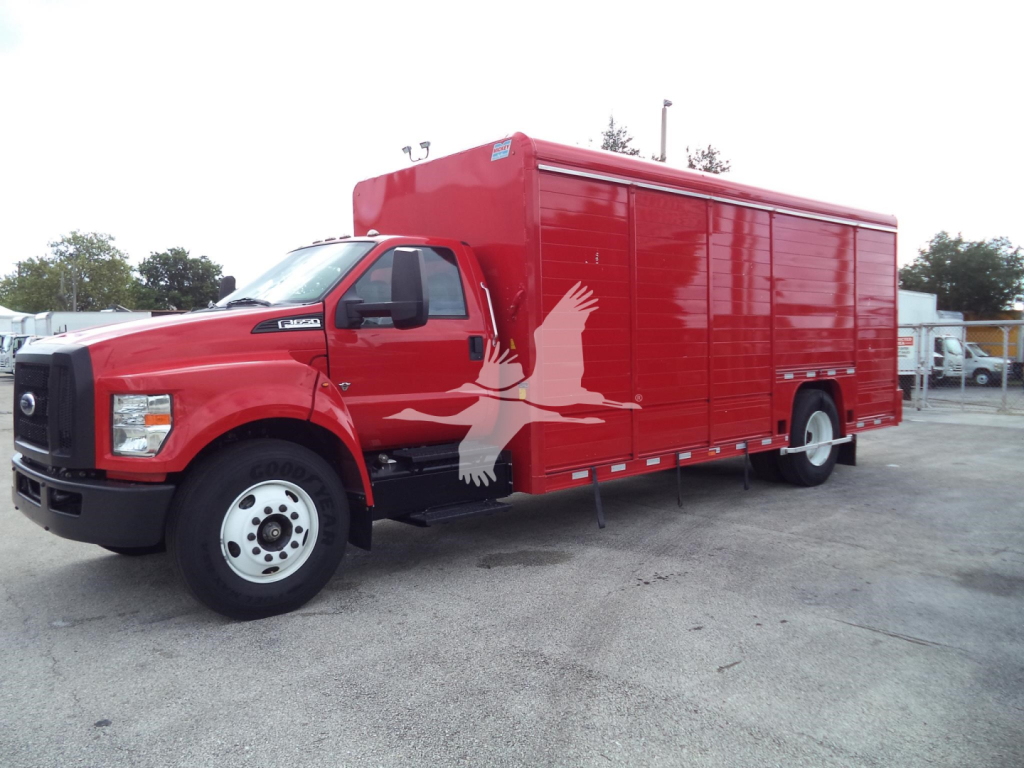
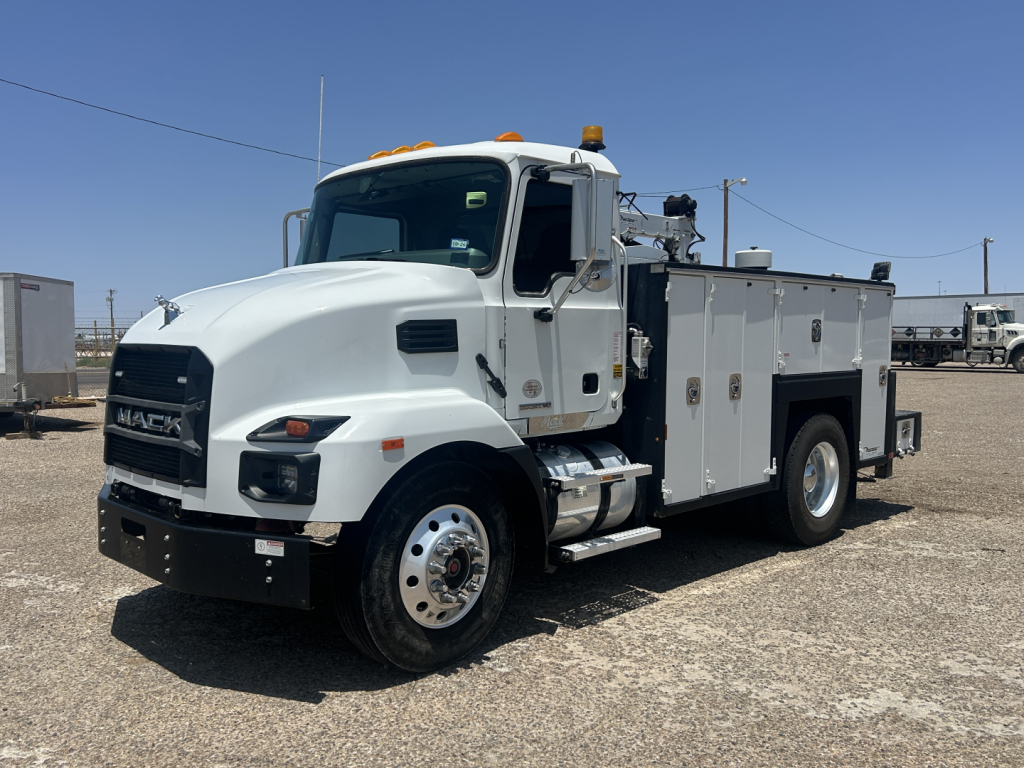
Body configuration matters as much as the cab and engine. Most 2021 service and utility trucks use steel or aluminum compartment bodies in 8-foot to 11-foot lengths, with external cabinets, top boxes, and a rear work deck or bumper step. Buyers should pay close attention to compartment depth, shelf and drawer setup, and whether the body includes ladder racks, pipe trays, reel carriers, vice mounts, or receiver hitches. If the truck will support mechanics or field repair work, look for a PTO or hydraulic package, crane mounting, outriggers or stabilizers, onboard air, and adequate electrical output for welders and power tools. If the truck is going into telecom, electrical, plumbing, HVAC, or municipal service, lockable compartments, inverter systems, jobsite lighting, and clean body organization often matter more than raw lifting capacity.
On 2021 models, powertrain choices typically include gasoline V8s for lower upfront cost and simpler maintenance, or diesel engines for higher torque and better performance under constant payload and towing. Transmission spec, rear axle ratio, GVWR, wheelbase, and brake type should all match the intended use. A regular cab with a shorter wheelbase improves turning radius and body access, while extended and crew cabs add space for crews, tools, and supervisors. Four-wheel drive can be a major advantage for utility contractors, oilfield work, and rural service routes, but it adds weight and complexity. Check tire size, suspension type, and front axle capacity carefully if the truck carries a crane or spends time off pavement. On crane-equipped units, confirm crane rating, boom reach, remote type, and body reinforcement, since these items directly affect safe usable capacity.
Condition on a used 2021 service truck should be evaluated beyond the odometer. Service bodies often show their real life in compartment floors, door hinges, latches, seals, rust at the body mounts, and signs of overloading around the rear suspension. Review idle hours and PTO hours if available, because a truck with moderate road miles may still have substantial engine and equipment time from jobsite operation. Inspect compressors, generators, inverters, cranes, hose reels, and work lights as separate systems, not just accessories. Buyers comparing listings should also verify emissions history, maintenance records, title status, and whether the body was fleet maintained or upfitted after delivery. A properly spec'd 2021 utility truck can be a strong long-term asset because it combines current chassis technology with the storage, security, and jobsite functionality that keeps technicians productive.
Frequently Asked Questions about Used 2021 Service/Utility Trucks
What is the difference between a service truck and a utility truck?
The terms are often used interchangeably, but service truck usually refers to a truck set up for field repair, mechanic work, or tool and parts storage, while utility truck can describe a broader group of compartment-body trucks used by contractors, municipalities, telecom crews, electricians, and maintenance departments. The real difference comes from the upfit. A mechanic-style service truck may have a crane, compressor, welder, and stabilizers, while a utility truck may focus on secure compartments, ladder racks, reels, and general field support equipment.
Is a diesel or gas engine better in a used 2021 service/utility truck?
Diesel is usually the better fit for heavier payloads, frequent towing, crane operation, and high annual mileage because it delivers stronger low-end torque and tends to handle sustained work better. Gas engines can make more sense for lighter-duty service routes, municipal use, and fleets that want lower acquisition cost and simpler maintenance. The right answer depends on payload, idle time, annual miles, and whether the truck spends most of its life in stop-and-go service or highway travel.
What should I check on a used service body before buying?
Focus on the body as closely as the chassis. Inspect compartment doors, hinges, latches, shelving, drawer slides, seals, and locks. Look for corrosion in the compartment floors, body crossmembers, and mounting points. Check for cracked welds, bent bumpers, damaged ladder racks, and water intrusion. If the truck has a crane, compressor, welder, inverter, or PTO-driven equipment, verify that each system operates correctly and review service history if available. A clean cab and engine do not guarantee a sound utility body.
What GVWR and chassis size do most buyers need for a 2021 utility truck?
Pickup-based utility trucks in the 2500 to 5500 range work well for lighter field service, contractor use, and jobs where maneuverability matters. Medium-duty trucks such as F-650 or F-750 class units are better suited for larger bodies, crane packages, fuel and lube setups, and heavier daily payloads. Buyers should calculate the combined weight of tools, technicians, stored parts, mounted equipment, and any trailer tongue weight, then choose a GVWR with enough margin to stay legal and practical in daily operation.
Are crew cab service trucks worth the tradeoff in body length and payload?
They can be, if the truck regularly carries multiple technicians or serves a crew-based operation. A crew cab improves personnel transport and keeps the team in one vehicle, but it often reduces available body length on a given wheelbase and adds curb weight. If the job depends more on storage volume, crane placement, or compact maneuvering, a regular cab or extended cab may be the better specification. The best choice depends on whether labor capacity or body capacity is more valuable in your daily work.