
Service/Utility Trucks For Sale in South Carolina

Have service/utility truck to sell? List it here to reach thousands of buyers.
Service/Utility Trucks in South Carolina
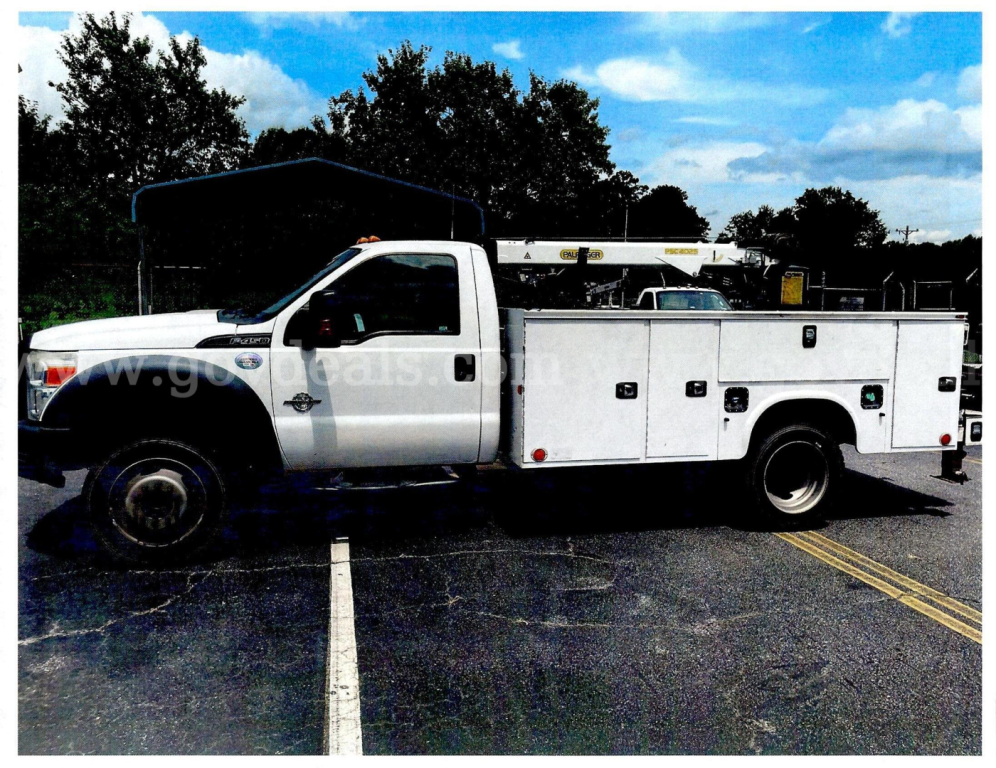
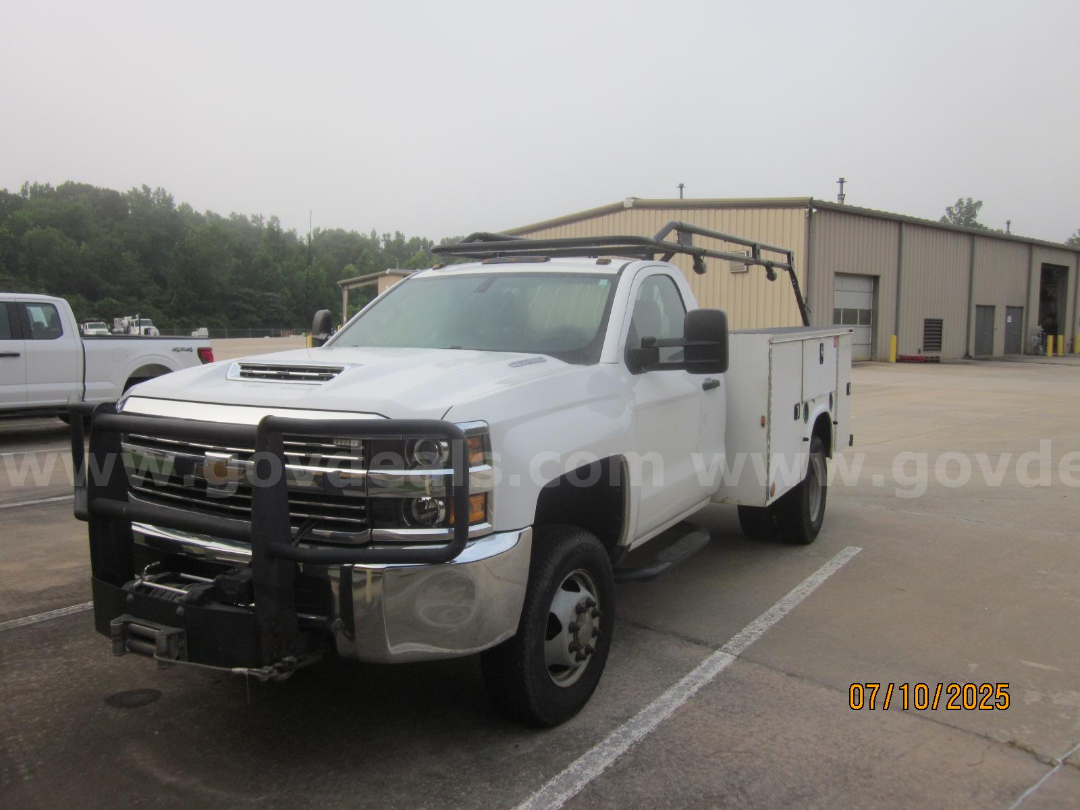
The first buying decision is usually chassis size and body configuration. Light-duty models on 2500, 3500, or 3500HD platforms are common for general trade work, especially when the priority is maneuverability, lower operating cost, and easier parking in urban or residential areas. Buyers should compare gas versus diesel power, 4x2 versus 4x4, rear axle ratio, GVWR, and whether the truck has enough payload left after accounting for the body, tools, fuel, and any mounted equipment. Utility bodies often include multiple side compartments, top-opening or vertical doors, ladder racks, receiver hitches, transfer tank space, and reinforced bumpers. If the truck will support compressors, generators, cranes, or hydraulic tools, confirm PTO compatibility, idle management, alternator output, and available upfitter switches.
Body construction matters just as much as the cab and chassis. Steel service bodies are widely used because they are durable and easy to repair, while aluminum bodies reduce empty weight and can help with corrosion resistance in humid coastal environments. Buyers should look closely at compartment layout, shelving, drawer systems, lock security, weather sealing, and floor condition inside each box. Common fleet specs include Knapheide, Reading, Stahl, and similar utility body brands, with features such as LED compartment lighting, ladder racks, vice mounts, backup cameras, and trailer brake controllers. If a truck has a crane or welder package, inspect outrigger condition, crane certification history, hydraulic lines, and any signs of frame stress around the body mounts.
For South Carolina use, rust is often less severe than in northern states, but humidity, salt air near the coast, and hard daily service still affect body seams, wiring, and compartment hardware. A good service truck should have a clean electrical system, consistent door alignment, intact seals, and suspension components that match the real working load. Buyers comparing listings should focus on service history, engine hours if equipped with PTO-driven accessories, tire condition, brake wear, and whether the body setup actually fits the trade. The best service and utility trucks are not just work-ready on paper. They are properly spec'd for payload, organized for technician efficiency, and durable enough to handle years of stop-and-go field service.
Frequently Asked Questions about Service/Utility Trucks in South Carolina
What is the difference between a service truck and a utility truck?
The terms are often used interchangeably, but service truck usually refers to a work truck set up to support field repairs or mobile technicians, while utility truck can describe a broader range of service body trucks used by contractors, municipalities, and infrastructure crews. In practice, both typically have enclosed side compartments, external tool access, and space for parts, equipment, and trade-specific accessories. The important difference is the body layout and installed equipment, not the label.
What size service body truck is best for most contractors?
For many contractors, a 2500 or 3500 class truck is the most practical choice because it balances payload, maneuverability, and operating cost. These trucks work well for electricians, plumbers, HVAC technicians, and general service fleets that carry tools and parts without needing a large crane or heavy hydraulic package. If the truck will carry a welder, compressor, crane, or dense inventory every day, a heavier chassis may be the better long-term fit because payload disappears quickly once the body and equipment are installed.
Should I choose a gas or diesel engine in a service/utility truck?
Gas engines are common in light-duty service trucks because they have a lower initial cost, simpler emissions systems, and can be a good fit for local routes with frequent stops. Diesel engines make more sense when the truck sees heavier loads, higher annual mileage, regular towing, or extended idle time tied to worksite operation. The right choice depends on duty cycle, payload, towing demands, and how long the truck is expected to stay in the fleet.
What should I inspect on a used utility body?
Check every compartment door, hinge, latch, and seal for wear, misalignment, and water intrusion. Inspect the body floor, tops of compartments, and mounting points for corrosion, cracking, or signs of overloading. Look at shelving, drawer slides, ladder rack mounts, wiring, exterior lighting, and any integrated equipment such as compressors, inverters, or cranes. A clean-looking truck can still have expensive body issues if the compartments leak, the locks are worn out, or the upfit electrical system was modified poorly.
Is 4x4 worth it on a service truck in South Carolina?
4x4 is valuable if the truck regularly enters soft jobsites, utility easements, unpaved roads, or wet ground conditions common after heavy rain. It also helps crews working in rural areas, construction sites, and right-of-way maintenance where traction can change quickly. For paved-road municipal work or urban trade service, a 4x2 truck may be more cost-effective and still handle the job well if payload, tire choice, and axle ratio are matched correctly.