
Rolloff Trucks For Sale in Tennessee
Browse rolloff trucks for sale in Tennessee. Compare hoist capacity, rail length, axle setups, and PTO specs for waste and container hauling.
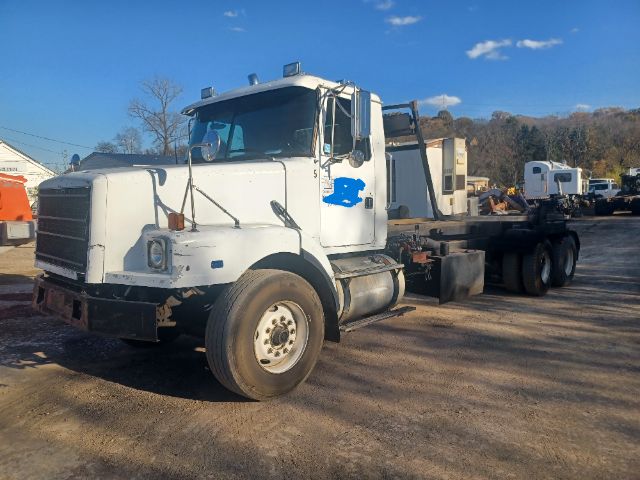
Selling a rolloff truck? List your rolloff truck for sale and reach thousands of commercial buyers.
Rolloff Trucks in Tennessee
A good buying decision comes down to the complete truck, not just the hoist. Chassis specs like wheelbase, axle configuration, suspension, frame strength, PTO setup, and transmission all affect how the truck performs under load. Many rolloff trucks use tandem rear axles for legal payload and stability, though single-axle units can make sense for tighter urban routes and lighter containers. Engines from Cummins, Detroit, Mack, and Volvo are common in this class, paired with manual or automatic transmissions depending on driver preference and route conditions. Rail length, hook height, cable or hooklift style, tarping system, and outside rail width should all be checked against the containers already in service.
Condition matters more on a rolloff truck than on many other vocational trucks because the work is repetitive and high stress. Inspect the hoist cylinders, hinge points, rollers, sheaves, rear locks, container stops, and PTO engagement for wear or delayed response. Look closely at frame repairs, crossmember condition, hydraulic leaks, pump noise, and uneven rail wear that can signal past overloading or poor container alignment. In hilly parts of Tennessee, brake condition, driveline integrity, and suspension performance are especially important when hauling heavy demolition debris or scrap. A truck that runs well but has tired hydraulics can become expensive quickly once it is put back into daily service.
For buyers comparing rolloff trucks for sale, the best unit is the one matched to the containers, disposal sites, and route profile of the business. A lighter truck may lower acquisition cost and improve maneuverability, while a heavier tandem-axle spec can add payload, durability, and better performance on demanding construction or waste routes. Also known as a roll off truck or dumpster truck, this equipment class is all about dependable hydraulic performance, stable load handling, and fast turnaround time between pickups and drops.
Frequently Asked Questions about Rolloff Trucks in Tennessee
What is the difference between a rolloff truck and a hooklift truck?
A rolloff truck typically uses rails and a cable hoist system to pull a container onto the body and roll it off at the jobsite or disposal location. A hooklift uses a hydraulic hook arm to pick up compatible bodies or containers. Rolloff trucks are widely used for waste, scrap, and demolition boxes, while hooklift trucks offer more body versatility if the fleet uses interchangeable platforms, dumpsters, flatbeds, or tanks.
What hoist capacity is common on a rolloff truck?
Common rolloff hoist ratings vary by application, but heavy-duty units in the 50,000 to 60,000 lb class are common for demolition, scrap, and dense waste containers. The right capacity depends on the length of container, material density, local road limits, and how often the truck cycles each day. Hoist rating should always be considered alongside axle capacity, frame strength, and legal GVWR.
Should I choose a single-axle or tandem-axle rolloff truck?
A single-axle rolloff truck can work well for lighter containers, tighter urban access, and lower operating cost. A tandem-axle truck is usually the better choice for heavier debris, higher legal payload, and better stability on rougher jobsites or longer hauls. The decision should be based on container size, disposal route, state weight limits, and the type of material being hauled.
What should I inspect on a used rolloff truck before buying?
The most important items are the hydraulic system, hoist structure, frame condition, and PTO operation. Check cylinders for leaks, rails for uneven wear, rollers and pivots for play, rear locks for secure engagement, and the pump for noise or slow cycle times. Also inspect the chassis for frame repairs, suspension wear, brake condition, driveline vibration, and signs that the truck has been regularly overloaded.