
New 2027 Rolloff Trucks For Sale
Shop new 2027 rolloff trucks with hooklift-style container handling, heavy-duty chassis options, and specs built for waste and scrap hauling.
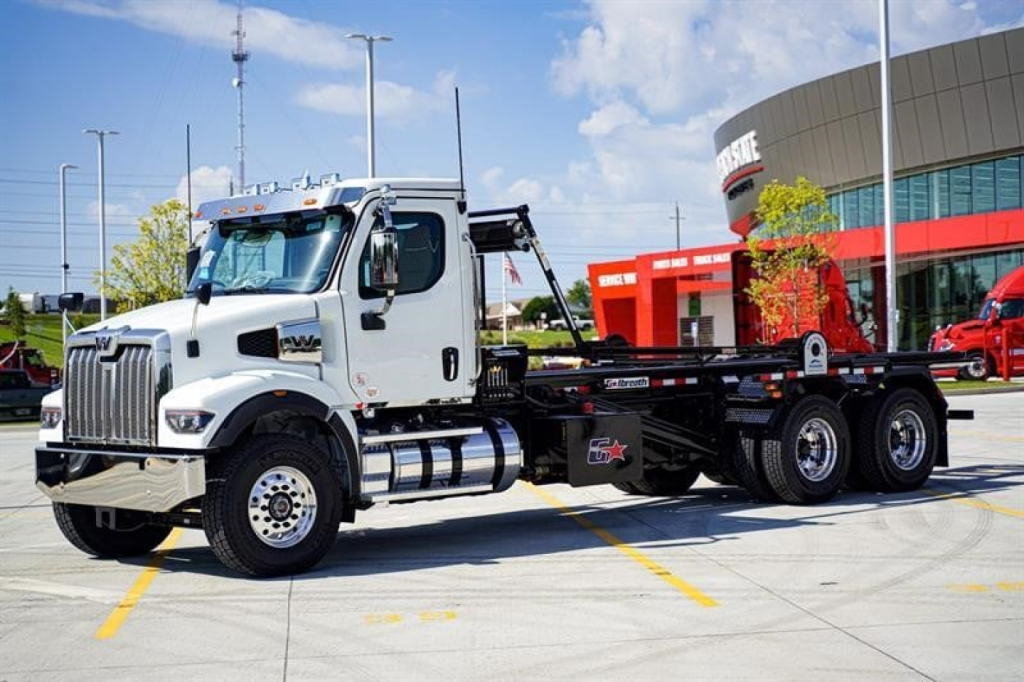
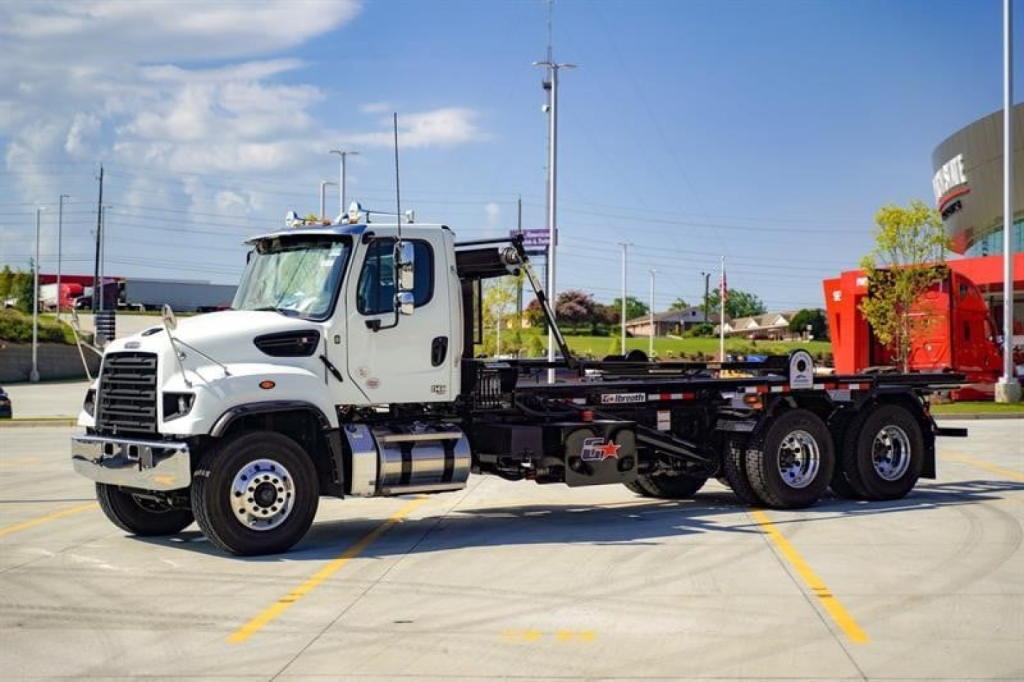
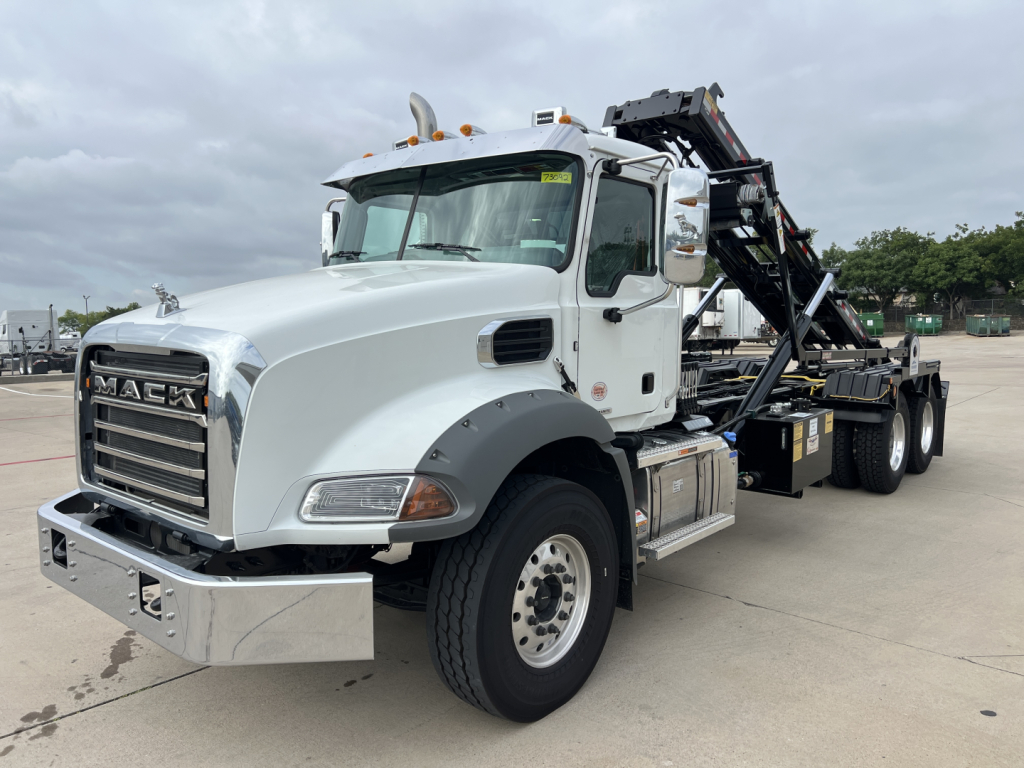
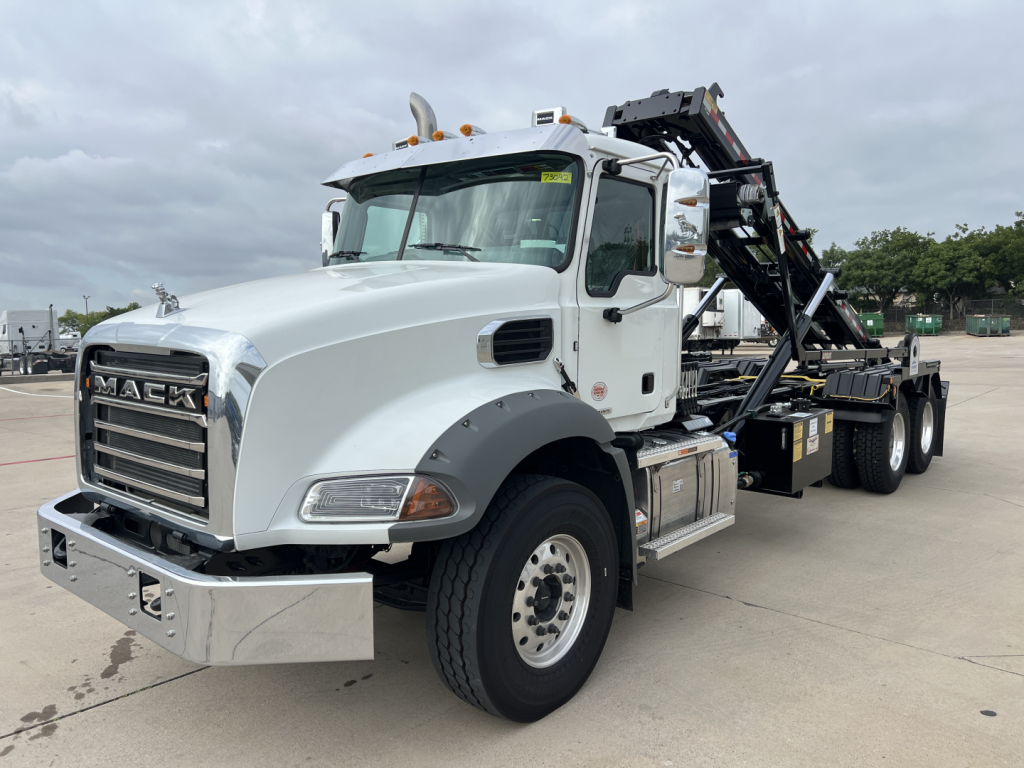
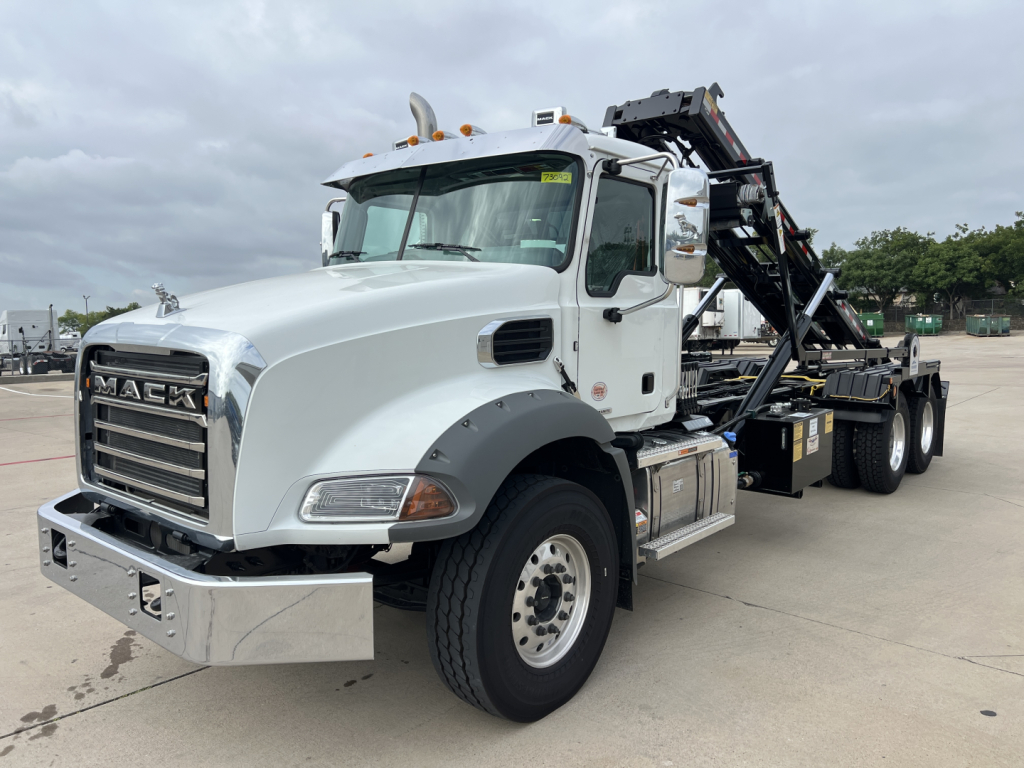
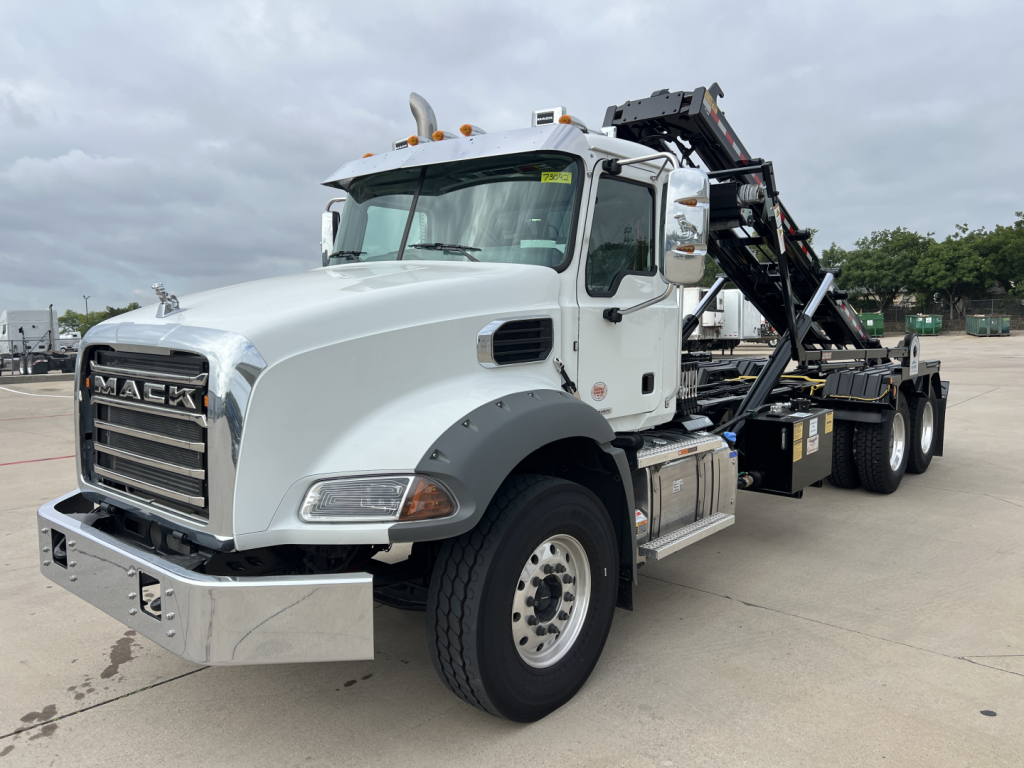
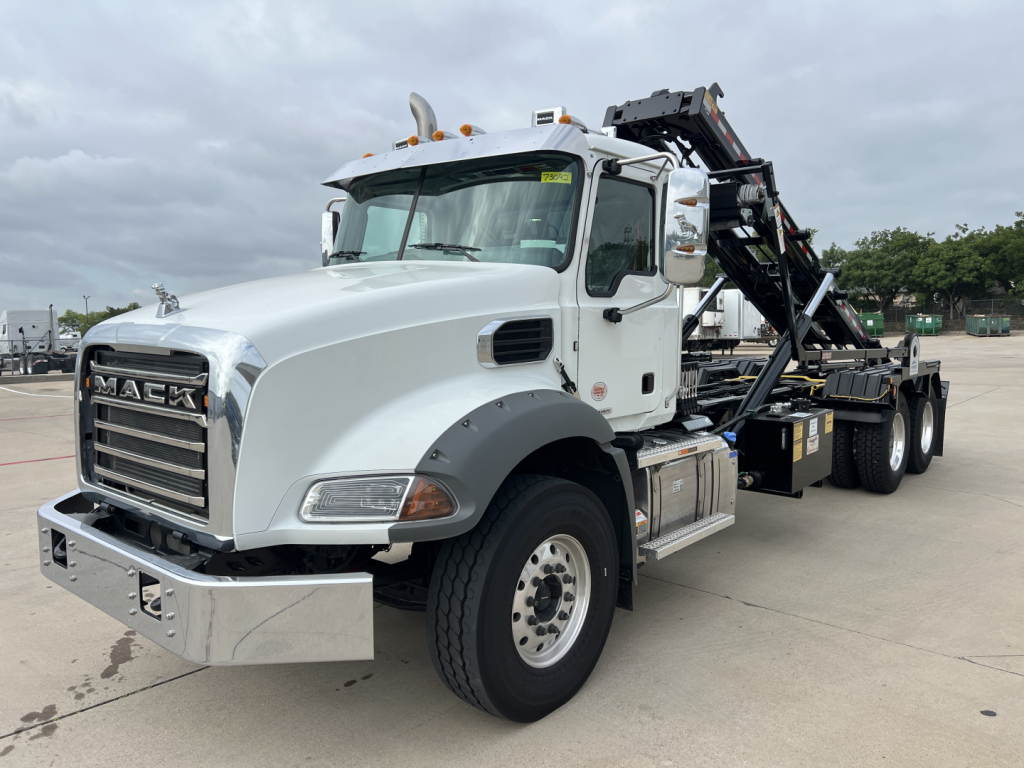
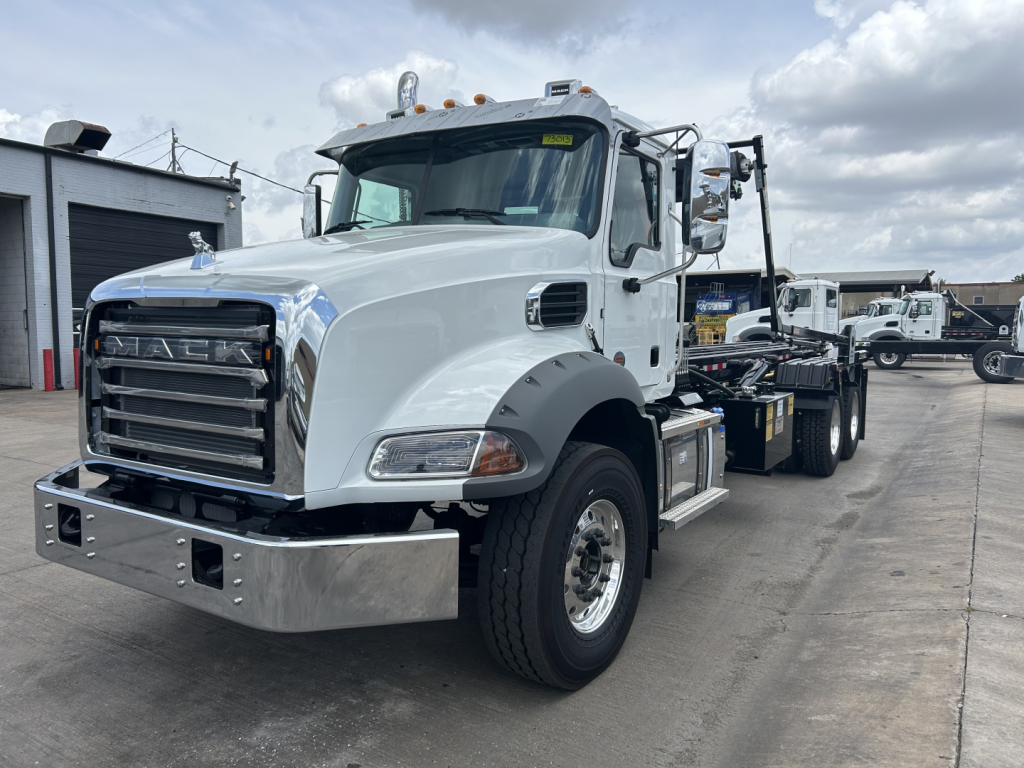
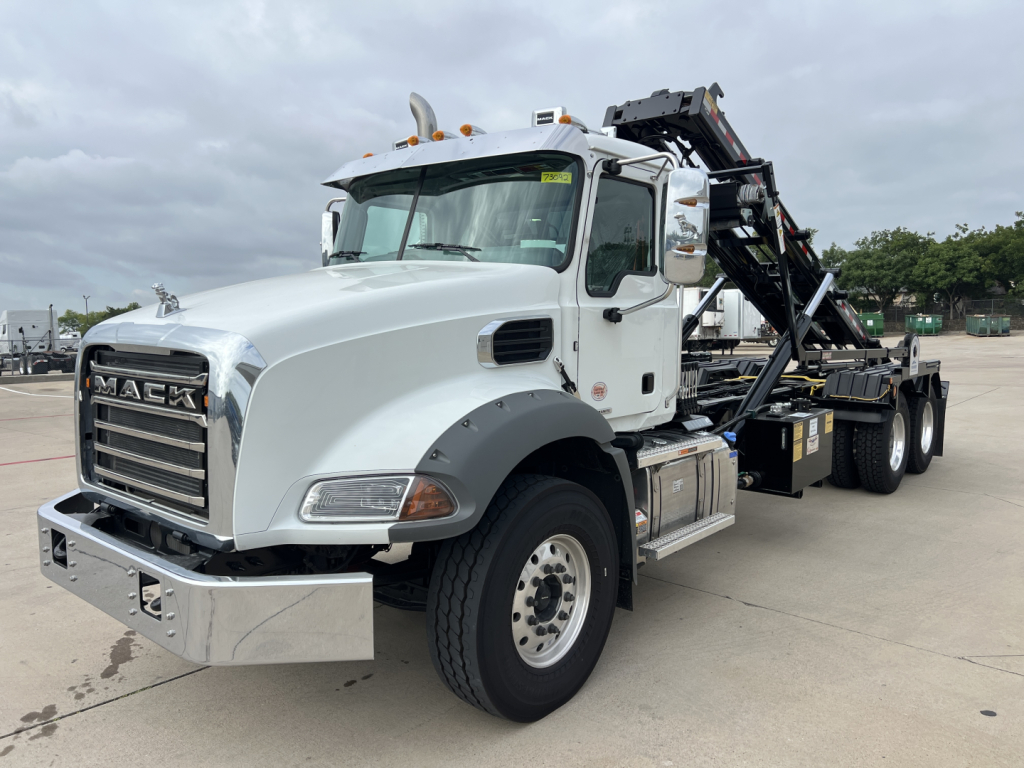
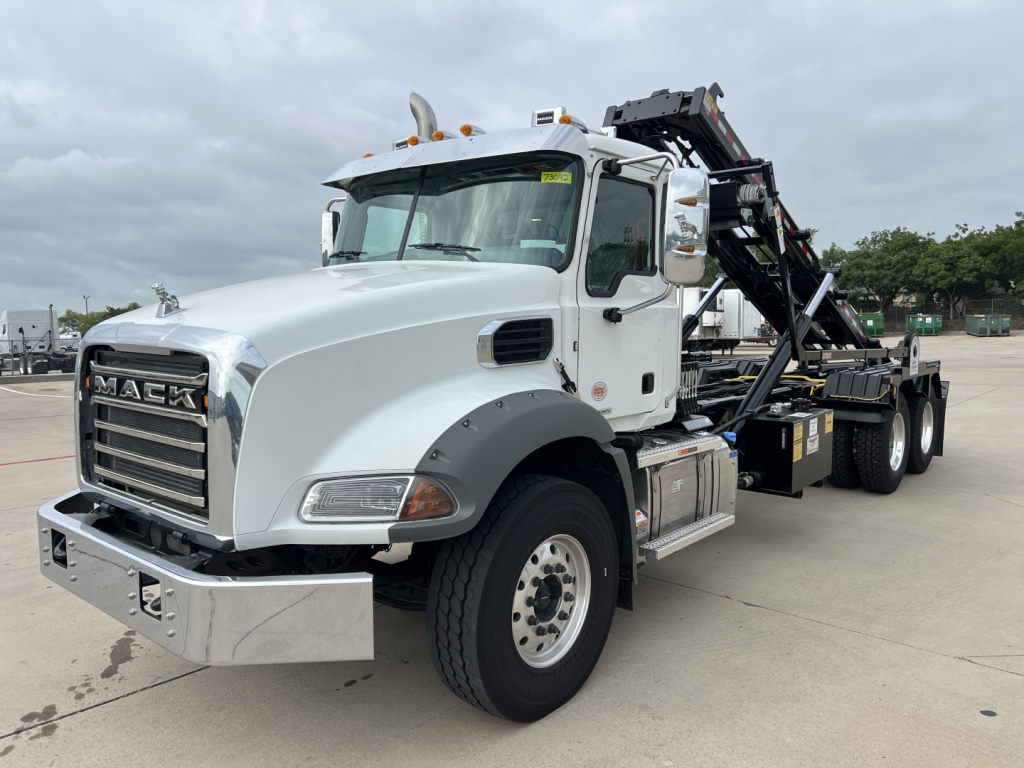
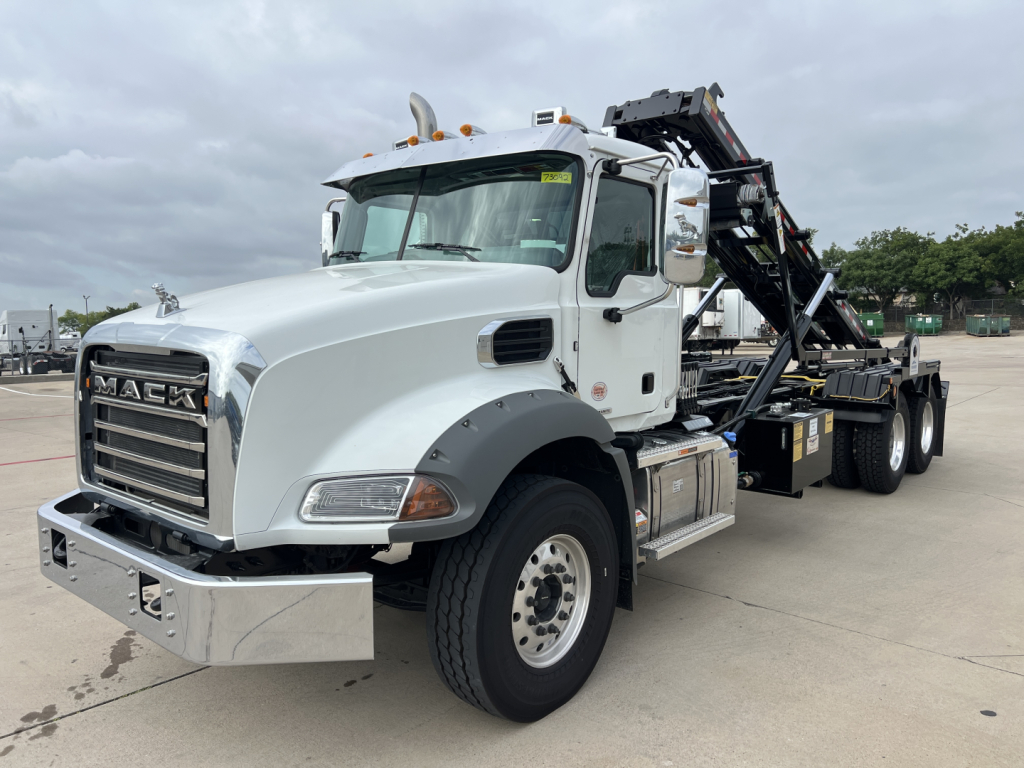
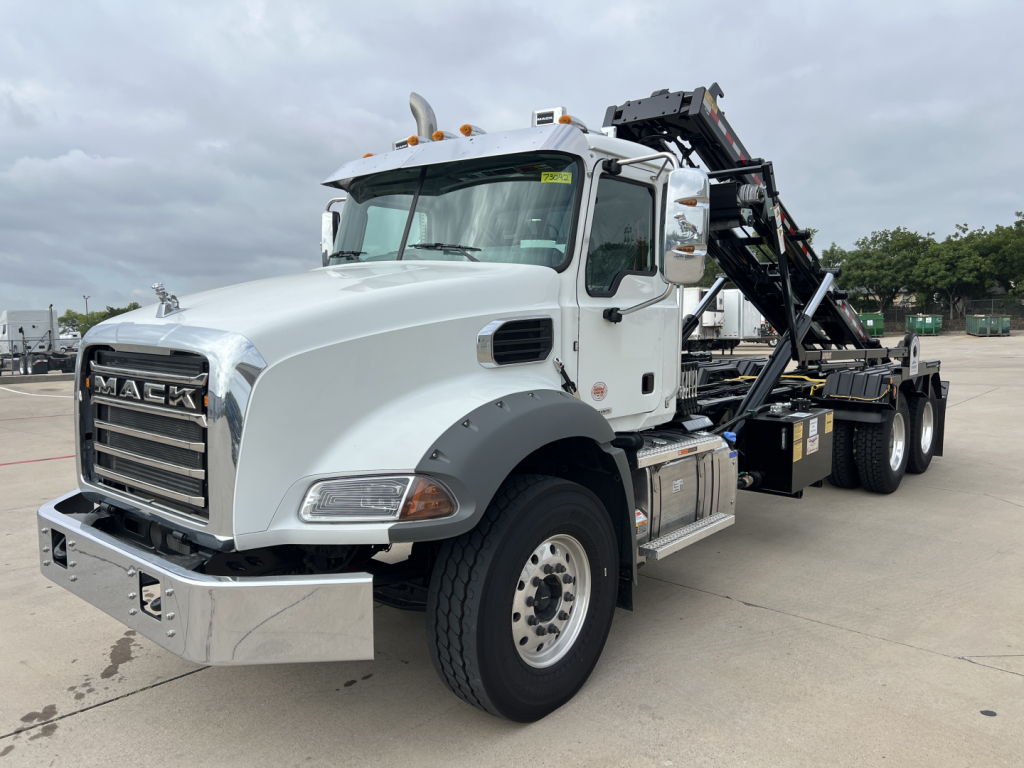
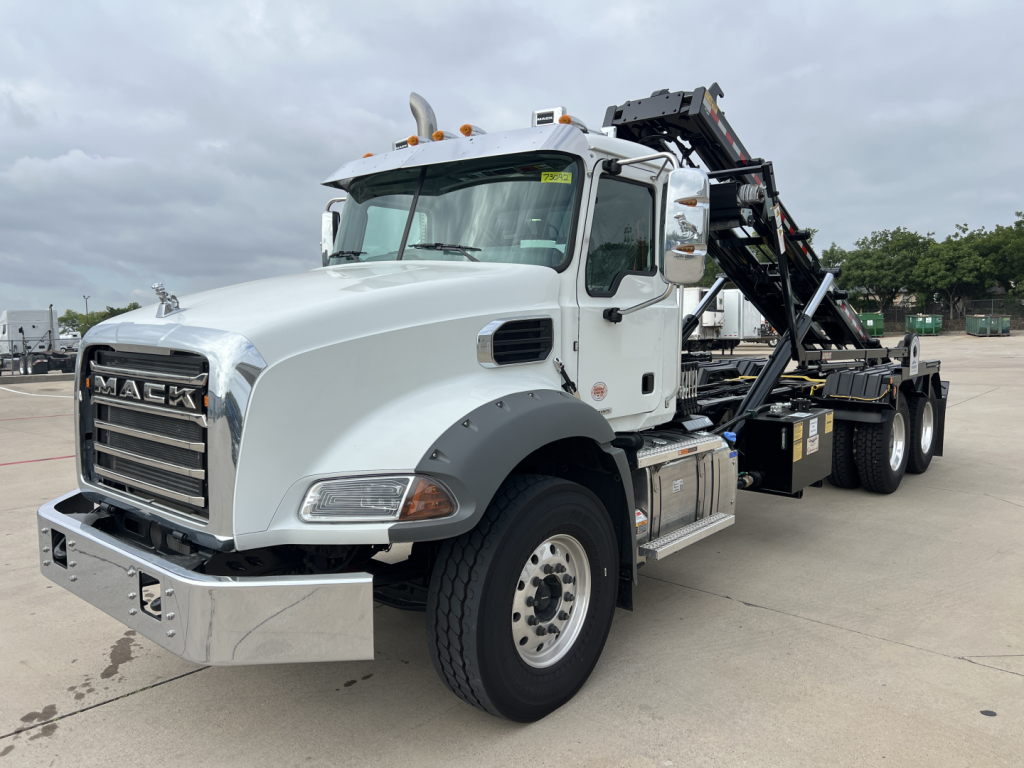
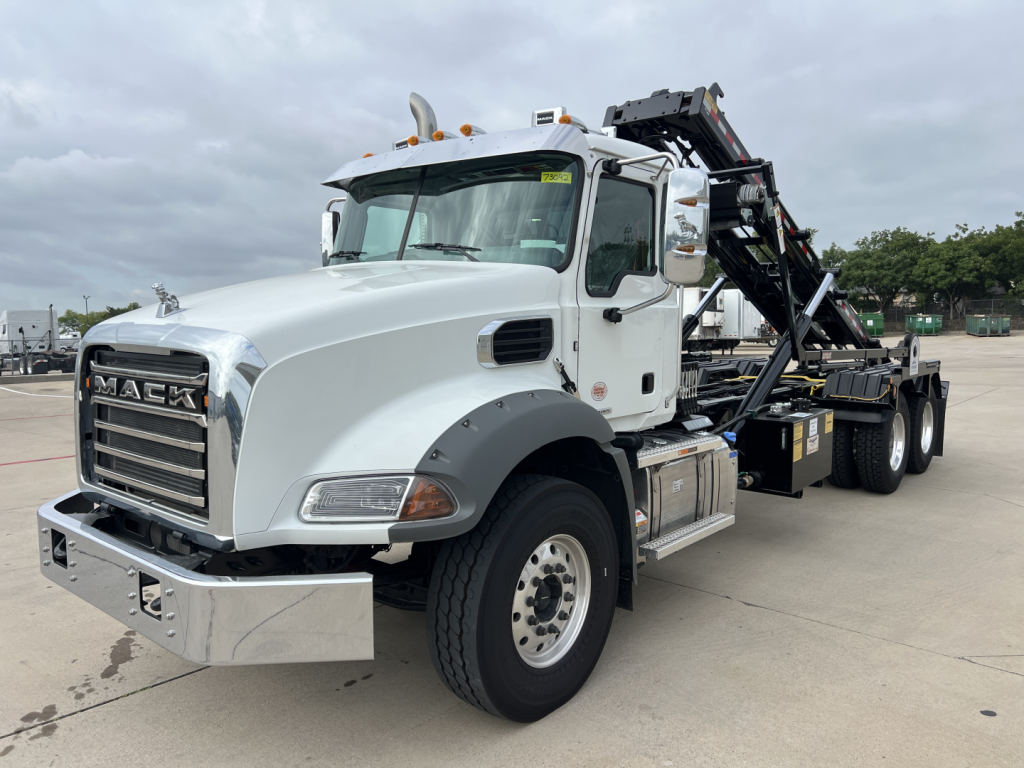
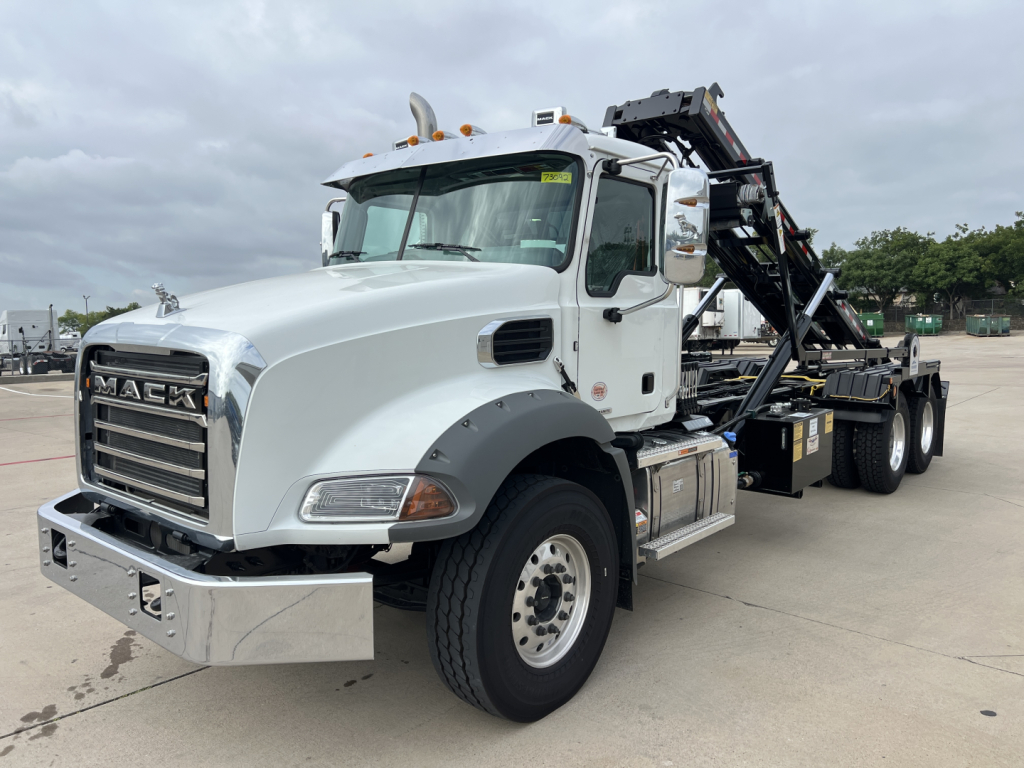
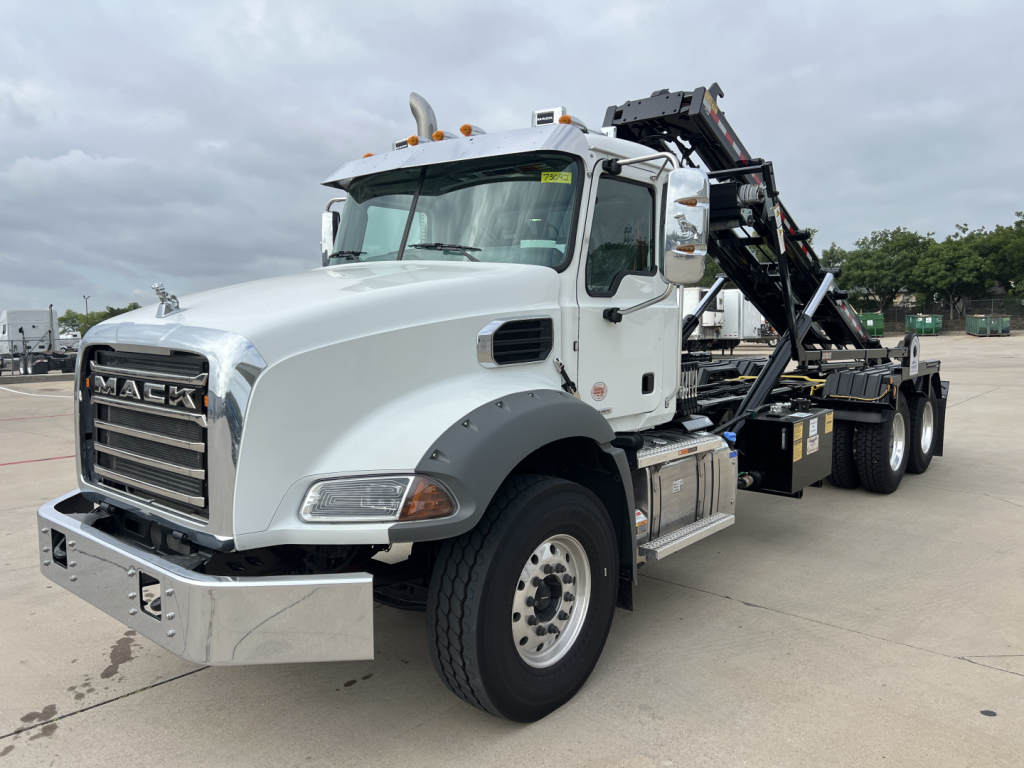
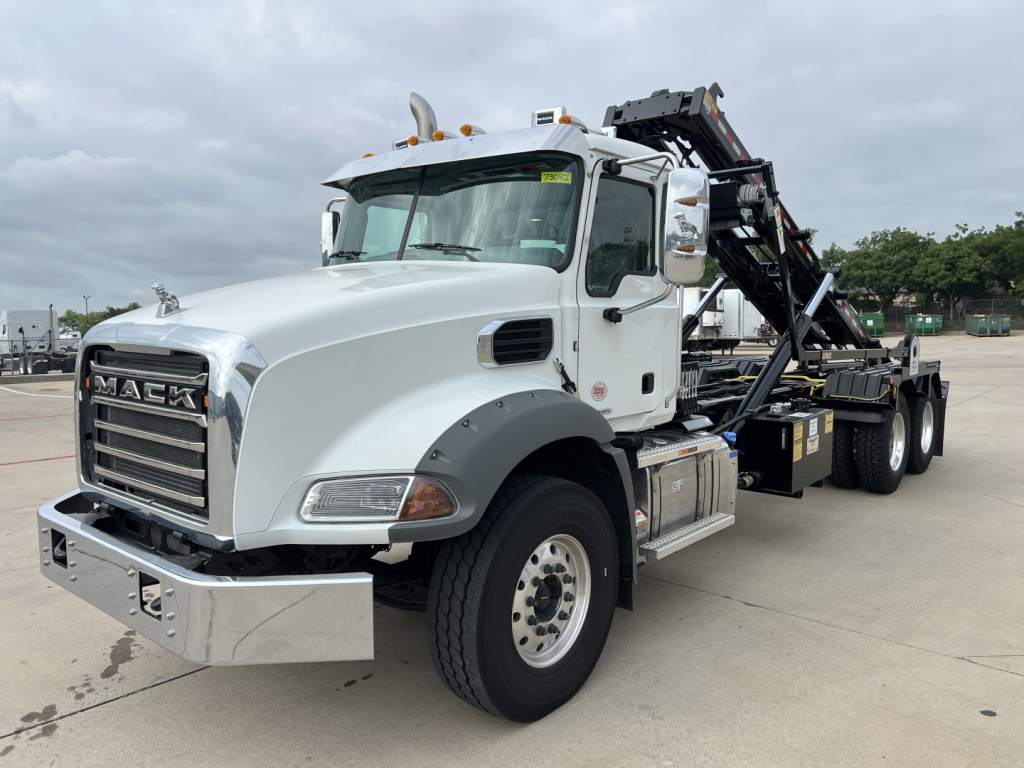
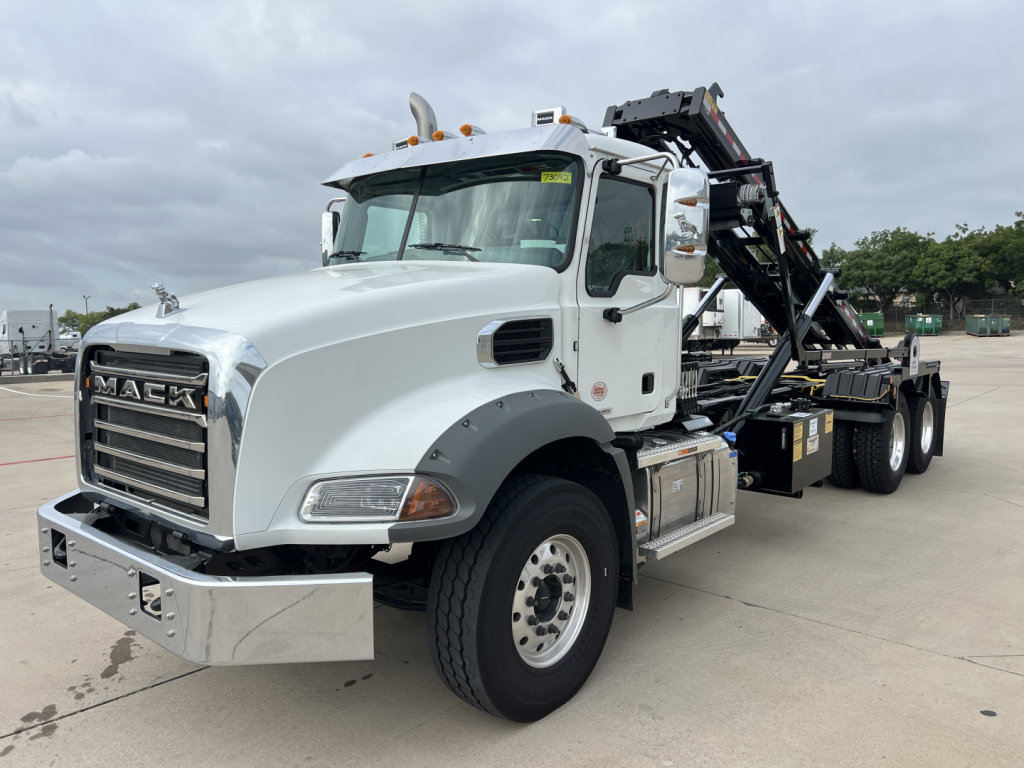
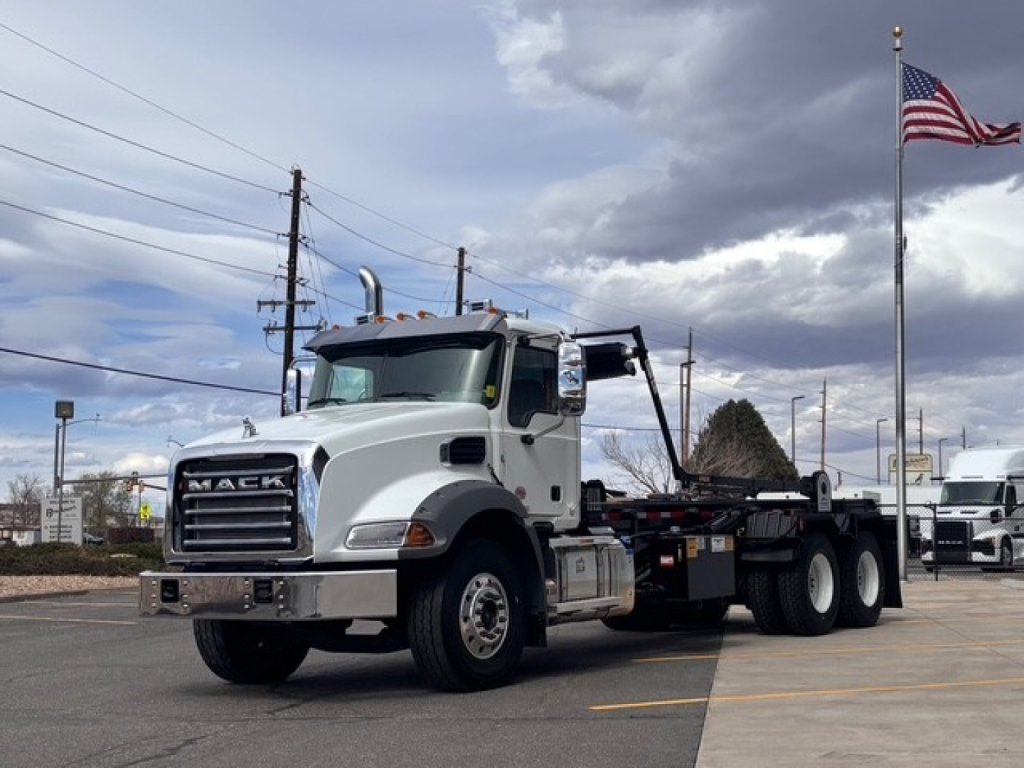
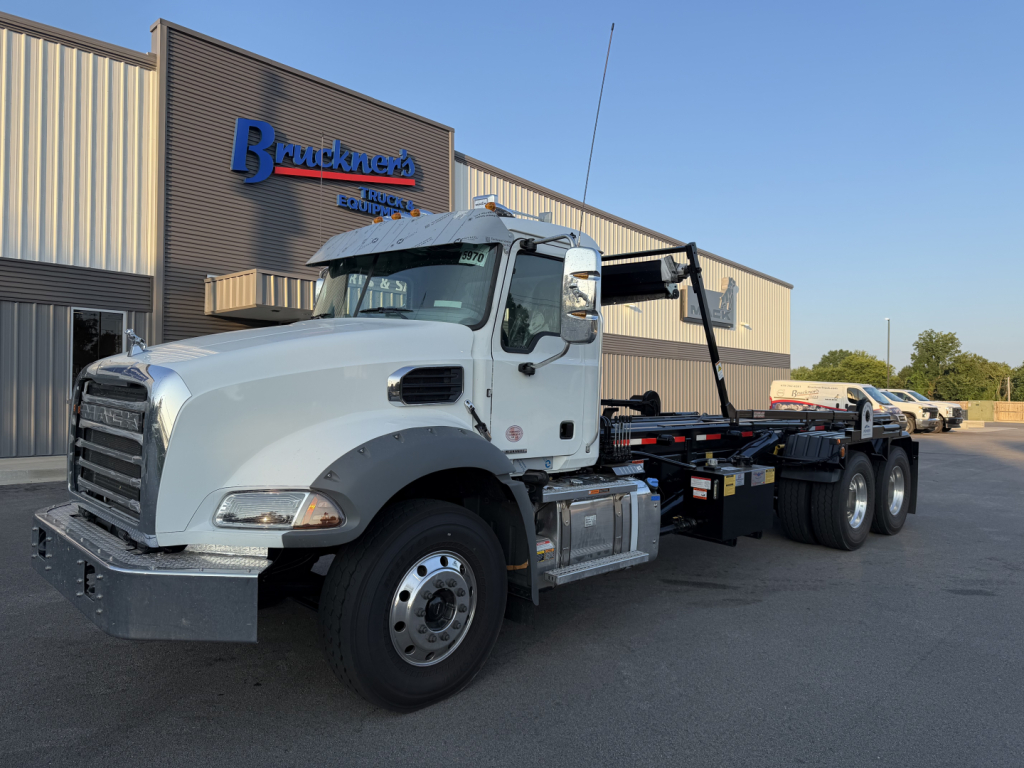
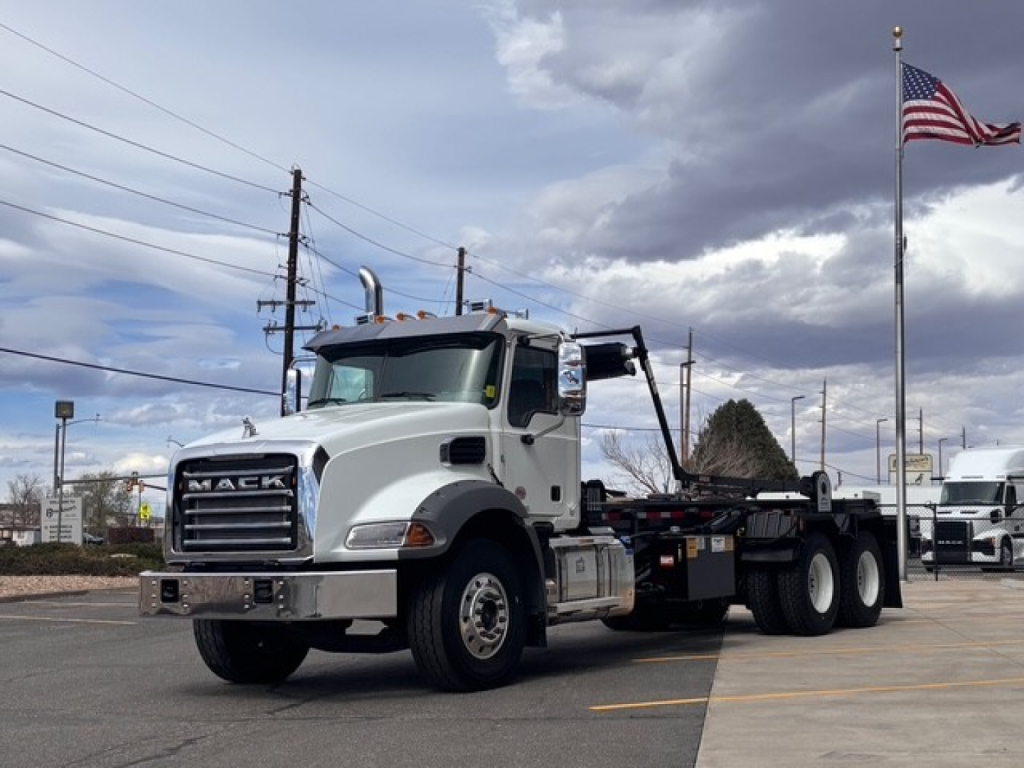
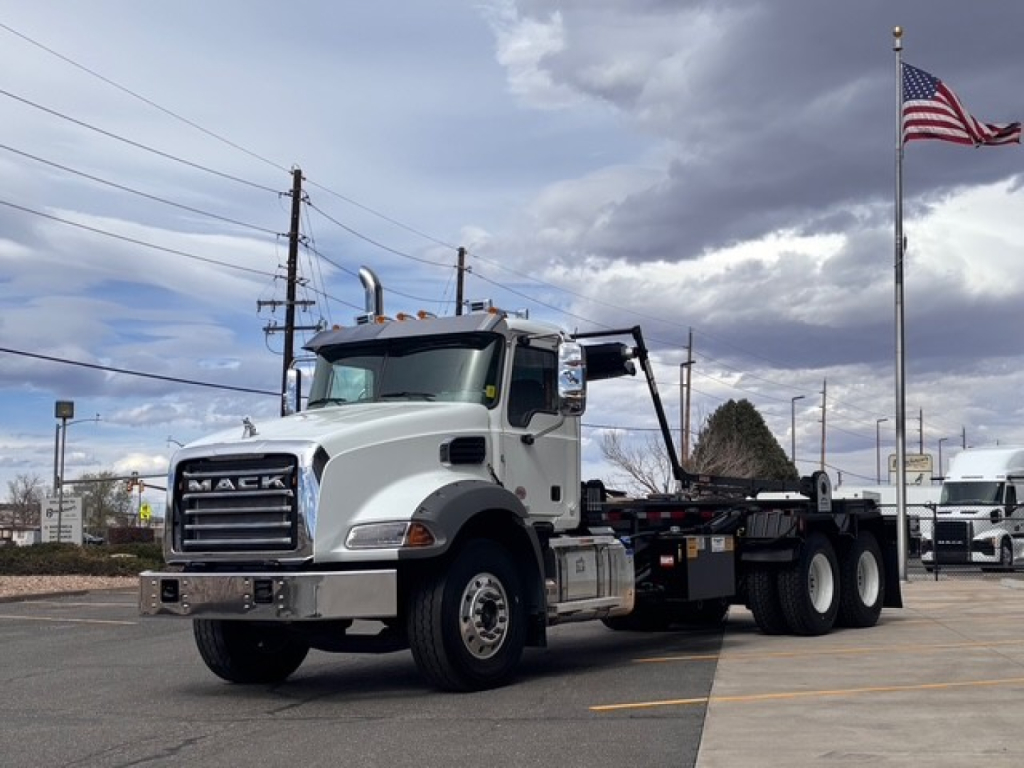
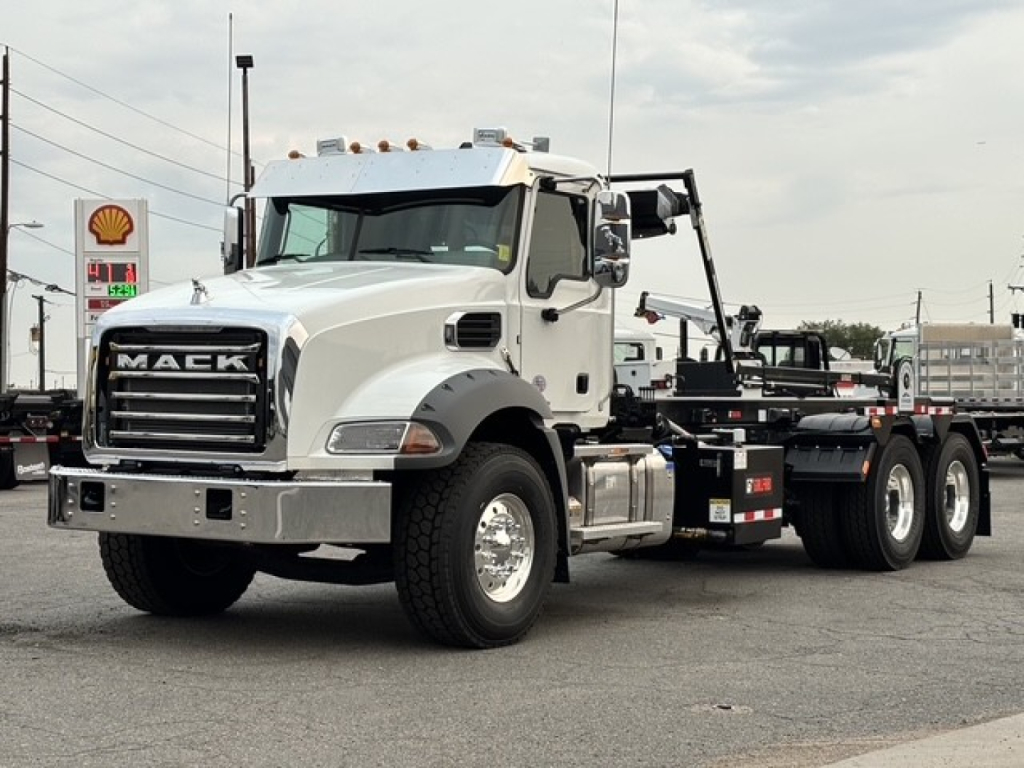
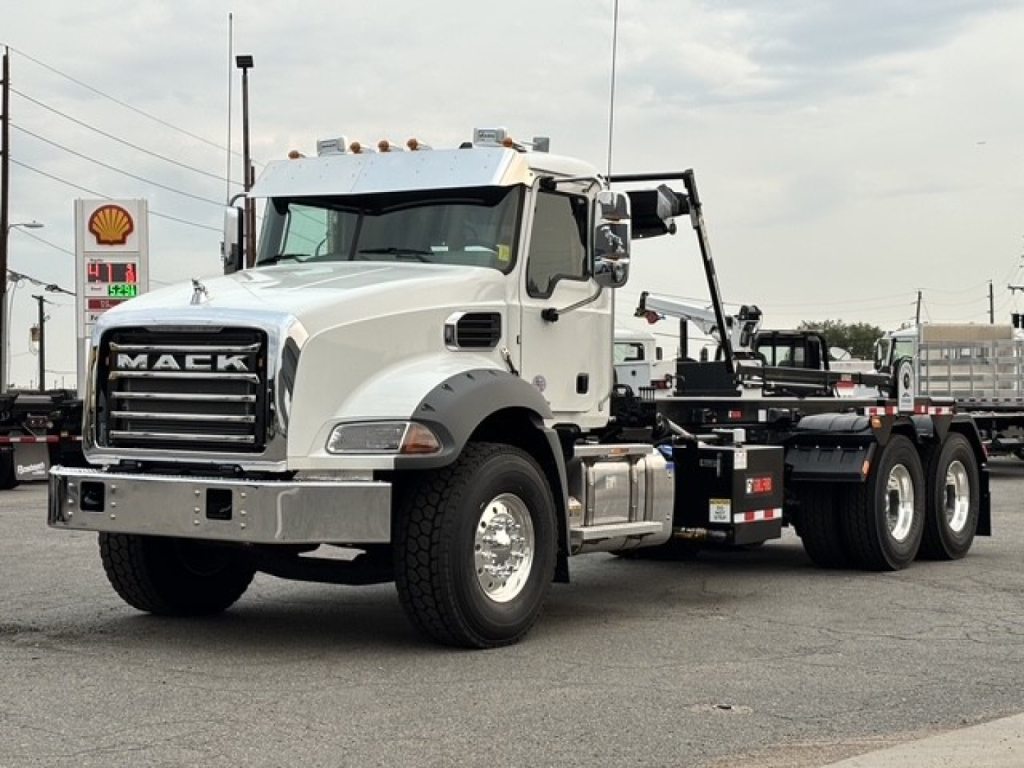
Showing 1 to 28 of 49 results
Selling a new 2027 rolloff truck? List your new 2027 rolloff truck for sale and reach thousands of commercial buyers.
New 2027 Rolloff Trucks
The chassis spec deserves close attention because a rolloff spends its life in short-haul stop-and-go service, frequent backing, and repeated loading cycles on uneven ground. Buyers often compare axle ratings, wheelbase, frame section modulus, suspension type, and powertrain calibration before anything else. Engines are commonly selected for strong low-rpm torque rather than highway speed, and automatic transmissions are popular because they reduce driver fatigue and improve consistency in tight urban work. Front axle capacity, rear suspension rating, lift axle requirements, and body-to-cab clearance all affect how well the truck handles full cans, approach angles, and legal payload. If the truck will see transfer station lanes, landfill traffic, or demolition sites, vocational protections like heavy front bumpers, grille guards, full locking differentials, and severe-service air cleaners are worth considering.
Hoist design changes the way a rolloff performs day to day. Cable rolloff systems remain common for straightforward container loading and unloading, while hooklift-style systems can add flexibility when fleets interchange bodies for different jobs. Key details include hoist rating, rail width, reeving arrangement, winch performance, container compatibility, and dump angle. A buyer should also look at in-cab controls, camera placement, tarp system type, lighting protection, and hydraulic oil tank access because these details affect cycle time and serviceability. New trucks in this category may also include driver-assist and telematics features that help track idle time, maintenance intervals, route efficiency, and harsh-duty operation.
For most operations, the right 2027 rolloff truck is the one that matches the container sizes you actually run, the gross vehicle weight rating you need, and the jobsite conditions your drivers face every day. Roofing and C&D work may prioritize lighter tare weight and quick container swaps, while scrap and recycling operations may lean harder on axle capacity, hoist strength, and frame reinforcement. Municipal buyers often focus on safety lighting, backup visibility, and predictable maintenance intervals. Looking closely at wheelbase, cab configuration, hoist capacity, suspension, PTO setup, and axle spec will tell you far more than the badge on the hood. In this equipment class, productivity comes from a truck that loads cleanly, tracks straight under load, and holds up to repeated hydraulic and structural stress.
Frequently Asked Questions about New 2027 Rolloff Trucks
What is a rolloff truck used for?
A rolloff truck is used to load, transport, and unload detachable debris containers. These trucks are common in waste hauling, construction and demolition cleanup, roofing, scrap, recycling, and municipal sanitation work. The truck’s hoist system pulls a container onto rails, secures it for transport, and raises it to dump when required.
What specs matter most when buying a new rolloff truck?
The most important specs are hoist capacity, container length compatibility, gross vehicle weight rating, axle ratings, wheelbase, suspension, and PTO-hydraulic system design. Buyers should also verify frame strength, cab-to-axle measurement, dump angle, and local bridge law compliance. A strong vocational drivetrain and the correct axle configuration usually matter more than premium trim features in this category.
Are cable rolloff and hooklift systems the same thing?
No. A cable rolloff uses a winch and cable system to pull the container onto the truck’s rails, while a hooklift uses a hydraulic lifting arm with a hook attachment. Cable systems are widely used in traditional waste and debris hauling. Hooklift systems can offer more body interchange flexibility, but the right choice depends on the container style and the fleet’s operating model.
Is a tandem axle chassis better for a rolloff truck?
In many applications, yes. Tandem axle rolloff trucks are common because they provide better legal payload capacity, improved stability with loaded containers, and a stronger foundation for heavier hoists and severe-duty operation. A single axle may work for lighter urban applications, but tandem axle configurations are typically preferred for demolition debris, scrap, landfill work, and other heavier routes.
Why do new rolloff trucks often use automatic transmissions?
Automatic transmissions are popular in rolloff service because the work involves frequent starts, stops, backing, and jobsite maneuvering. An automatic can reduce driver fatigue, improve low-speed control, and help protect the driveline from inconsistent shifting habits. In high-cycle vocational service, that can support uptime and make the truck easier to run across a broader driver pool.