
Used 2016 Mack Rolloff Trucks For Sale in Oklahoma
Browse used 2016 Mack rolloff trucks in Oklahoma. Compare GU533 specs, hoist capacity, axle ratings, drivetrain, and refuse applications.
Learn more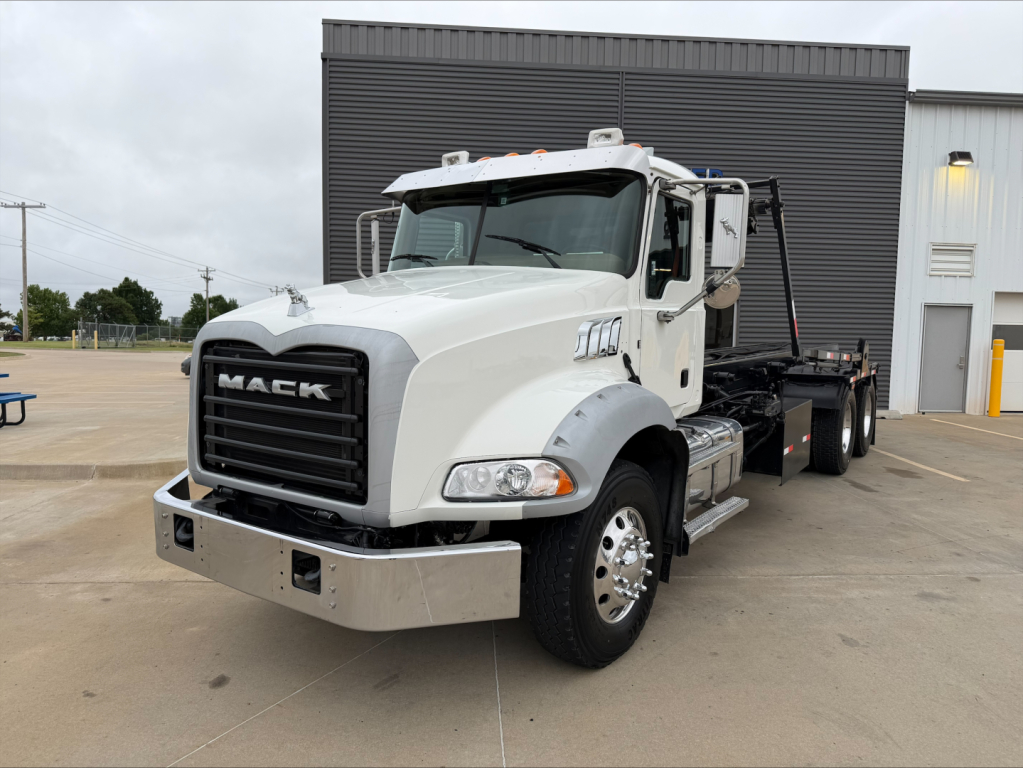
Have used 2016 mack rolloff truck to sell? List it here to reach thousands of buyers.
About Used 2016 Mack Rolloff Trucks in Oklahoma
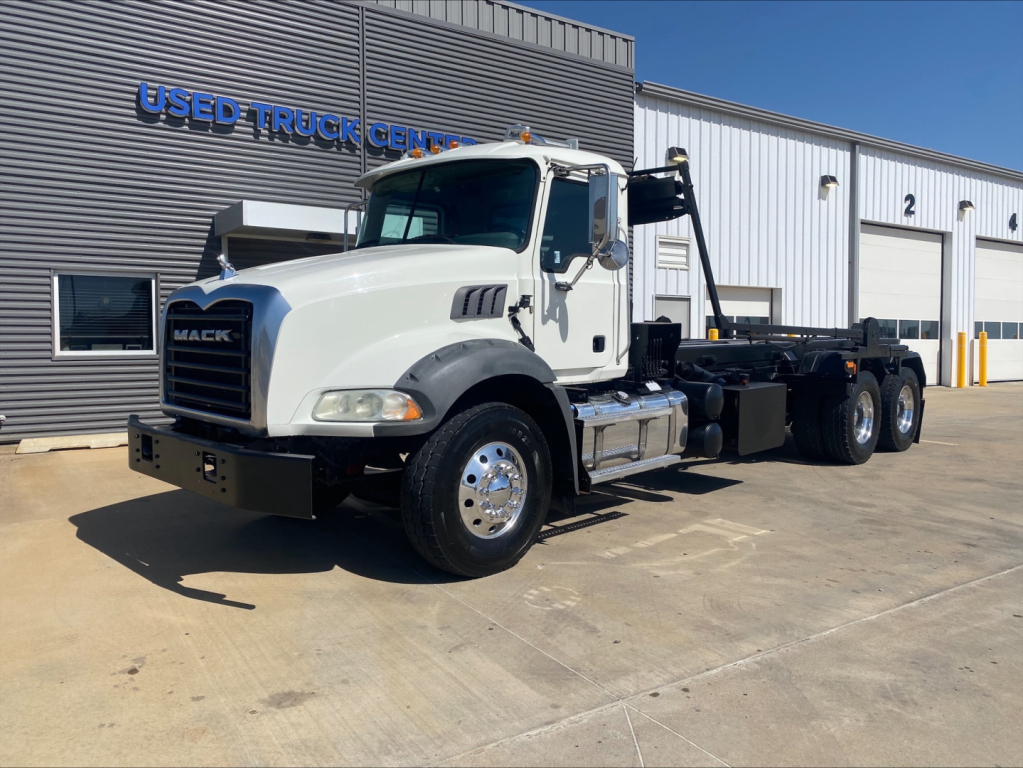
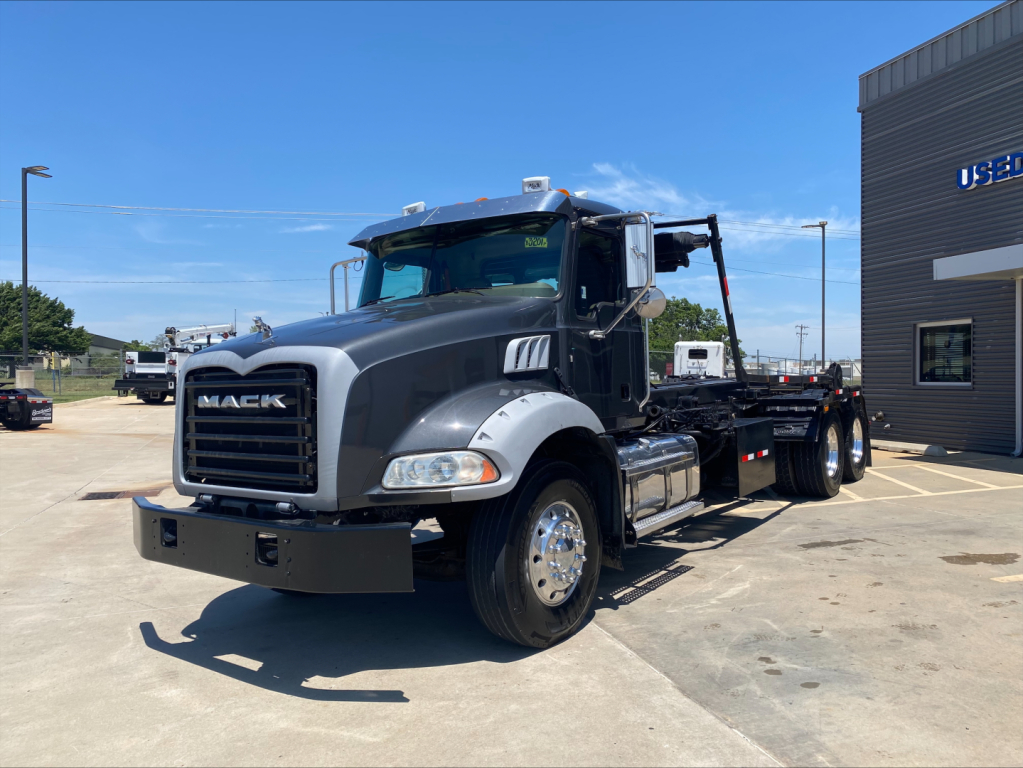
A typical 2016 Mack rolloff in this class may carry a 60,000-lb hoist, around an 18,000-lb front axle, and 44,000-lb to 46,000-lb rears. Many are paired with a 350 hp engine and an Allison 3000RDS automatic, which is a practical combination for roll-off work because it reduces driver fatigue and handles frequent backing and positioning well. Rear suspension can vary between spring and heavier vocational setups such as Chalmers, and that choice affects ride, articulation, and long-term durability in off-road or broken pavement conditions. Gear ratios in the 5.63 range are common on trucks geared for launch and low-speed pulling power rather than highway fuel economy.
For Oklahoma operations, a used 2016 rolloff truck needs to be evaluated for both road use and jobsite reality. Look closely at frame condition, hoist rails, cable or hook mechanism wear, rear rollers, pintle area, and crossmember integrity. Check for body and hoist hydraulic leaks, PTO engagement quality, tail light and tarp system operation, and tire wear patterns that may point to suspension or alignment issues. On a Mack vocational chassis, buyers should also pay attention to engine history, emissions status, idle hours if available, and whether the truck has spent most of its life in municipal refuse, commercial waste, or construction debris service. Those duty cycles can create very different wear profiles even when mileage looks similar.
The main advantage of a used 2016 Mack rolloff truck is that it sits in a proven vocational sweet spot: modern enough to offer familiar fleet-spec components, but old enough that many buyers already know the platform’s service needs and operating costs. If the truck is correctly spec'd for container length, legal payload targets, and route density, it can still be a productive asset for regional waste hauling or container rental fleets. A serious buyer should match hoist capacity to container mix, confirm axle and suspension ratings against local bridge and licensing requirements, and inspect the hydraulic and electrical systems with the same scrutiny as the engine and transmission. On rolloff trucks, uptime is often decided by the hoist system and chassis working together, not by engine power alone.
Frequently Asked Questions
What should I look for first on a used 2016 Mack rolloff truck?
Start with the hoist rating, axle capacities, transmission, and suspension because those specs determine the truck’s working role. After that, inspect the condition of the hoist rails, rollers, hydraulic cylinders, PTO operation, frame, and rear of chassis for cracking, repairs, or distortion. Service records matter on vocational trucks because stop-start refuse and demolition work can create heavy wear that does not always show up in mileage alone.
Is an Allison automatic a good transmission for a rolloff truck?
Yes. An Allison automatic is a common and practical choice for rolloff service because the work involves constant shifting, backing, spotting containers, and operating in tight areas. It generally improves drivability and reduces driver fatigue compared with a manual, especially on urban and transfer-station routes. Buyers should still confirm shift quality, fluid condition, PTO compatibility, and maintenance history.
How much hoist capacity do most Mack rolloff trucks in this class have?
Many trucks in this category are equipped with a 60,000-lb hoist, which is a common rating for commercial rolloff applications. That capacity is suitable for many waste, recycling, and demolition containers, but the right choice still depends on container length, material type, legal gross weight, and axle distribution. Hoist rating should always be evaluated together with axle specs and local operating requirements.
Are 2016 Mack GU533 rolloff trucks good for Oklahoma work conditions?
They can be a strong fit for Oklahoma fleets because the GU533 vocational chassis is designed for demanding commercial use, including uneven yards, transfer stations, and repeated stop-and-go operation. The key is matching the spec to the route. Trucks with the right rear suspension, gearing, and axle ratings tend to handle mixed pavement and jobsite conditions better than lightly spec'd alternatives. Condition is still more important than badge alone on a used rolloff truck.
Why do axle ratings and suspension matter so much on a rolloff truck?
Axle ratings and suspension determine legal payload, durability, traction, and how the truck carries a loaded container. An 18,000-lb front axle with 44,000-lb or 46,000-lb rears is common in this class, but the suspension design changes how the truck performs on rough surfaces and under repeated loading cycles. A buyer comparing trucks should treat these specs as operating-cost decisions, not just numbers on a build sheet.