
Used Mack Rolloff Trucks For Sale
Shop used Mack rolloff trucks with tandem axles, heavy-duty frames, PTO hydraulics, and hoist capacities built for waste and scrap work.
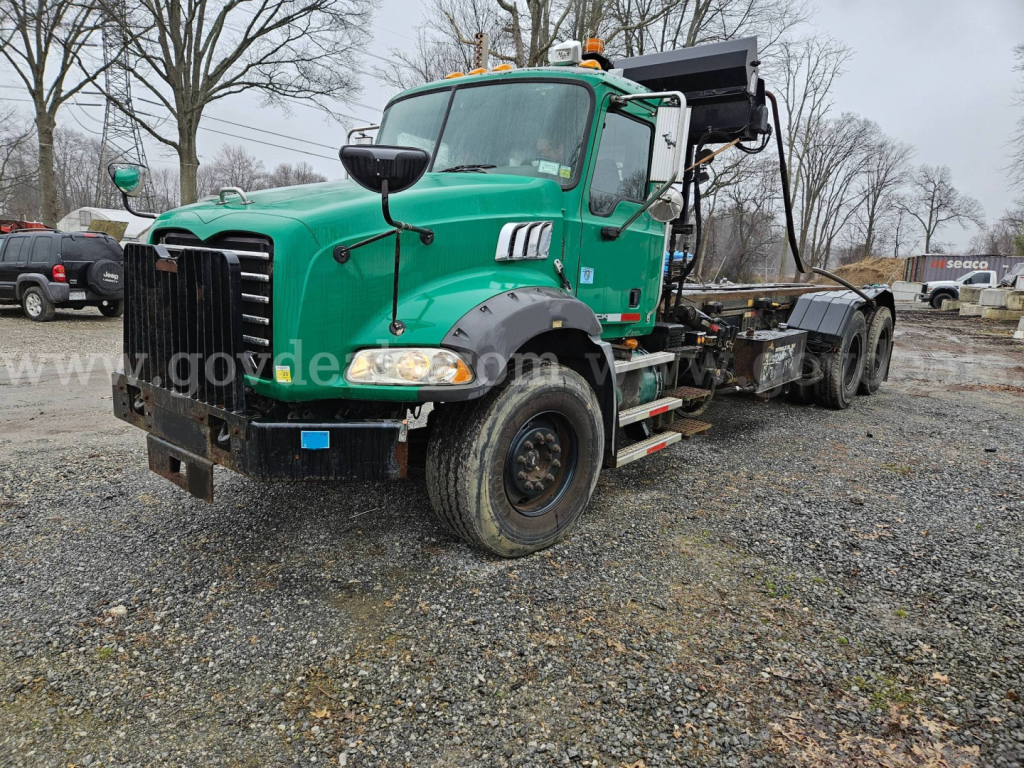
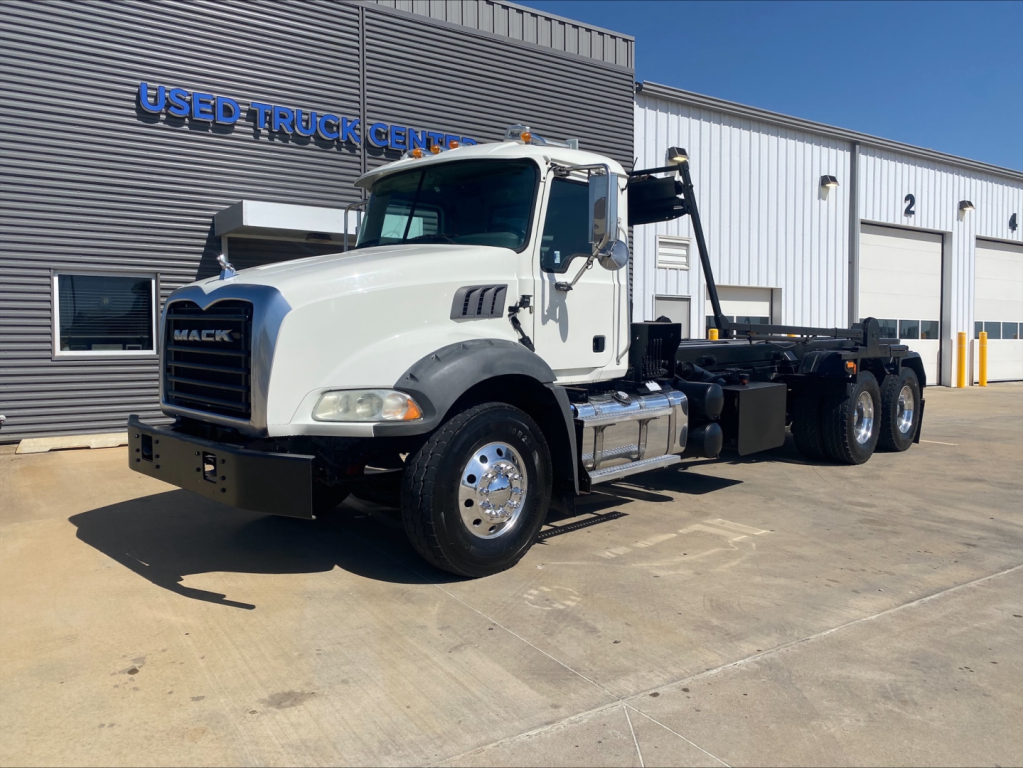
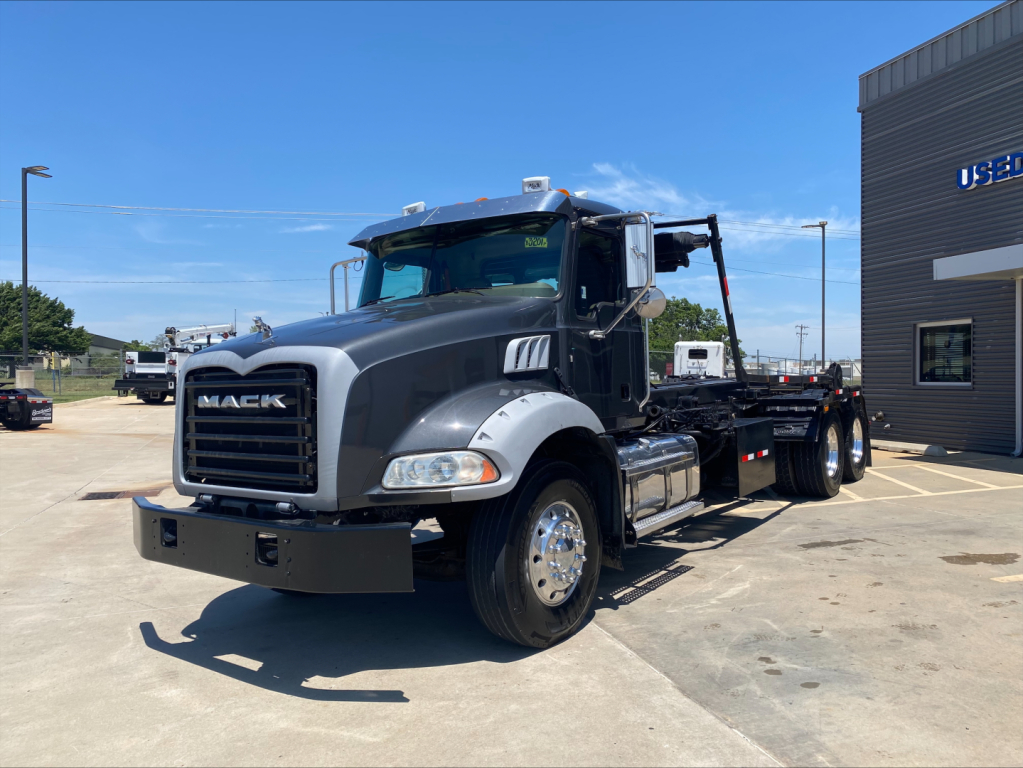

Selling a used mack rolloff truck? List your used mack rolloff truck for sale and reach thousands of commercial buyers.
Used Mack Rolloff Trucks
Mack rolloffs are a familiar sight in waste, recycling, demolition, roofing, and scrap operations because the chassis is typically spec'd for severe-duty work. Older RD and RB series trucks are known for rugged frames, mechanical simplicity, and vocational durability. Newer Granite and GU series trucks bring more modern cab layouts, higher horsepower options, and automatic transmissions that suit stop-and-go urban routes. Engines commonly range from about 350 to 455 hp, with Mack and Cummins power both showing up in this class. Buyers comparing drivetrains should pay close attention to transmission type, rear ratio, and PTO arrangement. Allison automatics are popular in city pickup work, while manual and automated manual setups can still appeal in fleets that prioritize direct control and lower acquisition cost.
The body and hydraulic system matter as much as the chassis. A used rolloff truck should be evaluated for hoist wear, pin and bushing play, winch or boom cylinder seepage, rail alignment, tarper operation, and remote function if equipped. Double frame construction is a strong plus in this category, especially on trucks that have spent years handling heavy debris boxes. Suspension choice also affects performance. Mack Camelback, Chalmers beam, Hendrickson rubber block, and heavy multi-leaf suspensions each have a place depending on road conditions and payload consistency. Tire size, usually 12R22.5 or 315/80R22.5 on severe-duty specs, should be considered alongside brake condition and hub style because replacement cost adds up quickly on vocational equipment.
Wheelbase and cab-to-axle dimensions are critical on a rolloff because they influence container compatibility, bridge law compliance, and maneuverability at transfer stations or job sites. Many used Mack rolloff trucks fall in the 247 to 273 inch wheelbase range, which is a practical span for tandem axle refuse and container work, but the right number depends on box lengths and local route constraints. A buyer should also look at engine hours, PTO hours, service records, and signs of frame repair or hard off-road use. The best used Mack rolloff truck is not simply the newest one. It is the one with the right hoist, axle spec, hydraulic health, and frame integrity for the containers and routes it will handle every day.
Frequently Asked Questions about Used Mack Rolloff Trucks
What should I look at first on a used Mack rolloff truck?
Start with the hoist rating, wheelbase, axle ratings, and hydraulic condition. Those items determine whether the truck can handle your container sizes and payloads without creating legal or operational problems. After that, inspect the frame rails, crossmembers, PTO setup, suspension, and any signs of cylinder seepage or pin and bushing wear. On a rolloff truck, the body system can be as important as the engine and transmission.
Are Mack rolloff trucks good for waste and demolition work?
Yes. Mack rolloff trucks are widely used in waste, recycling, scrap, demolition, and construction debris service because the chassis is commonly spec'd for severe-duty applications. Heavy front axles, tandem rears, double frame options, and durable vocational suspensions make them well-suited for repeated loading cycles and rough jobsite conditions. The exact fit still depends on hoist type, capacity, and local weight requirements.
What engine and transmission combinations are common in used Mack rolloff trucks?
Used Mack rolloff trucks often appear with Mack diesel engines such as E7 or MP8, and many newer units also use Cummins ISL or similar mid-range vocational engines. Horsepower commonly runs from the mid-300s into the mid-400s. Transmissions are often Allison automatics in route-based urban service, while older trucks may have Mack or Fuller manual gearboxes. The best combination depends on stop-and-go frequency, driver preference, terrain, and maintenance strategy.
How important is wheelbase on a rolloff truck?
Wheelbase is very important because it affects container fit, turning radius, bridge compliance, and weight distribution. A truck that is too short or too long for your container fleet can create problems with loading angles, legal axle spacing, and jobsite access. Buyers should compare wheelbase, cab-to-axle, and cab-to-end dimensions against the exact box lengths and operating environment they plan to run.
What are common wear points on a used rolloff body?
Common wear points include hoist cylinders, winch components, cable or hook system wear, rail rollers, rear hinge areas, and the pins and bushings at major pivot points. Buyers should also test the tarper, inspect hydraulic hoses and pump performance, and look for frame cracking or uneven rail wear that may indicate past overloads or alignment issues. A body that cycles smoothly under load is usually a better indicator of value than paint or cosmetic condition.