
Used 2016 Mack Rolloff Trucks For Sale
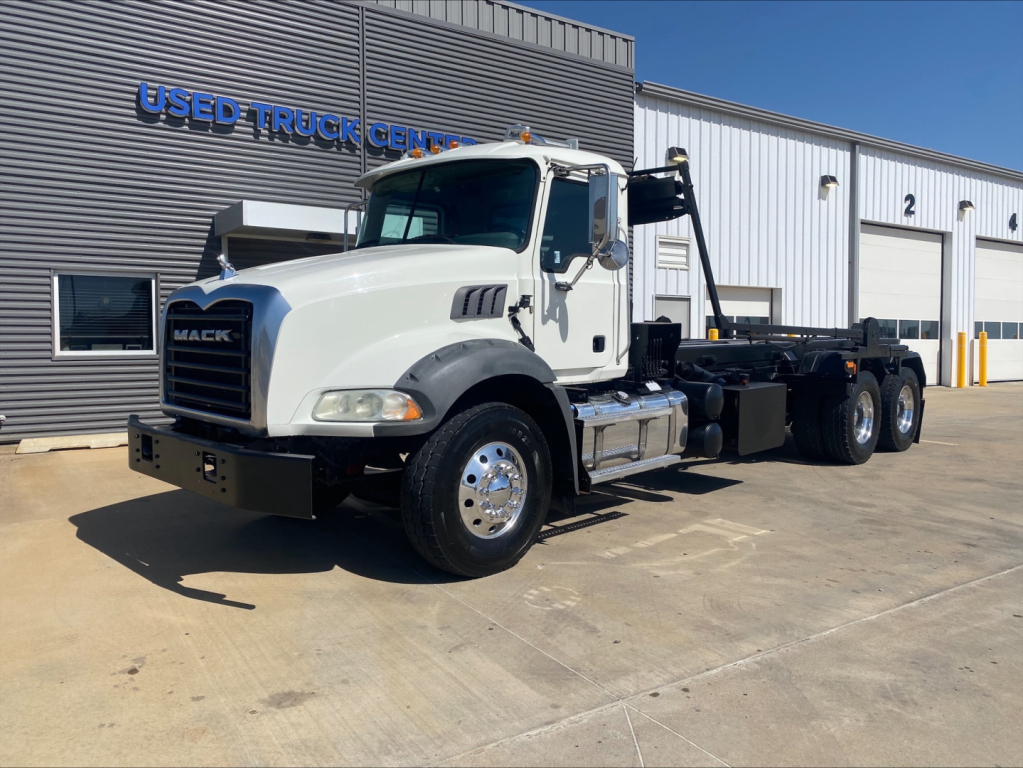
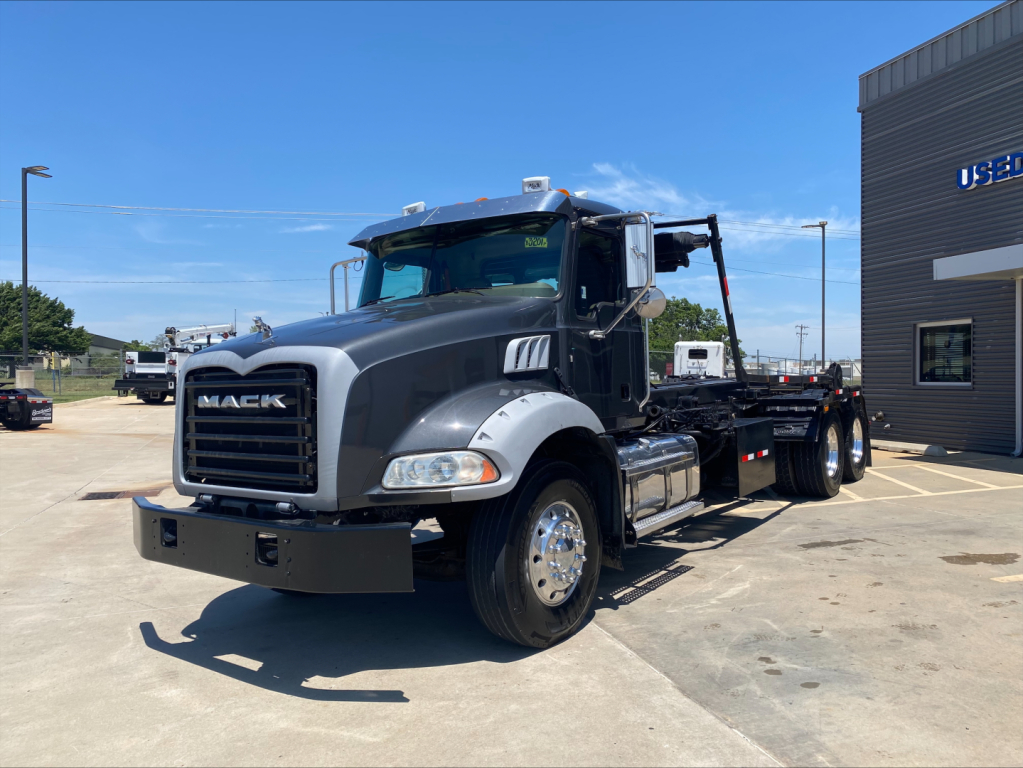
Browse used 2016 Mack rolloff trucks for sale, including GU533 models with 60,000-lb hoists, Allison automatics, heavy axles, and refuse-ready specs.
Learn more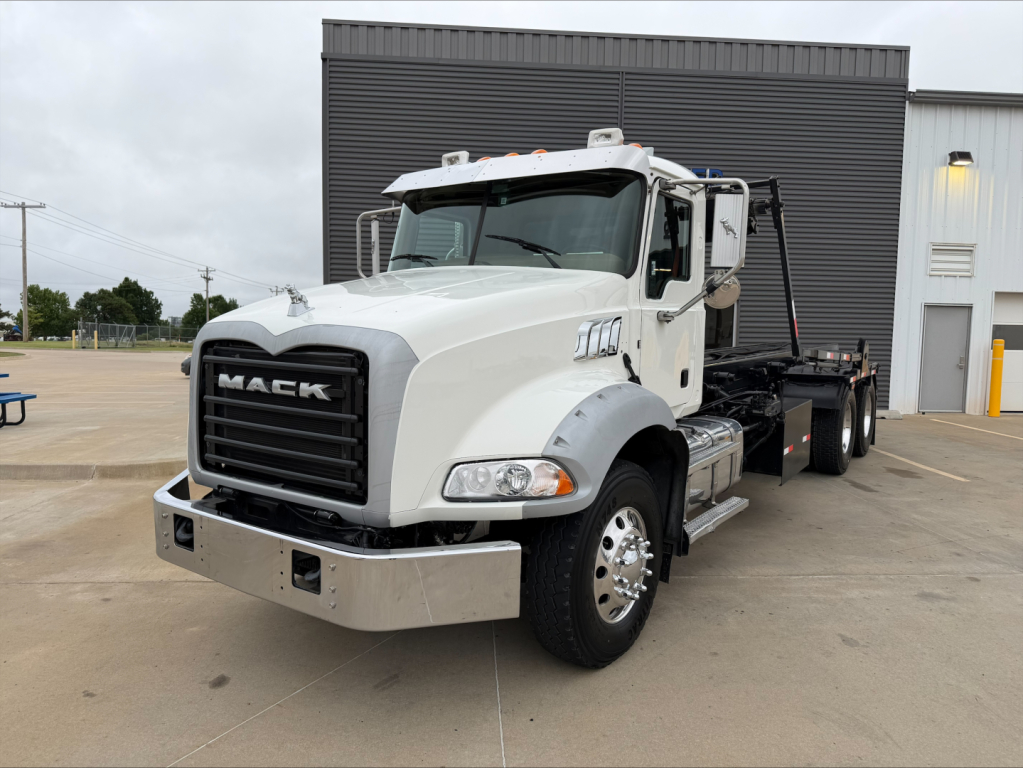
Have used 2016 mack rolloff truck to sell? List it here to reach thousands of buyers.
About Used 2016 Mack Rolloff Trucks
Powertrain spec matters as much as the hoist. A lot of 2016 Mack rolloff trucks were built with 350 hp Cummins engines paired to Allison 3000RDS automatic transmissions, a combination that is popular in stop-and-go refuse routes and urban container service. Rear axle ratios such as 5.63 are common on vocational setups because they favor launch, gradeability, and body-control work over highway cruising speed. Suspension choice also affects the truck's role. Spring suspension is straightforward and durable for severe service, while heavier vocational suspensions like Chalmers or Camelback style setups are valued for stability under uneven loads and repeated jobsite use. Tire size, axle ratings, and frame configuration should all be reviewed together to confirm the truck matches your target payload and route conditions.
On a used rolloff, the body and hydraulic system deserve as much inspection time as the chassis. Check outside rail or inside rail design, hoist brand, container compatibility, PTO setup, pump condition, cylinder seepage, tail roller wear, hook or cable operation, and tarper function. Remote controls, tarping systems, and body locks can add productivity if they are working correctly. Frame integrity is critical on this category, especially around hoist mounts, rear rollers, and any double-frame sections. A truck can have a strong engine and transmission but still become expensive if the hoist structure, hydraulic plumbing, or electrical controls need major work.
For a 2016 Mack specifically, buyers should also verify emissions status and any modifications before purchase, since altered emissions can affect compliance, registration, resale, and fleet standardization. Mileage and engine hours both matter on rolloff trucks because PTO and hydraulic work can create wear that is not reflected by road miles alone. Service records, evidence of regular hydraulic maintenance, and signs of hard impact loading are often more important than paint condition. A properly spec'd used Mack rolloff truck can be a strong fit for regional waste hauling, scrap operations, C&D work, and municipal container fleets if the chassis, hoist, and hydraulic package are aligned with the containers and duty cycle you actually run.
Frequently Asked Questions
What should I look for first on a used 2016 Mack rolloff truck?
Start with the hoist rating, axle ratings, wheelbase, and cab-to-axle measurement. Those specs determine the container sizes the truck can safely handle and how the weight will sit on the chassis. After that, inspect the hydraulic system, PTO operation, cylinder condition, rear rollers, rails, tarp system, and frame around the hoist mounts. On a used rolloff, the body equipment can drive repair costs just as quickly as engine or transmission problems.
Is a 60,000-lb hoist common on a 2016 Mack rolloff?
Yes. A 60,000-lb hoist is a common vocational spec on Mack rolloff trucks in this class, especially on GU533 tandem-axle units. It fits many waste, scrap, demolition, and construction container applications. Even so, buyers should confirm the hoist model, rail setup, and container compatibility because rated hoist capacity does not automatically mean every box length or load distribution will work the same way on every chassis.
Why do many 2016 Mack rolloff trucks have an Allison automatic and deep rear ratio?
That combination is popular because rolloff work involves frequent starts, stops, backing, PTO engagement, and jobsite maneuvering. An Allison automatic helps with driver ease and consistent low-speed control, while a deep rear ratio such as 5.63 improves launch and gradeability with heavy containers. The tradeoff is lower road speed efficiency compared with highway-oriented specs, so route profile matters when evaluating drivetrain setup.
How important are mileage and engine hours on a used rolloff truck?
Both are important, but engine hours can be especially revealing on a rolloff because the truck may spend a lot of time idling or operating the PTO and hydraulics. A unit with moderate miles can still have substantial wear if it has seen heavy stationary hydraulic use. Compare miles, hours, maintenance history, and the condition of the hoist and hydraulic components together rather than relying on odometer reading alone.
Are emissions modifications a concern on a 2016 used Mack rolloff truck?
Yes. Any altered or non-original emissions configuration should be reviewed carefully before purchase. It can affect DOT compliance, state registration, resale value, warranty support, and a fleet's internal maintenance standards. Buyers should verify the current emissions setup, ask for documentation on any changes, and confirm the truck can legally operate in the states and municipalities where it will be assigned.