
Hino Rolloff Trucks For Sale
Browse Hino rolloff trucks with hooklift and roll-off body options, diesel power, medium-duty maneuverability, and strong container handling.
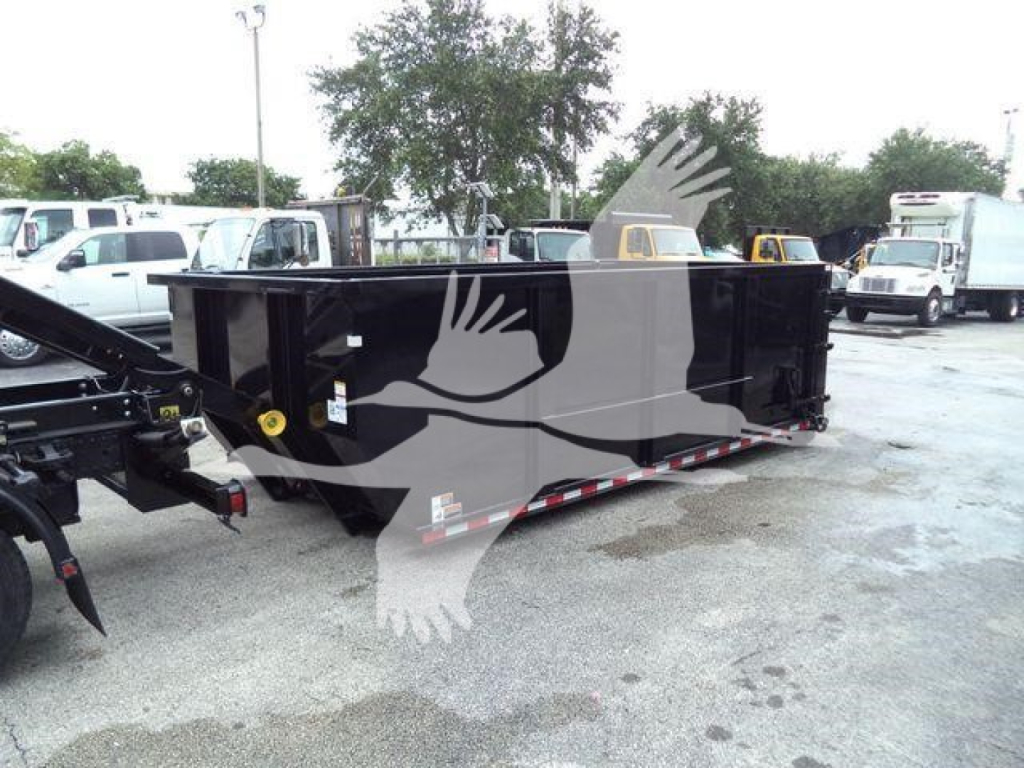
Selling a hino rolloff truck? List your hino rolloff truck for sale and reach thousands of commercial buyers.
Hino Rolloff Trucks
The first buying decision is usually hoist style and capacity. A traditional cable roll-off setup is common when the truck will stay dedicated to roll-off cans and standardized container work. A hooklift can add versatility by letting one chassis handle dump bodies, flatbeds, equipment bodies, and specialty containers, but it requires matching body length and hook height to the jobs you actually run. Capacity ratings vary by upfit, but many Hino-based units in this segment are spec'd for lighter to mid-range container work rather than the heaviest construction debris routes handled by larger Class 8 trucks. Check the hoist rating, body length compatibility, inside and outside rail width requirements, and the truck's actual legal payload once the upfit is installed.
Chassis spec matters just as much as the hoist. Hino rolloff trucks commonly use diesel engines in the medium-duty range with automatic transmissions, and that combination fits frequent starts, short hauls, and driver turnover better than more complex vocational setups. Wheelbase, axle rating, suspension, and brake spec all affect how the truck loads, how much front axle weight remains when a container is pulled forward, and how stable the unit feels on uneven job sites. Buyers should pay close attention to PTO operation, hydraulic cycle speed, frame condition, rear hinge and hoist wear points, tarp system function, and any signs of stress cracking around body mounts or the tail area. If the truck will run in dense neighborhoods or commercial alleys, cab visibility and overall bumper-to-tail length can be as important as raw lifting capacity.
A well-matched Hino rolloff truck can be a cost-effective option for fleets that need container service without stepping into a larger chassis than the route requires. These trucks are also known as roll-off trucks or, when equipped with that style of body, hooklift trucks. The right unit depends on container size, material density, pickup frequency, and road restrictions in the territory. For lighter demolition debris, roofing tear-off, recyclables, landscape materials, and municipal support work, a Hino-based rolloff can deliver the maneuverability and lower operating footprint that many local operators want.
Frequently Asked Questions about Hino Rolloff Trucks
What is the difference between a Hino rolloff truck and a Hino hooklift truck?
A Hino rolloff truck usually refers to a chassis fitted with a cable hoist designed to load and unload roll-off containers. A Hino hooklift truck uses a hydraulic hook arm to pick up interchangeable bodies with a compatible hook height and body design. Cable roll-offs are often preferred for dedicated container service, while hooklifts offer more flexibility when one truck needs to handle multiple body types.
What jobs are Hino rolloff trucks best suited for?
Hino rolloff trucks are best suited for local and regional container work where maneuverability is important and payload demands fit a medium-duty chassis. Common applications include waste collection support, recycling, roofing debris, light demolition, scrap, landscape material hauling, and municipal service. They are especially useful in tighter urban environments, commercial properties, and routes with frequent stops.
What should I check when comparing used Hino rolloff trucks?
Start with the hoist manufacturer, capacity rating, and compatibility with the container sizes or bodies you plan to run. Then review axle ratings, wheelbase, engine horsepower, transmission, PTO engagement, hydraulic performance, and frame condition. Buyers should also inspect the hoist rails, rollers, cable or hook assembly, rear hinge area, tarp system, and signs of cracking or corrosion around the upfit mounts. Actual legal payload is critical, because the body installation can reduce usable capacity more than many buyers expect.
Are Hino rolloff trucks good for heavy construction debris?
They can be, but only within the limits of the specific chassis and hoist rating. Many Hino rolloff trucks are configured for lighter to mid-range vocational work rather than the heaviest debris applications typically assigned to larger tandem-axle Class 8 roll-off trucks. Material density matters as much as container size, so buyers should compare gross vehicle weight rating, rear axle capacity, hoist rating, and local legal weight limits before assigning dense loads like concrete, brick, or wet demolition debris.
Why do fleets choose a Hino chassis for rolloff service?
Fleets often choose a Hino chassis because it fits medium-duty vocational work with a practical cab layout, diesel powertrain options, and dimensions that work well in city and suburban service. The platform is commonly selected for routes that require good visibility, easier access to tight sites, and simpler operation for drivers making repeated pickups and drop-offs. For the right application, that can translate into better route efficiency and a lower operating footprint than a larger truck.