
Rolloff Trucks For Sale in Arkansas
Shop rolloff trucks for waste, scrap, demolition, and container hauling. Compare hoist capacity, axle ratings, wheelbase, tarp systems, and PTO specs.
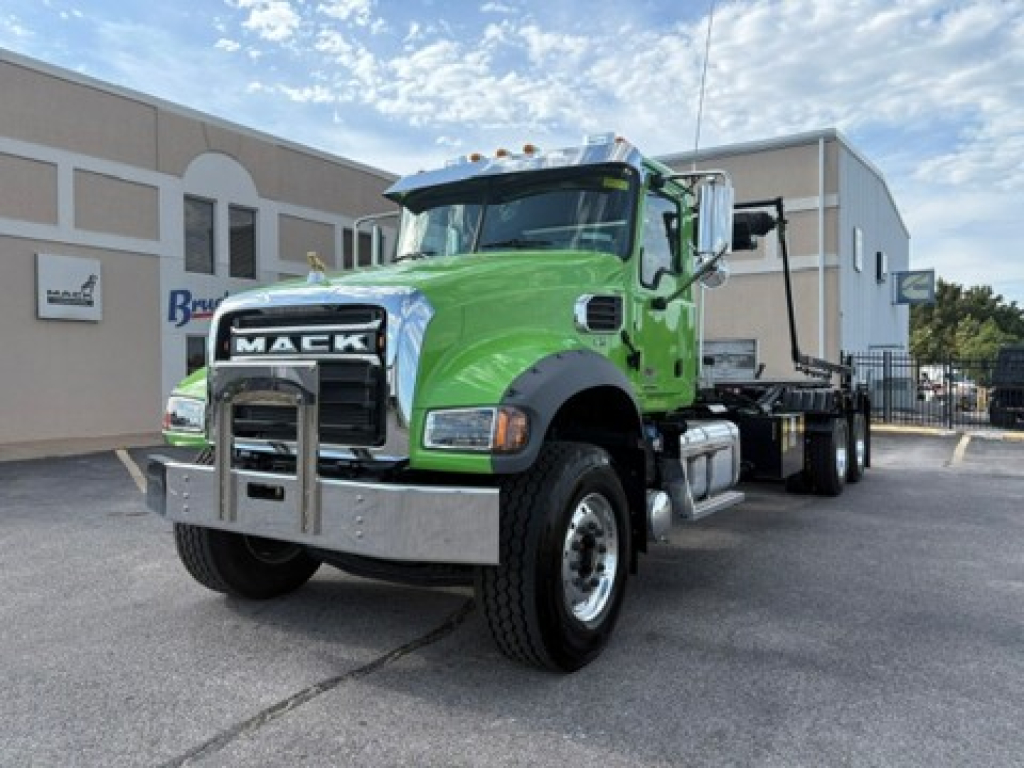
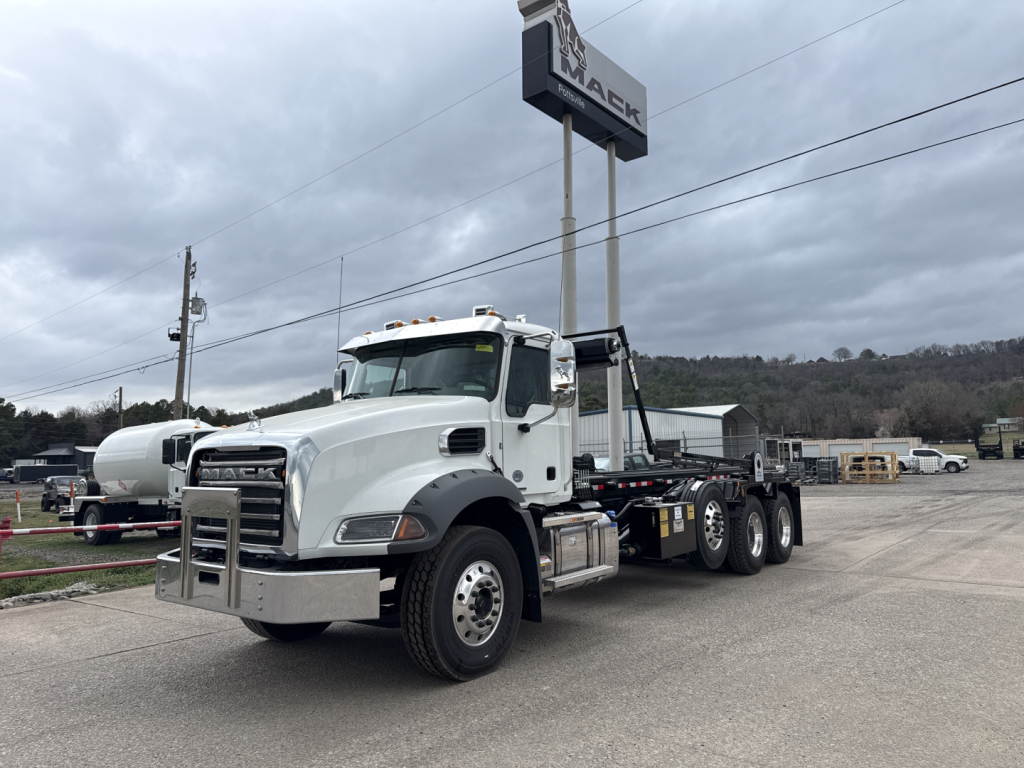
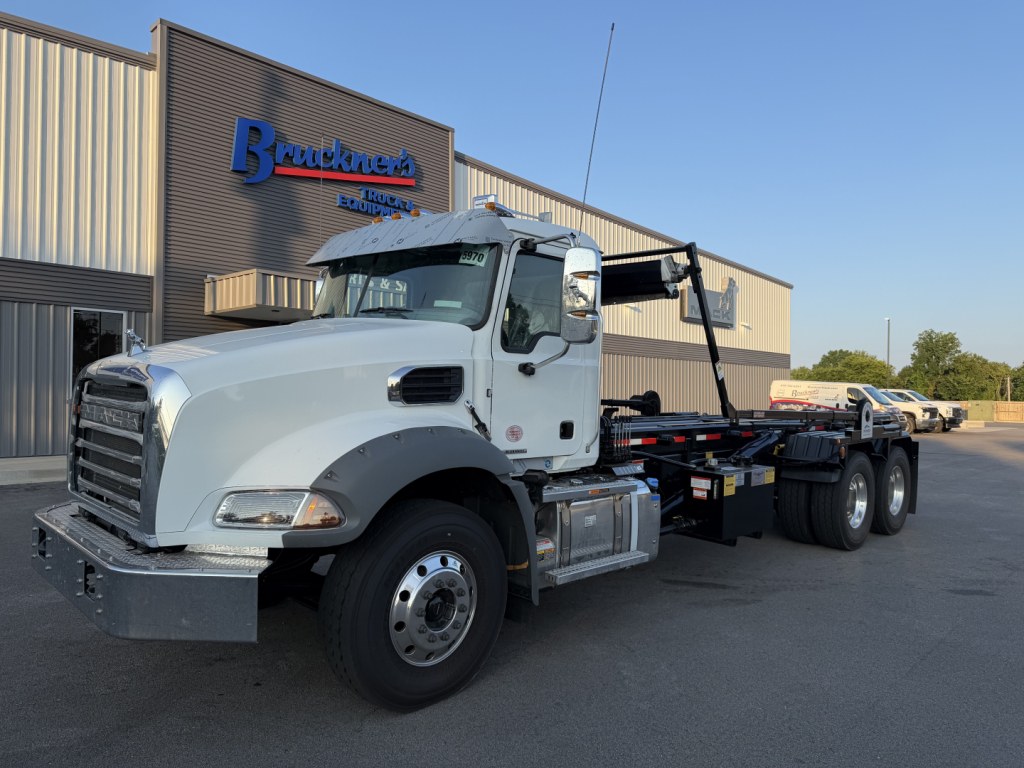
Selling a rolloff truck? List your rolloff truck for sale and reach thousands of commercial buyers.
Rolloff Trucks in Arkansas
Chassis specs matter because rolloff work is hard on driveline, suspension, and brakes. Tandem axle configurations are common, with front axle ratings around 18,000 to 20,000 pounds and rear ratings in the 40,000 to 46,000 pound range, often pushing GVWR into the 54,000 to 66,000 pound class depending on the build. Wheelbase affects both stability and container fit, but it also affects turning radius on tight Arkansas job sites, transfer stations, and urban alleys. Buyers should look closely at rear suspension type, rear ratio, frame reinforcement, PTO setup, and transmission choice. Automated manuals and heavy-duty automatics both show up in this category, but low-speed control, reverse performance, and durability under repeated load cycles matter more than highway fuel economy alone.
Hydraulic performance is another major factor. A rolloff truck needs smooth winch or hook operation, reliable hoist cycle times, and dependable tarp coverage to keep loads compliant on the road. Many units are equipped with hydraulic or electric tarp systems, and that feature can save time on every stop. Other details that deserve attention include oil reservoir capacity, outside rail width, container hold-down design, in-cab controls, backup camera integration, and lighting for early-morning or late-day container work. Drum brakes still appear on many severe-service chassis, though some fleets prefer disc brakes for response and maintenance reasons. Tire selection, locking differentials, and suspension tuning also matter in muddy landfills, rough demolition sites, and unpaved approaches.
For Arkansas buyers, legal weight, route conditions, and application mix should drive the final choice. A truck working local waste routes around Little Rock or Fort Smith may prioritize maneuverability and fast cycle times, while a truck handling scrap or demolition in rural areas may need more traction, heavier axle ratings, and a stronger frame spec. If the truck will see interstate travel with loaded containers, horsepower, gearing, and cab comfort become more important. The best rolloff truck is not simply the biggest hoist on the tallest chassis. It is the one matched to the container fleet, expected payload, daily stop count, and jobsite conditions, with enough hydraulic and chassis margin to stay productive under repeated severe-duty use.
Frequently Asked Questions about Rolloff Trucks in Arkansas
What should I look for first when comparing rolloff trucks?
Start with hoist capacity, container compatibility, and chassis ratings. The truck must match the box lengths and weights used in your operation, and the axle ratings, wheelbase, and GVWR must support the real payload, not just the empty container. After that, review the hoist type, hydraulic system, PTO setup, rear suspension, and transmission for suitability in repeated stop-and-cycle service.
What is the difference between a cable rolloff and a hooklift?
A traditional rolloff truck usually uses a cable hoist system designed to load and unload dedicated rolloff containers on rails. A hooklift uses a hydraulic hook arm and is generally more versatile with interchangeable bodies, but it requires compatible hooklift containers or attachments. Buyers looking specifically at rolloff trucks should confirm the container style already in service, because cable and hooklift systems are not interchangeable without the right body design.
How much axle capacity does a typical rolloff truck need?
Many severe-duty rolloff trucks are built with a 18,000 to 20,000 pound front axle and 40,000 to 46,000 pound rears, often in a tandem configuration. The right spec depends on container size, material density, and local weight regulations. Light construction debris, municipal waste, and scrap can produce very different axle loading, so the best practice is to spec for the heaviest material the truck is expected to haul regularly.
Are automatic transmissions a good choice for rolloff trucks?
They can be. Heavy-duty automatics and automated manual transmissions both work well in rolloff applications when properly matched to the job. The important factors are low-speed control, creep performance, reverse durability, PTO compatibility, and reliability in repeated loading cycles. In stop-and-go urban work, an automatic or automated manual can reduce driver fatigue, but the transmission still needs to be spec'd for severe service rather than general highway use.
Do tarp systems and differential locks really matter on a rolloff truck?
Yes. A tarp system improves load securement, reduces cleanup issues, and helps keep the truck compliant on public roads. Differential locks are equally important for traction when working in landfills, on soft construction sites, or on wet unpaved surfaces. These features may seem secondary on paper, but they have a direct impact on uptime, safety, and how easily the truck can complete a full day of container work.