
2021 Peterbilt Rollback Trucks For Sale
Shop 2021 Peterbilt rollback trucks, including 337 carriers with 20-22 ft beds, wheel lifts, winches, and medium-duty towing capability.
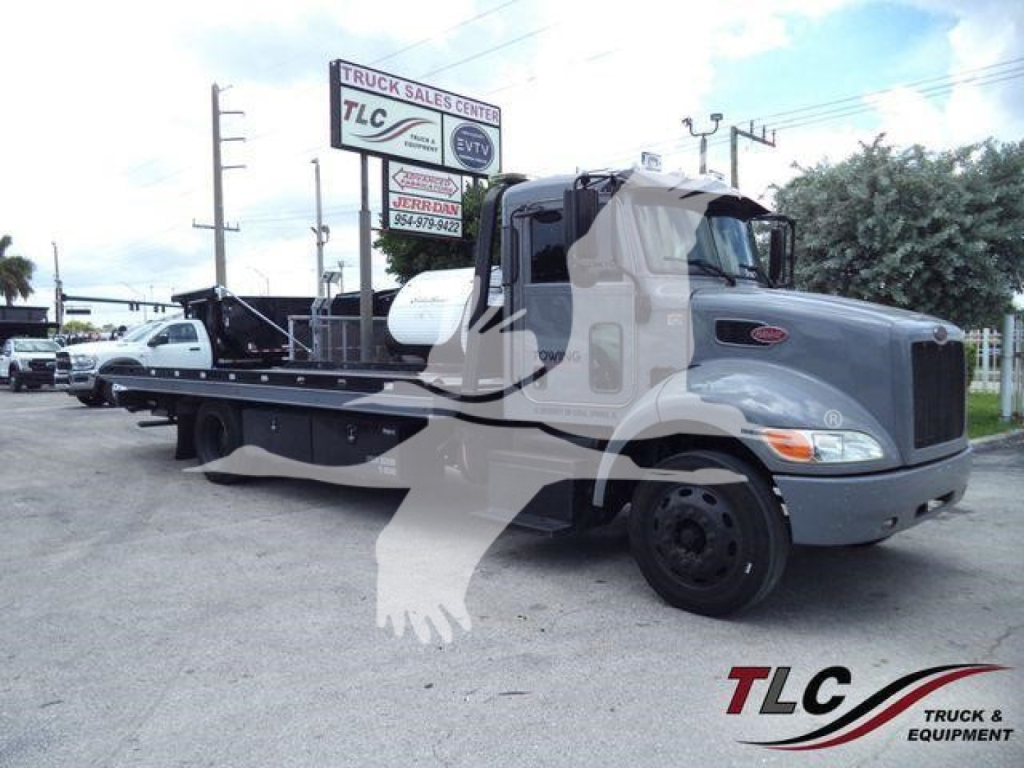
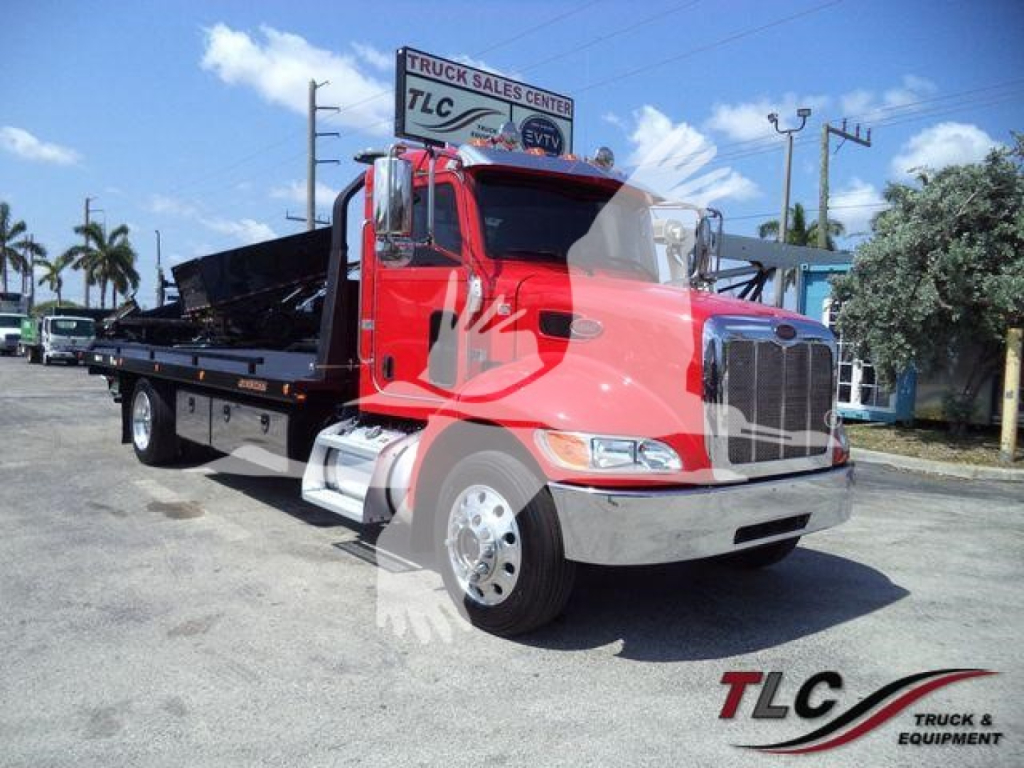

Selling a 2021 peterbilt rollback truck? List your 2021 peterbilt rollback truck for sale and reach thousands of commercial buyers.
2021 Peterbilt Rollback Trucks
The 2021 model year commonly pairs a Cummins PX-7 or 6.7L diesel with an Allison automatic transmission, a combination that appeals to fleets looking for straightforward serviceability and predictable operation in stop-and-go towing work. A 26,000 GVWR setup is common, often with air brakes, air ride suspension, 22.5 low-profile tires, and aluminum wheels. That chassis spec matters because it affects ride quality, brake performance, and legal operating flexibility depending on your state and driver requirements. On rollback applications, buyers should also pay close attention to front and rear axle ratings, wheelbase, and cab-to-axle dimensions, since those directly influence deck fitment, load balance, and how the truck handles with a vehicle on the bed or on the wheel lift.
The upfit is where one 2021 Peterbilt rollback can differ sharply from another. Jerr-Dan carriers are common in this class, with features such as 3,500-lb wheel lifts, 8,000-lb winches, removable rails, dual toolboxes, and LED work and warning lighting. Some trucks include side recovery systems, wireless remotes, L-arms, receiver tubes, hose reels, and upgraded light packages for repo or high-visibility recovery work. If the truck will spend most of its time on municipal tows, accident response, or parking enforcement, those details matter as much as engine and mileage. Deck material, rail style, winch configuration, and storage layout all affect how quickly a driver can secure, recover, and clear a scene.
Buyers comparing 2021 Peterbilt rollback trucks should look beyond appearance and focus on use case. A 20-foot bed can be a better fit in dense urban service, while a 22-foot XLP carrier gives more flexibility with pickups, SUVs, and longer wheelbase vehicles. Check hydraulic performance, PTO engagement, bed cycle speed, wheel-lift condition, tie-down setup, and signs of frame stress around the carrier mount. Interior comfort also matters more than many first-time buyers expect, since power windows, air ride seating, and a well-laid-out cab can make a real difference on long dispatch days. In the rollback market, a clean Peterbilt 337 with the right carrier spec is often valued for its driver appeal, recognizable brand, and balanced mix of towing capability and medium-duty maneuverability.
Frequently Asked Questions about 2021 Peterbilt Rollback Trucks
What bed length is most common on a 2021 Peterbilt rollback truck?
The most common bed lengths in this class are 20 feet and 22 feet, usually with a 102-inch-wide deck. A 20-foot rollback is easier to maneuver in tighter urban areas and can be a practical choice for standard passenger cars. A 22-foot bed offers more flexibility for larger SUVs, pickup trucks, and longer-wheelbase vehicles. Buyers hauling low-clearance vehicles often prefer an XLP or low-profile deck because the shallower loading angle reduces the chance of bumper or valance contact.
What engine and transmission are typical in a 2021 Peterbilt 337 rollback?
Many 2021 Peterbilt rollback trucks use a Cummins 6.7L or PX-7 diesel paired with an Allison automatic transmission, often the 2200RDS. That combination is widely used because it is easy to operate, well suited to repeated stop-and-go work, and generally familiar to fleet service departments. For a rollback application, the main concern is not just horsepower on paper, but how the driveline performs with a loaded deck, frequent PTO use, and daily towing cycles.
What should I inspect on a used 2021 Peterbilt rollback before buying?
Key inspection points include the carrier subframe, hydraulic cylinders, hoses, PTO operation, winch function, wheel-lift wear, and the condition of the bed pivot and slide components. Look for uneven deck wear, cracked welds, bent rails, and stress around mounting points. On the chassis side, review brake condition, suspension wear, tire age, and axle ratings. It is also smart to verify that the truck's actual configuration matches the work you plan to do, especially bed length, wheel-lift rating, and winch capacity.
Is a 26,000 GVWR 2021 Peterbilt rollback enough for everyday towing work?
For many light-duty towing operations, a 26,000 GVWR Peterbilt rollback is a strong fit. It is commonly used for passenger vehicles, light trucks, dealer transfers, impounds, and general roadside recovery. Capacity still depends on the exact body, axle ratings, wheel-lift setup, and local regulations, so buyers should confirm payload and towing limits for the specific configuration. In practice, this GVWR class is popular because it balances capability, maneuverability, and broad day-to-day usability.
Why do many buyers look for a Peterbilt rollback instead of another medium-duty carrier?
Peterbilt rollback trucks are often favored for their driver comfort, chassis appearance, and strong market recognition. The 337 platform is common in towing because it supports proven rollback upfits while still offering a professional cab layout and solid serviceability. For many operators, the value is not only in the Peterbilt name, but in the combination of a medium-duty chassis, air brake availability, air ride options, and compatibility with well-known carrier bodies such as Jerr-Dan.