
2018 Rollback Trucks For Sale in Florida
Shop 2018 rollback trucks in Florida. Compare 22-foot carriers, winch and wheel-lift specs, GVWR, deck material, and towing setup.
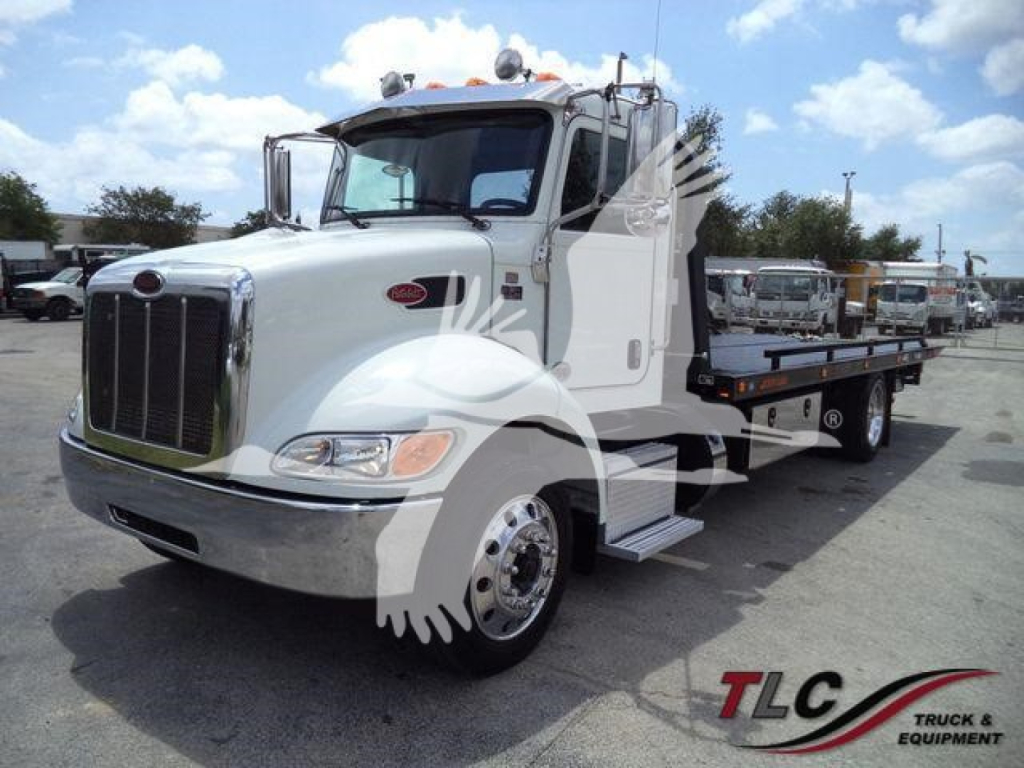
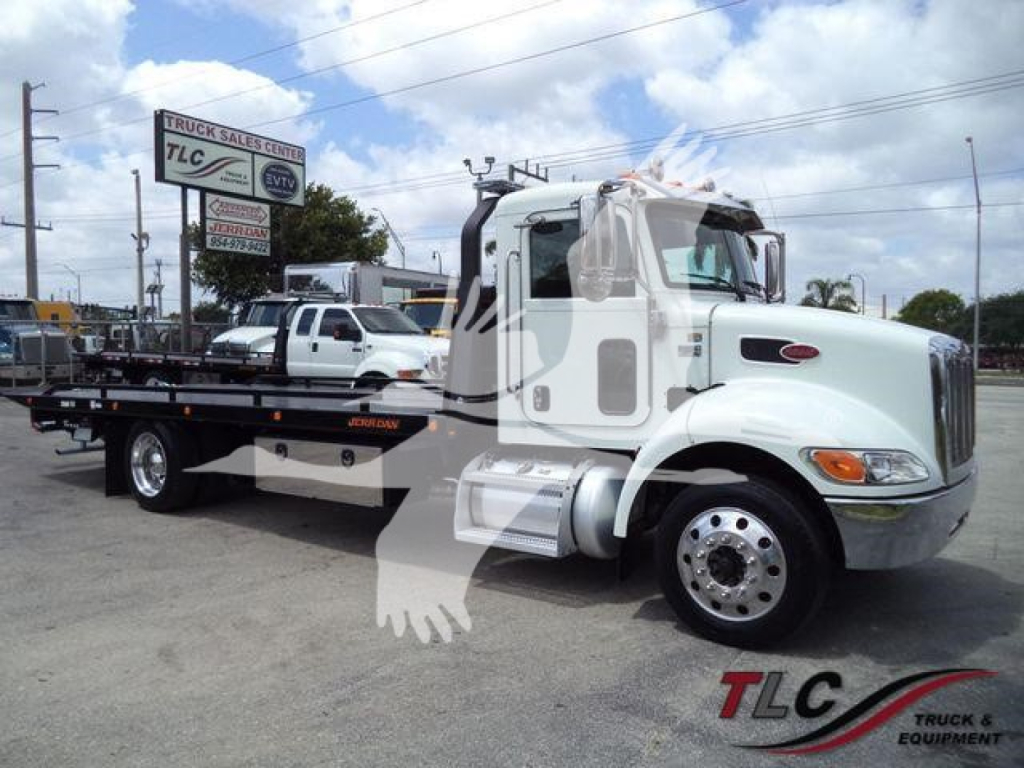
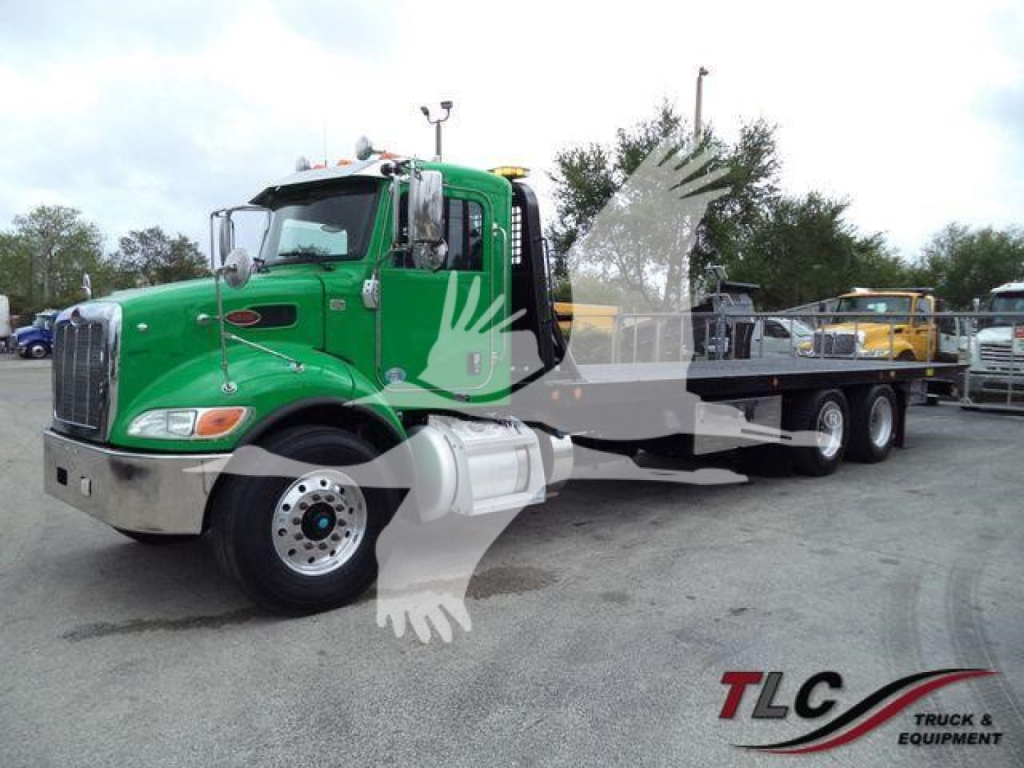
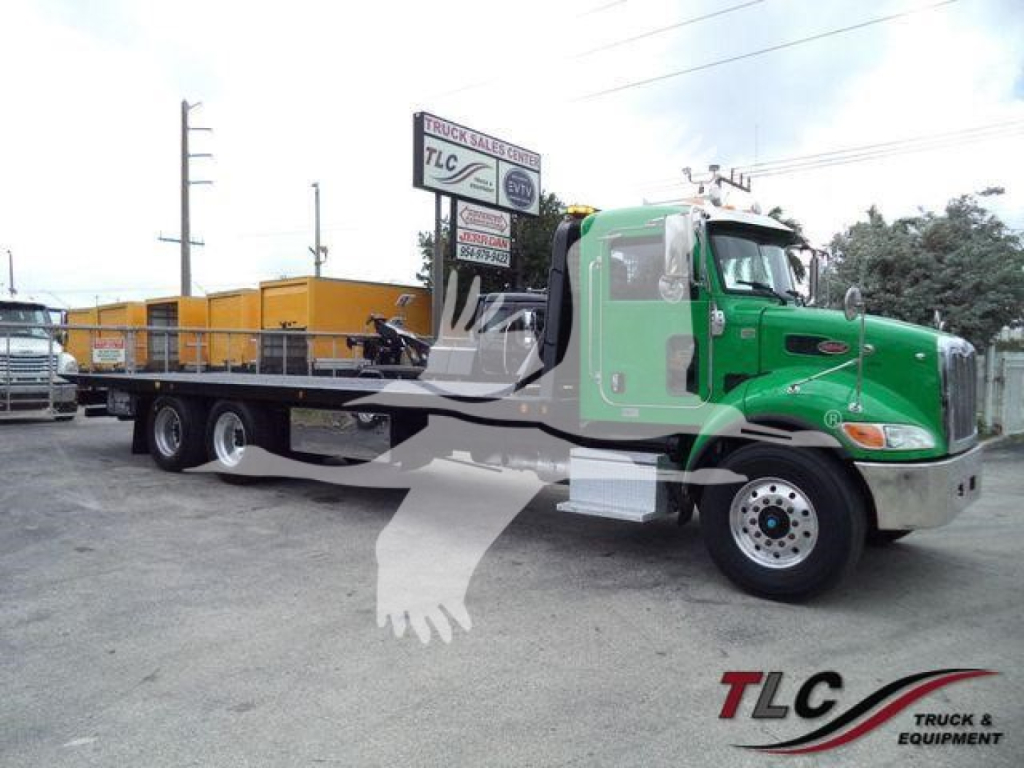
Selling a 2018 rollback truck? List your 2018 rollback truck for sale and reach thousands of commercial buyers.
2018 Rollback Trucks in Florida
The first specs to compare are GVWR, bed length, deck width, winch rating, and wheel-lift capacity. Many rollback trucks in this class are rated around 25,999 to 26,000 GVWR, which can matter for registration, CDL considerations, and route planning depending on how the truck is equipped and operated. A 22-foot by 102-inch deck is one of the most common configurations because it gives enough platform for cars, pickup trucks, small vans, and equipment while keeping the truck maneuverable in tight urban work. Buyers should also look at low-angle or XLP carrier designs if the truck will regularly load low-clearance vehicles, exotics, or damaged units. An 8,000-lb winch and a 3,500-lb wheel lift are common on light-duty rollback tow trucks, but the real usefulness comes down to cable condition, hydraulic response, deck angle, and how the body was spec'd.
Chassis setup matters as much as the carrier body. Air brakes, air ride suspension, and low-profile 22.5 tires are common upgrades that improve ride quality and control under load. In Florida service, corrosion is usually less severe than in northern states, but buyers should still inspect bed crossmembers, hydraulic lines, subframe mounts, wheel-lift pivots, and toolbox floors for rust, salt-air exposure, and hard-use damage. On a 2018 model, pay close attention to DEF system service history, engine idle hours, PTO operation, and the condition of the tilt cylinders, slide rails, and remote controls if equipped. A clean cab can be helpful, but the higher-value inspection points are the carrier structure, winch operation, frame condition, and evidence of consistent fleet maintenance.
Equipment details can change day-to-day usability more than headline horsepower numbers. Removable rails, scuff protection, L-arms, toolboxes, work lights, strobes, and wireless controls all affect how efficiently a rollback can run calls. Buyers working dense metro areas often prioritize turning radius, visibility, and fast deck cycle times, while buyers focused on transport may care more about tie-down storage, deck space, and long-term durability of a steel versus aluminum bed. Steel decks are common and durable, while aluminum carriers help save weight and may improve payload flexibility. A well-matched 2018 rollback truck should fit the type of vehicles being recovered, the operator's licensing situation, and the service mix between towing, transport, and general car hauling.
Frequently Asked Questions about 2018 Rollback Trucks in Florida
What is the most common bed size on a 2018 rollback truck?
A 21-foot to 22-foot carrier is the most common setup on a 2018 rollback truck, with 22 feet by 102 inches being especially popular. That size works well for standard passenger vehicles, pickups, and many small commercial units while still keeping the truck usable in city traffic, storage lots, and roadside recovery scenes.
Is a 26,000 GVWR rollback truck important for licensing and registration?
Yes. Many rollback trucks are spec'd at or near 26,000 GVWR because that threshold can affect CDL requirements, registration class, and insurance depending on the state, the exact weight rating, and how the truck is used. Buyers should verify the door sticker, body upfit weight, and actual operating configuration before assuming a truck falls below any licensing threshold.
What should I inspect first on a used 2018 rollback truck?
Start with the carrier body and hydraulic system. Check the deck floor, slide rails, tilt cylinders, winch, cable, wheel lift, PTO engagement, and frame mounting points. After that, review engine hours, DEF and emissions service records, brake condition, suspension wear, and signs of structural repairs. On a tow truck, body condition and hydraulic performance often tell you more about its working life than the paint or interior.
Is a steel or aluminum rollback bed better?
Neither is automatically better. Steel beds are widely used because they are durable and familiar to repair, especially in heavy daily towing service. Aluminum beds reduce weight, which can help payload flexibility and corrosion resistance. The better choice depends on the truck's duty cycle, expected vehicle mix, repair preferences, and how important every pound of usable capacity is to the operation.
What wheel-lift and winch ratings are typical on a light-duty rollback?
A light-duty rollback in this class often carries an 8,000-lb winch and a wheel lift rated around 3,500 lbs. Those are common working specs for vehicle recovery and transport, but buyers should confirm the actual installed equipment and not rely on generic class assumptions. The condition of the hydraulic system, cable, sheaves, controls, and attachment gear is just as important as the published rating.