
2017 Rollback Trucks For Sale in Florida
Shop 2017 rollback trucks for sale in Florida. Compare bed lengths, winch capacity, wheel-lift setups, GVWR, and carrier specs.
Selling a 2017 rollback truck? List your 2017 rollback truck for sale and reach thousands of commercial buyers.
2017 Rollback Trucks in Florida
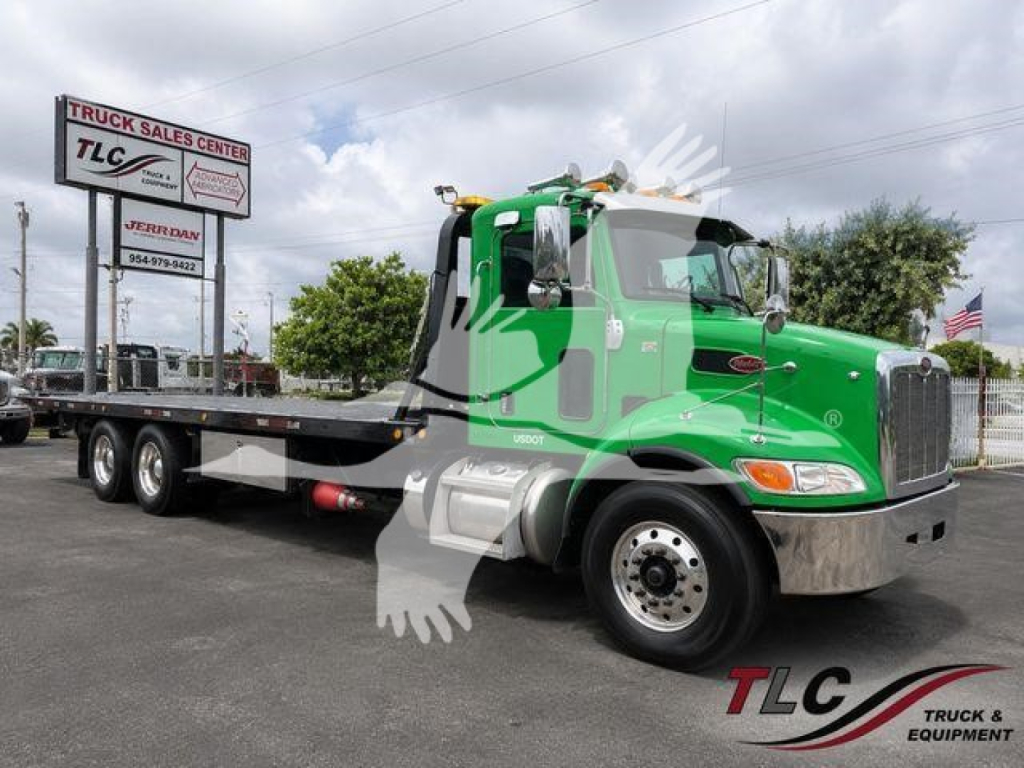
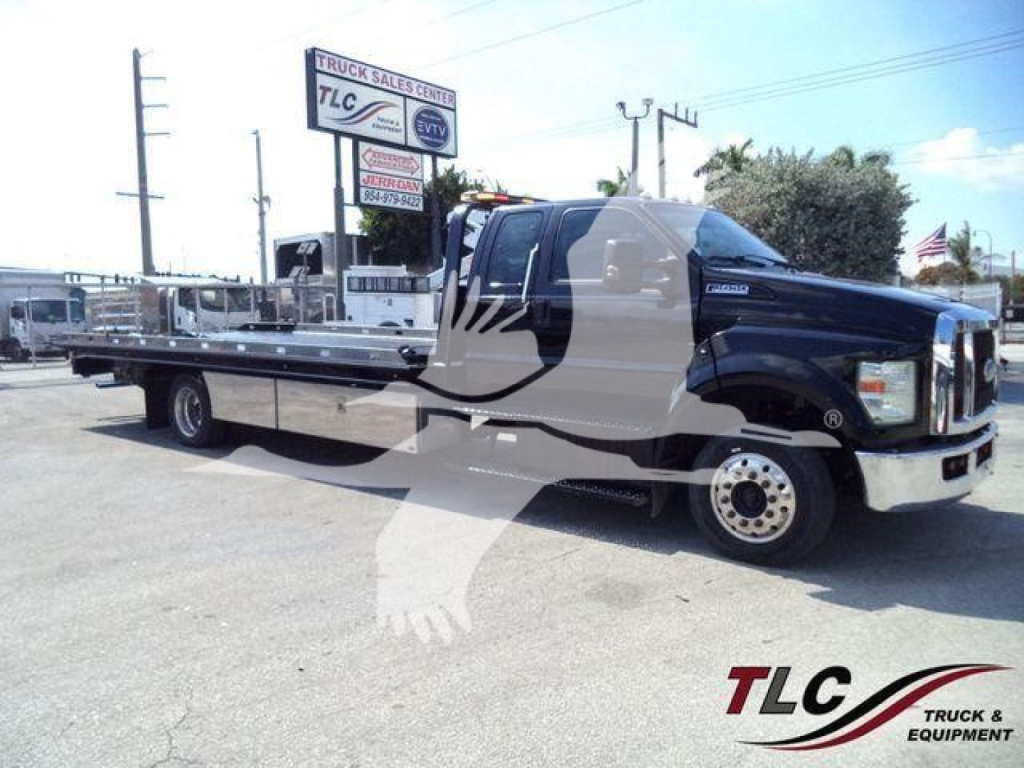
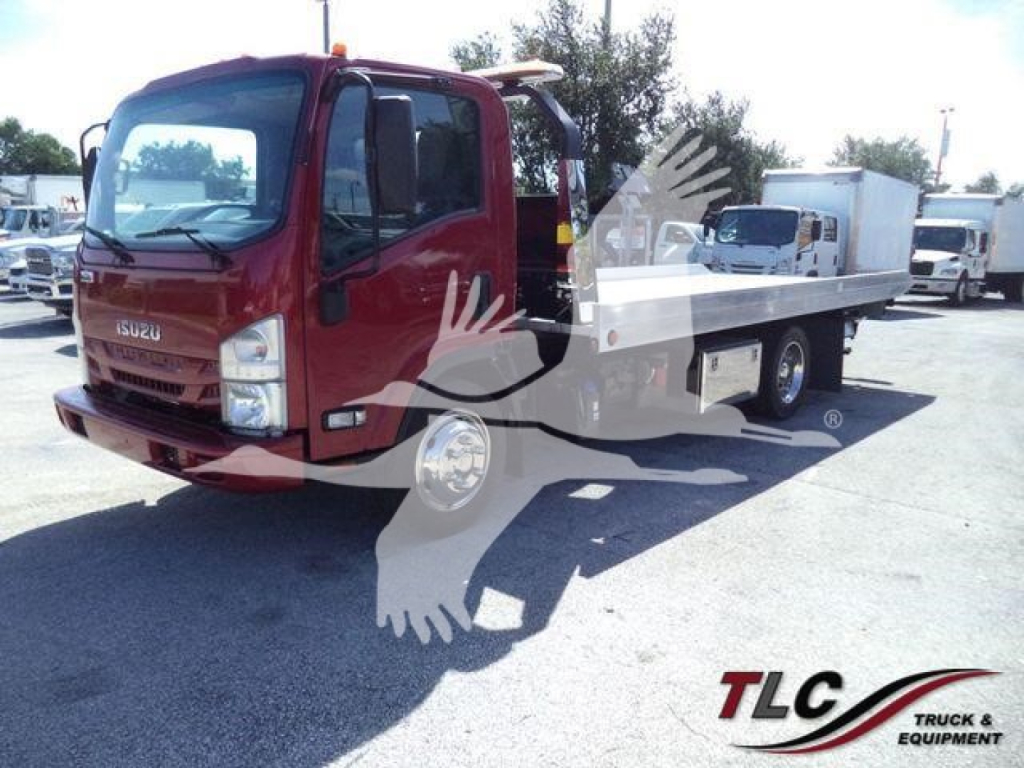
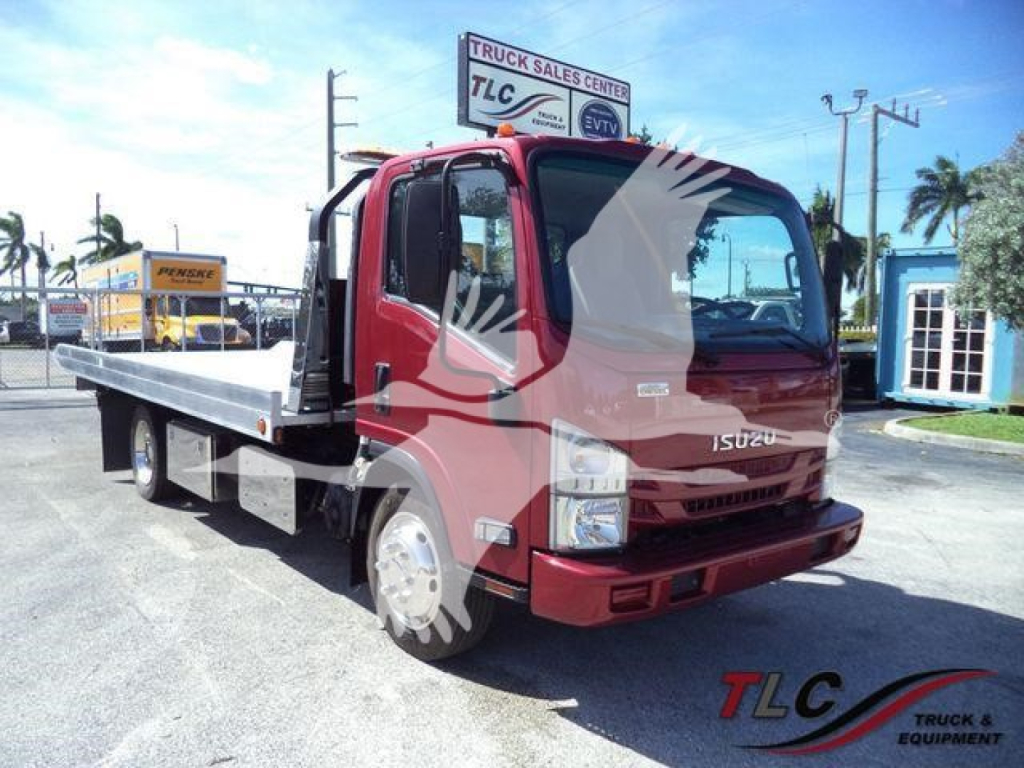
For most 2017 rollback applications, a 21 to 22 foot steel or aluminum deck covers standard passenger vehicle, pickup, and light commercial towing. A 28 foot industrial transporter setup moves the truck into a different class, suited for heavier equipment, long-wheelbase vehicles, and mixed transport work. Deck width often runs 96 to 102 inches, and low-profile or low center of gravity carriers can make loading lowered vehicles easier while improving approach angle. Buyers should pay attention to bed construction, crossmember condition, deck surface wear, slide pad wear, hydraulic cylinder condition, and the presence of useful upfit details such as removable rails, stake pockets, rub rails, underbody toolboxes, scuff protection, and wireless remote controls.
The chassis side is just as important as the carrier body. Many 2017 rollback trucks use diesel engines in the 6.7L to 15L range, with automatic transmissions common in standard towing service and manual transmissions more likely on heavier industrial carriers. Air brakes, air ride suspension, locking differentials, PTO operation, and axle ratings should line up with the work you plan to do. A buyer comparing listings should look closely at GVWR, wheelbase, front axle capacity, rear axle capacity, tire size, and frame configuration, especially if the truck has a wheel-lift, pintle hitch, rear stabilizer, or double-frame setup. Winch ratings often range from around 8,000 lb on lighter carriers to 20,000 lb on heavy transporter builds, and that difference has a direct impact on recovery capability and loading flexibility.
A good 2017 rollback truck should be evaluated as a complete system, not just a truck with a bed attached. Check hydraulic response, deck travel, cable condition, wheel-lift wear points, bed alignment, and evidence of consistent maintenance on the engine, transmission, brakes, and suspension. In Florida use, sun exposure can affect upholstery, switches, lenses, hoses, and wiring, so cab condition and electrical function deserve extra attention. For buyers sorting through multiple listings, the best rollback is usually the one whose bed size, winch setup, and axle capacity match the actual jobs it will run every week, not simply the one with the highest spec sheet numbers.
Frequently Asked Questions about 2017 Rollback Trucks in Florida
What bed size is most common on a 2017 rollback truck?
The most common bed sizes on a 2017 rollback truck are typically 21 to 22 feet for standard towing and vehicle transport, with widths around 96 to 102 inches. These sizes work well for passenger cars, SUVs, pickups, and many light commercial units. Longer 26 to 28 foot beds are generally found on industrial transporter or equipment-hauling applications where wheelbase, deck space, and cargo flexibility matter more than tight urban maneuverability.
How much winch capacity should a 2017 rollback truck have?
Winch capacity should match the type of loads the carrier will routinely handle. Lighter rollback trucks often use an 8,000 lb winch, which is adequate for many cars and light trucks. Heavier carriers and industrial transporters may use 15,000 lb to 20,000 lb winches for larger vehicles, disabled medium-duty units, or equipment that needs more controlled loading force. Buyers should consider not just the winch rating, but also cable condition, free-spool function, hydraulic performance, and how the winch capacity fits the chassis and bed rating.
Is a wheel-lift important on a rollback truck?
A wheel-lift adds flexibility because it allows the truck to tow an additional vehicle position or handle certain recovery and repossession tasks more efficiently. Many rollback buyers prefer a wheel-lift for mixed towing service, especially when working with front-wheel-drive vehicles, short-distance tows, or situations where deck space and towing options both matter. The buyer should verify wheel-lift capacity, L-arm condition, hydraulic function, and how the setup affects rear overhang and legal operating weight.
What should buyers inspect first on a used 2017 rollback truck in Florida?
In Florida, buyers should start with the bed, hydraulics, and underbody areas for corrosion, wear, and evidence of salt-air exposure, especially on trucks used near the coast. After that, focus on A/C performance, cooling system condition, wiring integrity, and sun-related deterioration in seals, lenses, hoses, and interior materials. Service records, PTO operation, engine hours if available, and the condition of the winch, cable, deck rollers, slide mechanism, and toolboxes can reveal more about the truck’s working life than appearance alone.
What is the difference between a standard rollback and an industrial transporter rollback?
A standard rollback is usually built for vehicle towing and general car carrier work, with a shorter deck, lower GVWR, and equipment aimed at daily transport of cars, pickups, and small vans. An industrial transporter rollback is a heavier configuration with a longer deck, stronger frame setup, higher axle ratings, and more winch capacity for equipment, work trucks, and other oversized loads. The transporter style often includes features like rear dock stabilizers, pintle hitches, double frames, and wood or steel deck options designed for more demanding commercial hauling.